The Mary Rose: Henry VIII's lost warship, found by amateur divers and raised from the Solent
Famous find Built in 1511; sank on 19 July 1545 · Found in 1971 See it on the timeline →
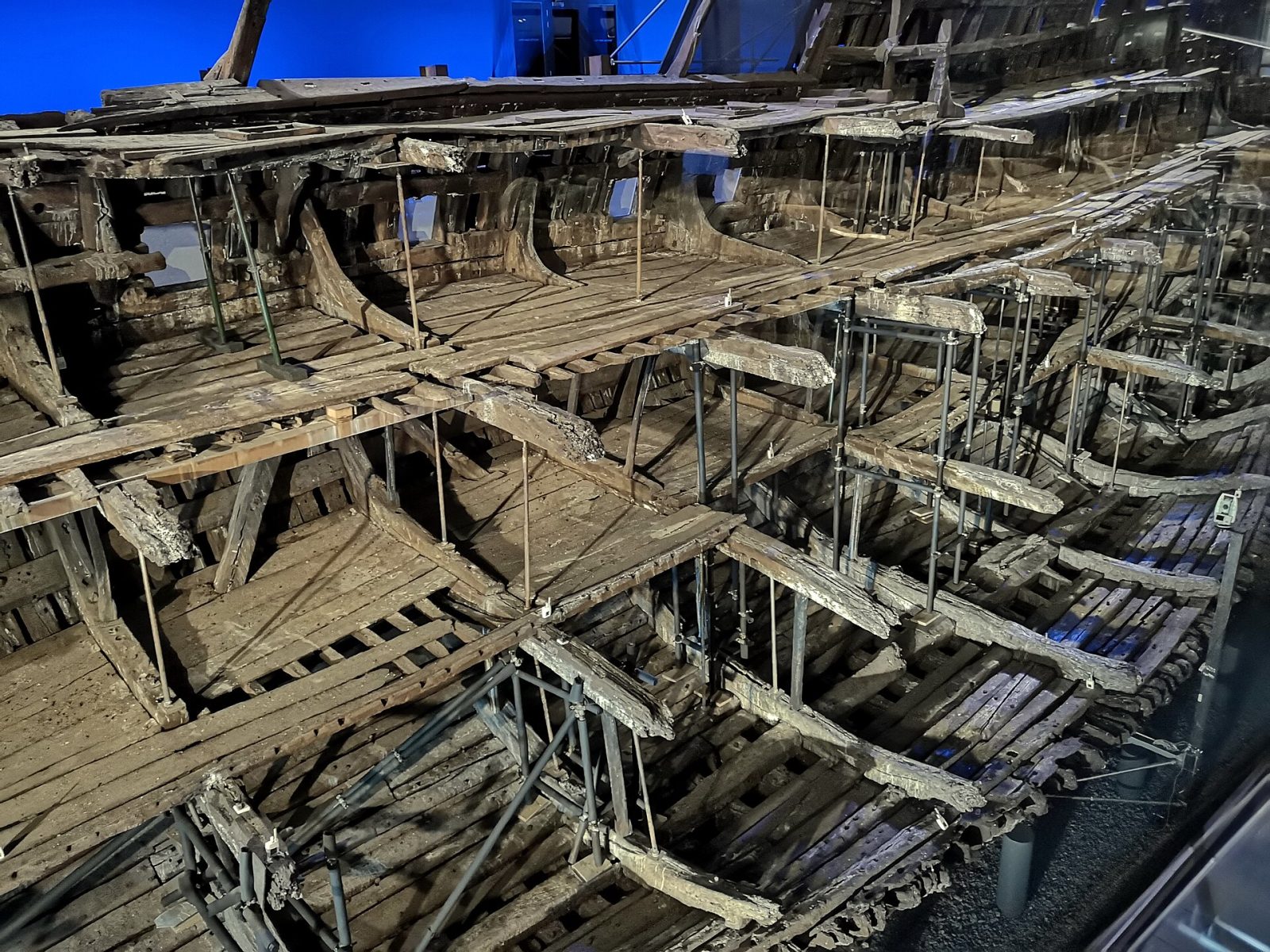
Henry VIII's warship the Mary Rose sank in the Solent in 1545 with most of her crew. In 1971 a volunteer diving team led by Alexander McKee found her, and in 1982 her hull was raised. About 19,000 objects were recovered, from longbows to gold coins.
On 19 July 1545, Henry VIII's warship the Mary Rose sailed out of Portsmouth to fight a French invasion fleet in the Solent. She had served the king for 34 years. As she turned, she heeled over, water poured in through her open lower gunports, and she sank. About 500 men were on board; perhaps 30 to 35 survived. Why she sank is still debated: a gust of wind, overloading, French gunfire and poor discipline have all been blamed.
Attempts to salvage her began almost at once, and failed. Over the centuries she was forgotten. In 1965 Alexander McKee, a historian, journalist and amateur diver, set up Project Solent Ships with members of the Southsea branch of the British Sub-Aqua Club to look for her. Working with the archaeologist Margaret Rule, the team used sonar to search the seabed. On 1 May 1971 the diver Percy Ackland found three or four of the ship's timbers sticking out of the mud.
Over the next decade more than 500 volunteer divers worked on the wreck alongside professionals, recording and lifting about 19,000 objects and the remains of at least 179 of the crew. On 11 October 1982 the hull was lifted from the seabed in a steel cradle and brought into Portsmouth.
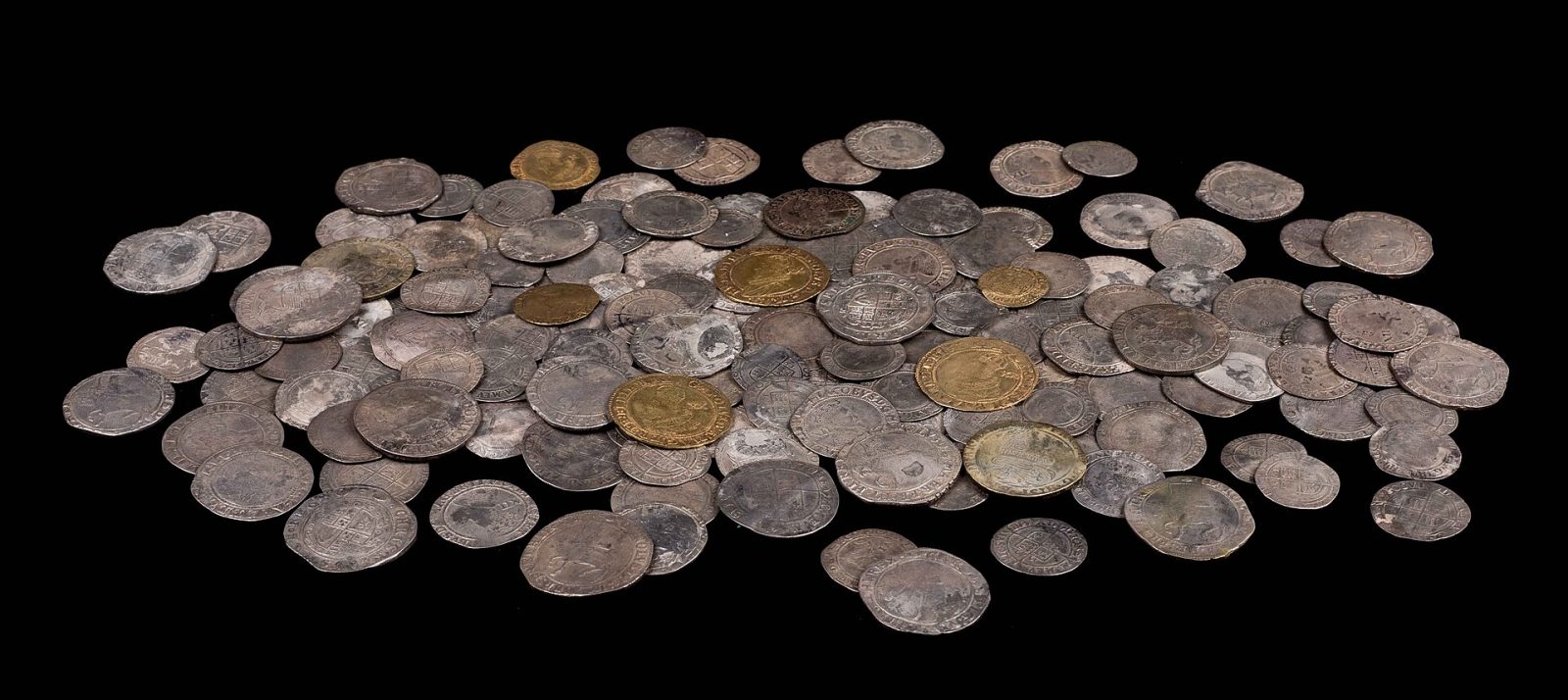
Among the finds are 172 longbows of yew and thousands of arrows, the only longbows of the period to survive with a certain history. The purser's chest held gold and silver coins, among them gold angels showing St Michael slaying a dragon and new half-sovereigns of 1545. There was also the skeleton of the ship's dog, a young terrier known as Hatch, who was found beside a sliding hatch, and the crew's own belongings.
The Mary Rose and her collection are displayed in the Mary Rose Museum at Portsmouth Historic Dockyard, which opened in 2013. Since 2016, when the hull finished drying, visitors have been able to see it without glass in between.
Written for Global Finds from the Mary Rose Trust, Wessex Archaeology and The Art Newspaper (2016). Photo: the hull of the Mary Rose in the Mary Rose Museum, Portsmouth, Peter Kersten, Wikimedia Commons, CC BY-SA 4.0.
Approximate location50.76, -1.10View on map
Source: Mary Rose Trust