The Mahdia Shipwreck: a ship of Greek art treasures found by sponge divers off Tunisia
Famous find Sank about 80 to 60 BC · Found in 1907 See it on the timeline →
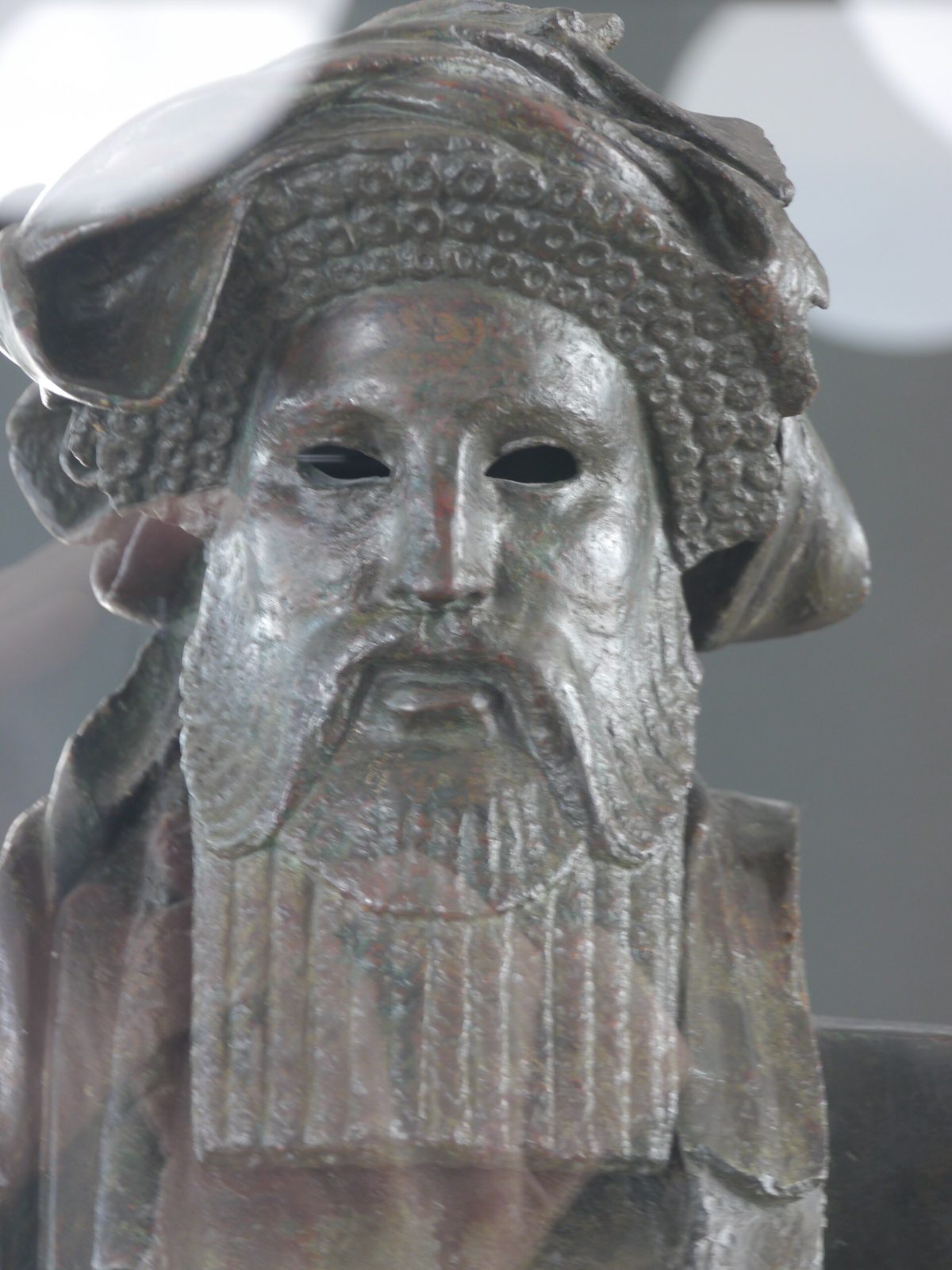
In 1907 Greek sponge divers off Mahdia in Tunisia found marble columns lying on the seabed 40 metres down. They marked the wreck of a ship that sank around 80 to 60 BC carrying Greek bronzes, marble and furniture to Italy, and launched underwater archaeology.
In 1907, Greek sponge divers working the seabed off Mahdia, on the east coast of Tunisia, came across marble columns lying on the seabed, about 40 metres down and some five kilometres from the shore. Reports reached Alfred Merlin, the director of antiquities in Tunisia, then a French protectorate, and from 1907 to 1913 he organised the salvage of the wreck using divers in heavy helmets and suits.
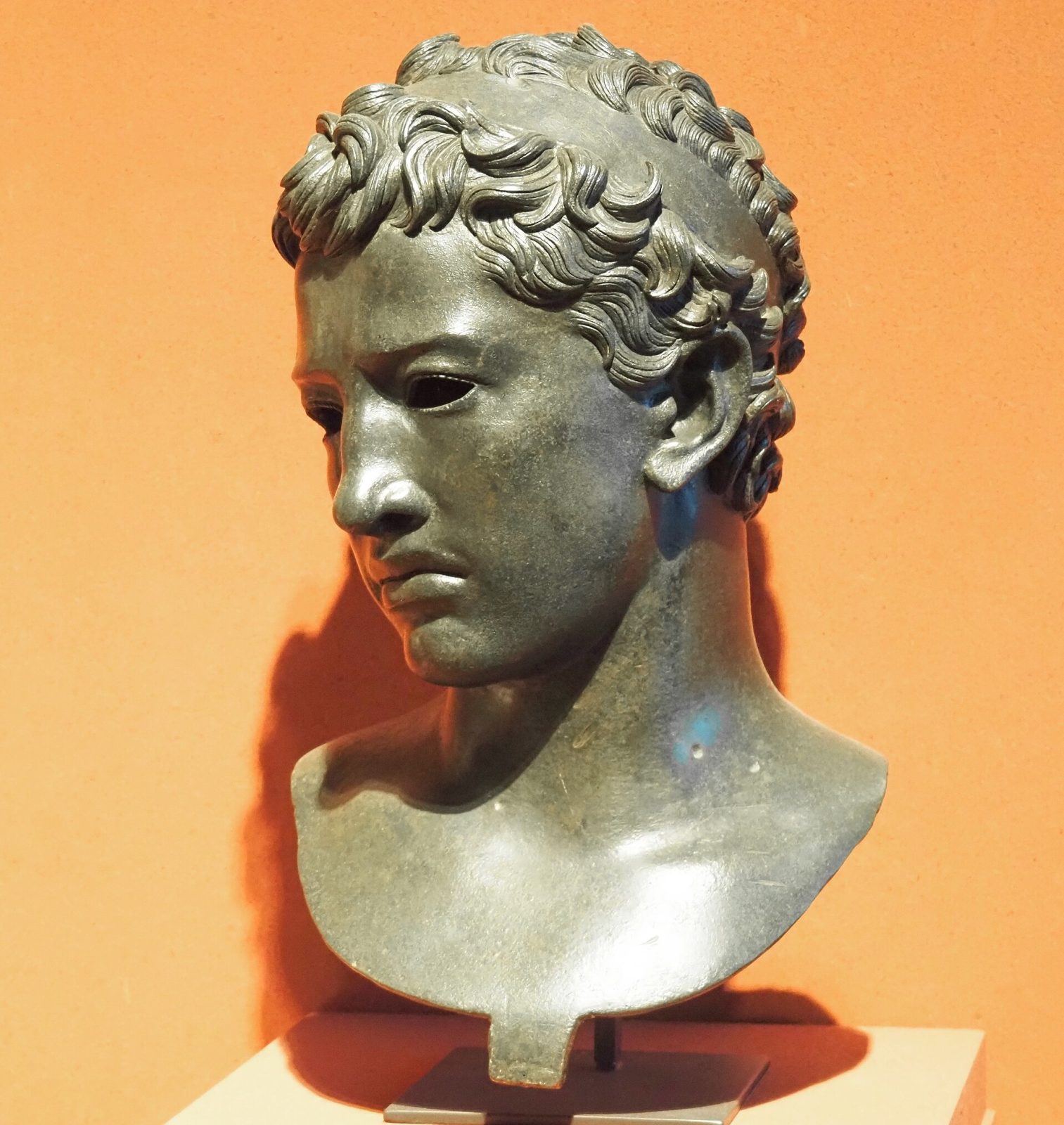
The ship, about 26 metres long, had been carrying a cargo of luxury goods, probably for wealthy buyers in Italy. There were around 70 marble columns, capitals and bases, with about 250 tonnes of stone in all, and marble kraters, huge mixing bowls decorated with scenes of Dionysus. There were the bronze fittings of at least 22 couches for dining. And there were bronze statues, among them a winged figure, two dancing dwarfs, and a herm, a pillar topped by a bearded head of Dionysus, signed by the sculptor Boethos of Chalcedon. Lead from the ship's anchors and ingots has been traced to mines in south-east Spain.
The ship sank around 80 to 60 BC. It was probably sailing from Athens to Italy. Some scholars have linked the cargo to the sack of Athens by the Roman general Sulla in 86 BC, but that is only a theory.
The wreck was not finished in 1913. In 1948 Jacques-Yves Cousteau and his team dived on it with aqualungs, the first archaeological excavation using scuba gear, and raised more columns. In the 1990s the finds were conserved at the Rheinisches Landesmuseum in Bonn, Germany, with Tunisian specialists. France's culture ministry calls 1907 the year zero of underwater archaeology. The Mahdia finds belong to the Bardo National Museum in Tunis, which reopened in 2023 after being closed since 2021.
Written for Global Finds from the French Ministry of Culture, the Oxford Roman Economy Project, the J. Paul Getty Museum and the American Journal of Archaeology (2026). Photo: the bronze herm of Dionysus by Boethos from the Mahdia wreck, in the Bardo National Museum, Lionel Scheepmans, Wikimedia Commons, CC BY-SA 4.0.
Approximate location35.53, 11.12View on map
Source: French Ministry of Culture