The Persepolis Foundation Tablets: Darius's gold and silver plates, buried with the world's earliest coins
Famous find About 515 BC, reign of Darius I · Found in 1933 See it on the timeline →
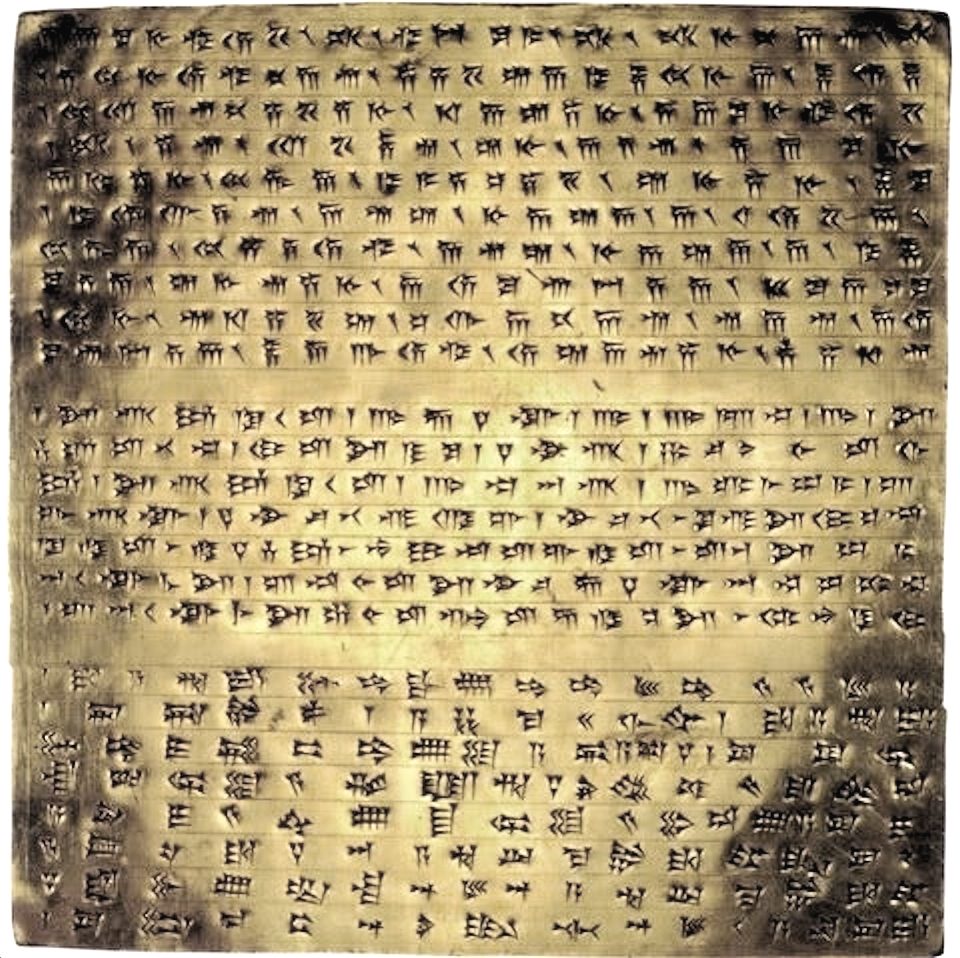
In September 1933 excavators at Persepolis in Iran found stone boxes under two corners of King Darius's great audience hall. Each held a gold and a silver tablet naming the extent of his empire, and beneath them lay some of the earliest coins ever found in a foundation deposit.
In September 1933, the Oriental Institute of the University of Chicago was excavating Persepolis, the great ceremonial capital of the Persian kings, in south-western Iran, under the direction of Ernst Herzfeld. The expedition's architect, Friedrich Krefter, suspected that the builders of the Apadana, the vast audience hall of King Darius I, had placed offerings under its corners. Digging beneath the north-east and south-east corners, his team found two carved stone boxes.
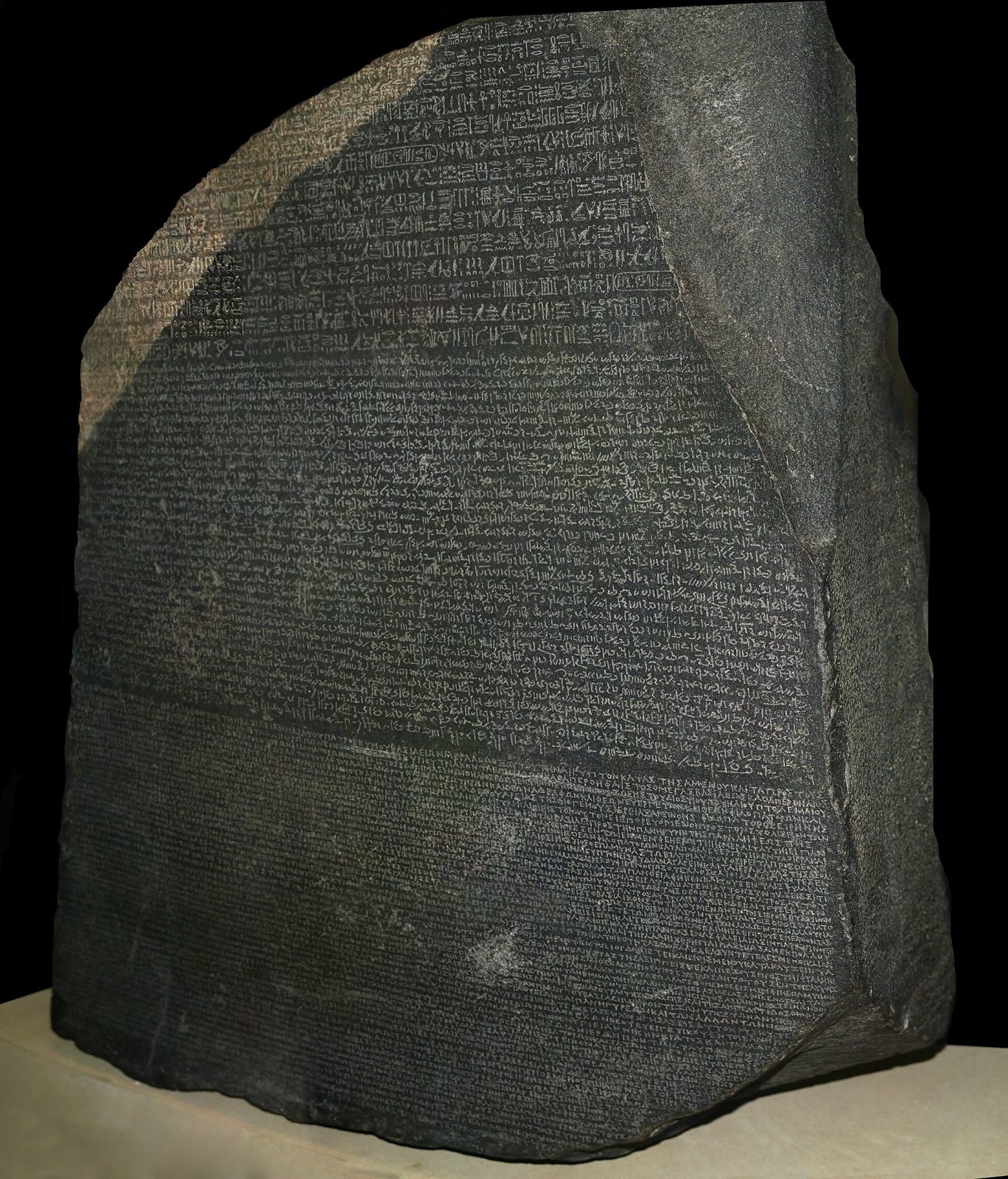
Each box held two tablets, one of gold and one of silver, each about 33 centimetres square. All four carry the same inscription in three languages, Old Persian, Elamite and Akkadian, written in cuneiform. In it Darius describes his kingdom as stretching from the Scythians beyond Sogdiana to Kush, and from Sind to Sardis: from Central Asia to Sudan, and from India to western Turkey.
Underneath the boxes lay coins: thirteen in all. Eight were gold staters of the type struck at Sardis in Lydia, the kingdom of Croesus, still fresh and unworn. With them were silver coins from Abdera and Aegina in Greece and from Cyprus, worn from use. The deposit was made around 515 BC, when the Apadana was begun, and it is one of the most important fixed points for dating the world's earliest coinage. It is also the first known use of coins in a foundation deposit in the Near East.
One gold and silver pair went to the National Museum of Iran in Tehran. The other pair was kept by the royal court and later passed to museum stores. According to Iranian press reports, its gold tablet went missing in the early 1980s, and an official admitted melting it down and selling the gold; he was jailed. The surviving tablets and most of the coins belong to the National Museum of Iran.
Written for Global Finds from A. Zournatzi (IranoHellenica, National Hellenic Research Foundation, and the American Journal of Numismatics, 2003), Harvard Art Museums, Livius.org and Entekhab. Photo: a foundation tablet of Darius I from Persepolis, public domain.
Approximate location29.93, 52.89View on map
Source: IranoHellenica (National Hellenic Research Foundation)