The Mercedes Treasure: 594,000 silver coins from a sunken Spanish frigate, won back in an American court
Famous find Sank on 5 October 1804 · Found in 2007 See it on the timeline →
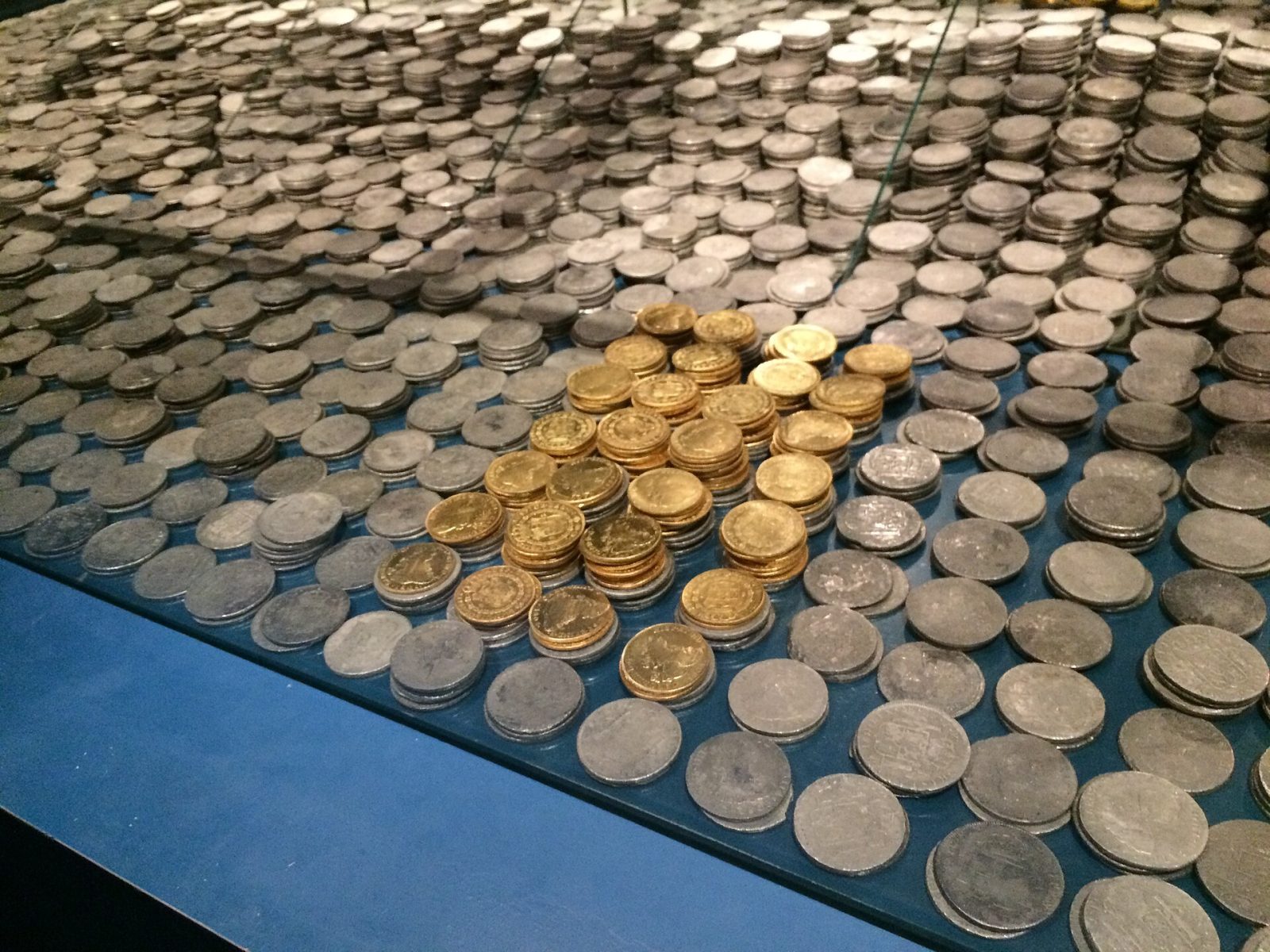
In 2007 a US salvage company raised about 594,000 coins from a Spanish frigate that blew up off southern Portugal in 1804 and flew them to Florida. Spain sued, the American courts ruled the wreck was still a Spanish warship, and in 2012 the treasure went home.
On 5 October 1804, a squadron of four Spanish frigates sailing from Montevideo to Cádiz with silver from South America was intercepted off Cape Santa Maria, on the southern coast of Portugal, by four British frigates. Spain and Britain were not at war. In the fighting, the magazine of the frigate Nuestra Señora de las Mercedes exploded, and she sank within minutes. Around 250 people died. Among them were the wife and seven of the children of the squadron's second-in-command, Diego de Alvear, who had moved to another ship and watched the explosion. Spain declared war on Britain that December.
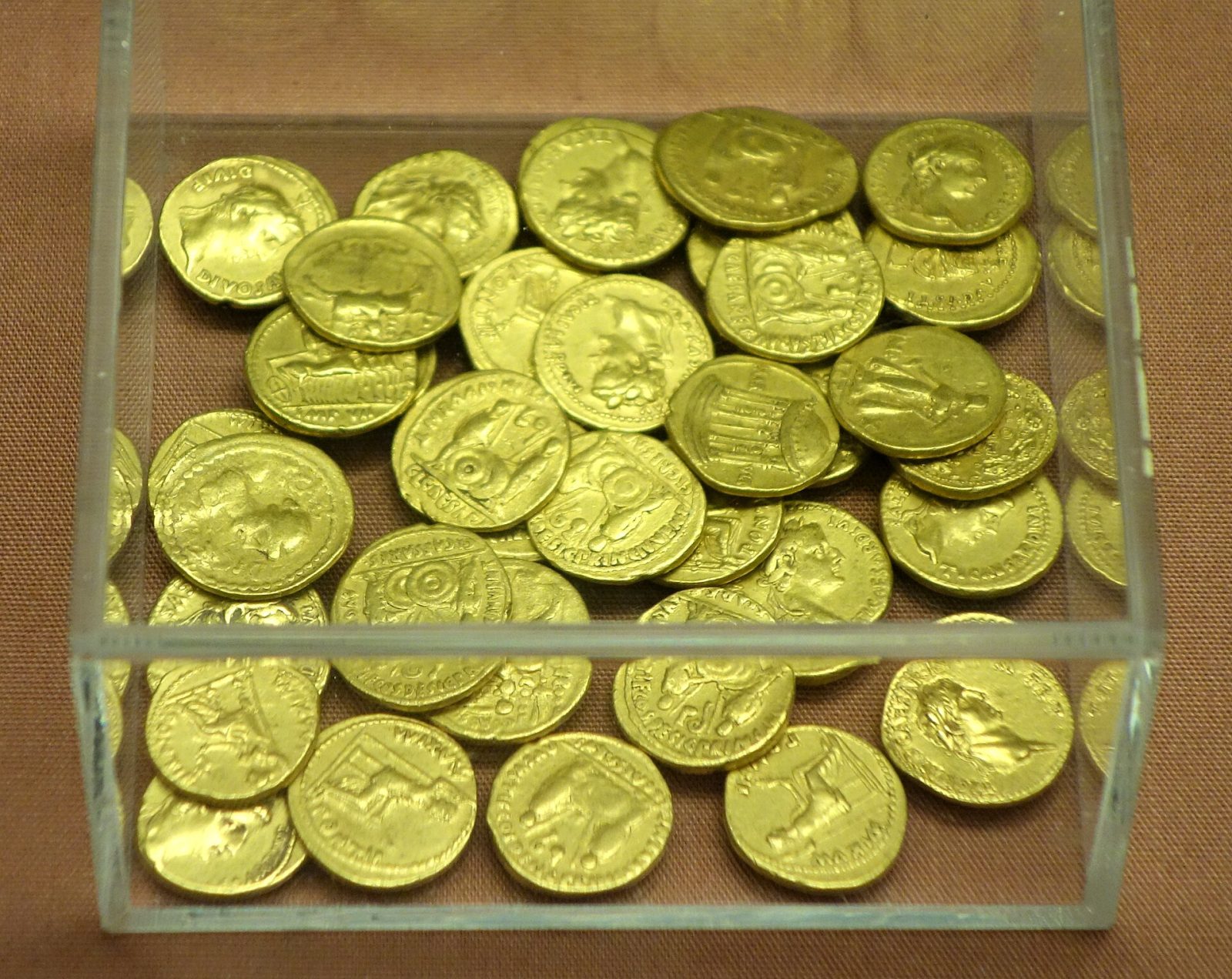
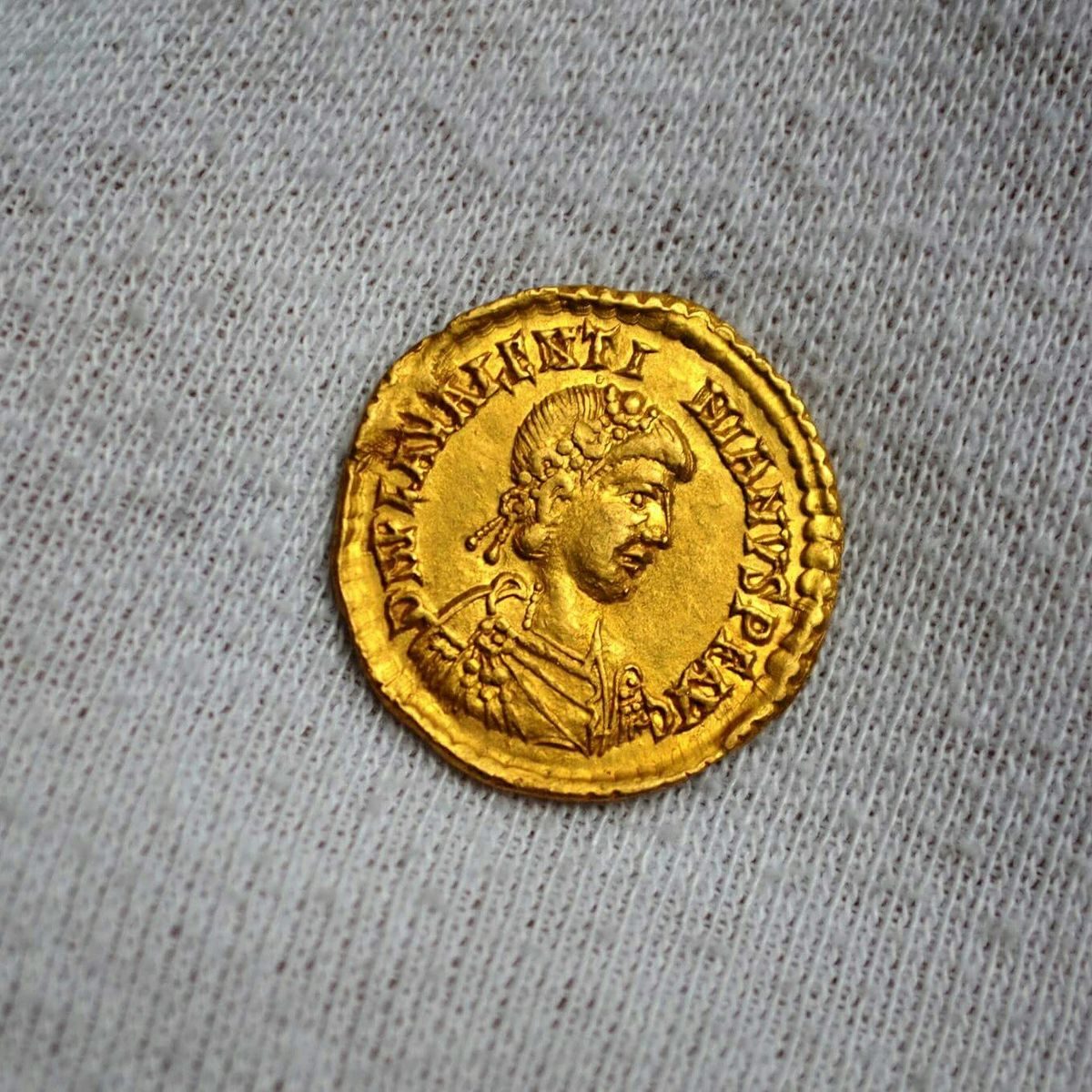
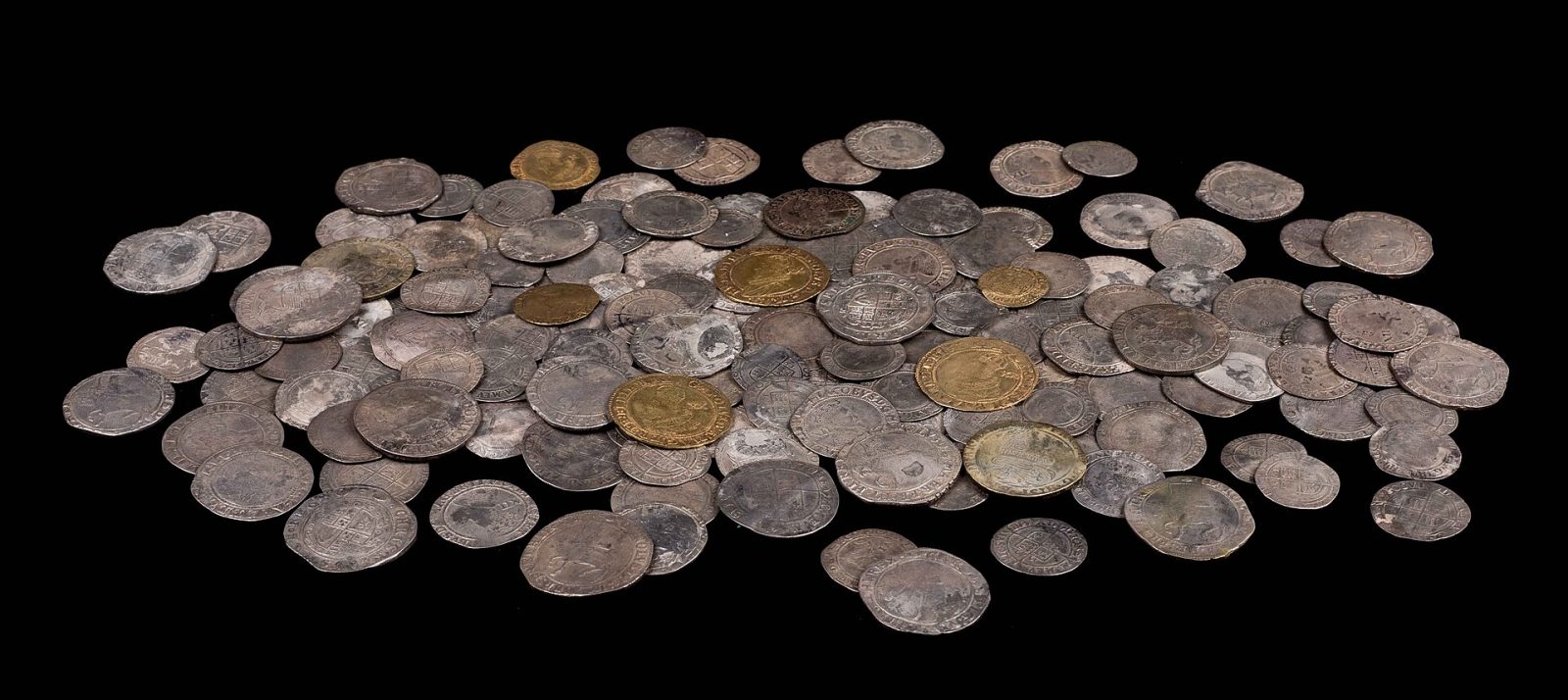
The Mercedes was carrying about 900,000 silver pesos and more than 5,000 gold coins, with copper and tin ingots and two old bronze cannon being sent home to be melted down. In March 2007 the American company Odyssey Marine Exploration found the wreck, which it code-named Black Swan, scattered across the seabed about 1,100 metres down, in international waters west of the Strait of Gibraltar. It recovered about 594,000 coins, almost all silver, minted in Lima and Bolivia, and in May 2007 flew them to the United States, claiming them in a Florida court.
Spain claimed the wreck, and the court case lasted five years. The judges ruled that the Mercedes was a Spanish state warship, and that a sunken warship remains the property of its nation and cannot be seized in American courts. The appeals court upheld the ruling in 2011, the Supreme Court declined to hear the case in 2012, and on 25 February 2012 two Spanish air force planes landed near Madrid carrying the coins, packed in hundreds of buckets.
Between 2015 and 2017 Spanish archaeologists returned to the wreck with the research ship Sarmiento de Gamboa, in what was described as the deepest archaeological excavation yet carried out in Europe, and raised the two cannon, cast in 1586 and 1601. The Mercedes collection is held by Spain's National Museum of Underwater Archaeology, ARQUA, in Cartagena, and from September 2026 to March 2027 thousands of its coins are on show in an exhibition in Cádiz.
Written for Global Finds from the US Court of Appeals for the Eleventh Circuit (2011), Spain's National Museum of Underwater Archaeology (ARQUA), the Spanish Government (2017) and Associated Press (2012). Photo: gold and silver coins from the Mercedes on exhibition at the Archivo General de Indias, Seville, Hispalois, Wikimedia Commons, CC BY-SA 4.0.
Approximate location36.70, -7.70View on map
Source: ARQUA, National Museum of Underwater Archaeology (Spain)