The Bitterley Hoard: Civil War silver in a leather purse, saved because the detectorist stopped digging
Famous find Buried about 1643, during the Civil War · Found in 2011 See it on the timeline →
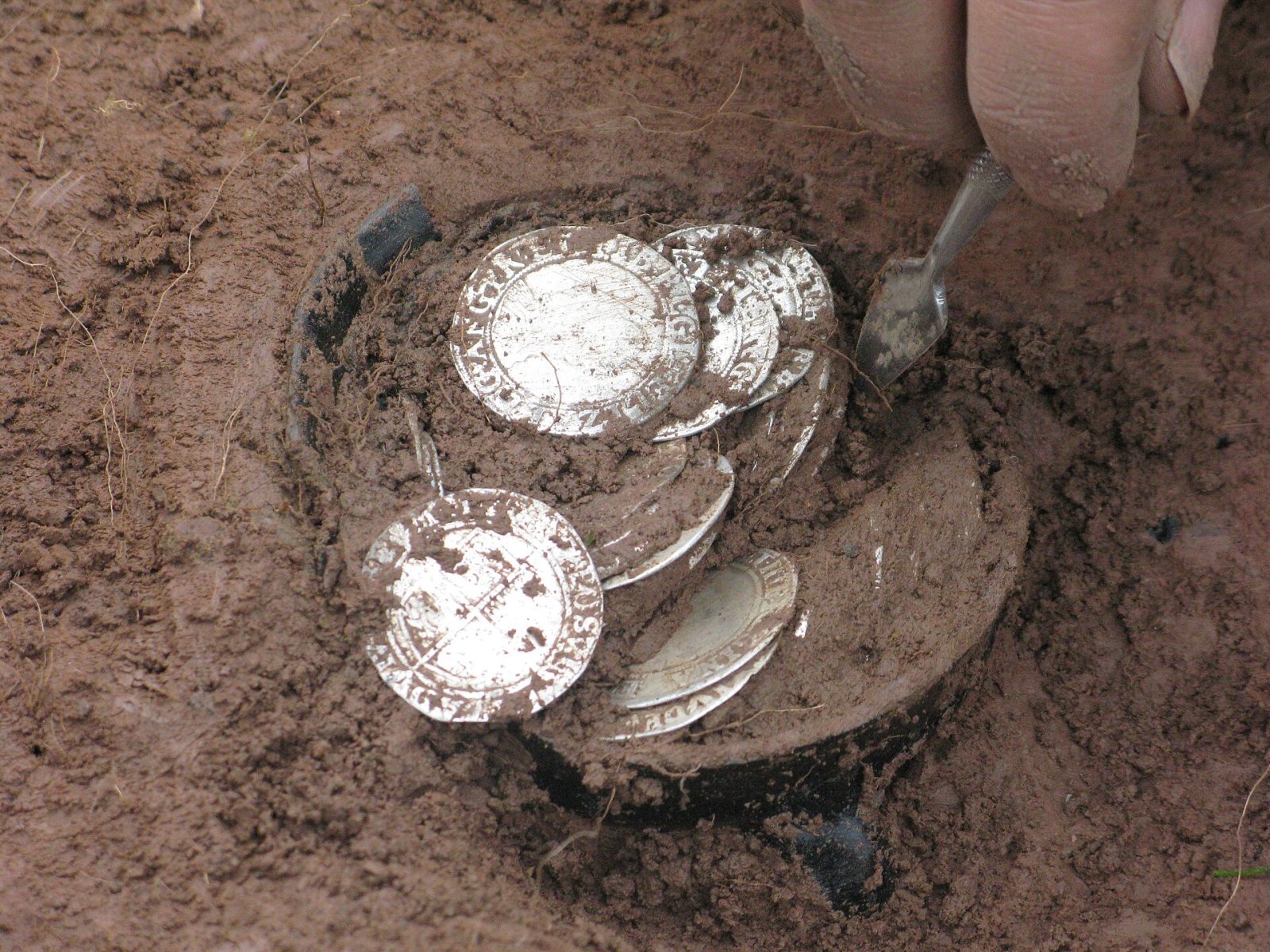
In February 2011 metal detectorist Howard Murphy found the top of a pot full of silver coins on farmland near Bitterley in Shropshire, and stopped to call the Finds Liaison Officer. Inside a four-handled cup were 138 coins in a leather purse, hidden during the Civil War.
On 17 February 2011, metal detectorist Howard Murphy was searching farmland near the village of Bitterley, in south Shropshire, when he uncovered the top of a pot packed with silver coins. Instead of digging it out, he stopped and reported it to the Finds Liaison Officer, Peter Reavill. Six days later Reavill and his colleague Tom Brindle excavated the find with Murphy and the farmer, lifting it in a block of soil so that conservators at the British Museum could take it apart in the laboratory.
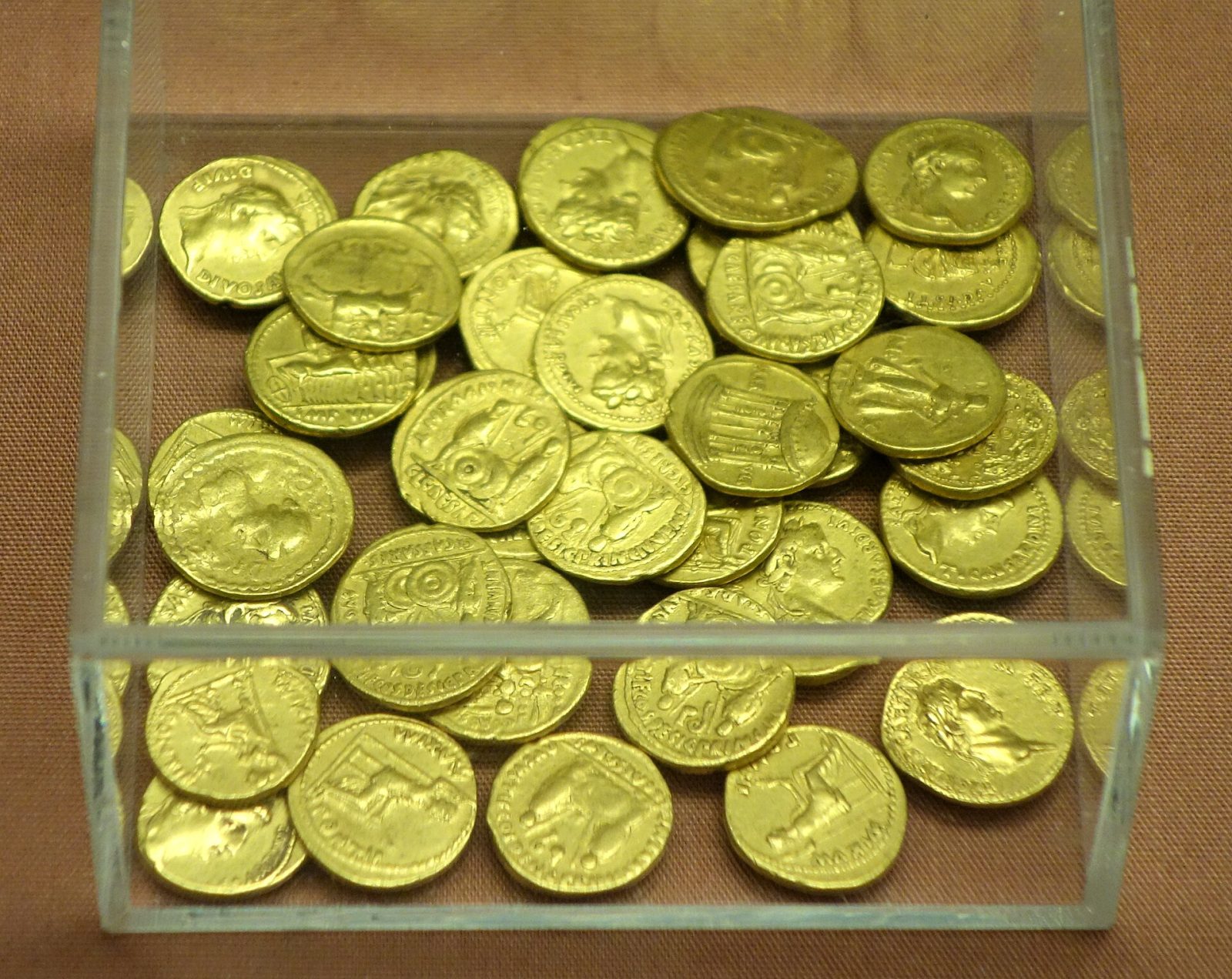
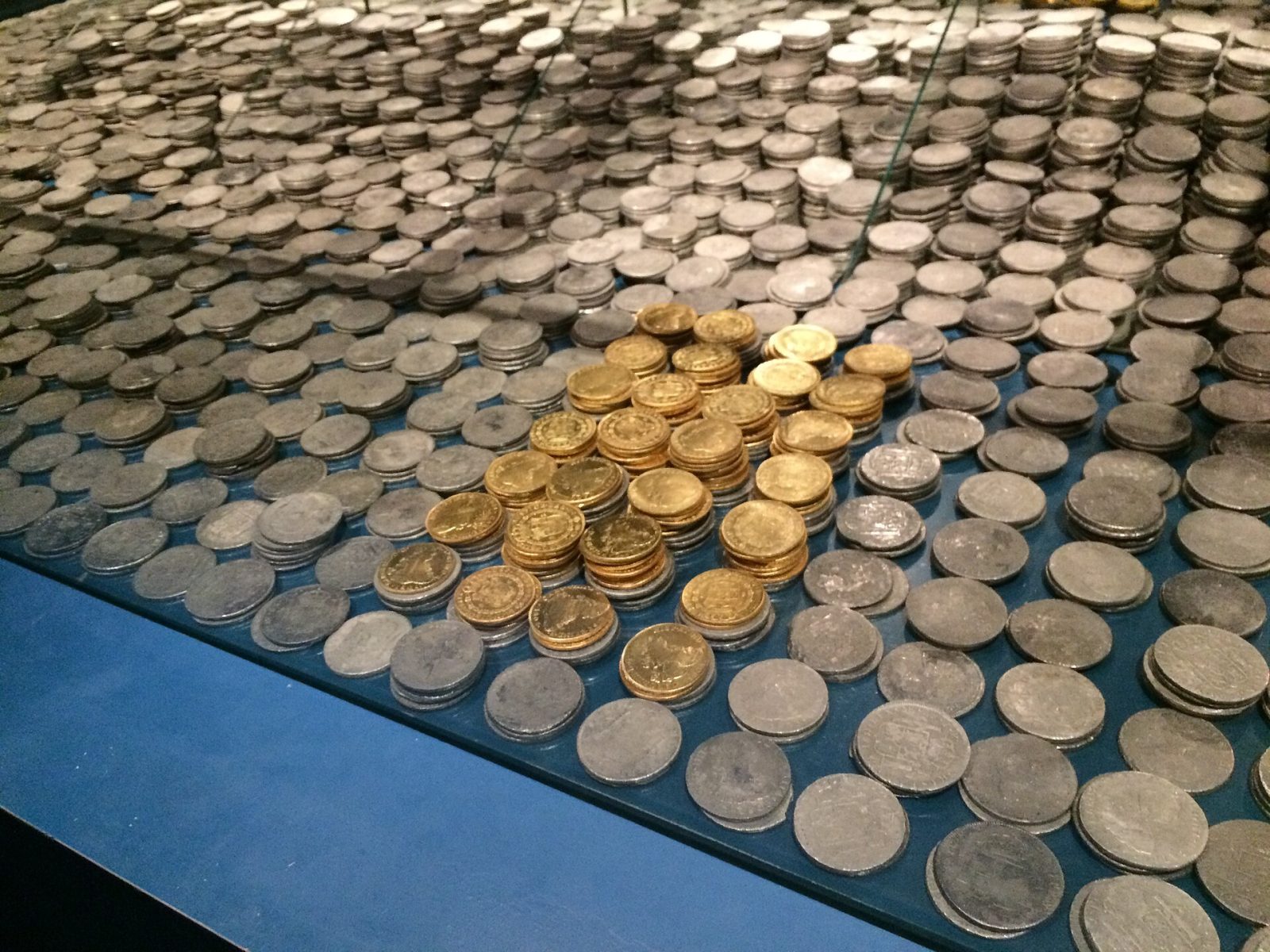
The container was a small black-glazed earthenware drinking cup with four handles, of the kind called a tyg, 88 millimetres across the rim. Lining the cup were the remains of a fine leather purse, and inside it were 138 coins, one of gold and 137 of silver. They span about ninety years, from a shilling of Edward VI to half-crowns of Charles I, and include 46 shillings of Elizabeth I, a gold Britain crown of James I and two Scottish coins. Their face value was £9 11s 6d.
Every coin is a shilling or larger; there is not a single sixpence, so the owner seems to have picked out the bigger coins on purpose to store their savings. The latest is a half-crown dated 1643 from the Bristol mint, which struck coins for the King after Prince Rupert captured the city in July 1643. The coin expert Edward Besly has suggested that the hoard was buried in the late summer or autumn of 1643, in the middle of the Civil War, though Shropshire Council's announcement put it after March 1644. Whoever hid it never came back.
The hoard was declared Treasure in 2012 and is now on permanent display at Ludlow Museum at the Buttercross, in Ludlow, which shows collections owned by Shropshire Museums.
Written for Global Finds from Shropshire Council (2012 and 2018), the British Museum and Portable Antiquities Scheme treasure report, and Ludlow Museum. Photo: the Bitterley Hoard in its cup during excavation, Portable Antiquities Scheme, Wikimedia Commons, CC BY 2.0.
Approximate location52.39, -2.64View on map
Source: Shropshire Council