Llanbedrgoch: coins and weights found by two detectorists led to a Viking-age trading centre in Wales
Famous find 9th and 10th centuries AD (Viking Age) · Found in 1989 See it on the timeline →
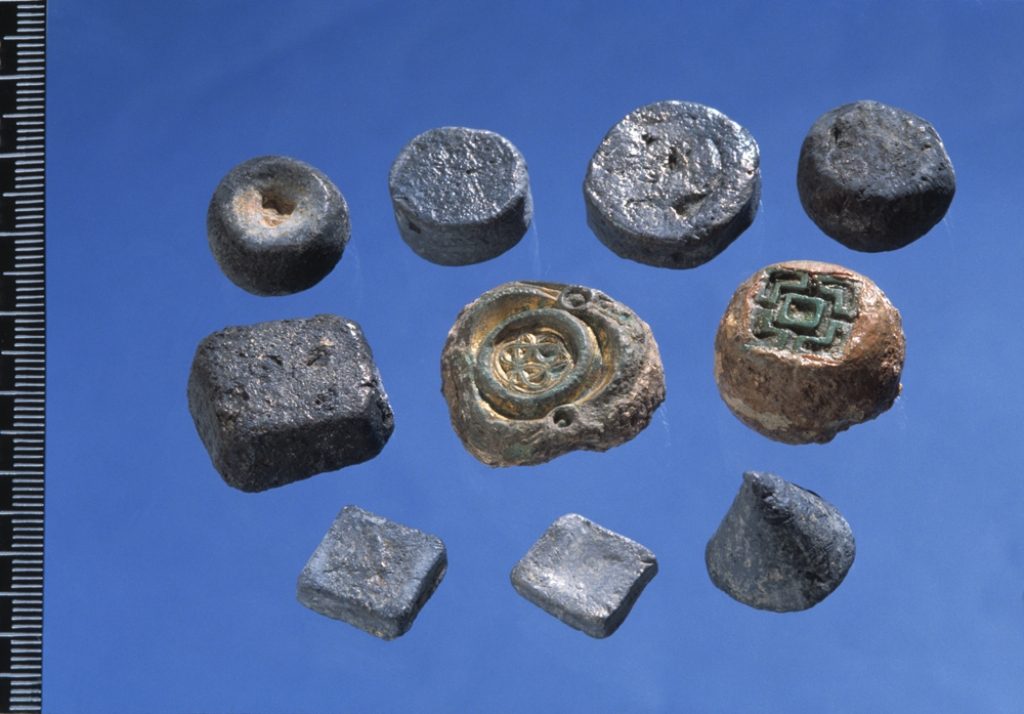
Between 1989 and 1993 two metal detectorists searching fields at Llanbedrgoch on Anglesey found early medieval coins and lead weights and reported them to the National Museum of Wales. Excavation revealed a trading centre unique in Wales, full of hacksilver.
Between 1989 and 1993, two metal detectorists, Archie Gillespie and P. Corbett, searched the fields around Glyn farm at Llanbedrgoch, in eastern Anglesey, north Wales. Among their finds were silver pennies of the 8th and 9th centuries, including one of Cynethryth, wife of King Offa of Mercia, and another of Archbishop Wulfred of Canterbury, coins of the Frankish emperors Louis the Pious and Charles the Bald, and lead weights of a Viking type. They reported them to the National Museum of Wales, which bought the early finds and sent the archaeologist Mark Redknap to investigate.
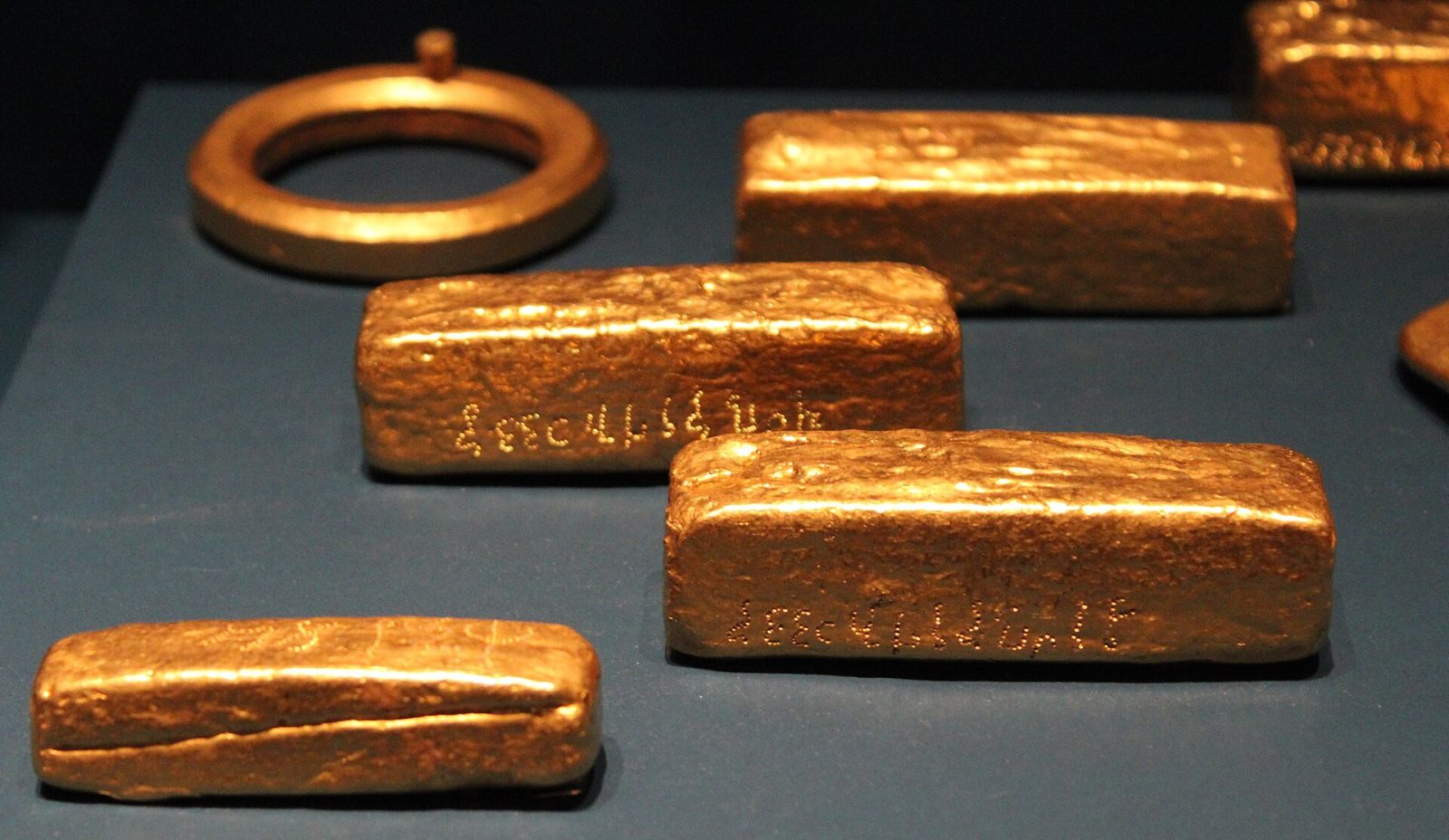
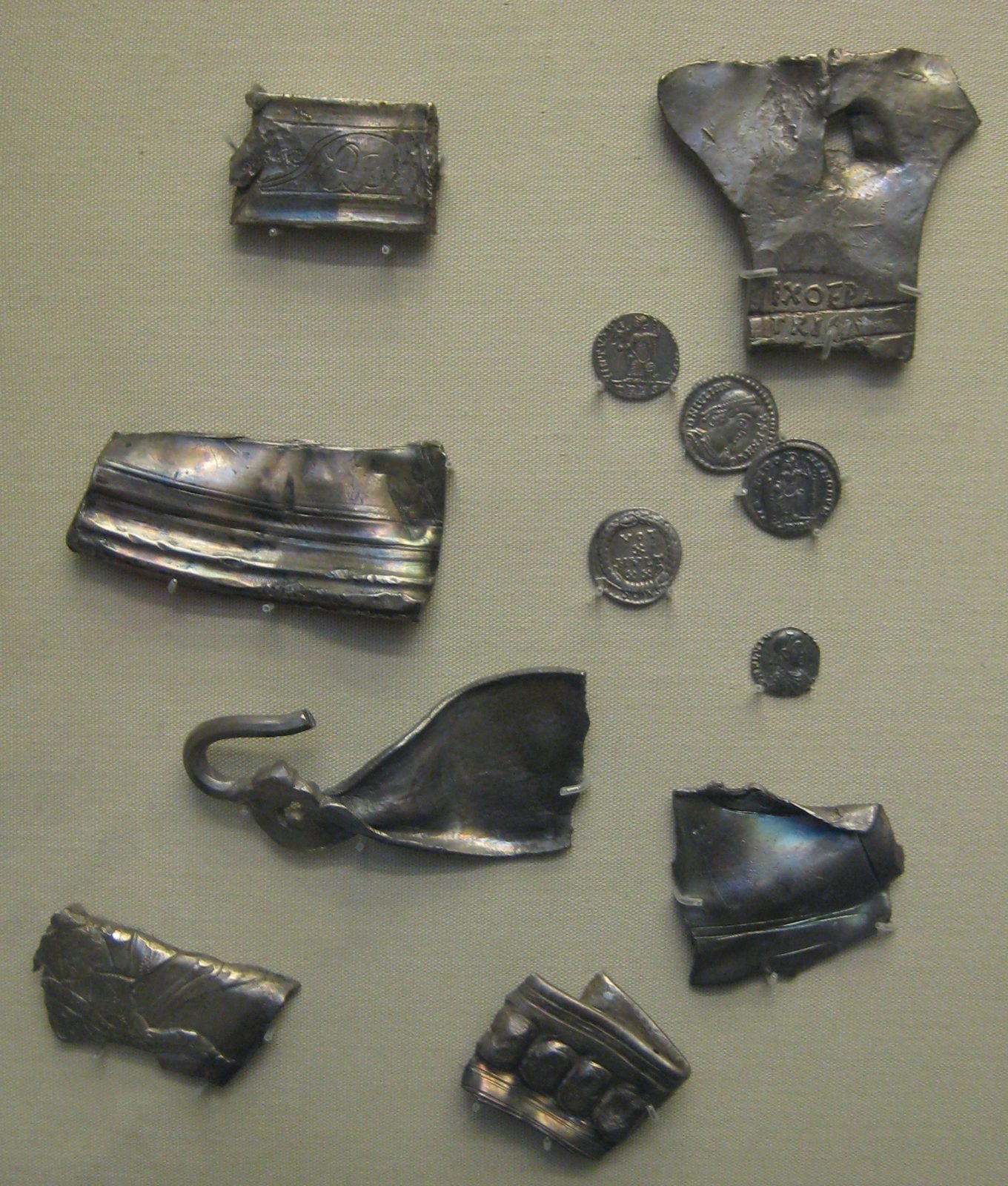
Redknap's excavations began in 1994 and ran for ten seasons, to 2012. They revealed a farm, founded around the 540s, that grew into a settlement surrounded by a stone rampart more than two metres thick, and by the 10th century had become a trading centre for the kingdom of Gwynedd. Its people were dealing in silver by weight. The excavators found hacksilver, chopped-up ingots, arm-rings and sheet silver weighing from a third of a gram to a few grams, some with test cuts scratched into them to check that they were not plated fakes. There were fragments of Islamic silver dirhams, Northumbrian coins, silver casting waste, brooches, pins and moulds, and the largest group of early medieval weights found anywhere in Wales, two of them topped with gilt or enamel. The settlement also had burials, and scientific analysis suggests that some of the men buried there had grown up in north-west Scotland or Scandinavia, not on Anglesey.
Llanbedrgoch is the only site of its kind known in Wales, and it shows a place where traders from around the Irish Sea met. Redknap's full report was published in 2026. Some of the finds, including a coin of Louis the Pious and a decorated weight, are on display at St Fagans National Museum of History near Cardiff.
Written for Global Finds from Current Archaeology (via The Past), Amgueddfa Cymru – Museum Wales, M. Redknap's From Farm to Viking-Age Trading Centre (Oxbow, 2026) and HeritageDaily (2012). Photo: lead weights from Llanbedrgoch, Portable Antiquities Scheme, Wikimedia Commons, CC BY 2.0.
Approximate location53.31, -4.23View on map
Source: The Past (Current Archaeology)