The Tealby Hoard: 6,000 pennies of Henry II, ploughed up in 1807 and mostly melted down for the war
Famous find Buried in the mid-1170s · Found in 1807 See it on the timeline →
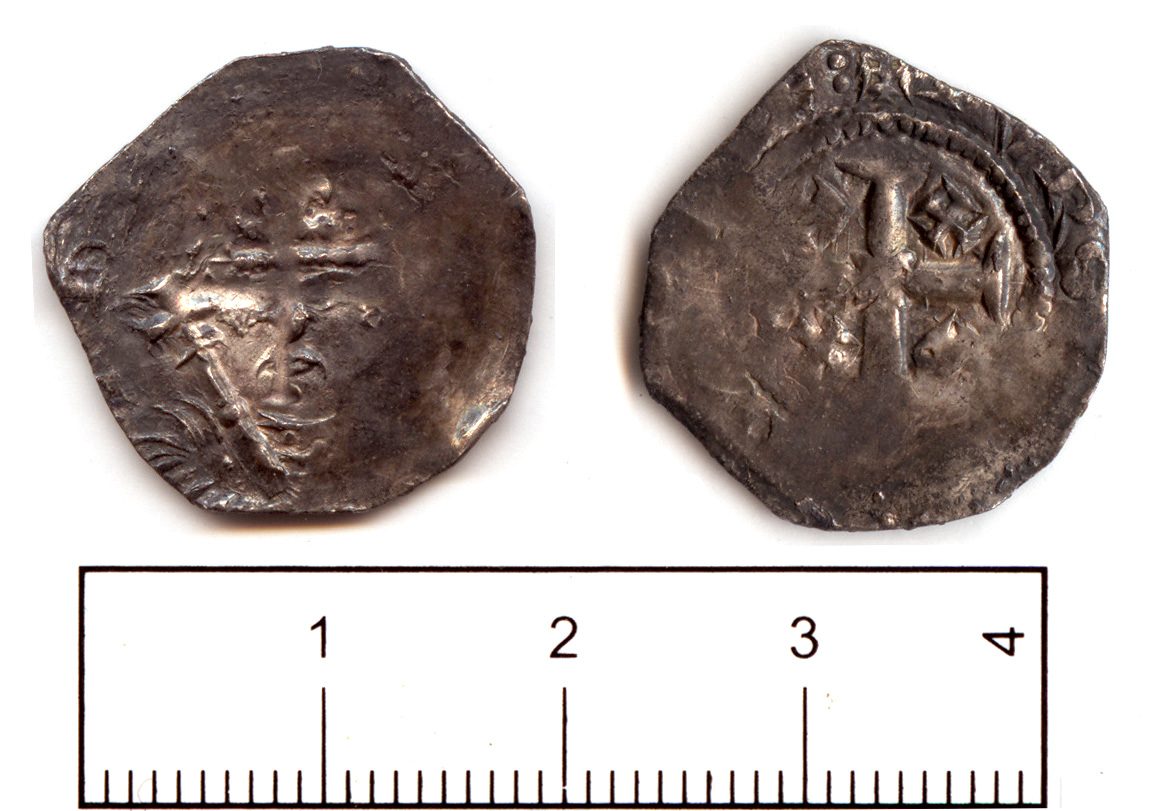
In 1807 a ploughman near Tealby in Lincolnshire turned up a pot holding about 6,000 silver pennies of Henry II. More than 5,000 were melted down at the Tower mint, but the hoard gave its name to the whole coin type, still known to detectorists as 'Tealby' pennies.
In late October or early November 1807, a man ploughing a field near Tealby, on the Lincolnshire Wolds about three miles north-east of Market Rasen, turned up a pot full of silver coins. The land belonged to George Tennyson, grandfather of the poet Alfred Tennyson, and the Stamford Mercury reported the find on 6 November. Accounts differ on exactly where it lay, beside a mound or next to a road crossing the field.
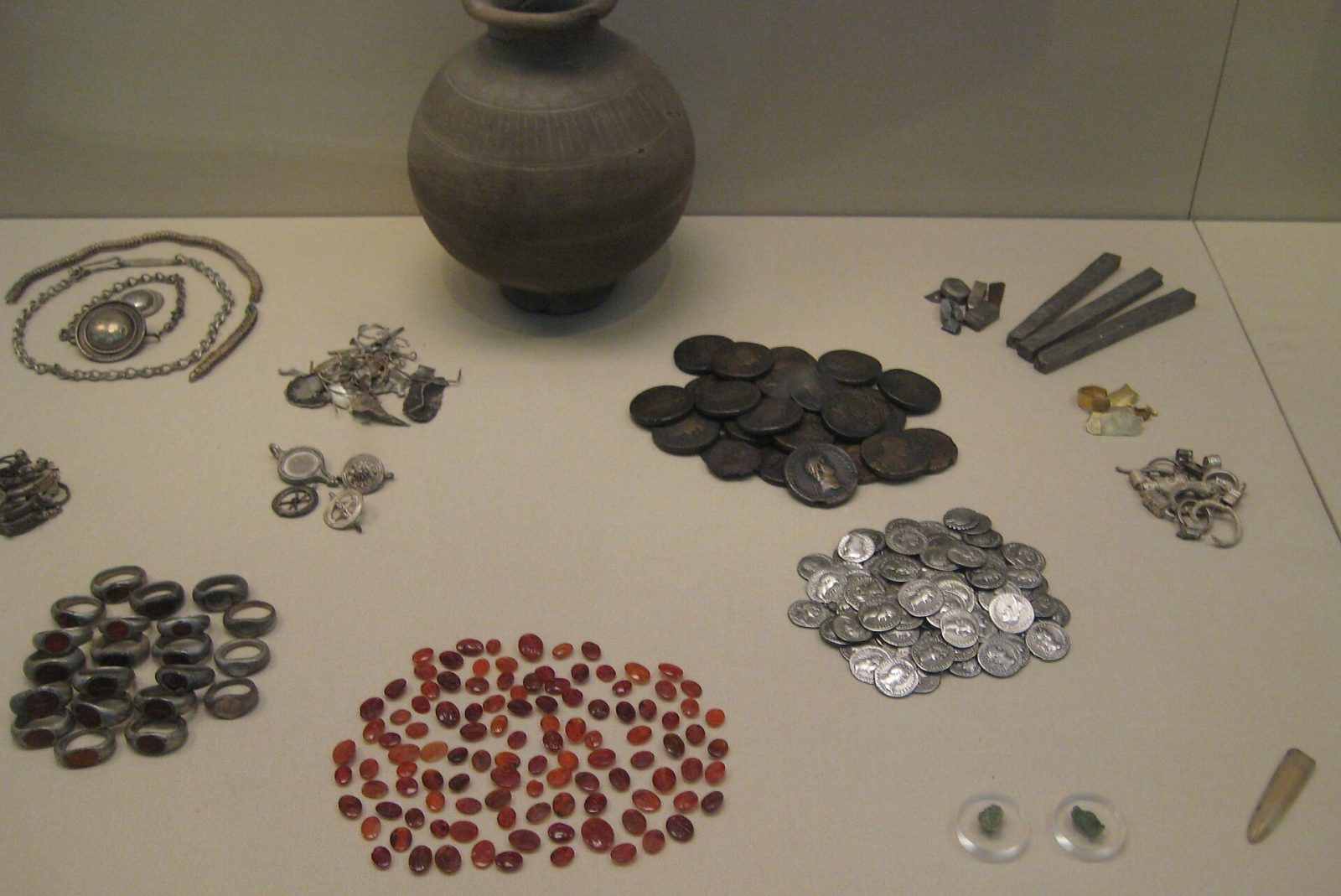
The pot held about 6,000 silver pennies of Henry II, all of the type with a cross and small crosses that numismatists call "cross and crosslets", struck at mints across England. Coins of this type are about 19 millimetres across and weigh about 1.4 grams, and they were often badly struck on ragged, uneven blanks; the curator Antony Lee calls them "arguably the worst quality coins issued in English history". The container is believed to have been a misshapen Roman grey-ware storage jar of the 2nd or 3rd century, probably made in the kilns at Market Rasen, so the coins may have been hidden in a pot that was already some 900 years old, though Lee notes some doubt about that.
The type was introduced in 1158, or by some accounts 1156, and replaced by the Short Cross coinage in 1180, and the hoard was buried in the mid-1170s. Why it was never recovered is unknown. The find was so large that it gave its name to the whole coinage: collectors and detectorists still call these coins "Tealby" pennies.
Tennyson passed the coins to the naturalist Sir Joseph Banks, and the best went to Banks, the British Museum, the Royal Mint and private collectors. The rest, 5,127 coins, were melted down at the Tower mint, at a time when Britain was at war with Napoleon and short of silver. The pot stayed with the Tennyson family until it was given to the museum in Lincoln in 1956.
Written for Global Finds from the Lincolnshire Historic Environment Record, A. Lee (Roman Lincolnshire Revealed, 2018), T. Combe in Archaeologia (1817) and Hampshire Cultural Trust. Photo: a Tealby-type penny of Henry II struck at Lincoln, recorded with the Portable Antiquities Scheme (not from the Tealby Hoard), Sussex Archaeological Society, Laura Burnett, Wikimedia Commons, CC BY-SA 4.0.
Approximate location53.39, -0.23View on map