The Kronan: a Swedish flagship that blew up in battle, and Sweden's biggest gold-coin find on the seabed
Famous find Sank on 1 June 1676 · Found in 1980 See it on the timeline →
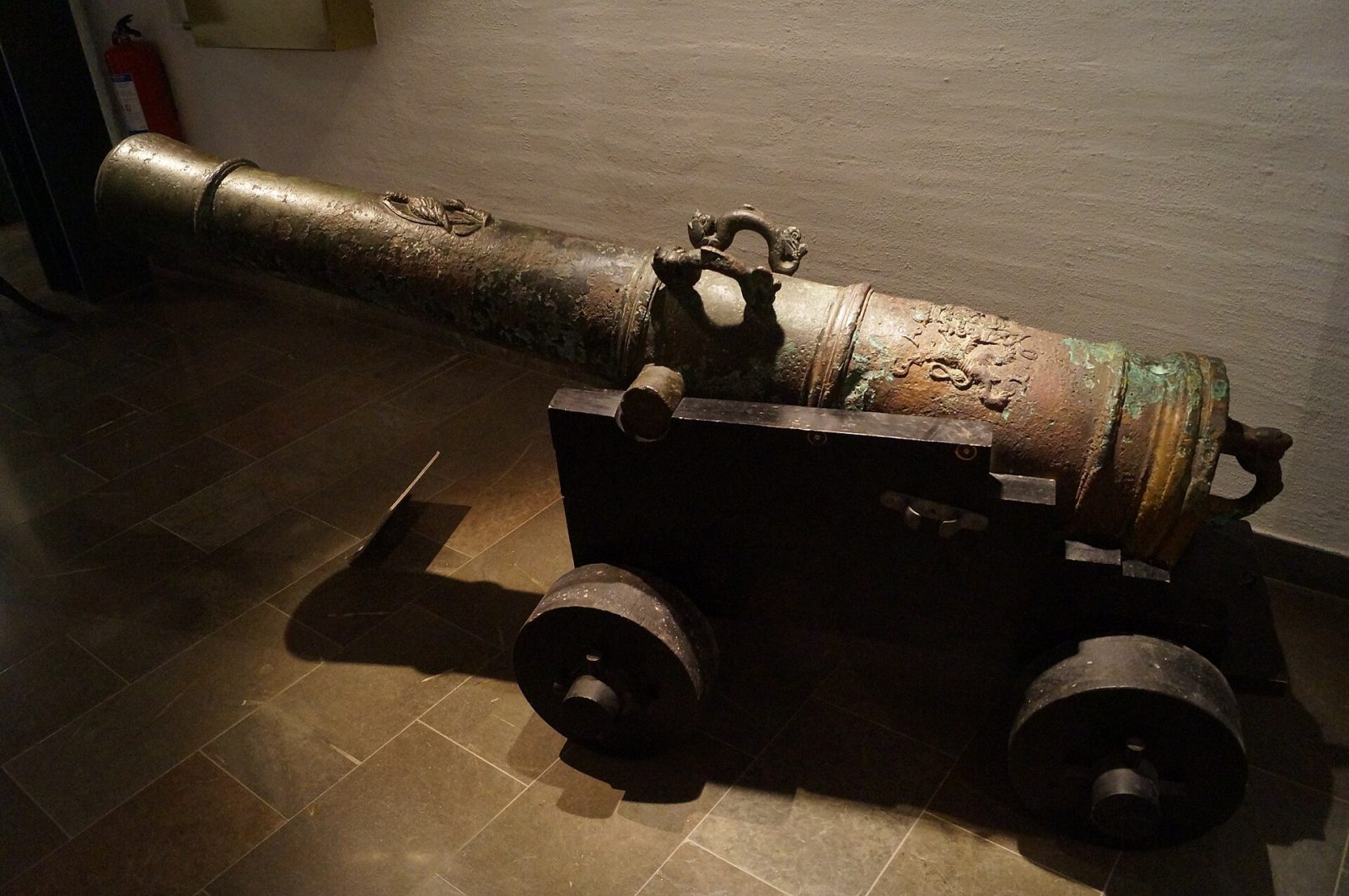
The Swedish flagship Kronan exploded and sank off Öland during a battle in June 1676, taking about 800 men with her. Anders Franzén found the wreck in 1980, and divers have since raised over 40 bronze cannons and some 255 gold coins, Sweden's largest gold-coin find.
Around noon on 1 June 1676, during the Battle of Öland against a Danish and Dutch fleet, the Swedish flagship Kronan turned under too much sail and heeled over. Her forward powder magazine exploded, blowing away much of the bow, and she sank off the south-east coast of Öland. About 800 men died, among them Admiral Lorentz Creutz; only about 40 survived. Kronan was about 53 metres long and carried more than 100 guns, one of the largest warships of her day. Sixty guns were salvaged with diving bells between 1679 and 1686, and then the wreck was forgotten.
Anders Franzén, who had found the Vasa in 1956, searched for Kronan for nearly thirty years, first by dragging and then with sidescan sonar and a magnetometer. In August 1980 his team sent cameras down and photographed the wreck, 26 metres deep, about six kilometres off the coast near Hulterstad.
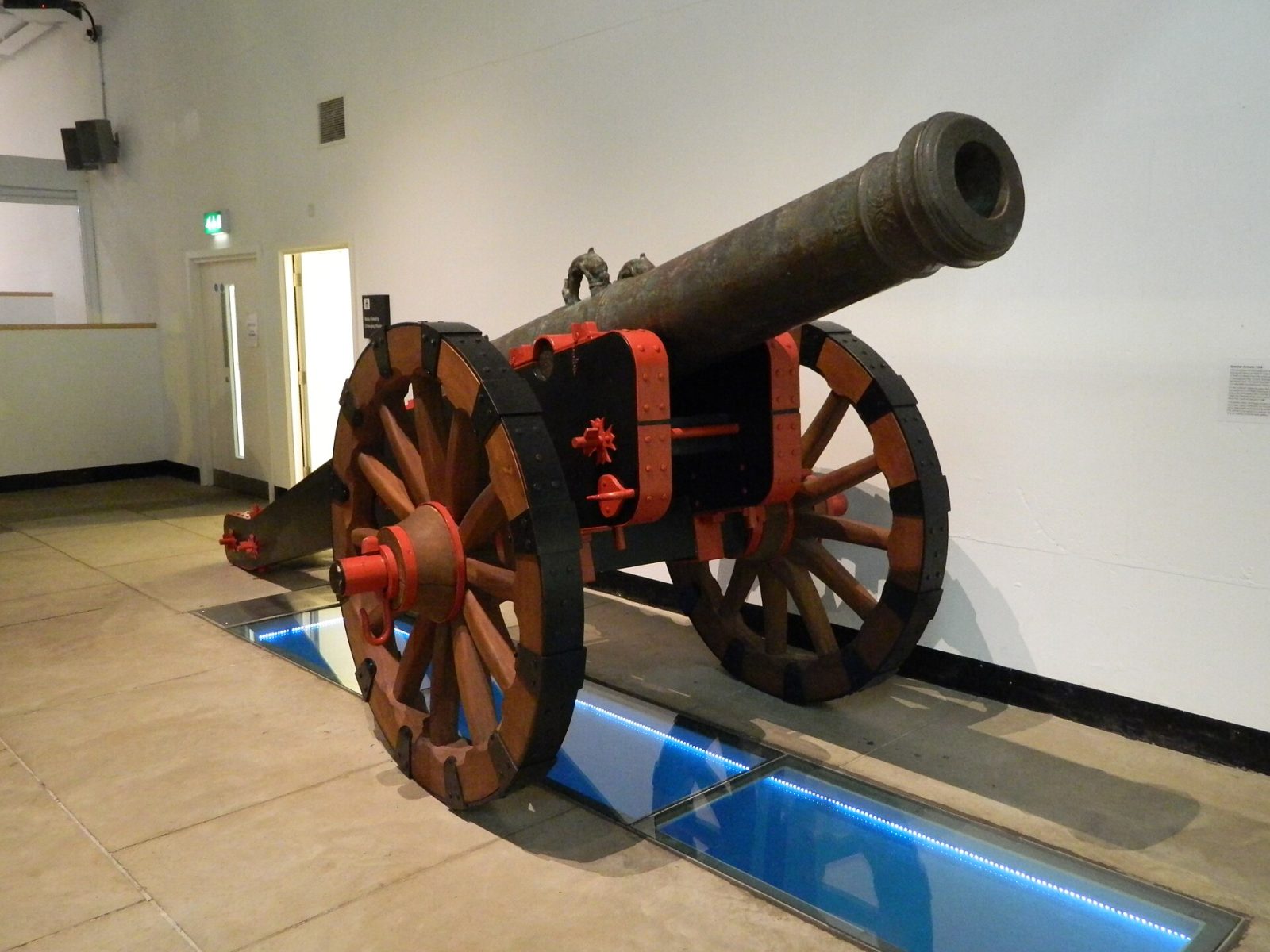
Excavation began in 1981 and has continued every summer since, which Kalmar läns museum calls the longest-running marine archaeological investigation in the world. Divers have raised more than 30,000 objects, including nearly 18,000 coins. In 1982 they found over 250 gold coins, mostly ducats, from mints as far apart as Cairo, Tallinn and Seville. It is the largest find of gold coins ever made in Sweden, and it is thought to have been the admiral's own money. More ducats followed in 2000, and large silver hoards in 1989, 2005 and 2006, the 2005 hoard alone holding some 6,200 coins of 1675. More than 40 bronze cannons, the largest closed find of bronze guns in the world, include a 36-pounder of 1659 weighing about 3.6 tonnes and bearing the cipher of King Karl X Gustav. There are navigational instruments, a trumpet, a gold spoon and, raised in 2016, a tin of 340-year-old cheese.
The wreck and its finds belong to the Swedish state. They are displayed at Kalmar läns museum in Kalmar, which is marking the 350th anniversary of the sinking in 2026.
Written for Global Finds from Kalmar läns museum, Visit Kalmar (2021) and The History Blog (2016). Photo: bronze cannons from the Kronan in Kalmar läns museum, Jopparn, Wikimedia Commons, CC BY-SA 4.0.
Approximate location56.45, 16.67View on map
Source: Kalmar läns museum