The Nanking Cargo: Chinese porcelain and gold from a sunken Dutch ship, sold off with no record of the wreck
Famous find Porcelain made about 1750; the ship sank in January 1752 · Found in 1985 See it on the timeline →
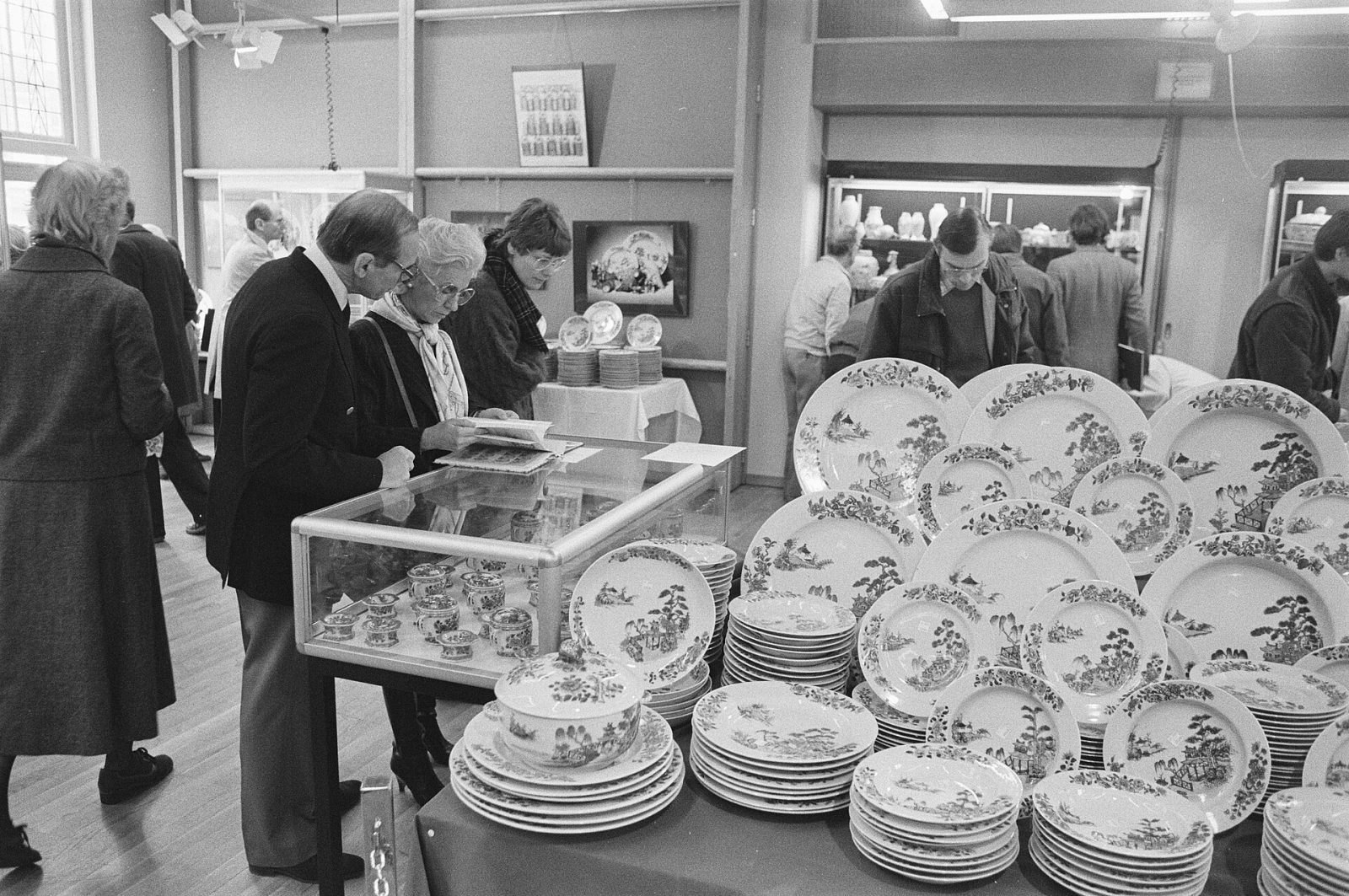
In January 1752 the Dutch ship Geldermalsen sank in the Riau islands of Indonesia with tea, porcelain and gold. In 1985 a salvor raised about 150,000 pieces of porcelain and 125 gold ingots, destroyed the rest, and sold the finds at Christie's in 1986 for more than £10 million.
On the evening of 3 January 1752, the Dutch East India Company ship Geldermalsen, homeward bound from Canton with tea, silk, porcelain and gold, struck a reef southwest of Batam in the Riau islands, south of Singapore, and sank soon after midnight. About 80 men drowned, and 32 reached Batavia in two boats. Built in 1747 and about 46 metres long, she carried a cargo valued at almost 715,000 guilders, including some 687,000 pounds of tea and 203 chests of porcelain.
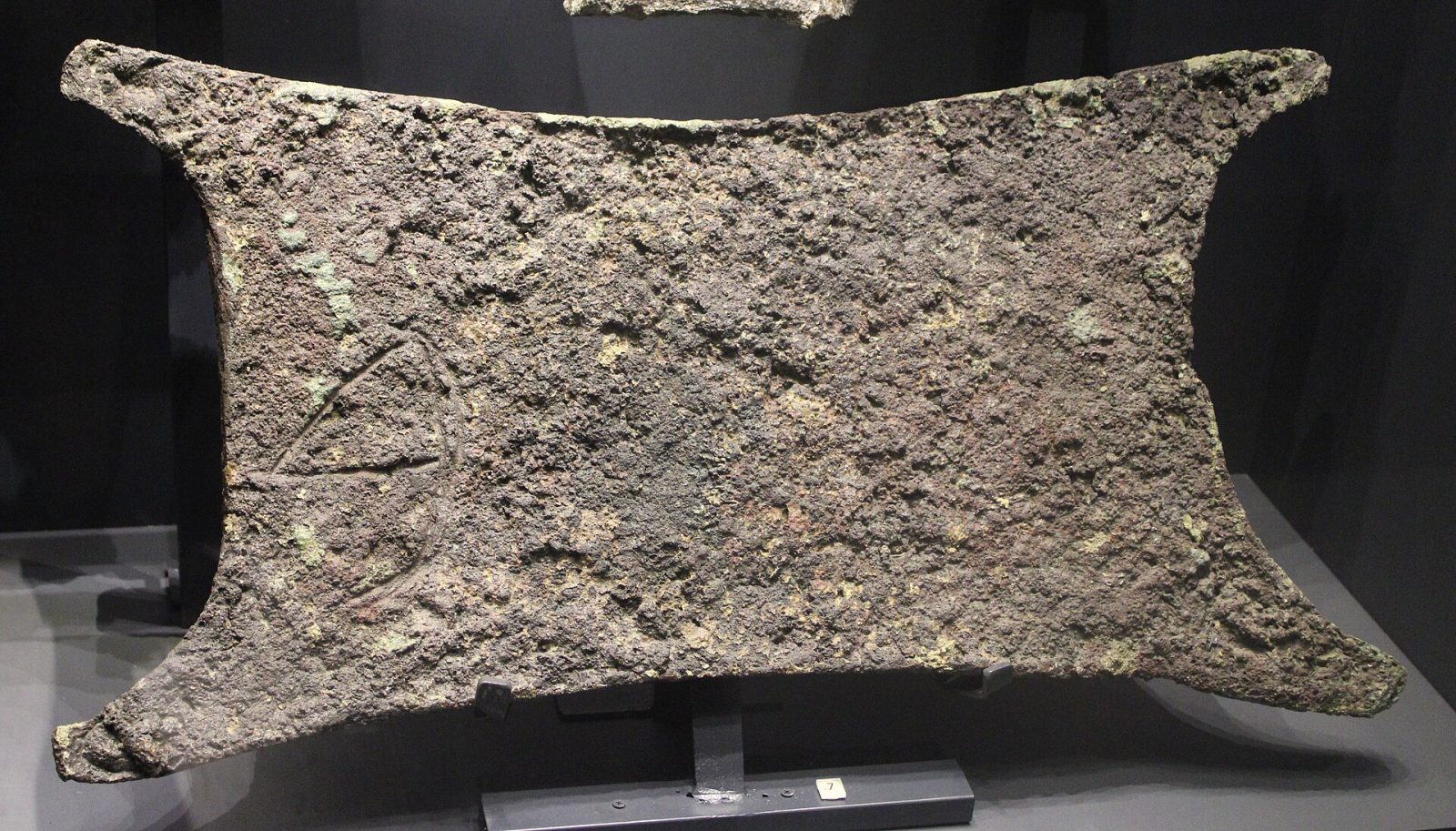
In 1985 the British salvor Michael Hatcher, with his partner Max de Rham, located the wreck; Dutch sources date the discovery to 1984. They raised about 150,000 pieces of blue-and-white porcelain made at Jingdezhen and 125 Chinese gold ingots, long bars and boat-shaped "Nanking shoe" ingots. The porcelain had been stowed low in the hold as ballast, with the far more valuable tea chests above it, and the tea had swollen in the seawater and cushioned the china.
There was no archaeological recording. The hull and everything that could not be sold were destroyed, and archaeologists widely condemned the salvage. The finds were sold by Christie's in Amsterdam from 28 April to 2 May 1986 as "The Nanking Cargo", in about 2,800 lots, raising more than £10 million. Indonesia, in whose waters the wreck lay, received nothing, and the case is often said to have spurred the country's rules on wreck cargoes in 1989.
The cargo is now scattered through the art market and in collections such as Te Papa in New Zealand and the Groninger Museum in the Netherlands, and gold ingots from the wreck still appear at auction.
Written for Global Finds from the Cultural Heritage Agency of the Netherlands (Maritime Stepping Stones), Te Papa Tongarewa and Inside Indonesia (2016). Photo: Nanking Cargo porcelain on view before the Christie's sale in Amsterdam, April 1986, Anefo, Wikimedia Commons, CC0.
Approximate location0.85, 104.15View on map
Source: Cultural Heritage Agency of the Netherlands (Maritime Stepping Stones)