The Nydam Boat: a Roman-era warship from a Danish bog, lost to Germany in a war and hidden on a lake in another
Famous find Built about AD 310 to 320, sunk about 350 · Found in 1863 See it on the timeline →
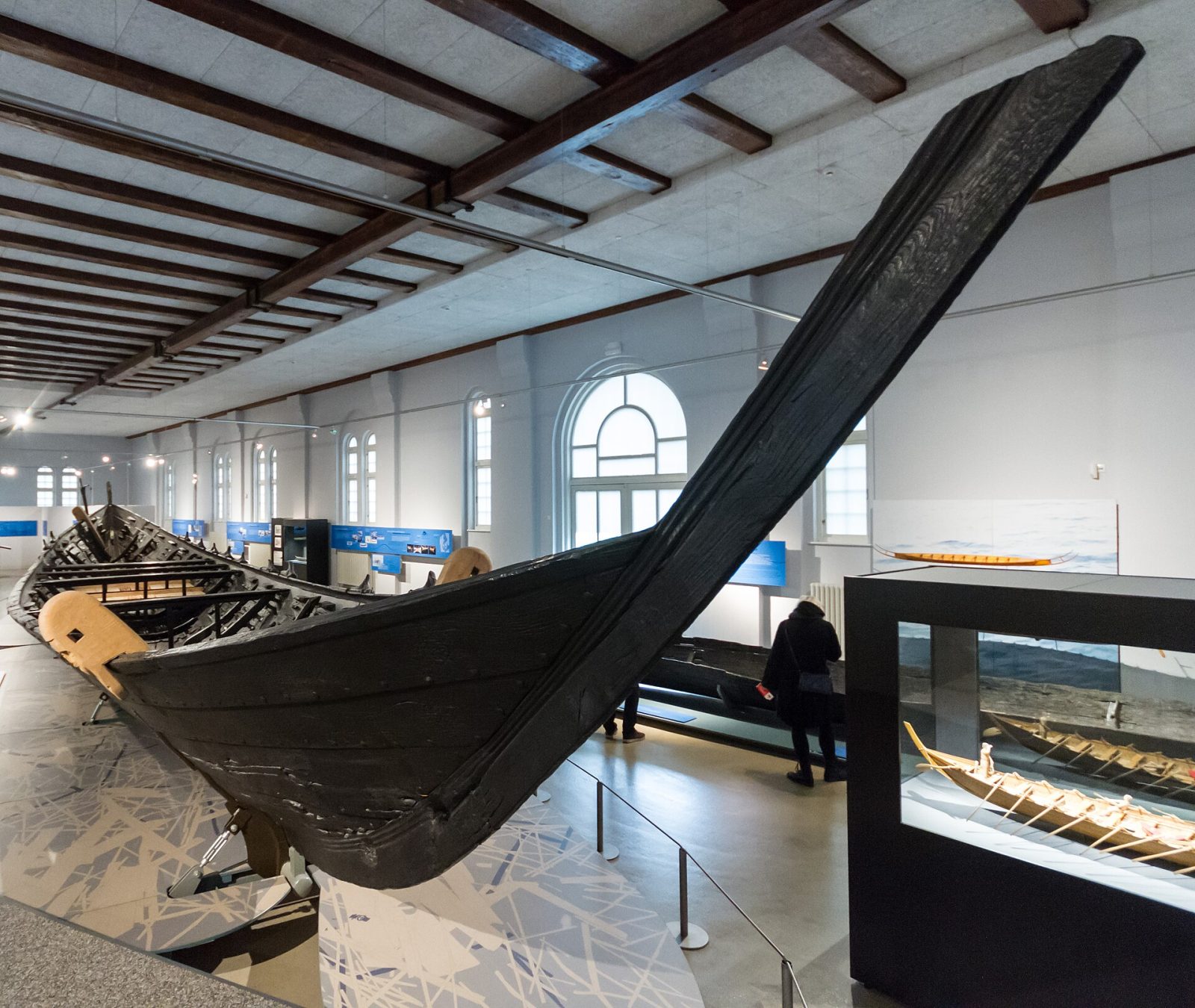
On 17 August 1863 workers excavating Nydam bog in South Jutland for the archaeologist Conrad Engelhardt struck oak planks: a 23-metre rowing boat sunk as a war offering around AD 350. War stopped the dig months later, and the boat has been in Germany ever since.
Between 1859 and 1863 the Danish teacher and archaeologist Conrad Engelhardt excavated Nydam Mose, a bog near Øster Sottrup in Sundeved, in the south of Jutland, which had already produced weapons. On Monday 17 August 1863 his workers struck oak planks. They had found a complete boat, and beside it a second boat of pine and the remains of a third.
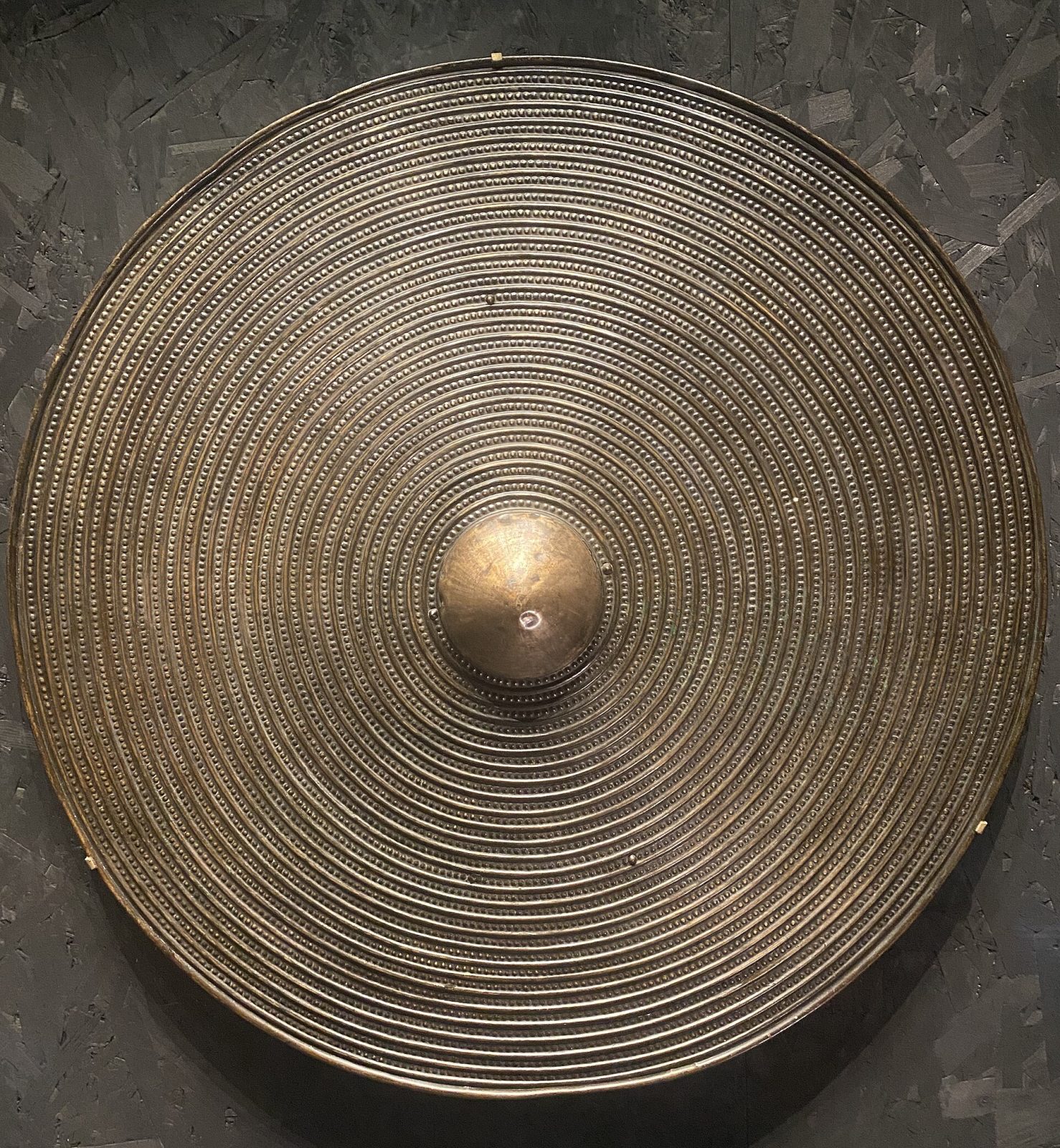
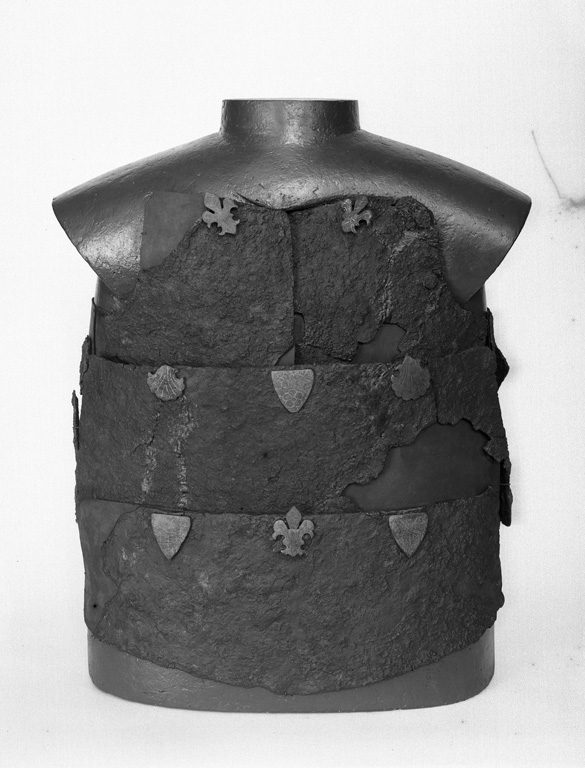
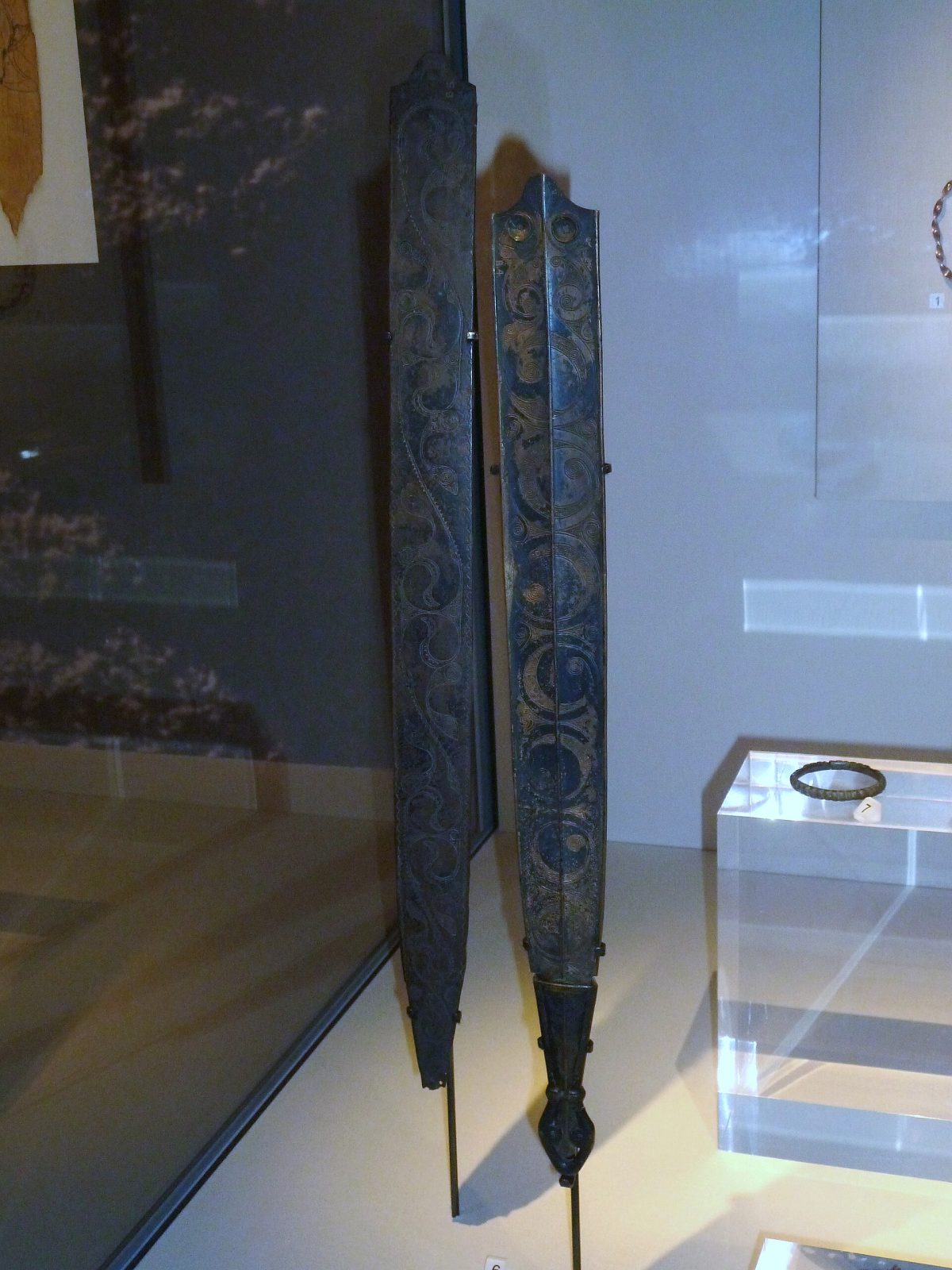
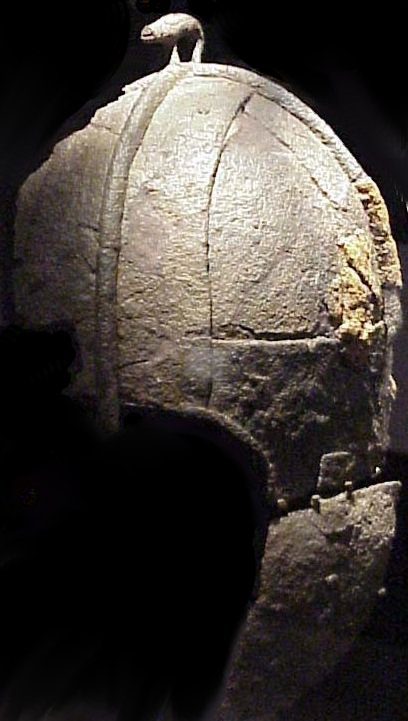
The oak boat is a clinker-built rowing vessel nearly 23 metres long and about 3.3 metres wide, with no mast or sail. Its keel plank is a single piece of oak more than 14 metres long, five strakes a side were fastened with iron rivets, and the frames were lashed to cleats carved from the planks. Fourteen or fifteen pairs of oars drove it, with around thirty rowers. Tree-ring dating shows it was built from oak felled in AD 310 to 320, and it was hauled over land and sunk in what was then a lake around 340 to 350, with weapons that had belonged to a defeated army: the bog yielded swords, hundreds of spearheads, shields and bows, offered in several separate ceremonies between about AD 250 and 480. It is the oldest clinker-built rowing boat known in northern Europe, the ancestor of the Viking ship.
In February 1864 the Second Schleswig War between Denmark and Prussia stopped the work. The pine boat was lost, and tradition says Prussian soldiers burned it for firewood in the bitter winter. Under the peace settlement the region, and Engelhardt's collection with it, passed to Prussia. The oak boat went to Kiel in 1877 and spent the Second World War hidden on a barge on a lake, before reaching the museum island at Schleswig in 1947. Danish archaeologists returned to the bog between 1989 and 1999 and recovered about 150 sword blades and 500 spearheads more.
The boat is displayed in the Nydam Hall of the Museum für Archäologie at Schloss Gottorf in Schleswig, Germany, about 40 kilometres south of the bog. A sailing replica, Nydam Tveir, has been built by a society in Denmark.
Written for Global Finds from the Museum für Archäologie Schloss Gottorf, the Maritime Stepping Stones database (Cultural Heritage Agency of the Netherlands), the Centre for Baltic and Scandinavian Archaeology and VisitDenmark. Photo: the Nydam boat in the Nydam Hall at Schloss Gottorf, Matthias Süßen, Wikimedia Commons, CC BY-SA 4.0.
Approximate location54.95, 9.72View on map