The Quimbaya Treasure: Colombia's finest goldwork, dug from two tombs in 1890 and given away to Spain by a president
Famous find Made about AD 300 to 700 · Found in 1890 See it on the timeline →
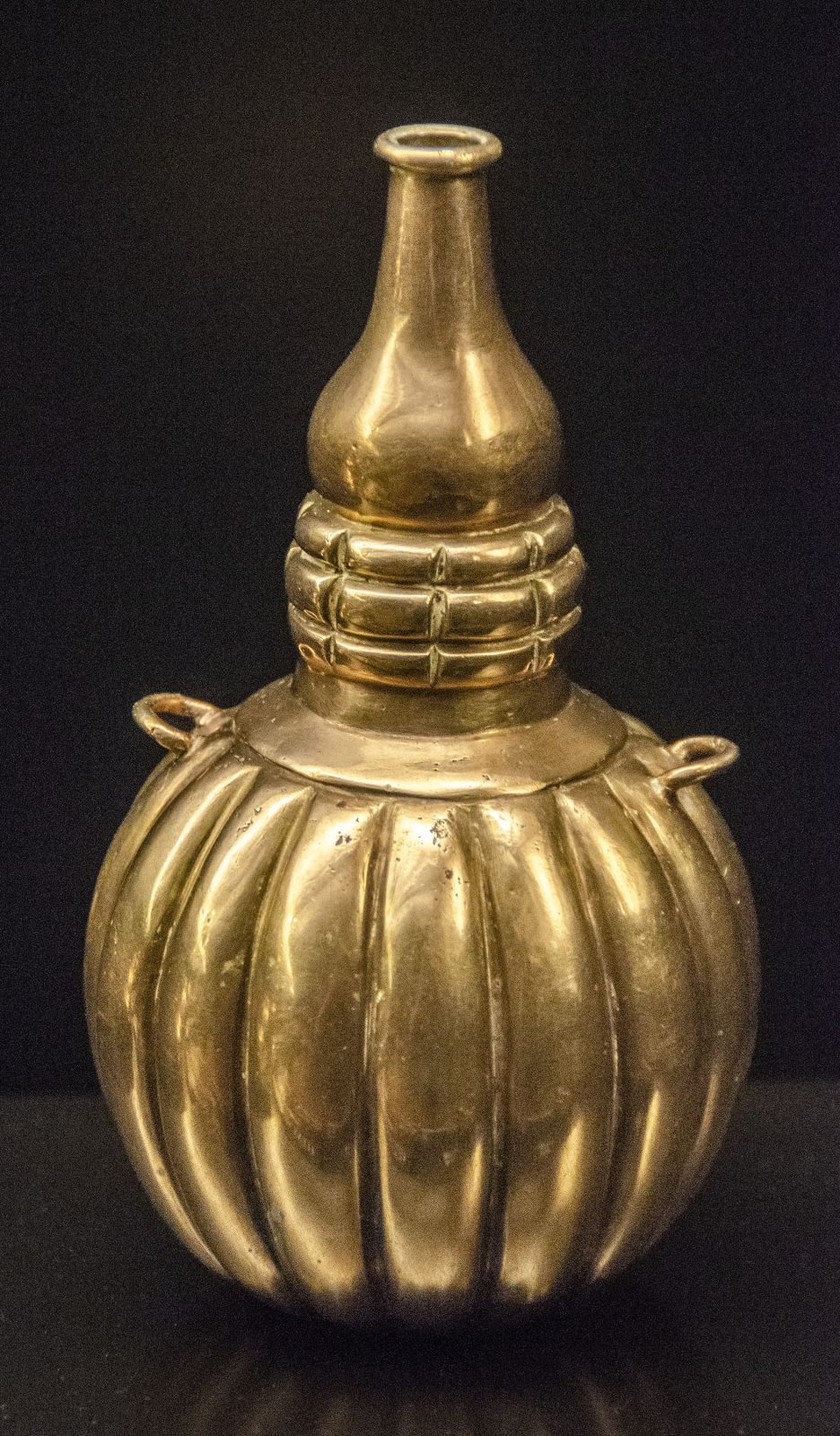
In 1890 grave-robbers opened two tombs at La Soledad near Filandia in Colombia and found hundreds of gold objects. The government bought them, then the president gave them to the Queen Regent of Spain in 1893. Colombia has been trying to get them back ever since.
In 1890, huaqueros, the local name for grave-robbers who dig into ancient tombs for gold, opened two pre-Columbian tombs at La Soledad, near Filandia in what is now the department of Quindío, in Colombia's coffee-growing country. Inside, with pottery, stone and textiles, were hundreds of objects of gold and tumbaga, an alloy of gold and copper.
In August 1891 the Colombian government bought 433 pieces from the dealer who had acquired them, said to weigh about 21 kilograms of gold. They were sent to Madrid for the great exhibition of 1892 marking four hundred years since Columbus's voyage, and there President Carlos Holguín presented them to the Queen Regent of Spain, María Cristina. Sources differ on the exact date of the handover, but it was official by 1893. The gift was a thank-you for Spain's help in settling Colombia's border dispute with Venezuela.
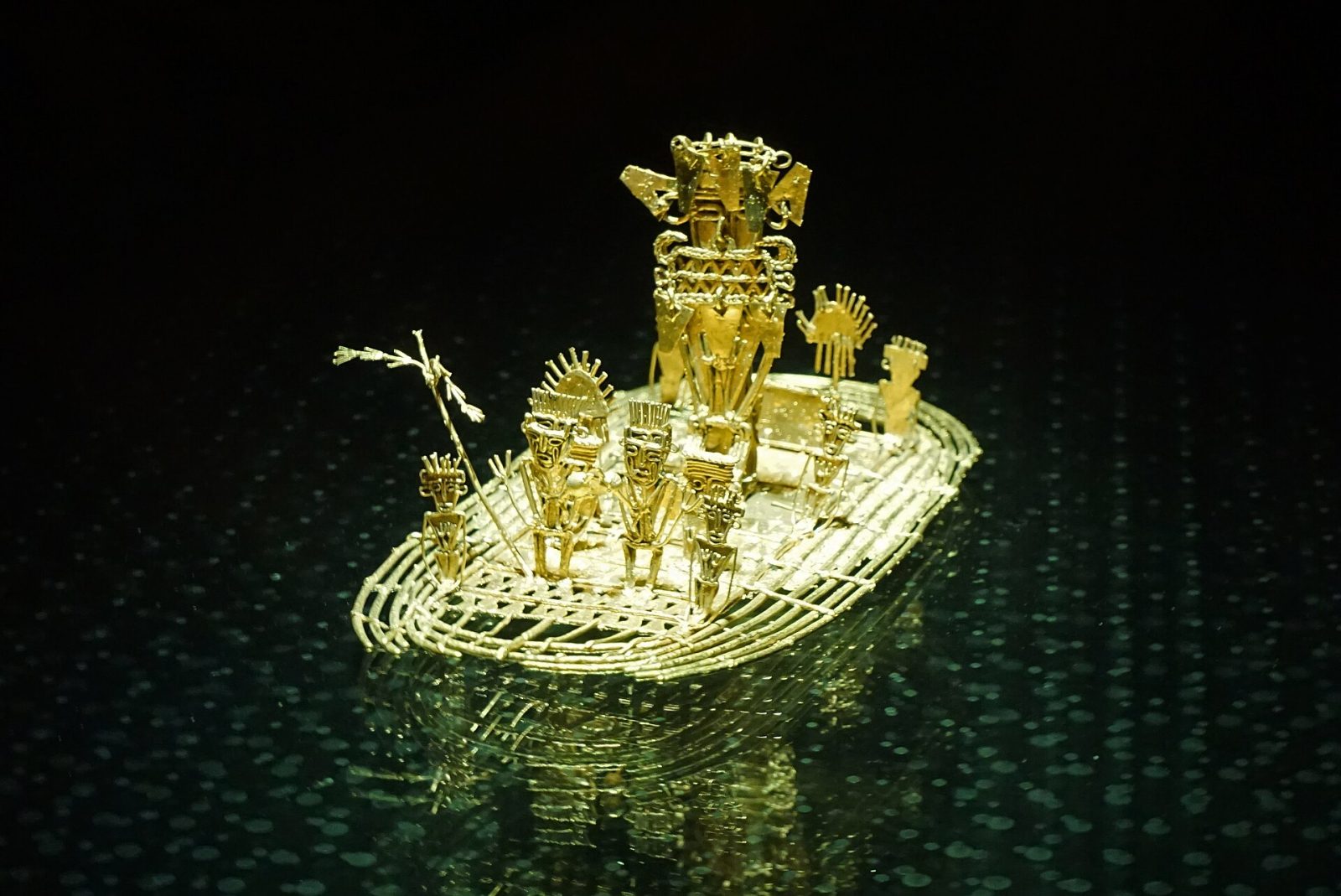
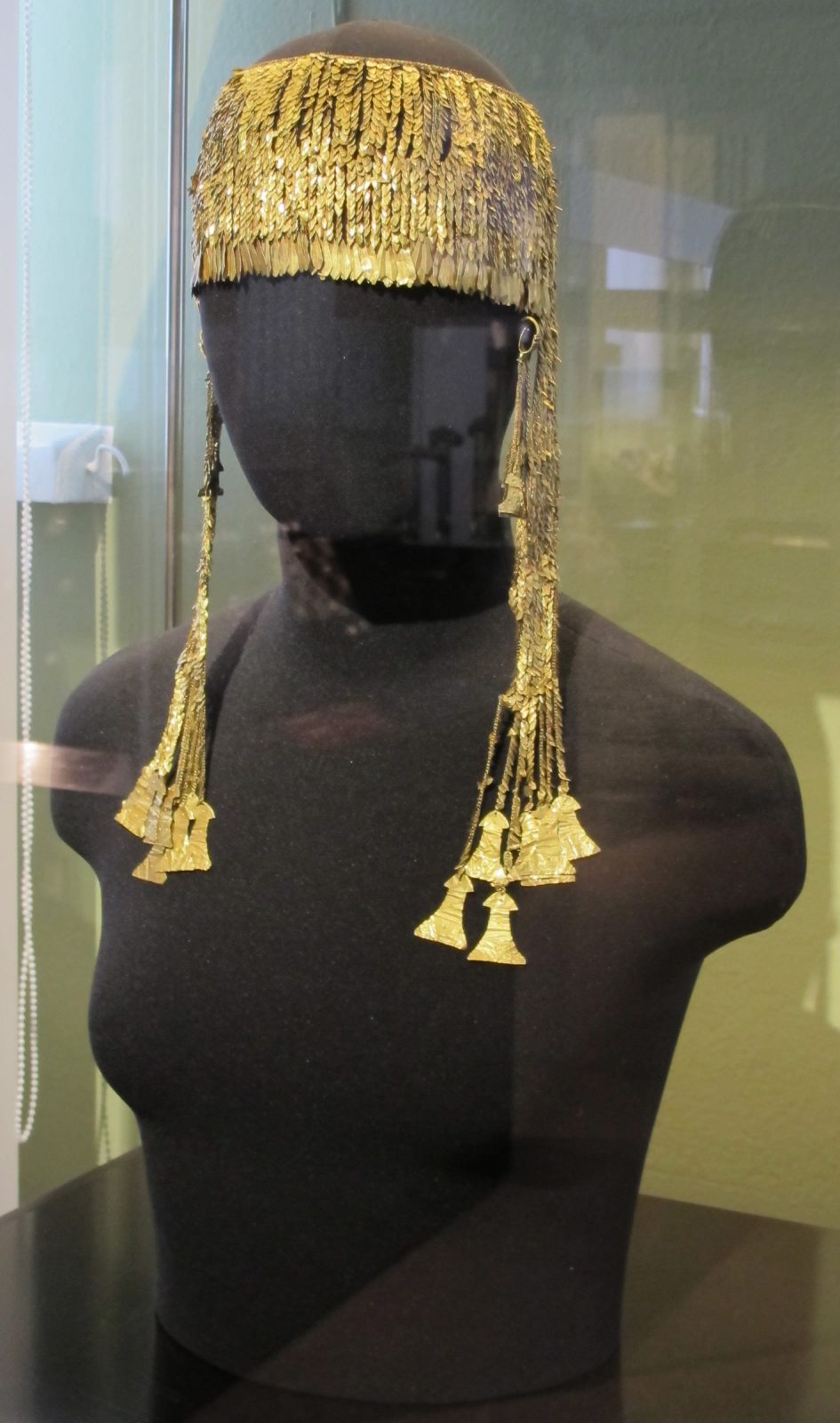
The objects were made by the people archaeologists call the Quimbaya, probably between about AD 300 and 700, though dates vary between sources. They include helmets, nose rings, necklaces, pins and seated figures, and the poporos for which the Quimbaya are famous: small gourd-shaped flasks that held the powdered lime chewed with coca leaves. One plain gold helmet weighs 688 grams.
Only about 122 pieces are in Madrid today, less than a third of the original find; others are in a museum in Chicago, and hundreds are lost. In 2017 Colombia's Constitutional Court ruled that the gift had been unlawful because Congress never approved it, and ordered the government to ask for the treasure back. Colombia made a formal request in May 2024, Spain maintains that its ownership is not in doubt, and in June 2026 Colombia said it was putting the claim on hold in favour of a digital and virtual exhibition.
The treasure is displayed in the Museo de América in Madrid.
Written for Global Finds from BBC Mundo (2024), eldiario.es (2026) and El Heraldo (2026). Photo: a gold poporo from the Quimbaya Treasure in the Museo de América, Madrid, Ángel M. Felicísimo, Wikimedia Commons, CC BY 2.0.