The Runde Treasure: three divers found the gold of a Dutch ship lost off Norway in a snowstorm in 1725
Famous find Lost in March 1725 · Found in 1972 See it on the timeline →
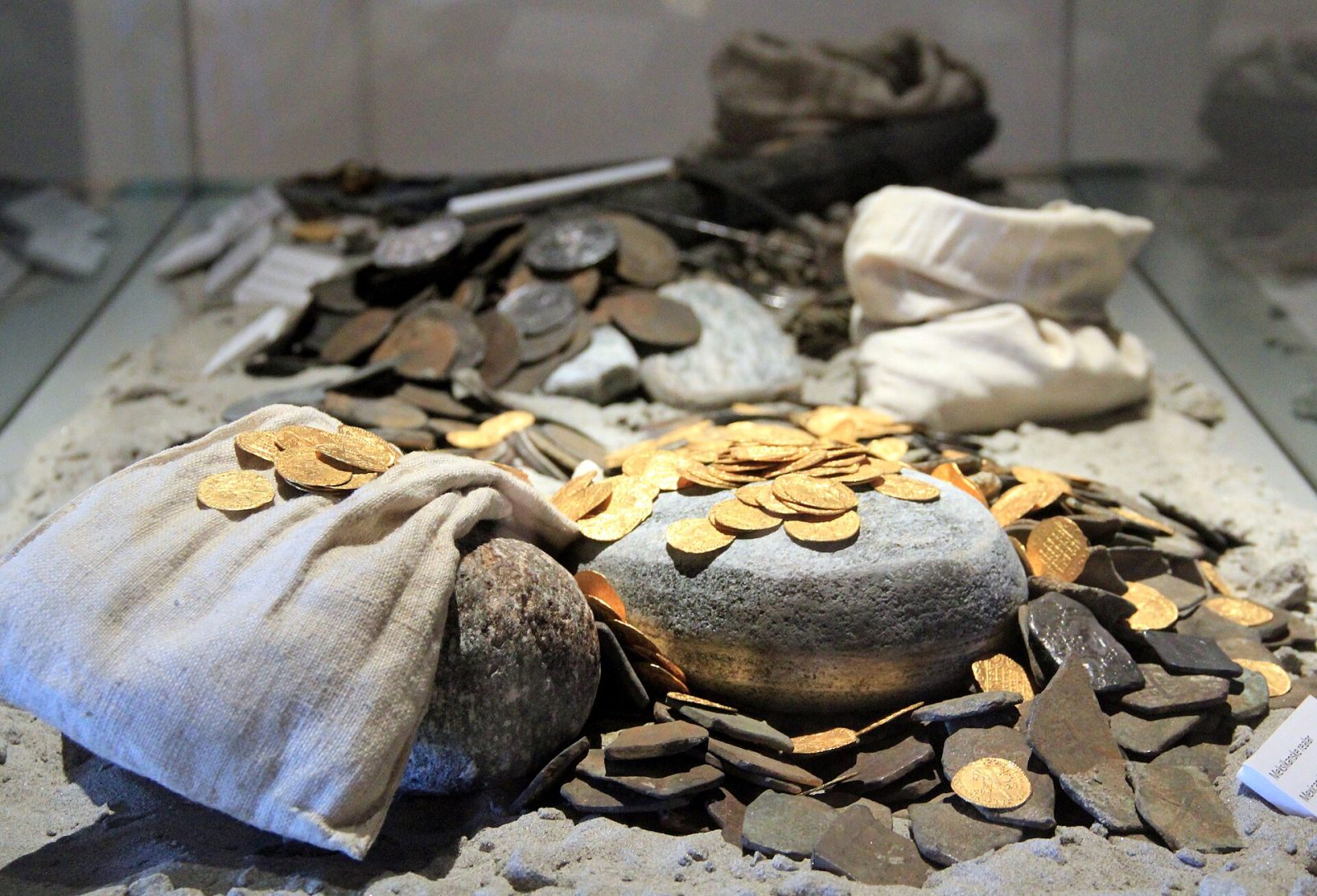
In March 1725 the new Dutch East Indiaman Akerendam was lost with all hands off the island of Runde in Norway. In July 1972 three sport divers found her coins in the kelp: about 57,000 gold and silver pieces, one of the biggest coin finds in Europe.
The Akerendam was a new Dutch East India Company ship, 44 metres long, on her maiden voyage to Batavia with about 200 people aboard and 19 chests of gold and silver coins. She left Texel in January 1725 and was lost in a snowstorm at the northern tip of Runde, an island off the coast of Sunnmøre in western Norway. Wreckage washed ashore on 8 March. There were no survivors.
That year the local sheriff found the site and five of the coin chests were raised. One more nearly reached the boat, but when a guard jumped aboard to help, the boat tipped and the chest went back to the bottom. After that the wreck was forgotten. Children in the 19th century picked silver coins out of the rocks on the shore, and local legend said they came from a ship of the Spanish Armada.
On 16 July 1972, the Swedish sport divers Bengt-Olof Gustafsson and Stefan Persson, with the Norwegian Eystein Kroh-Dalen, were diving in the kelp about 100 metres offshore when they found coins and a cannon twelve metres down. In three weeks, under police protection, they raised almost half a tonne of coins, and a survey by the Bergen Maritime Museum the next year added more.
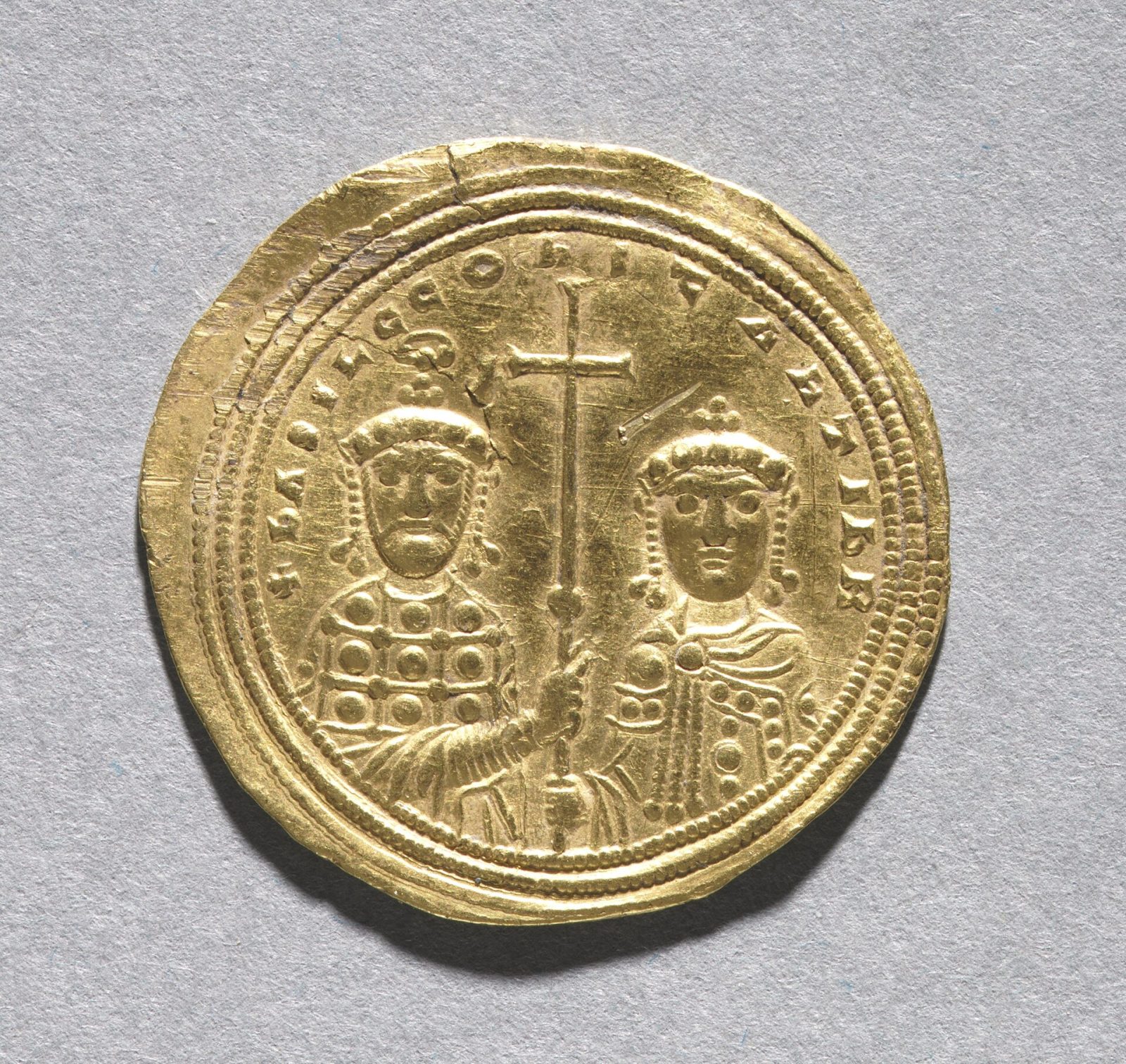
About 57,000 coins were recovered: 6,624 gold ducats, most of them Utrecht ducats of 1724, a type of which only a handful had been known before; about 10,000 silver ducatons; more than 10,000 Spanish-American silver reales, mostly Mexican eight-reales; and about 29,000 small Dutch coins. The gold came up shining, while the silver was badly corroded.
The find was divided between the divers, who received about two-thirds, the Norwegian state and the Dutch state, which is treated as owner of the wreck. The divers' share was auctioned in Switzerland in 1978. Norway's share is shown in the Runde Treasure exhibition at the Runde Environmental Centre on the island.
Written for Global Finds from the University of Oslo Coin Cabinet, the Dutch Cultural Heritage Agency's MaSS database and Dagbladet (2011). Photo: gold and silver coins from the Akerendam at the Runde Environmental Centre, Chell Hill, Wikimedia Commons, CC BY-SA 3.0.
Source: University of Oslo Coin Cabinet