A coin in the post: 47 more Herefordshire Hoard pennies declared Treasure, but more than 200 are still missing
Struck about AD 874 to 879 · Found in 2015 See it on the timeline →
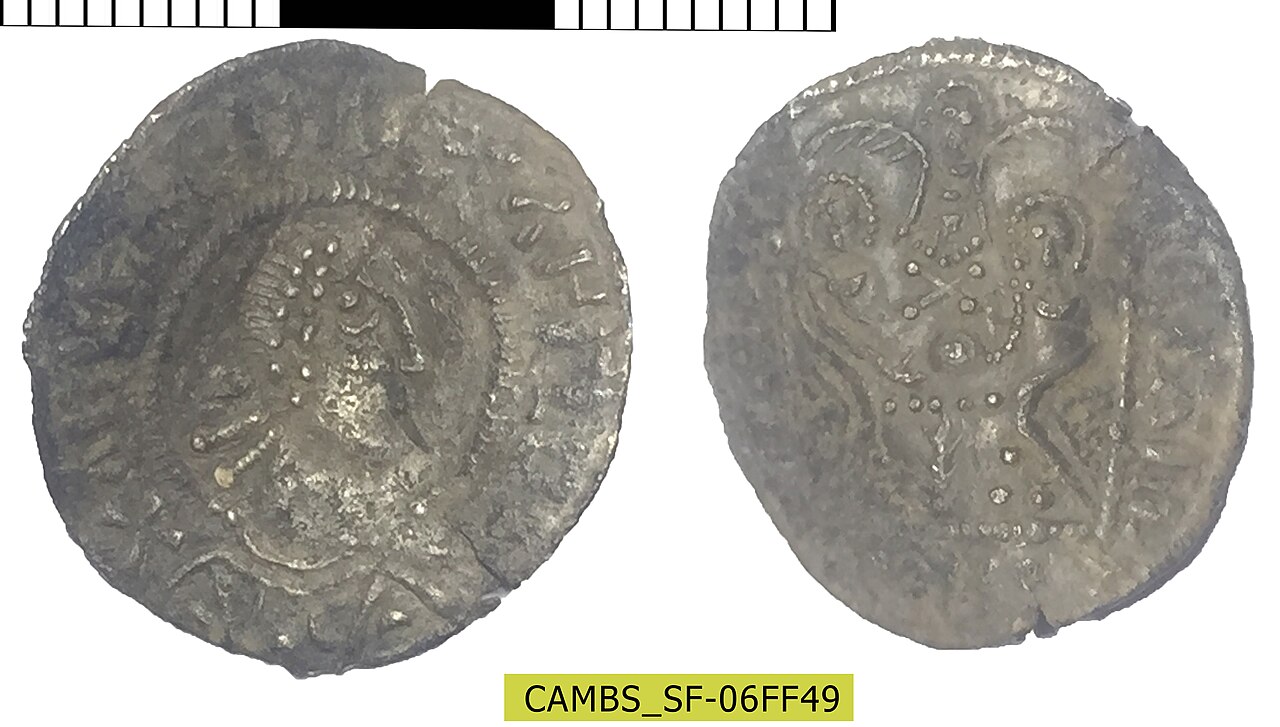
A coroner in Hereford has declared 47 more Anglo-Saxon silver pennies from the Herefordshire Hoard to be Treasure, including one posted anonymously to a Cambridge museum. More than ten years after the hoard was dug up and hidden, well over 200 of its coins are still missing.
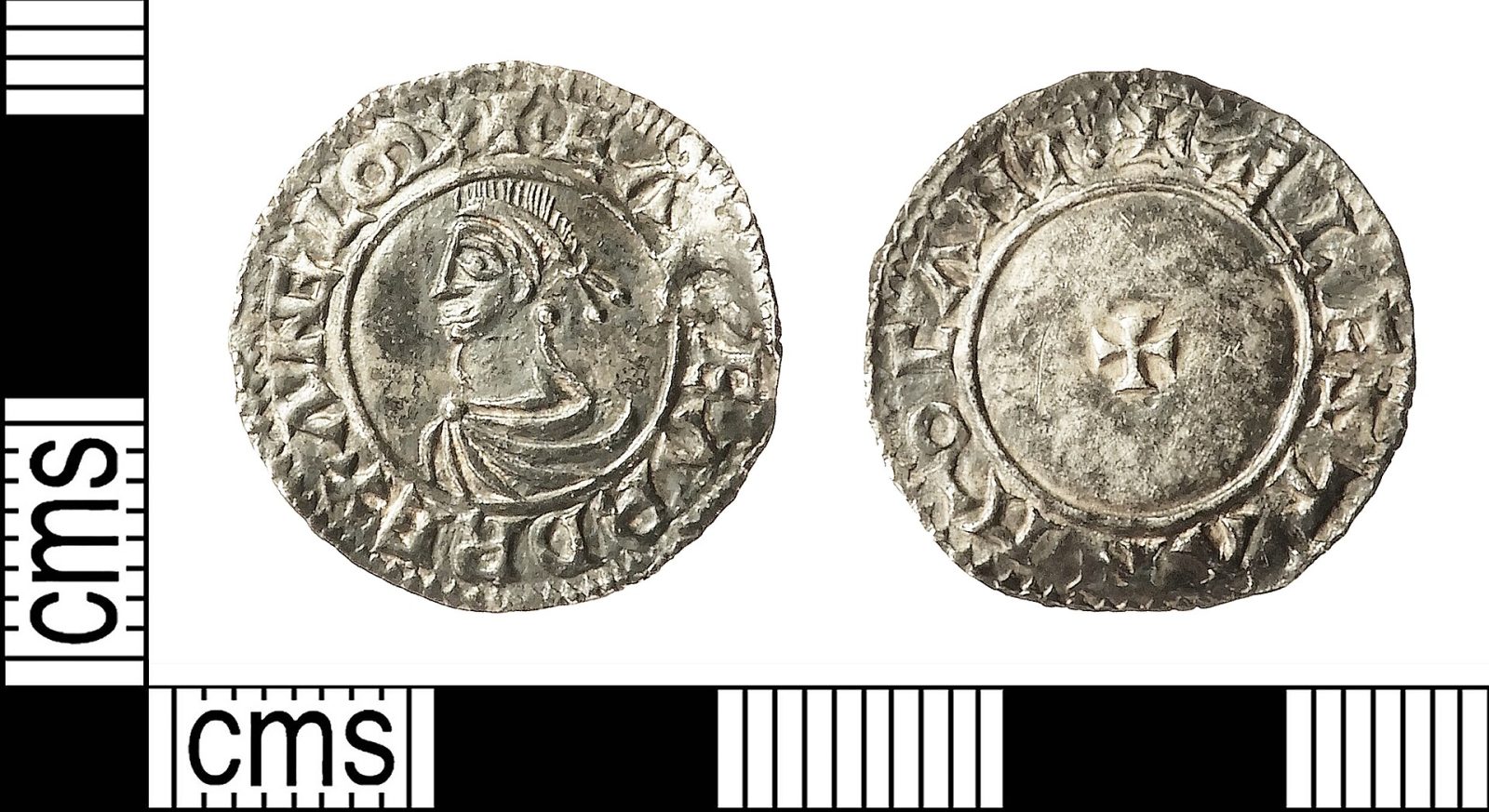
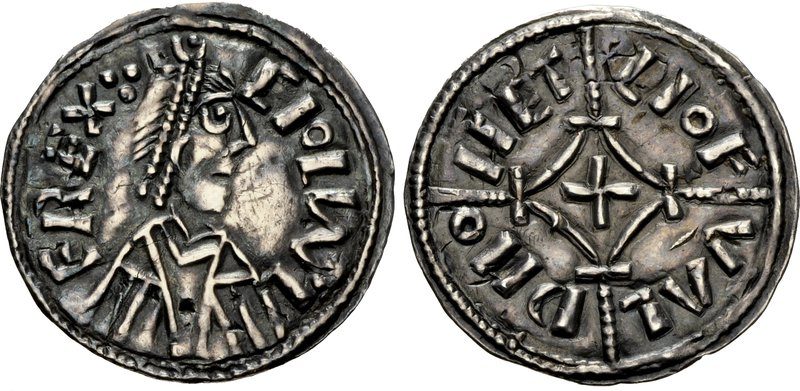
On 6 October 2026, an inquest at Hereford Coroners Court ruled that 47 silver pennies from the Herefordshire Hoard are Treasure. The coroner, James Bennett, found that the coins were "very probably found together" and more than 300 years old, which meets the legal definition. They were struck between AD 874 and 879, and the court heard that all of them are exceptionally rare, including examples of the famous Two Emperors type showing Alfred the Great of Wessex and Ceolwulf II of Mercia side by side.
The hoard was dug up on 1 June 2015, between Leominster and Ludlow, by the metal detectorists George Powell and Layton Davies, who were searching the land without permission. Instead of reporting it, they hid it and sold coins through dealers, and in 2019 both were jailed. The coroner called the discovery a "textbook find" that should have been properly reported, and said the pair had lied to cover their tracks.
The 47 coins came to light by different routes. Craig Best tried to sell some of them to an American coin collector, claiming they came from an undeclared hoard near Worcester. The collector became suspicious and contacted the Fitzwilliam Museum in Cambridge, whose experts suspected a link to the Herefordshire Hoard, and the police were called in. Officers recovered three coins from Best and 41 from Roger Pilling, and British Museum experts concluded it was beyond reasonable doubt that they came from the hoard. Both men were convicted and jailed. Two more coins are known only from photographs.
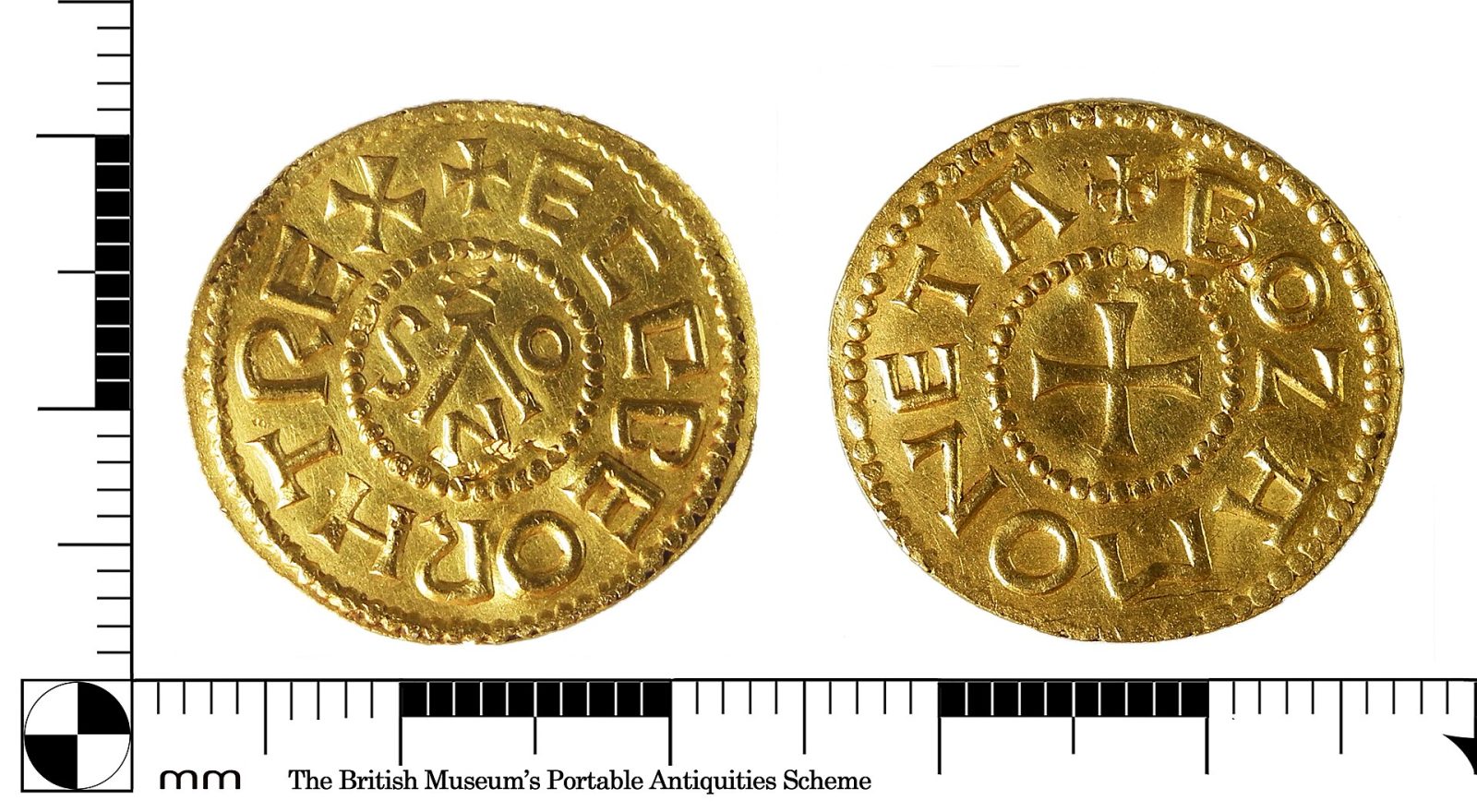
The last coin arrived by post. After the criminal cases had ended, a penny of Ceolwulf II, of the Cross and Lozenge type, was sent anonymously to the Fitzwilliam Museum. There was no evidence linking it to either man, but experts believe it is another stray from the hoard.
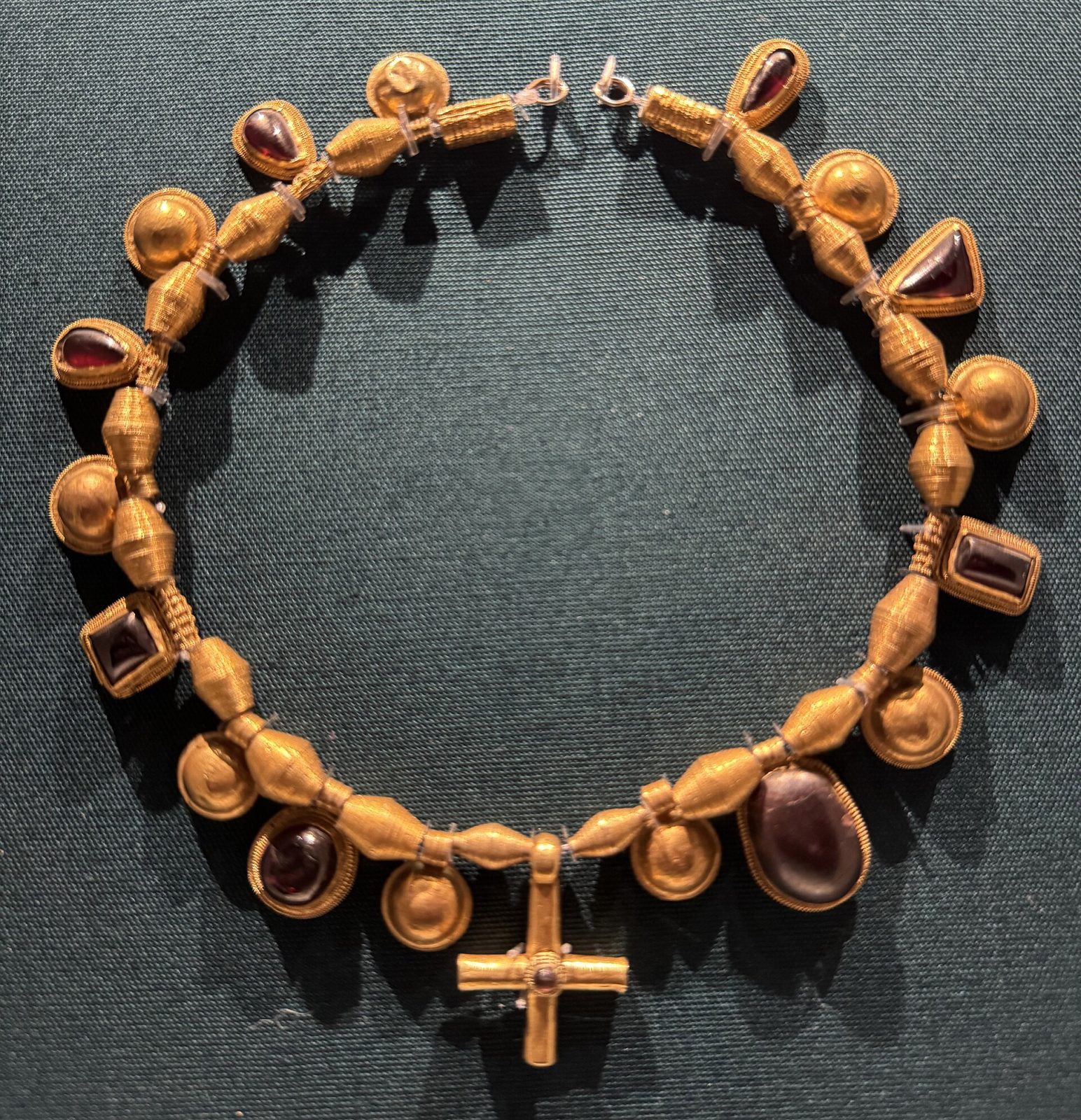
The hoard is thought to have held around 300 silver coins, with a gold bracelet, a gold ring, a silver ingot and a rock-crystal pendant mounted in gold. The court heard it could have been worth up to £30 million, and that well over 200 coins remain unaccounted for. Ownership of the 47 coins now passes to the British Museum, and they are expected to go to Herefordshire's museum service, which already holds the recovered part of the hoard. The Secretary of State will decide on any reward, but the coroner thought it unlikely that Powell and Davies would receive one.
The full story of the hoard, the trials and why its coins matter is on Global Finds' Herefordshire Hoard page. A single Two Emperors penny of Alfred, found and properly recorded by a detectorist at Castle Camps in Cambridgeshire, is also on the site.
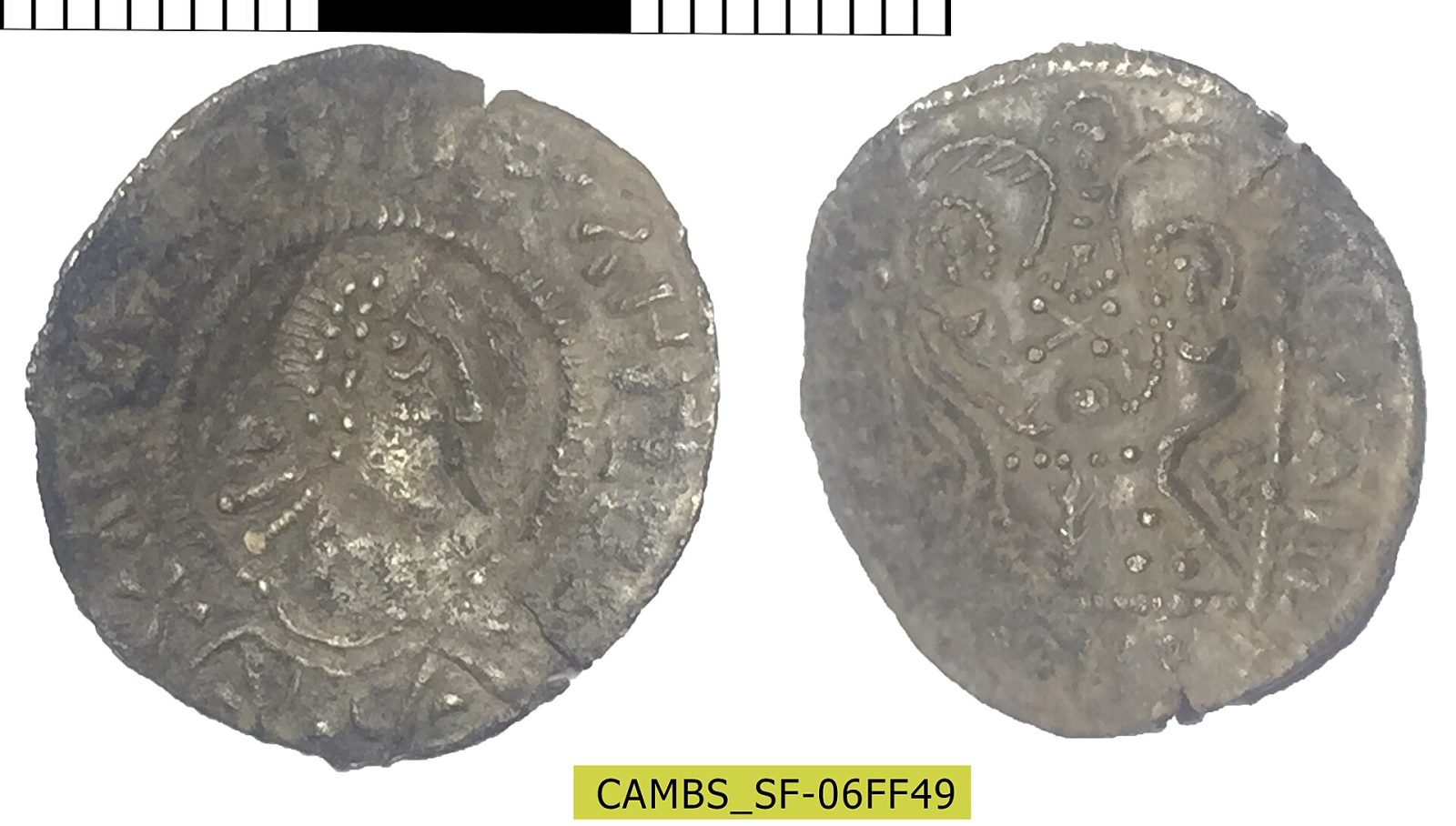
Reported by the Ludlow Advertiser and Hereford Times (17 October 2026). Written for Global Finds from that report. Photo: a Two Emperors penny of Alfred from Castle Camps, Cambridgeshire, not from the Herefordshire Hoard, Riccardo Caravello, Suffolk County Council, Portable Antiquities Scheme, Wikimedia Commons, CC BY 2.0.
Linked finds
Source: Ludlow Advertiser