The Valdres Gold Coin: a Byzantine emperor's gold found on a Norwegian mountainside, perhaps from Harald Hardrada's treasure
Famous find Struck in Constantinople about AD 977 to 1025 · Found in 2023 See it on the timeline →
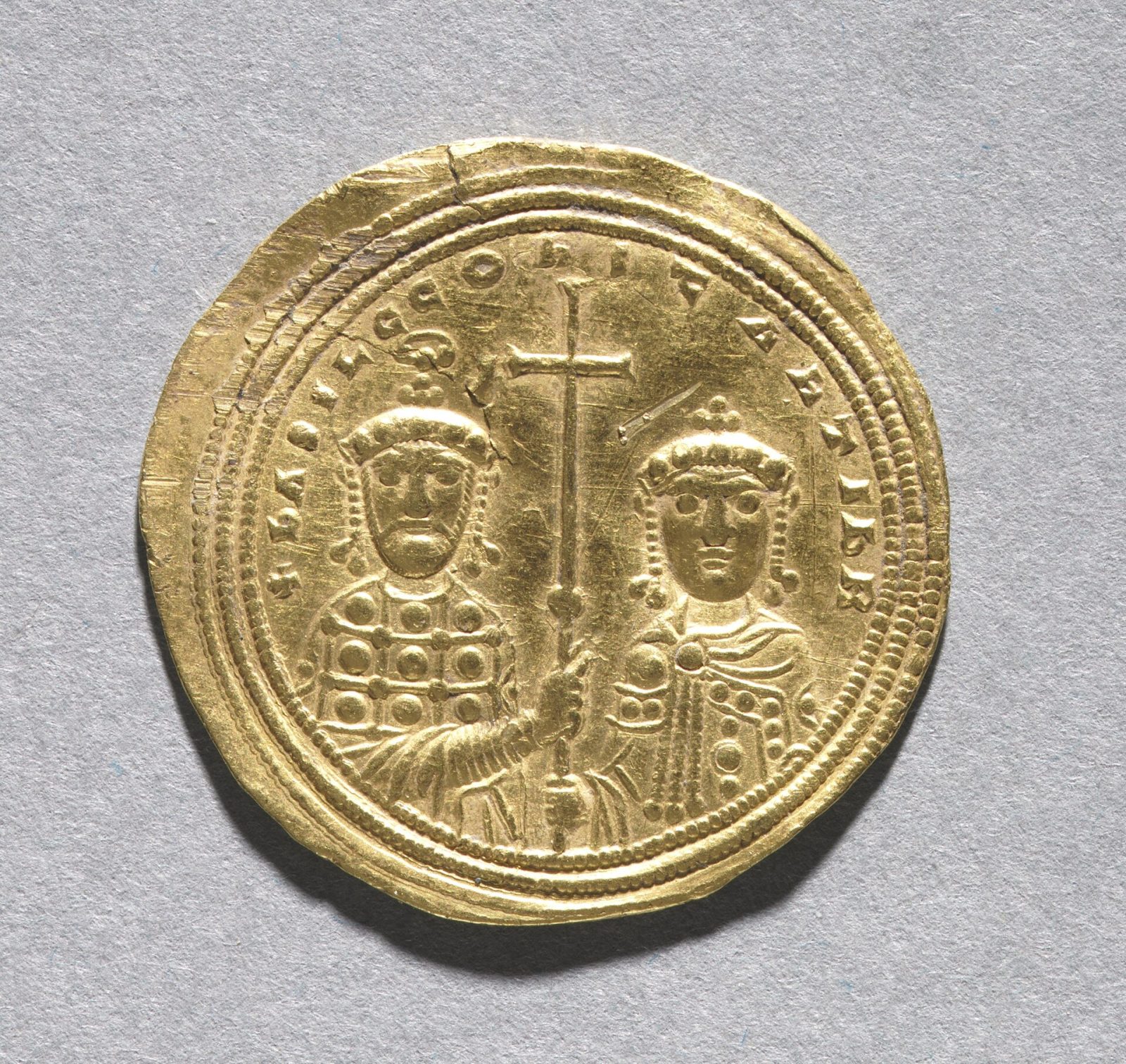
In autumn 2023 a hobby metal detectorist found a Byzantine gold coin of the emperors Basil II and Constantine VIII in the mountains of Vestre Slidre, Valdres, Norway. It is the only coin of its kind found in Norway, more than 2,500 kilometres from where it was struck.
In the autumn of 2023, a hobby metal detectorist out in the mountains of Vestre Slidre, in the Valdres valley of central southern Norway, found a small gold coin. The finder, who has not been named, reported it to May-Tove Smiseth, the county archaeologist for Innlandet. "That he found a gold coin on a random trip in the mountains is completely surreal," she said when the find was announced in December 2023.
The coin is a histamenon nomisma, a gold coin of the Byzantine Empire, struck in Constantinople, now Istanbul, more than 2,500 kilometres away. On one side is Christ holding the Gospels, with the Latin words "Jesus Christ, King of those who rule". On the other are two crowned emperors holding a cross between them, named in Greek as "Basil and Constantine, emperors of the Romans". These are the brothers Basil II and Constantine VIII, who ruled together from 976 to 1025. Svein Harald Gullbekk, a coin specialist at the Museum of Cultural History in Oslo, dated it to late in their reign, early in the 11th century, from the style of its border, and noted that it looked as if it had not been in circulation for long.
Smiseth said it was the only coin of its kind ever found in Norway, and she suggested a famous possible owner. The Norwegian prince Harald Sigurdsson, later King Harald Hardrada, served in the Varangian Guard, the Byzantine emperors' Scandinavian bodyguard, from about 1034, and the sagas say he came home in 1046 with ships full of gold. Basil II was even the great-uncle of Harald's wife Ellisiv. Gullbekk was more cautious: many Scandinavians served in Byzantium, and the coin's fresh condition suggests it did not stay in circulation for decades. Smiseth's other suggestion was a merchant travelling the old routes across Valdres between eastern and western Norway.
Because the ground had already frozen when the coin was reported, a closer search of the findspot was planned for the following year. Where the coin is kept or displayed has not been published.
Written for Global Finds from ScienceNorway (2023), The Numismatist (2024) and Archaeology magazine (2023). Photo: a gold histamenon of Basil II and Constantine VIII of the same type, not the Valdres coin, Cleveland Museum of Art, Wikimedia Commons, CC0.
Linked finds
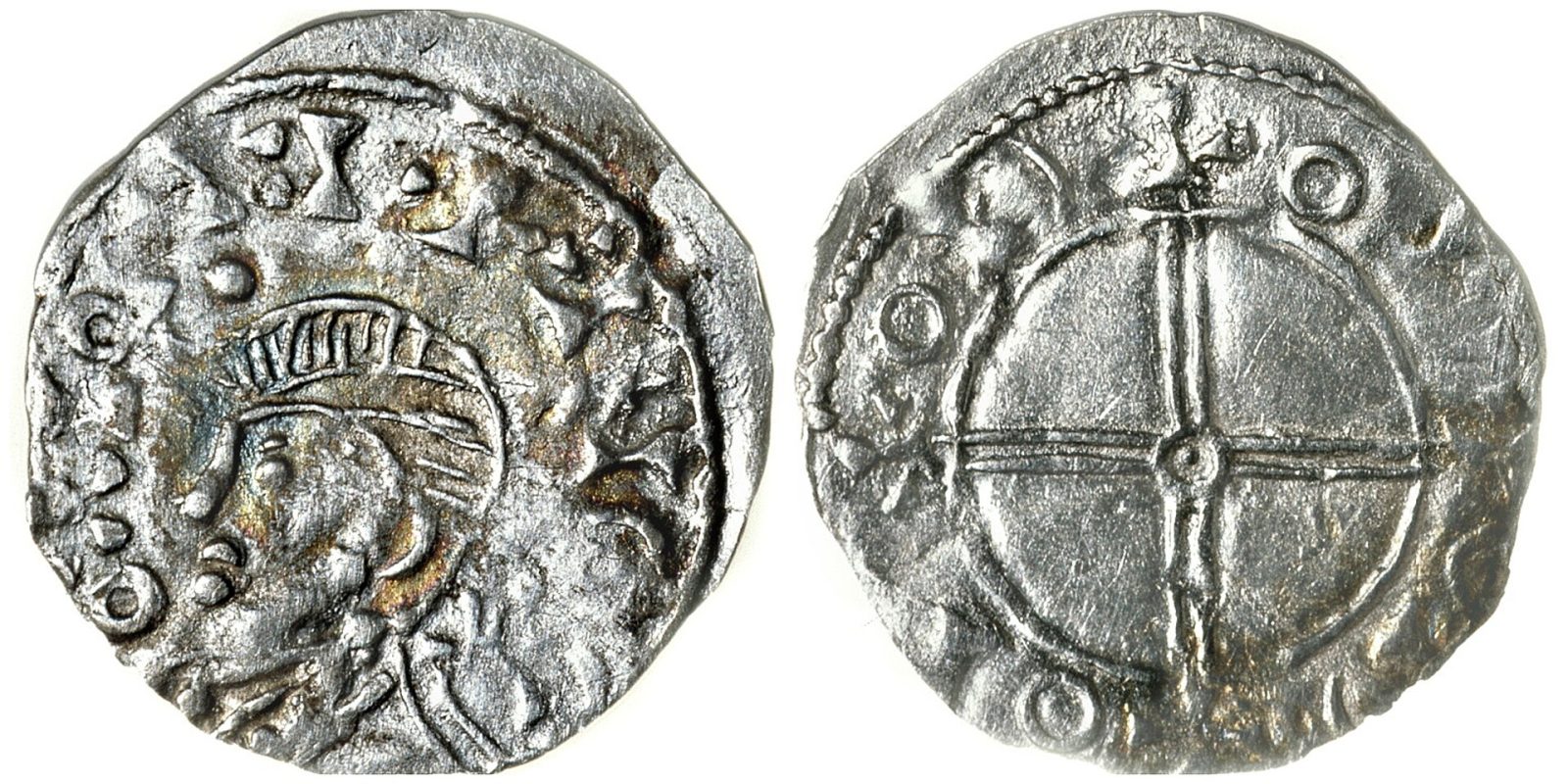
Source: ScienceNorway (2023)