The Ranheim Coin: archaeologists hunting a lost Norwegian farm found a silver penny of Charlemagne
Famous find Struck about 768 to 794 · Found in 2013 See it on the timeline →
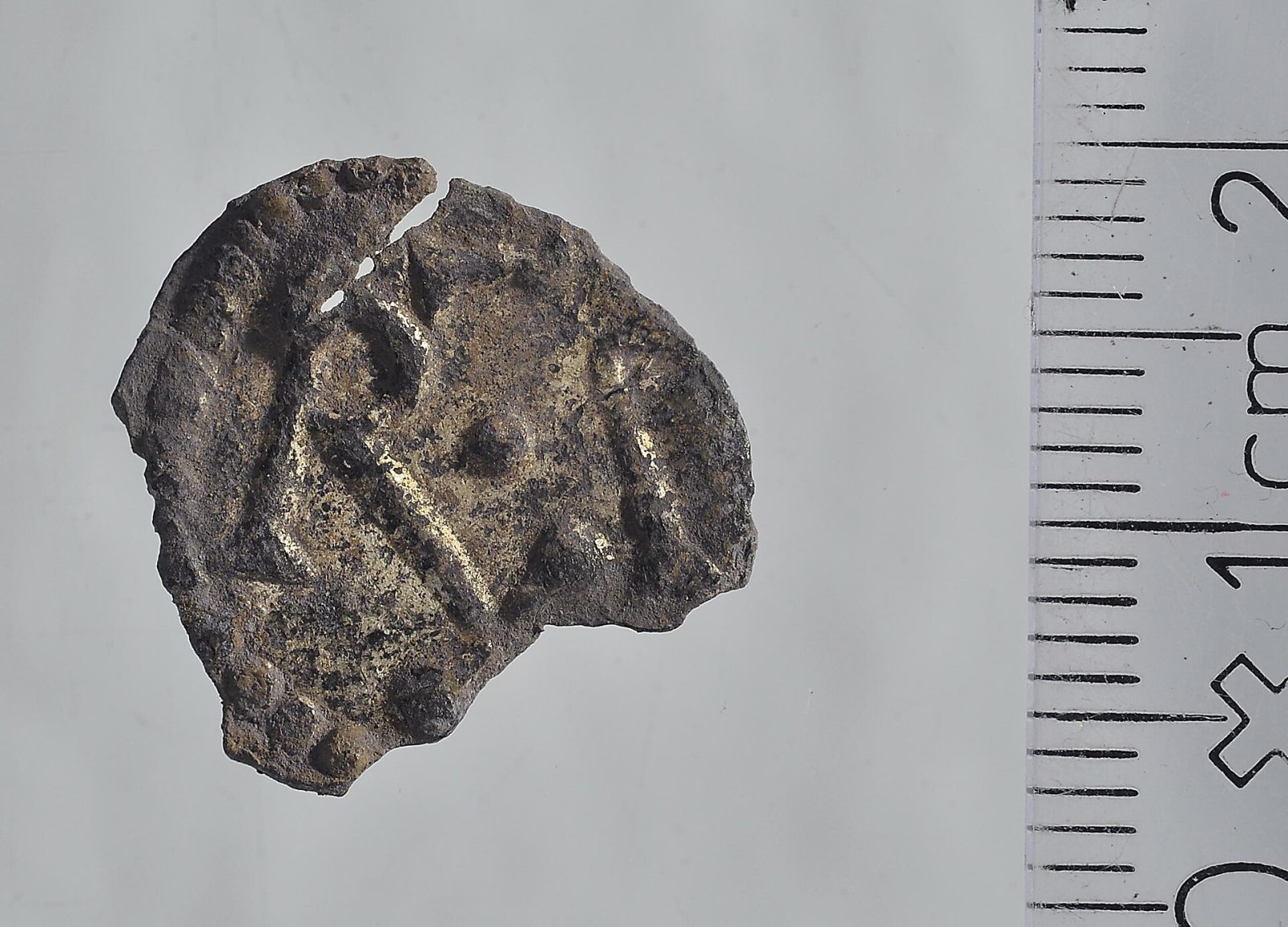
In June 2013 archaeologists searching for the lost farm of Vik at Ranheim, near Trondheim in Norway, found with a metal detector a silver penny of Charlemagne as King of the Franks, struck before 794. It was hailed as the oldest Charlemagne coin found in Norway.
In the spring of 2013, archaeologists from the NTNU University Museum in Trondheim, led by Geir Grønnesby, were excavating at Ranheim on the eastern edge of the city. They were looking for Vik, a farm known from old records and place names but abandoned in the 17th or 18th century and since lost. They found it, from heaps of cooking stones, post holes and cooking pits, and in early June a metal detector sweep of the site turned up a small, damaged silver coin.
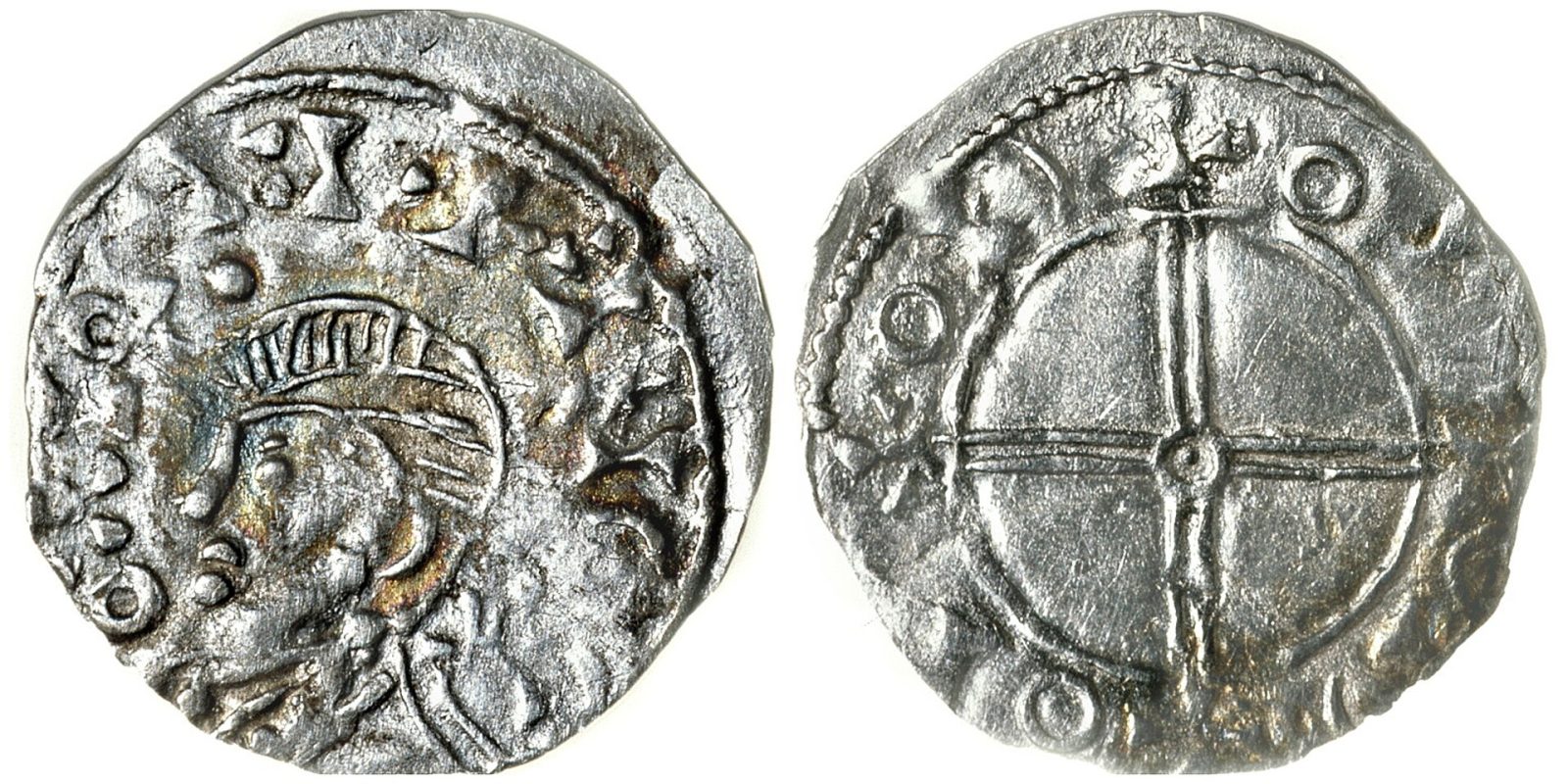
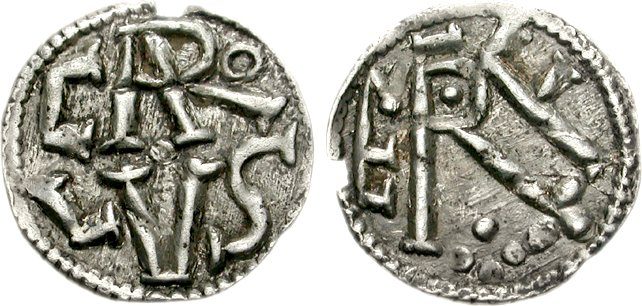
It was a denier, or penny, of Charlemagne. One side carries his name, CAR LVS, in two lines, and the other R F, for Rex Francorum, "King of the Franks". There is no portrait. The design shows that it was struck before Charlemagne reformed his coinage in the 790s, so between his accession in 768 and about 794, before he became emperor in 800. The museum announced it as the oldest coin of Charlemagne found in Norway. It was one of four coins from the dig.
Carolingian coins are not unknown in Norway, but most were found in graves, pierced or fitted with loops so they could be worn as jewellery. The only other Charlemagne coin from the Trøndelag region came from a grave at Moksnes, Frosta, in 1838, buried with a sword and glass beads, and it is of a later type. The Ranheim penny has no hole or loop, and it came from a farmyard rather than a grave. It may have reached Trøndelag through trade, as a gift or as plunder, in the years when Norwegians were beginning to sail to western Europe, and Grønnesby said it showed that Vik had been a large farm with international contacts.
Under Norwegian law, coins older than 1650 belong to the state, and the coin went to the NTNU University Museum in Trondheim. Whether it is on public display has not been published.
Written for Global Finds from ScienceNorway (Gemini, 2013), J. A. Risvaag in Spor (2016) and Norway's Cultural Heritage Act. Photo: the Charlemagne penny from Ranheim, NTNU Vitenskapsmuseet, Wikimedia Commons, CC BY 2.0.
Linked finds
Source: ScienceNorway (Gemini, 2013)