The Maine Penny: a Norse king's silver coin dug up at a Native American village, and twenty years taken for English
Famous find Struck about 1065 to 1080 · Found in 1957 See it on the timeline →
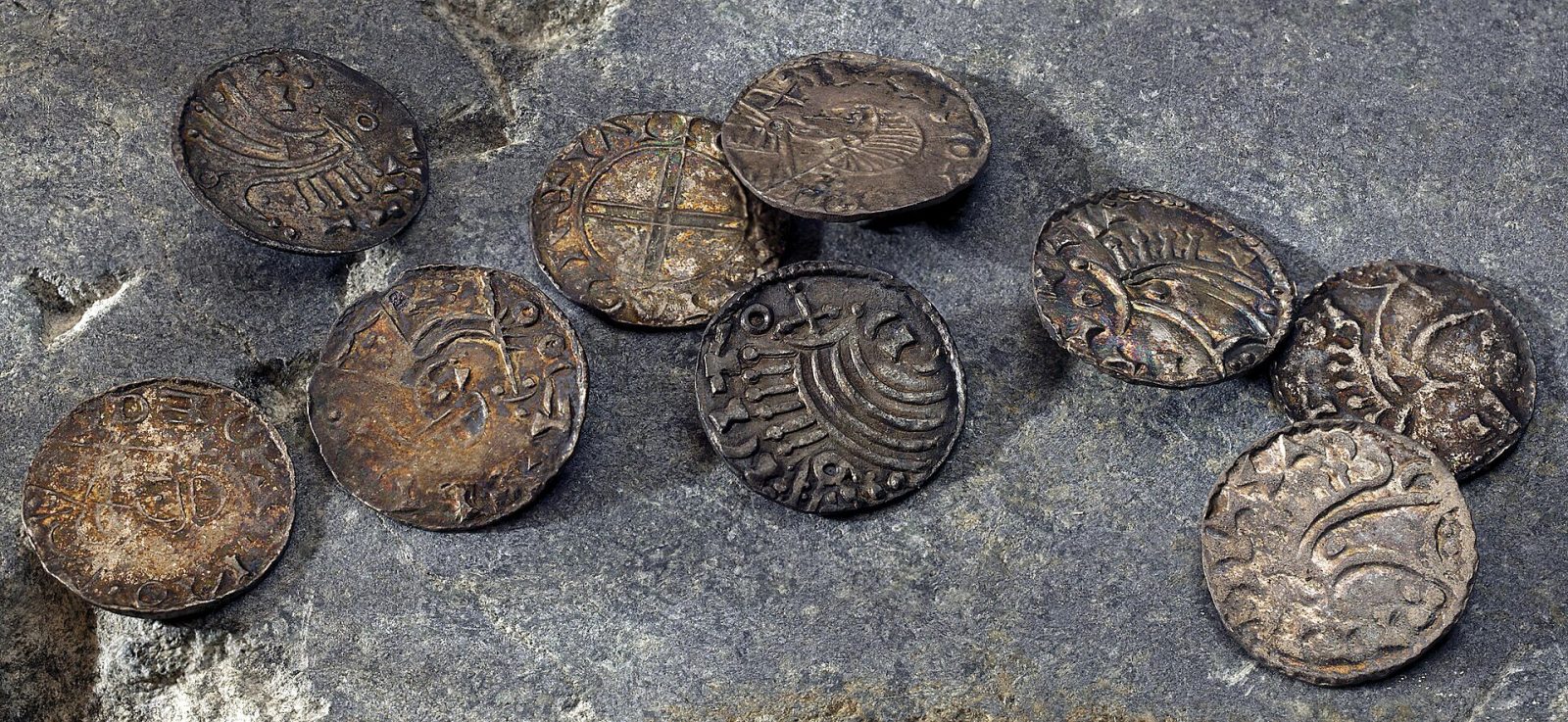
In August 1957 amateur archaeologist Guy Mellgren dug up a worn silver coin at a Native American village site on the coast of Maine. Twenty years later it was identified as a penny of the Norwegian king Olaf Kyrre, minted around 1065 to 1080.
On 18 August 1957, Guy Mellgren, an amateur archaeologist and coin collector, was digging with his friend Ed Runge at the Goddard site on Naskeag Point, in Brooklin on the coast of Maine. It was their second summer there. About five inches below the surface, near the centre of the site, he found a small, worn silver coin. He took it for an English penny of the 12th century, and for twenty years that is what it was thought to be.
The Goddard site was a large Native American village, probably the biggest in Maine, occupied between roughly 600 and 900 years ago. The excavations produced tens of thousands of objects, including stone tools made from rock brought from Labrador, hundreds of miles to the north. The whole collection, coin included, went to the Maine State Museum in the 1970s.
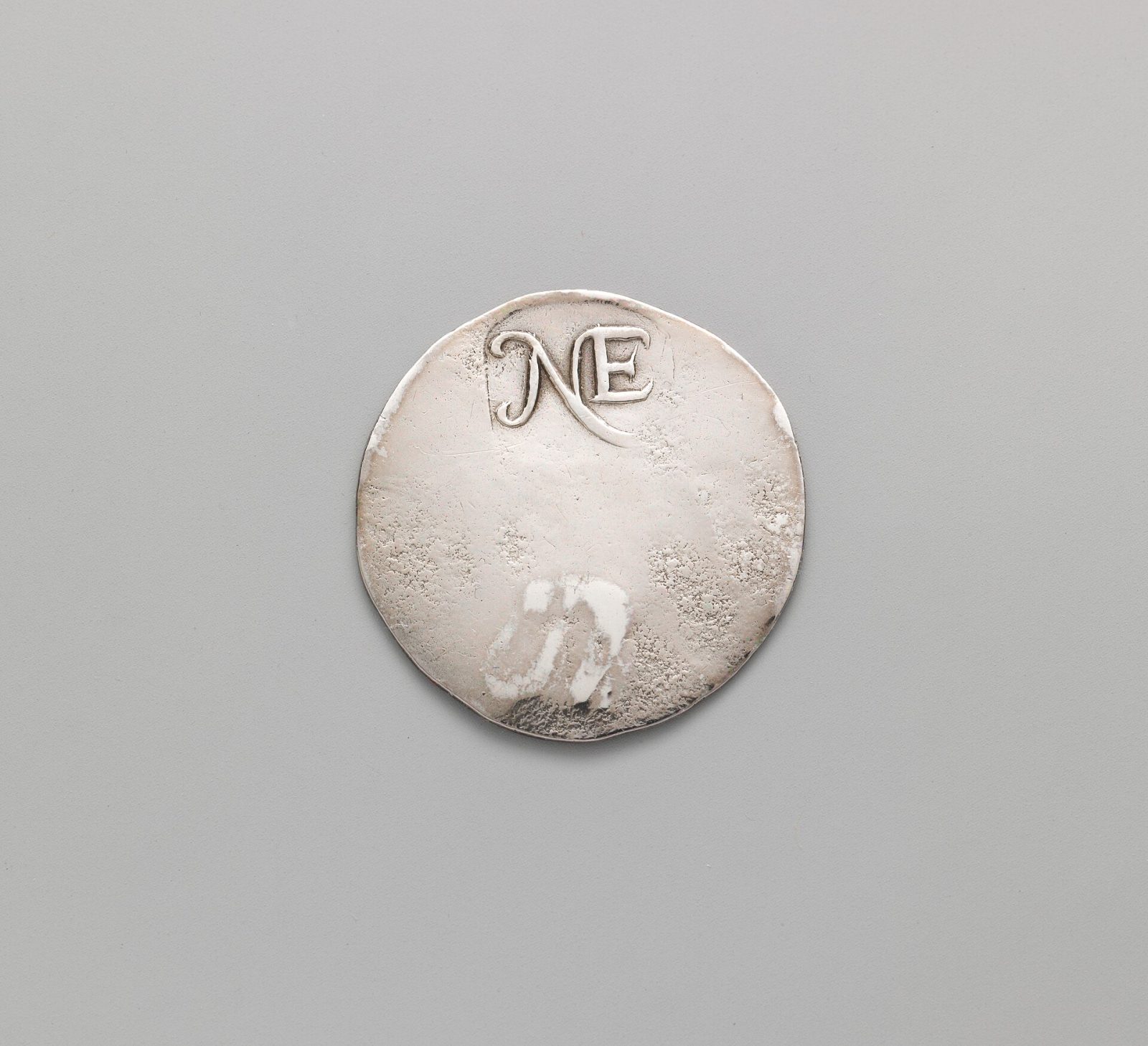
In 1978 the London coin dealer Peter Seaby saw that the coin was not English at all, but Norwegian. In February 1979 the Norwegian numismatist Kolbjørn Skaare examined it at the museum and confirmed that it is a silver penny of Olaf III Kyrre, "the Peaceful", king of Norway, struck between about 1065 and 1080. Its closest relatives are in a hoard found at Græsli in Norway in 1878.
How a Norse penny came to be in a Native village in Maine is the question. The Norse reached Newfoundland around AD 1000, and the museum's view is that the coin most likely travelled south through Native trade networks, perhaps from Labrador or Newfoundland. Others are less sure. A curator at the American Numismatic Society wrote in 2005 that it should probably be considered a hoax, planted at the site. In 2017 the Norwegian numismatist Svein Gullbekk concluded that it is a genuine coin and that its discovery is plausible, though the evidence is wholly circumstantial, and pointed out that a hoaxer would more likely have chosen a common English or German penny than a rare Norwegian one.
The coin belongs to the Maine State Museum in Augusta, which has been closed for renovation and is due to reopen in October 2026.
Written for Global Finds from S. H. Gullbekk in the Journal of the North Atlantic (2017) and the Maine State Museum. Photo: silver pennies from the Græsli hoard in Norway, of the kind found in Maine, not the Maine coin itself, NTNU Vitenskapsmuseet, Wikimedia Commons, CC BY 2.0.
Source: S. H. Gullbekk, Journal of the North Atlantic (2017)