The East Hampton Sixpence: America's first coinage, found in a frozen potato field, sold to pay for a house
Famous find Struck in Boston in 1652 · Found in 1990 See it on the timeline →
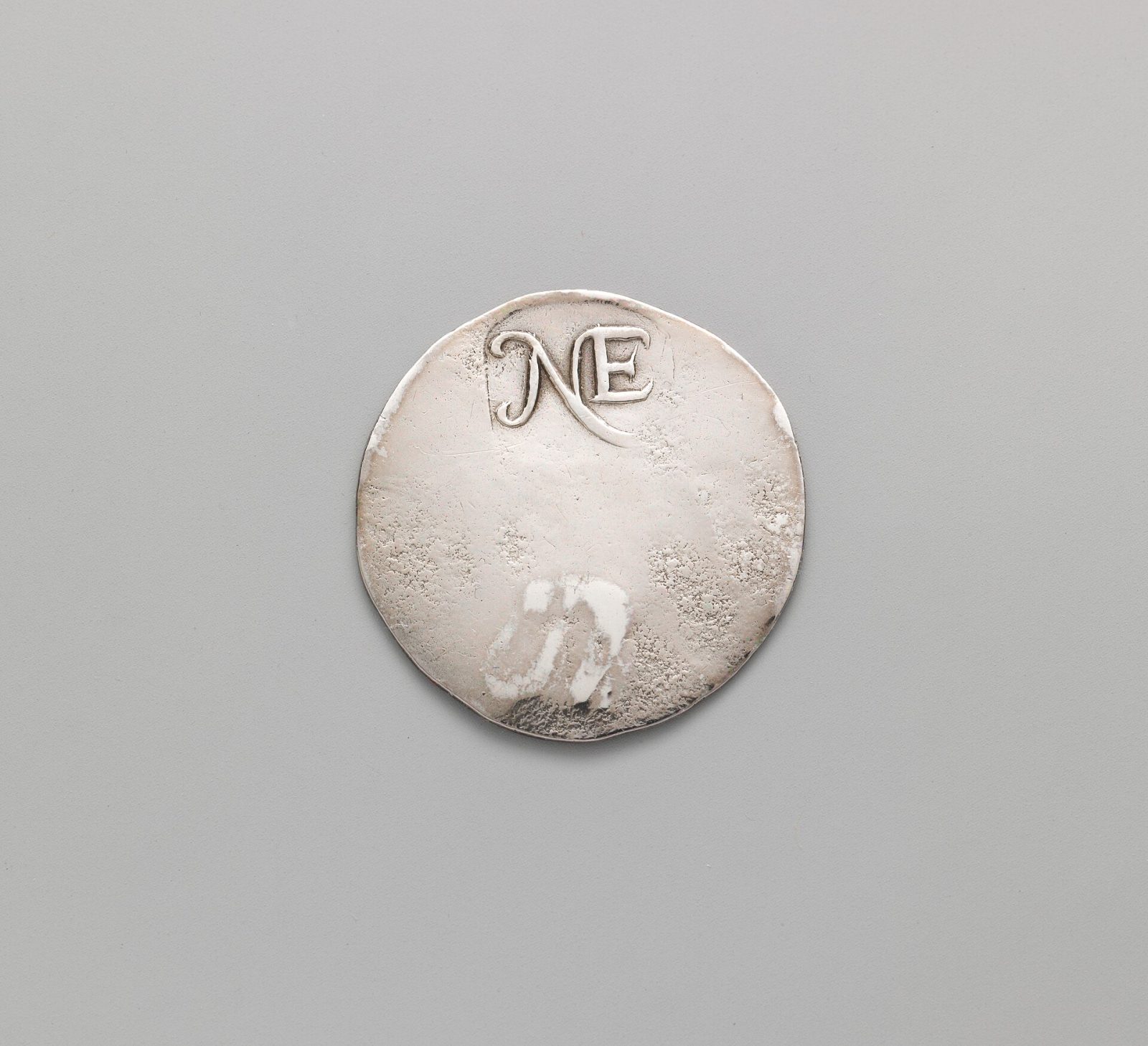
In 1990 Lillian Rade was metal detecting with her boyfriend in a frozen potato field near East Hampton, Long Island, when she found a 1652 Massachusetts 'NE' sixpence, from the first coins struck in what became the United States. Only about eight are known.
In 1990, Lillian Rade and her boyfriend, Ronald King, who later became her husband, were metal detecting in a frozen potato field near East Hampton, on the eastern end of Long Island, New York. Among the signals that day was a small, thin silver coin stamped with just two letters, NE. She has never revealed exactly where the field was.
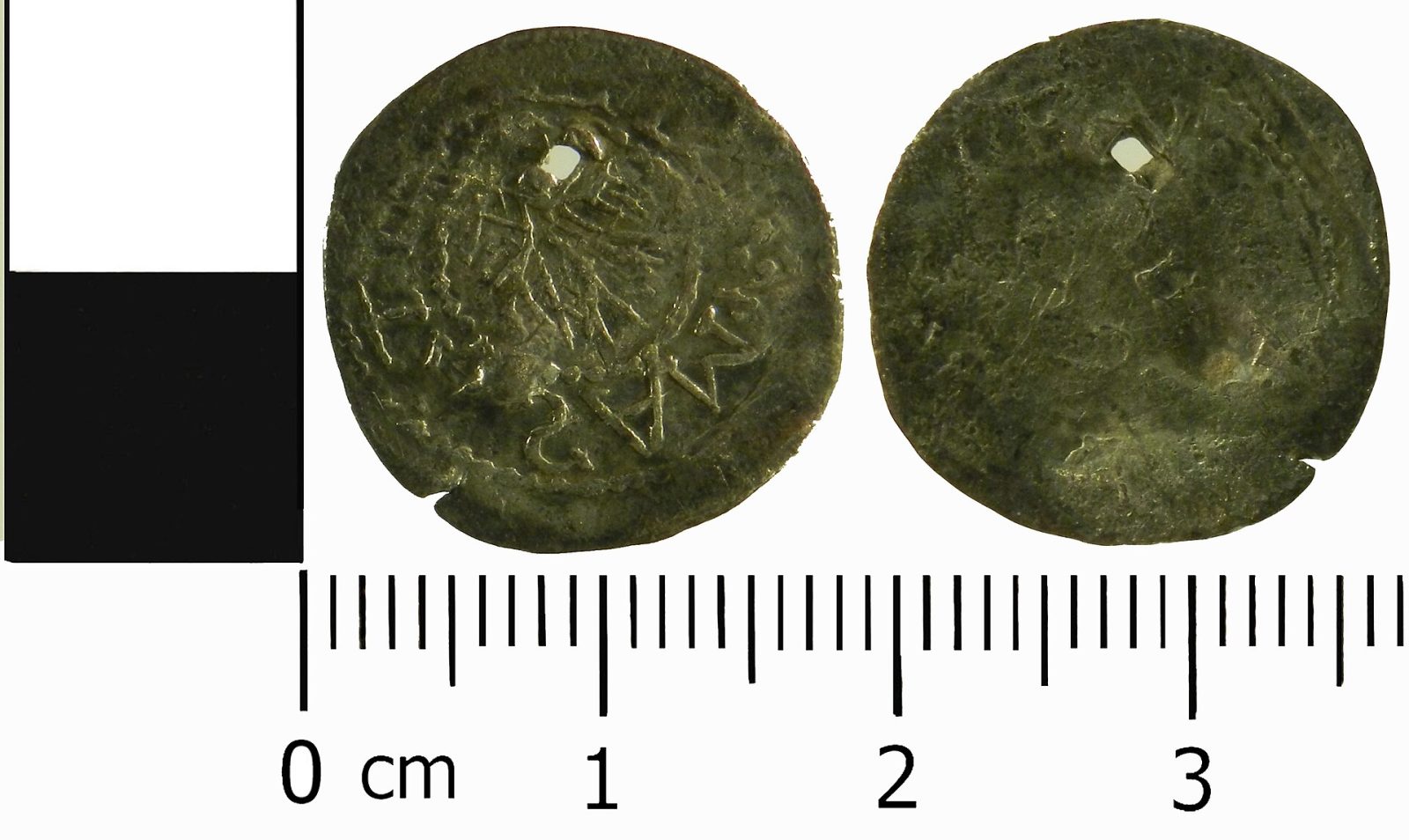
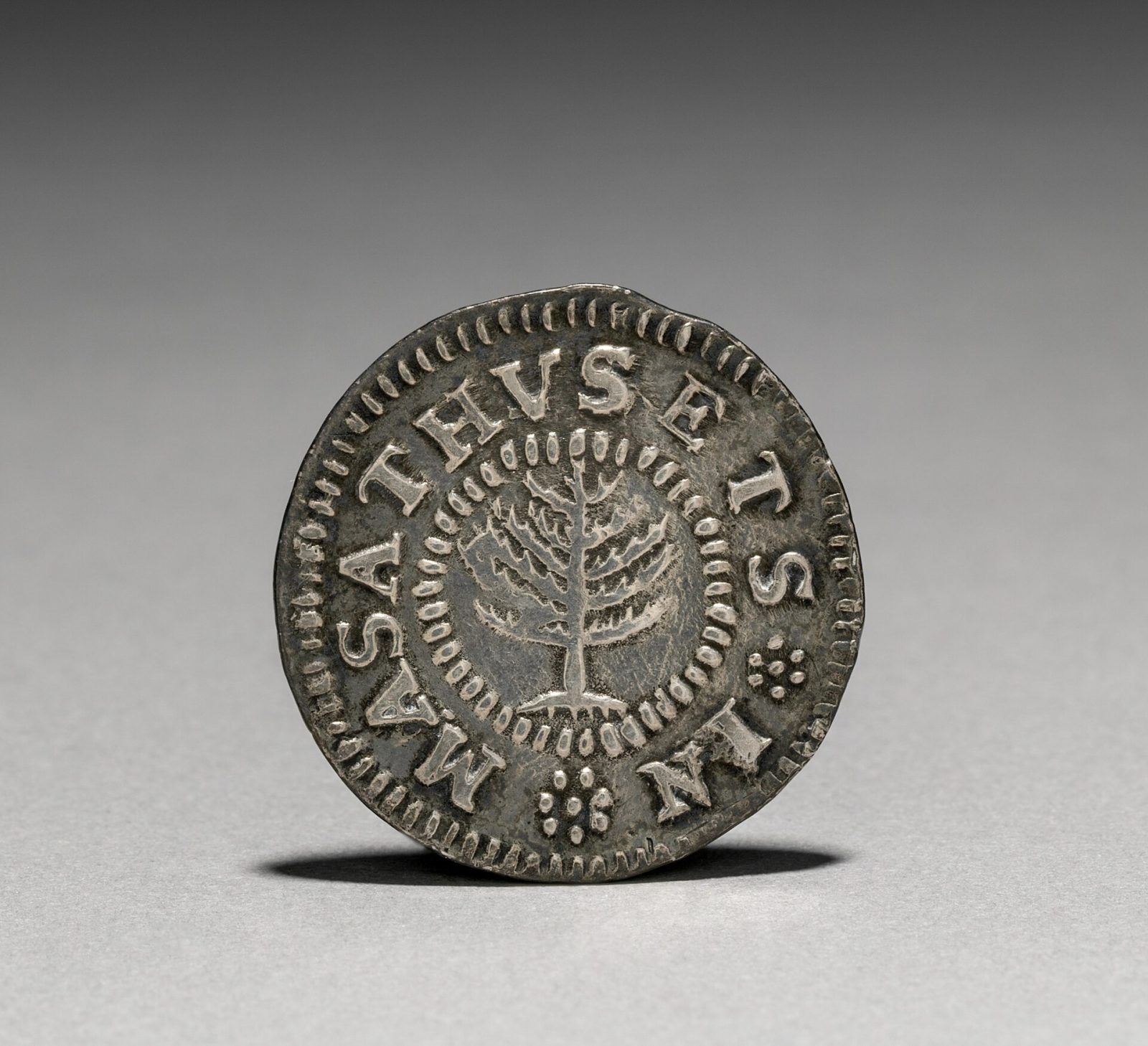
It was a sixpence of the Massachusetts Bay Colony, struck in Boston in 1652. That year the colony's General Court set up a mint, run by the silversmiths John Hull and Robert Sanderson, to ease a desperate shortage of coins. The first coins were as simple as coins can be: a plain disc of silver punched with NE, for New England, on one side and the value in Roman numerals, VI for sixpence, on the other. They were easy to clip and to forge, and within months the court ordered a new design that covered both faces, the Willow Tree coinage. That is why so few NE coins survive. They are the first coins struck in British North America, in what would become the United States, and only about eight NE sixpences are known, a few of them in museums.
In 1992 Sotheby's in Manhattan sold it for her, and the coin dealers Stack's bought it for $35,200. She used the money towards the deposit on her house in East Hampton. Stack's sold the coin on to a collector, Jack Royse, who kept it for about twenty years. When his collection was auctioned in Baltimore in November 2012, the sixpence was estimated at around $100,000 and sold for $431,250, more than twelve times what she had been paid. The auction house described it as the most valuable coin ever found with a metal detector in the United States.
Asked about the sale, she said she sometimes wished she had waited and put the coin away in a safe-deposit box, but that she was happy for whoever had bought it. The buyer has not been named, and the coin is in a private collection.
Written for Global Finds from Newsday, reprinted in The E-Sylum (2012), CoinNews (2012) and the Associated Press (2012). Photo: an NE shilling of the same 1652 issue, not the East Hampton sixpence, the Metropolitan Museum of Art, Wikimedia Commons, CC0.