The Anarevitos Stater: one detector signal near Dover added a forgotten British king to history
Famous find Struck about 10 BC to AD 20 · Found in 2010 See it on the timeline →
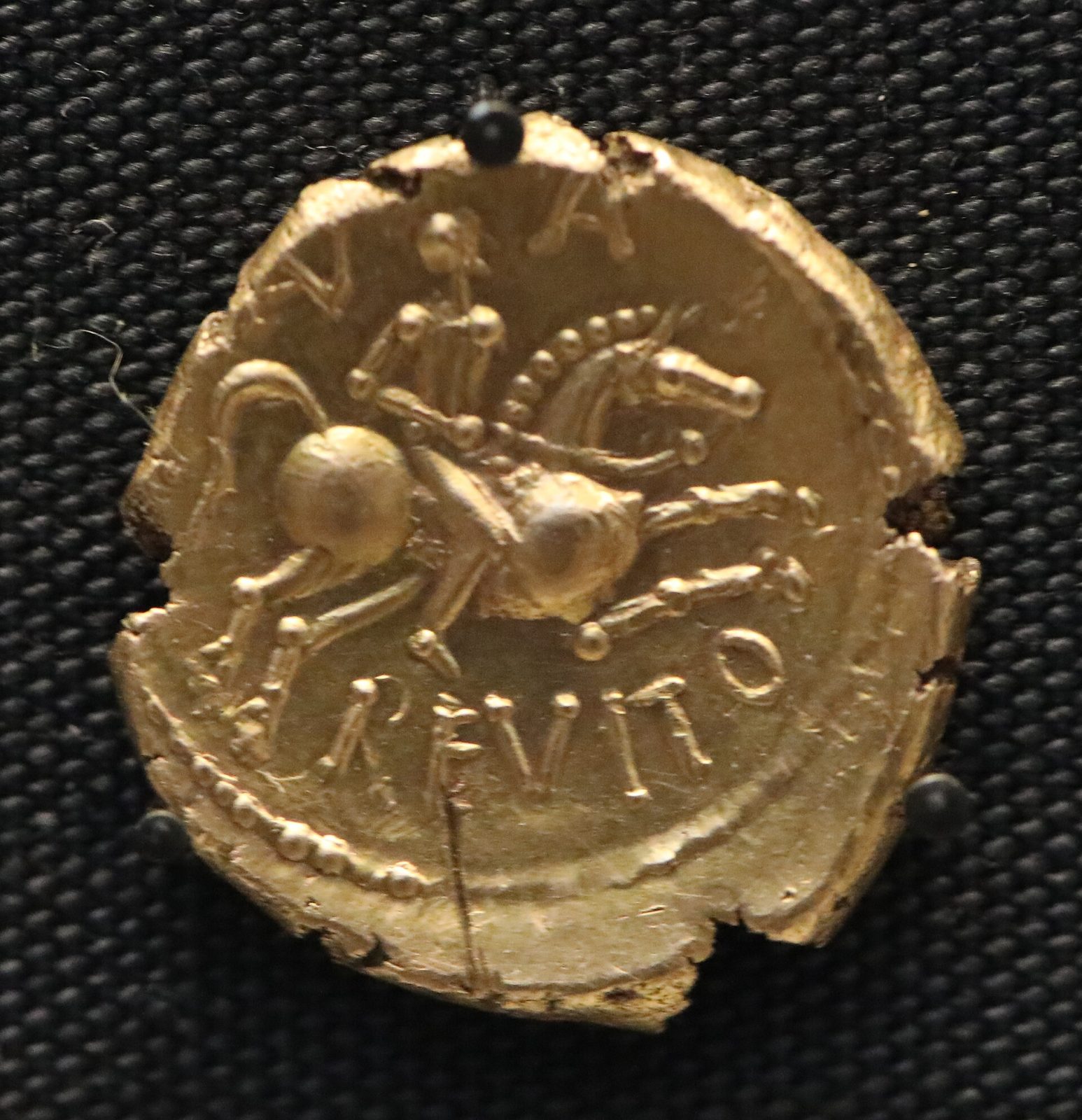
In September 2010 detectorist Danny Baldock found an Iron Age gold coin near Dover naming a ruler called Anarevitos, a king unknown to any ancient writer. The British Museum bought it with Art Fund help, and in 2024 a second coin of his turned up nearby.
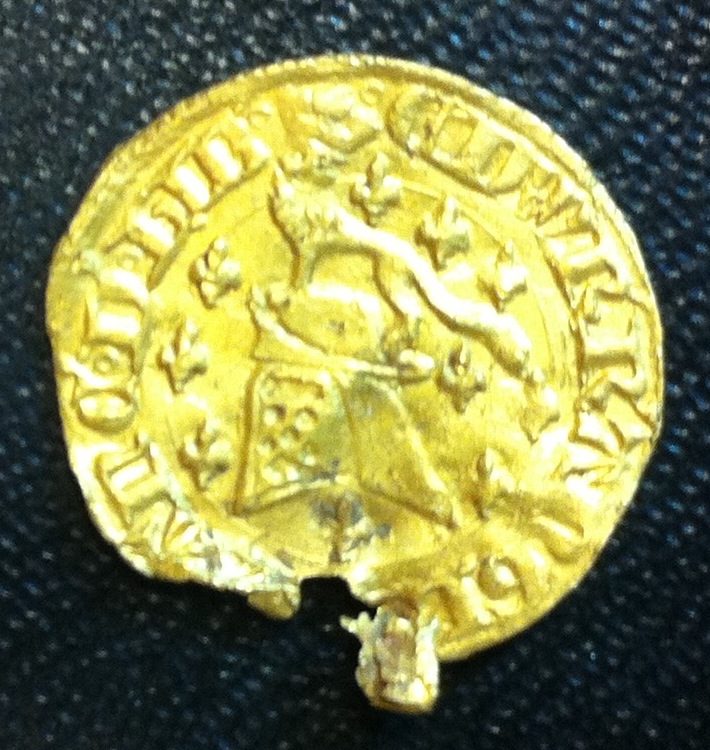
On 4 September 2010, Danny Baldock, a member of the Royal Phoenix Metal Detecting Club, was detecting on farmland near Dover in Kent when he dug up a small gold coin. It was an Iron Age stater, the kind of coin struck by British rulers in the decades before the Roman conquest, and at first glance it looked like many others. The lettering did not.
On one side, around a horseman riding to the right, ran the name ANAREVITO. On the other, beside a crossed wreath and two crescents, were the letters EPPI, for Eppillus, a known ruler in south-east Britain around the turn of the millennium. The coin weighs about 5.4 grams. Nobody had ever recorded a ruler called Anarevitos. No Roman or Greek writer mentions him, and until that day no coin of his was known. The single find added a new king to British history.
Who he was is still a matter of debate. He probably ruled in Kent at about the time of Christ, somewhere between about 10 BC and AD 20. Pairing his name with that of Eppillus suggests a close link between them. The British Museum thinks they were probably allies, while the coin dealer and Iron Age specialist Chris Rudd has suggested Anarevitos may have been a son of Eppillus.
The coin was recorded with the Portable Antiquities Scheme and sold through Chris Rudd in May 2011 for £21,000, then a record for a British Iron Age coin. The British Museum bought it, with a £13,000 grant from the Art Fund, and it featured in the ITV series Britain's Secret Treasures in 2012. Visitors have photographed it in the museum's Money gallery.
For more than a decade it was the only known coin of Anarevitos. Then, on 4 March 2024, a 75-year-old detectorist, John White, found a second about a mile away, struck from different dies. It confirmed the reading of the king's name as ANAREVITO.
Written for Global Finds from the Art Fund, the British Museum (via Google Arts & Culture) and CoinsWeekly (2011 and 2024). Photo: the Anarevitos stater in the British Museum, Geni, Wikimedia Commons, CC BY-SA 4.0.
Linked finds
Source: Art Fund