The Cupids Half Groat: a Henry VII coin, already a century old when it was lost in Newfoundland
Famous find Struck at Canterbury between 1493 and 1499 · Found in 2021 See it on the timeline →
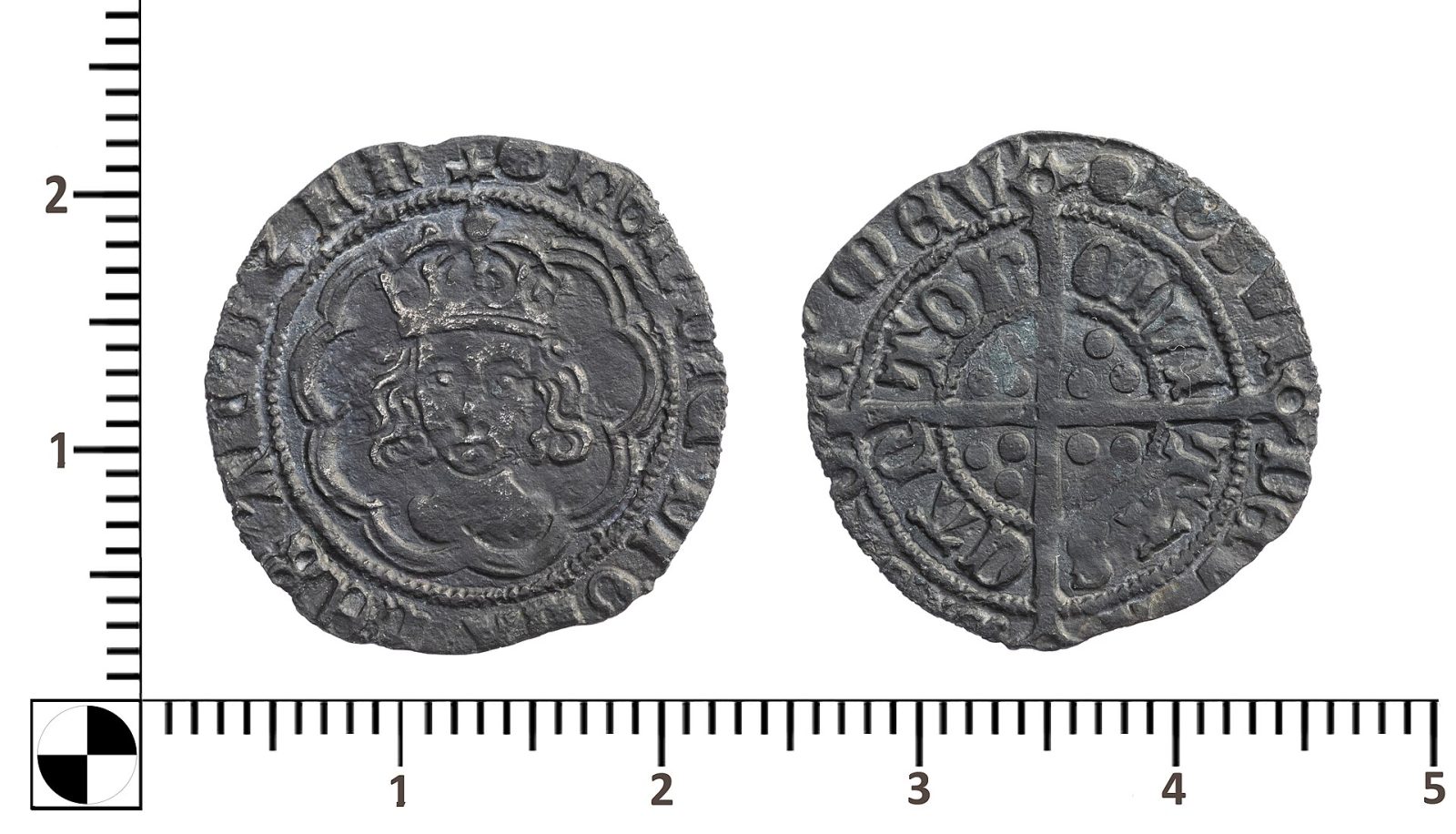
In September 2021 archaeologists at Cupids Cove in Newfoundland, England's first colony in Canada, found a silver half groat of Henry VII, struck at Canterbury in the 1490s. It is thought to be the oldest English coin ever found in Canada.
In September 2021, archaeologists were digging at the Cupids Cove Plantation Provincial Historic Site, on Conception Bay in Newfoundland, when one of the team spotted a small silver coin about 20 centimetres down, near the north-east corner of the excavation, just outside the line of a wooden palisade. The site was founded in 1610 by John Guy, a Bristol merchant, as the first English settlement in what is now Canada, and the archaeologist William Gilbert has been excavating it since he rediscovered it in 1995. More than 150,000 objects have come out of the ground there.
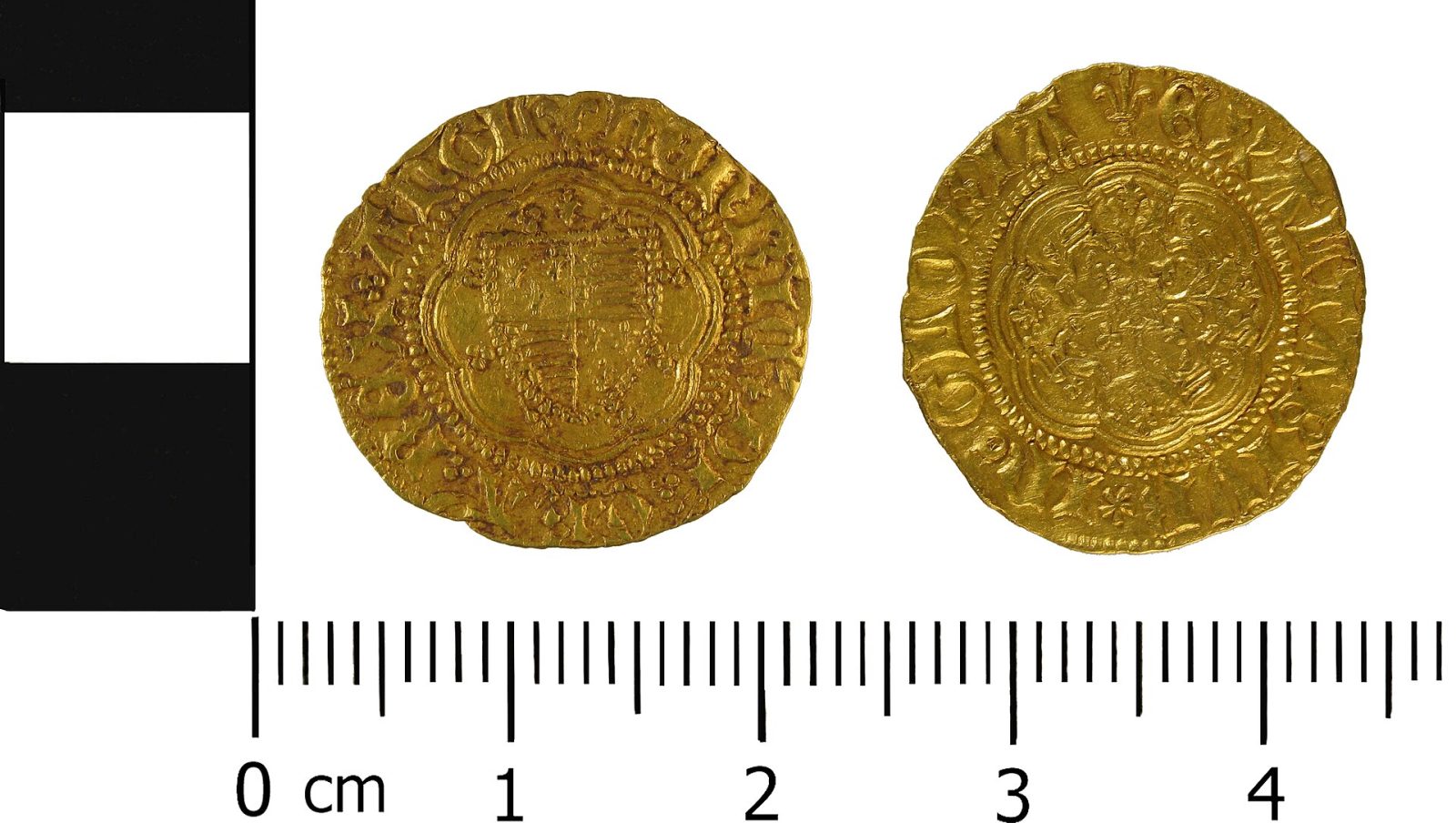
The coin was identified by Paul Berry, a former curator of the Bank of Canada's Currency Museum, as a half groat, a silver twopenny piece, of Henry VII, struck at Canterbury between 1493 and 1499. It is about the size of a Canadian five-cent piece. The front shows a stylised portrait of the king facing forward, with a legend calling him king of England and France by the grace of God. The back carries a long cross and the motto POSVI DEVM ADIVTOREM MEVM, "I have made God my helper".
The coin is older than the colony by more than a century. Struck less than fifteen years after Henry VII won his throne at Bosworth, it was probably still in someone's purse when it crossed the Atlantic with the settlers, to be lost at Cupids in the early 1600s. Old coins stayed in circulation for a long time in Tudor and Stuart England, and small silver like this was everyday money.
The site already held the record for the oldest English coin found in Canada: a silver coin of Elizabeth I dated 1560 to 1561, found there in 2001. The Henry VII half groat beat it by about sixty years. Gilbert said it was probably the oldest English coin ever found in Canada, and possibly in all of North America. The provincial government announced the find on 10 November 2021 and said it was expected to go on display at the historic site.
Written for Global Finds from the Government of Newfoundland and Labrador (2021), Archaeology Magazine (2021) and The E-Sylum (2021). Photo: a Henry VII half groat of the same type, struck at Canterbury, not the Cupids coin, Corneliu Thira, Portable Antiquities Scheme, Wikimedia Commons, CC BY 2.0.