The Arles Barge Coin: a lucky silver denarius hidden in the hull of a Roman boat sunk in the Rhône
Famous find Struck in 123 BC, hidden in a barge built about AD 50 to 60 · Found in 2011 See it on the timeline →
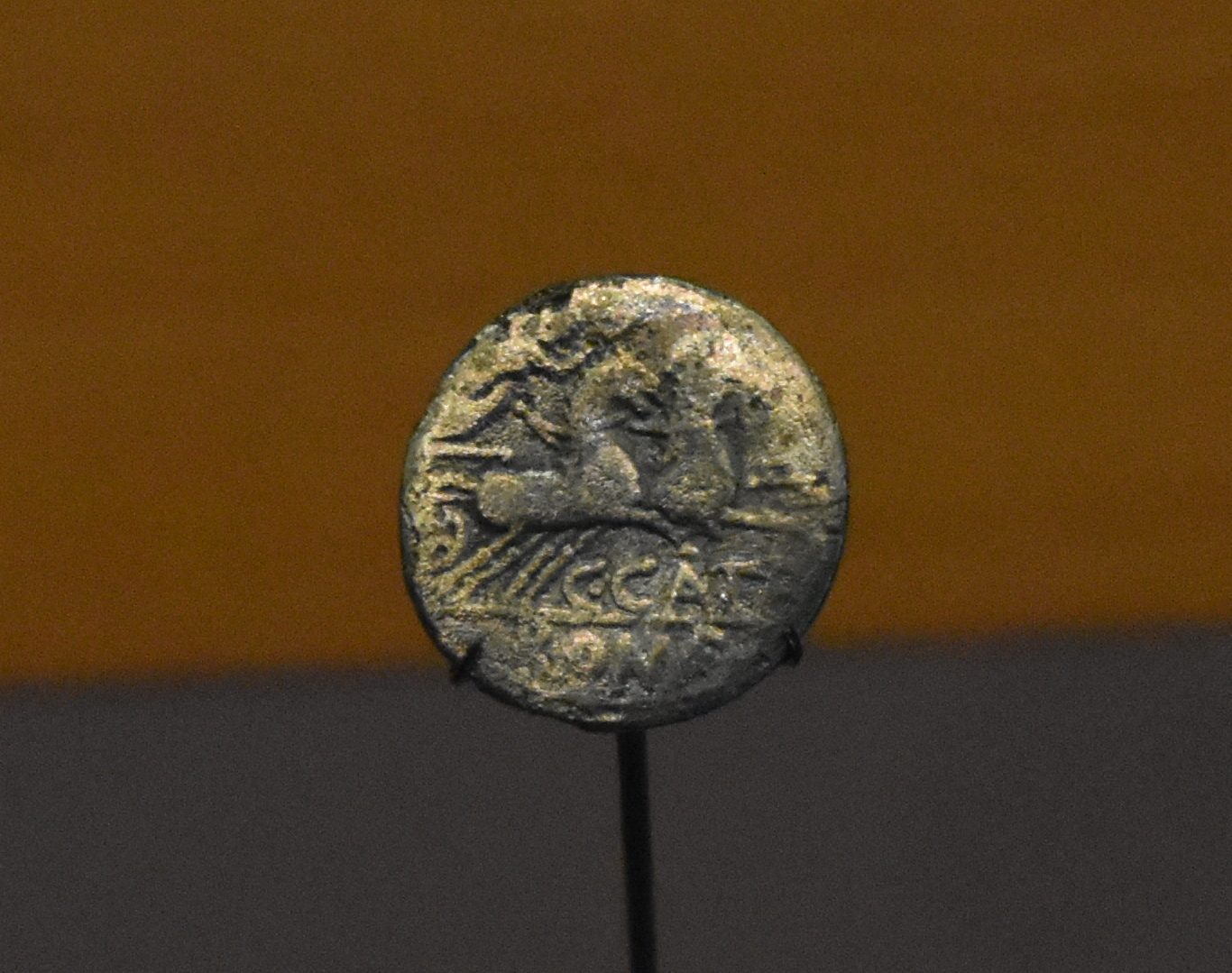
When archaeologists took apart the Roman river barge Arles-Rhône 3, raised from the Rhône at Arles in 2011, they found a silver denarius wedged between the timbers of its bow. Already 170 years old, it had been hidden there as a good-luck charm by the boat's builders.
In the autumn of 2004, a diver on a survey of the River Rhône at Arles, in southern France, led by Luc Long of the French underwater archaeology service, found the remains of a Roman barge lying in the riverbed. Arles-Rhône 3 turned out to be 31 metres long and almost complete, still loaded with its last cargo of limestone blocks. It was declared a national treasure in 2010, and in 2011 it was cut into ten sections and lifted from the river. While the hull was being dismantled, the archaeologists found a small silver coin wedged between two timbers at the bow.
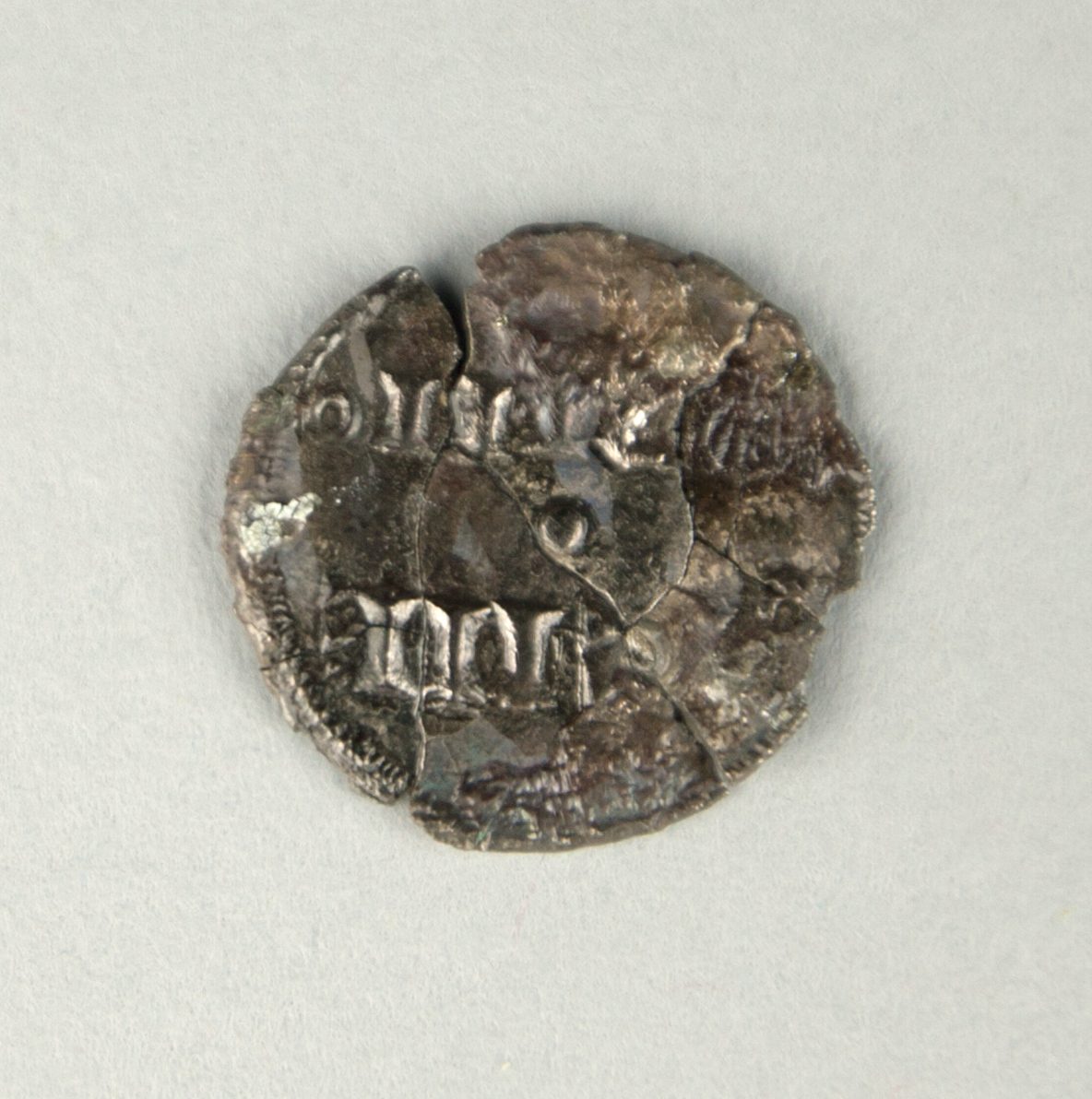
It is a Roman Republican denarius, struck in Rome in 123 BC by the moneyer Gaius Cato. It weighs 3.37 grams. On the front is the helmeted head of Roma, and on the back Victory drives a two-horse chariot above the word ROMA. Someone has stamped three small countermarks into the front: a crescent, perhaps a cross, and an M.
Its position showed that it was put there on purpose when the barge was built. Tree-ring dating shows the boat was built in the AD 50s or early 60s, so the coin was already about 170 years old. Builders of ships and boats around the Mediterranean often hid a coin in the structure for good luck, usually a small bronze coin. A silver denarius, worth something like a day's wages, was a generous offering. It was set at the bow rather than under the mast, perhaps because the towing mast of a river barge could be taken down, and hiding it between the timbers kept it safe from thieves. The custom lasted a very long time: fishermen in Normandy and at Sète were still putting coins under their masts in the 1950s. The barge sank, probably in a flood, by about AD 66.
The barge has been on show in the Musée départemental Arles antique since 2013, and the coin is displayed in a case beside it.
Written for Global Finds from D. Françoise and colleagues in S. Marlier (ed.), Archaeonautica 18 (2014), and the Musée départemental Arles antique. Photo: the lucky coin from Arles-Rhône 3 in the Musée départemental Arles antique, Tylwyth Eldar, Wikimedia Commons, CC BY-SA 4.0.