The Eadwald Penny: a Suffolk find from an East Anglian king known to history almost only through his coins
Famous find Struck about AD 796 to 798 · Found in 2012 See it on the timeline →
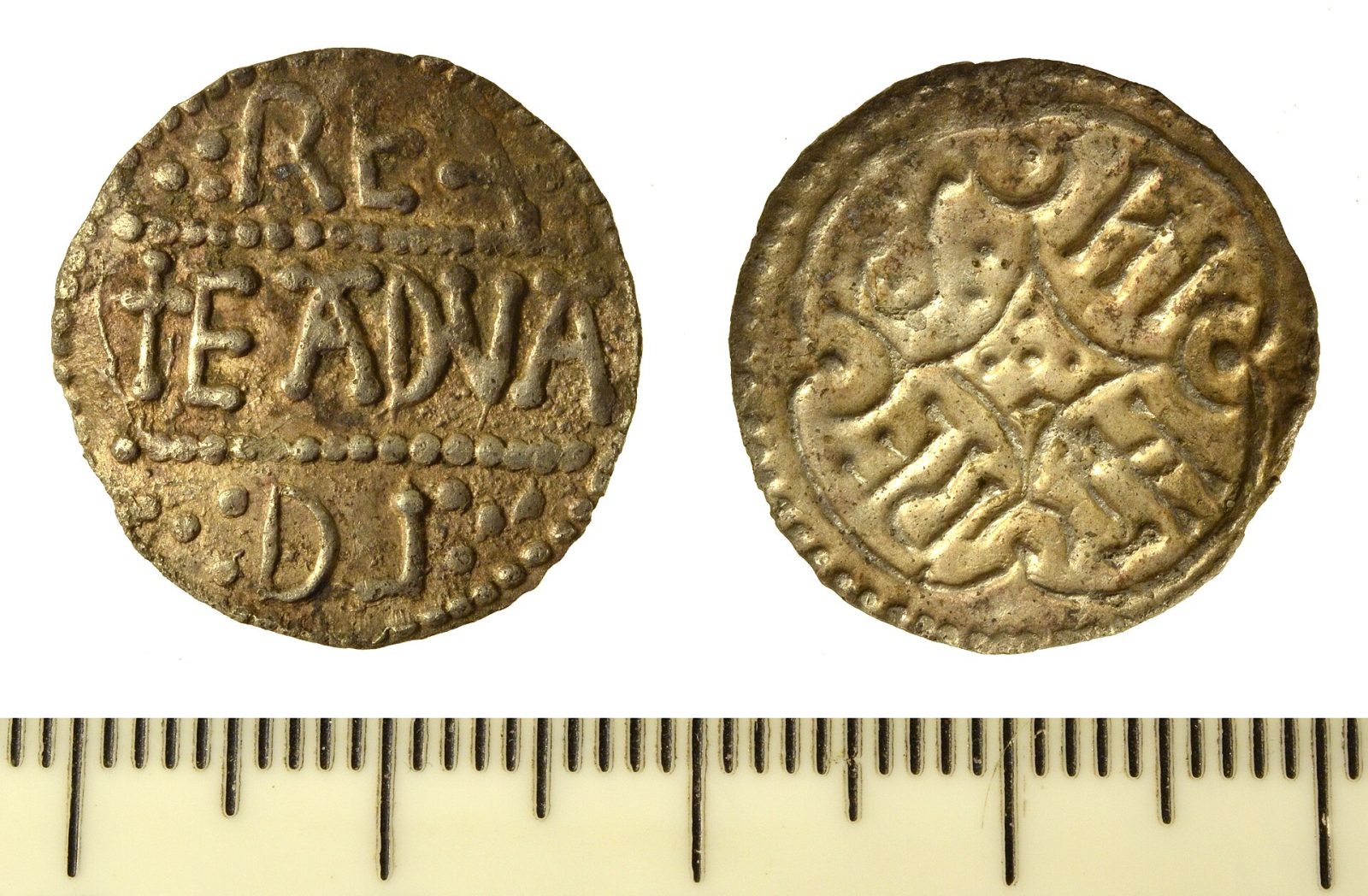
In August 2012 a detectorist near Eye in Suffolk found a silver penny of Eadwald, a king who seized East Anglia after Offa of Mercia died in 796. No chronicle mentions him; his short reign is known almost entirely from coins like this one.
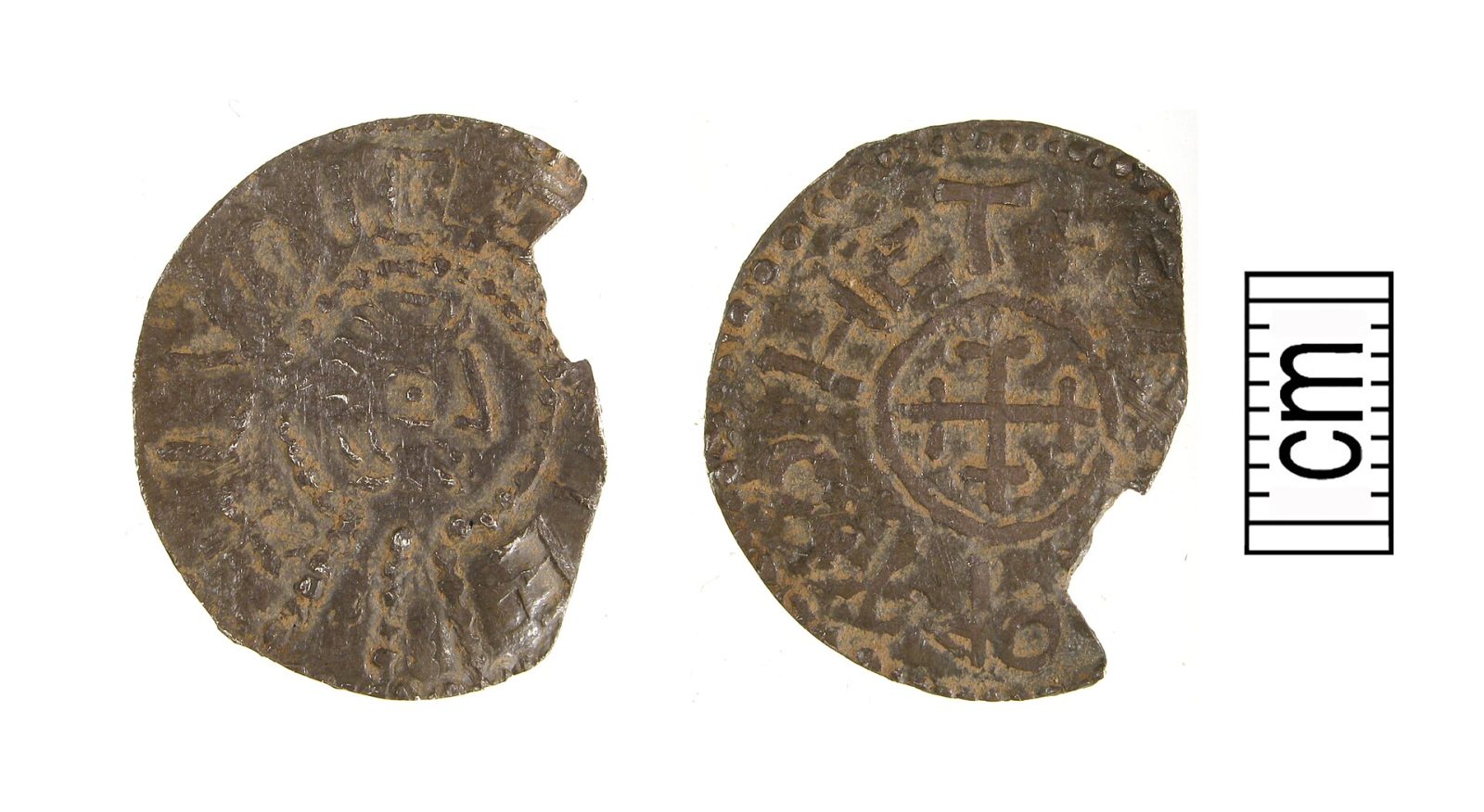
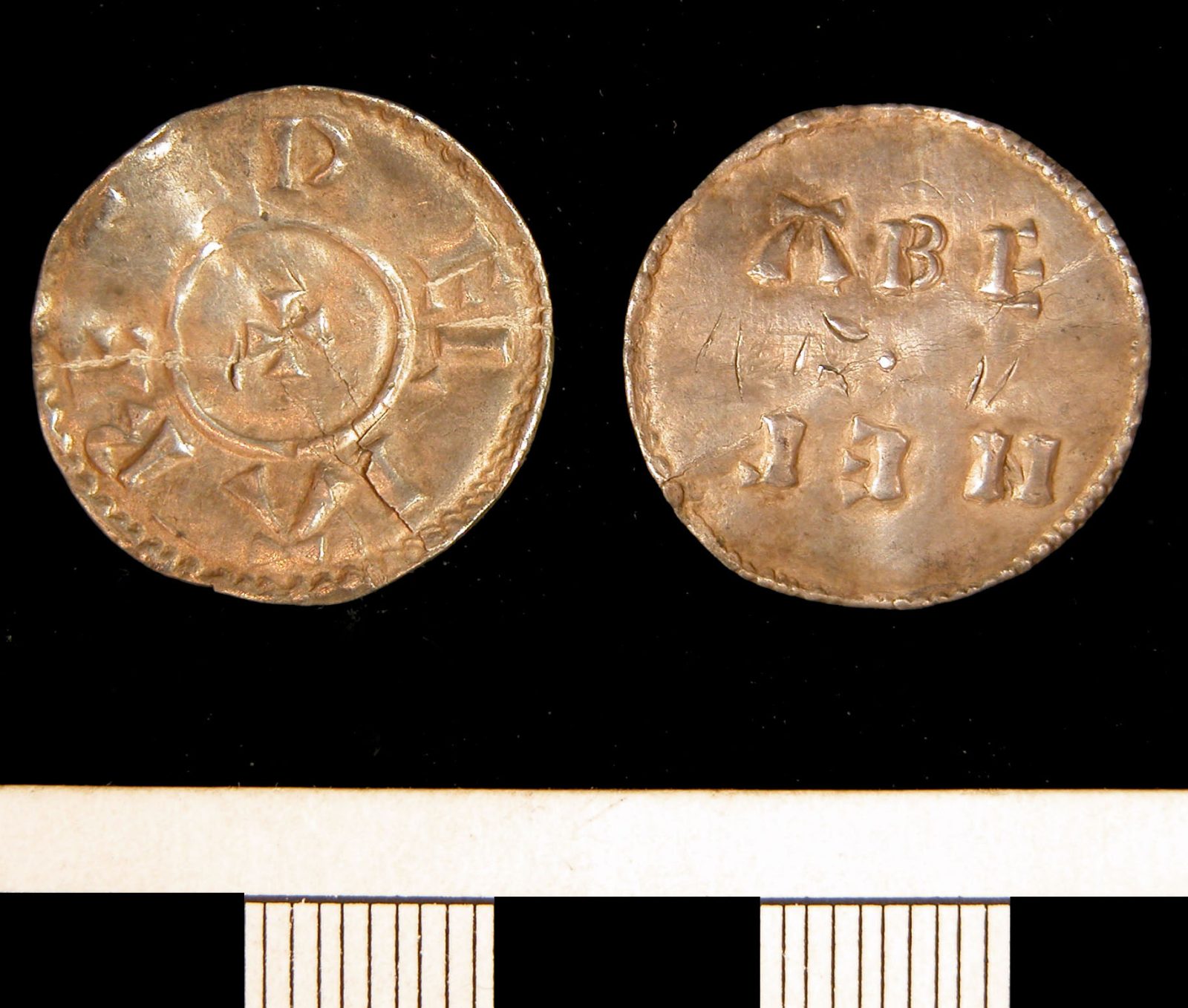
In August 2012, a metal detectorist searching near Eye, in north Suffolk, found a small silver penny in good condition. The finder's name has not been published, but the coin was reported and recorded both with the Early Medieval Corpus of coin finds at the Fitzwilliam Museum in Cambridge and with the Portable Antiquities Scheme. It names a king few people have ever heard of.
The front reads REX EADVALD, "King Eadwald", in three lines across the coin. The back names the moneyer, Wihtred, who probably worked in East Anglia, perhaps at Ipswich. The coin weighs about 1.3 to 1.4 grams, depending on which record you read, and it was struck from the same dies as another known example of the type.
Eadwald is a ghost of a king. No surviving chronicle or charter mentions him. Historians have pieced together his reign from his coins: it seems that when Offa, the mighty king of Mercia, died in 796, the East Angles threw off Mercian rule and Eadwald became their king, until Offa's successor Coenwulf reconquered East Anglia within a few years. Only a small number of his coins are known, perhaps around a dozen. Each new find adds to what we know about his moneyers, his mints and the length of his reign. Some of his moneyers seem to have used occasional runic letters on their coins.
Offa himself, whose gold dinar and whose execution of the East Anglian king Æthelberht are both stories on Global Finds, casts a long shadow over this coin. Eadwald's penny is evidence of the brief moment when East Anglia was independent again.
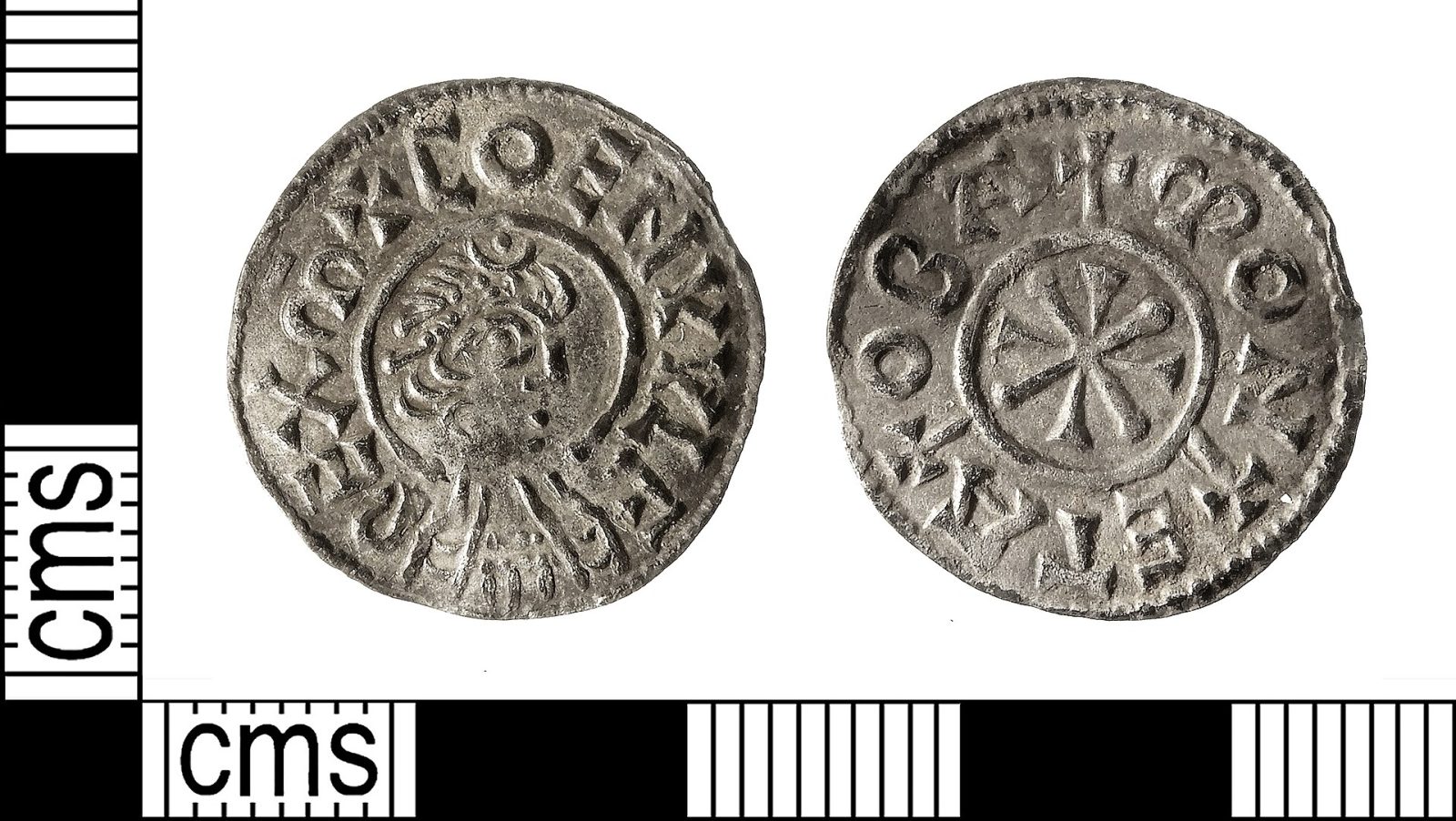
As a single silver coin, it was not Treasure. After recording, it was sold by Spink in London for £5,500, and it is in a private collection.
Written for Global Finds from the Early Medieval Corpus of coin finds (EMC 2012.0204), Spink and the Portable Antiquities Scheme (SF-BCA6B5). Photo: the Eadwald penny from near Eye, Andrew Brown, Suffolk County Council, Portable Antiquities Scheme, Wikimedia Commons, CC BY-SA 2.0.
Linked finds
Source: Spink