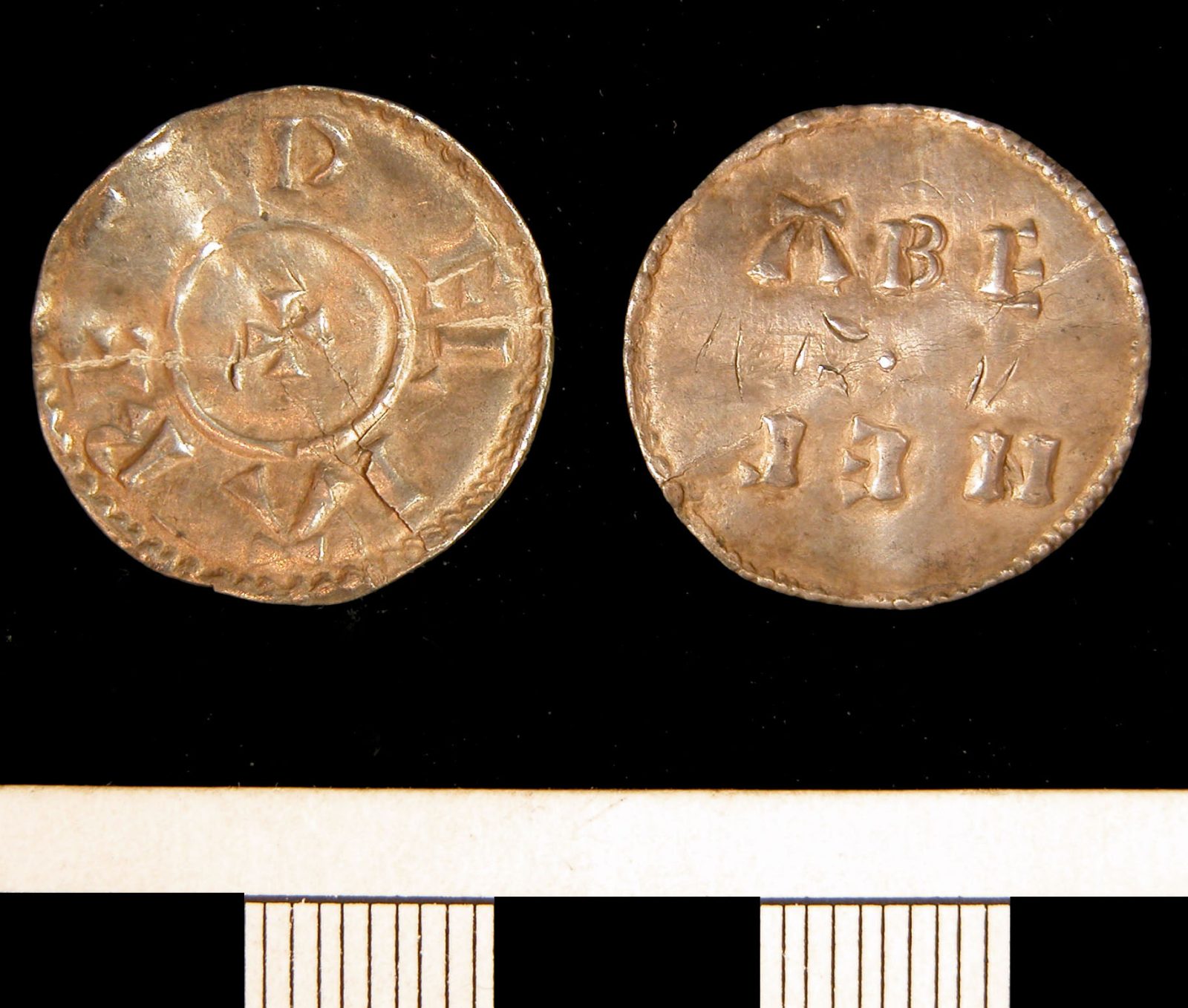
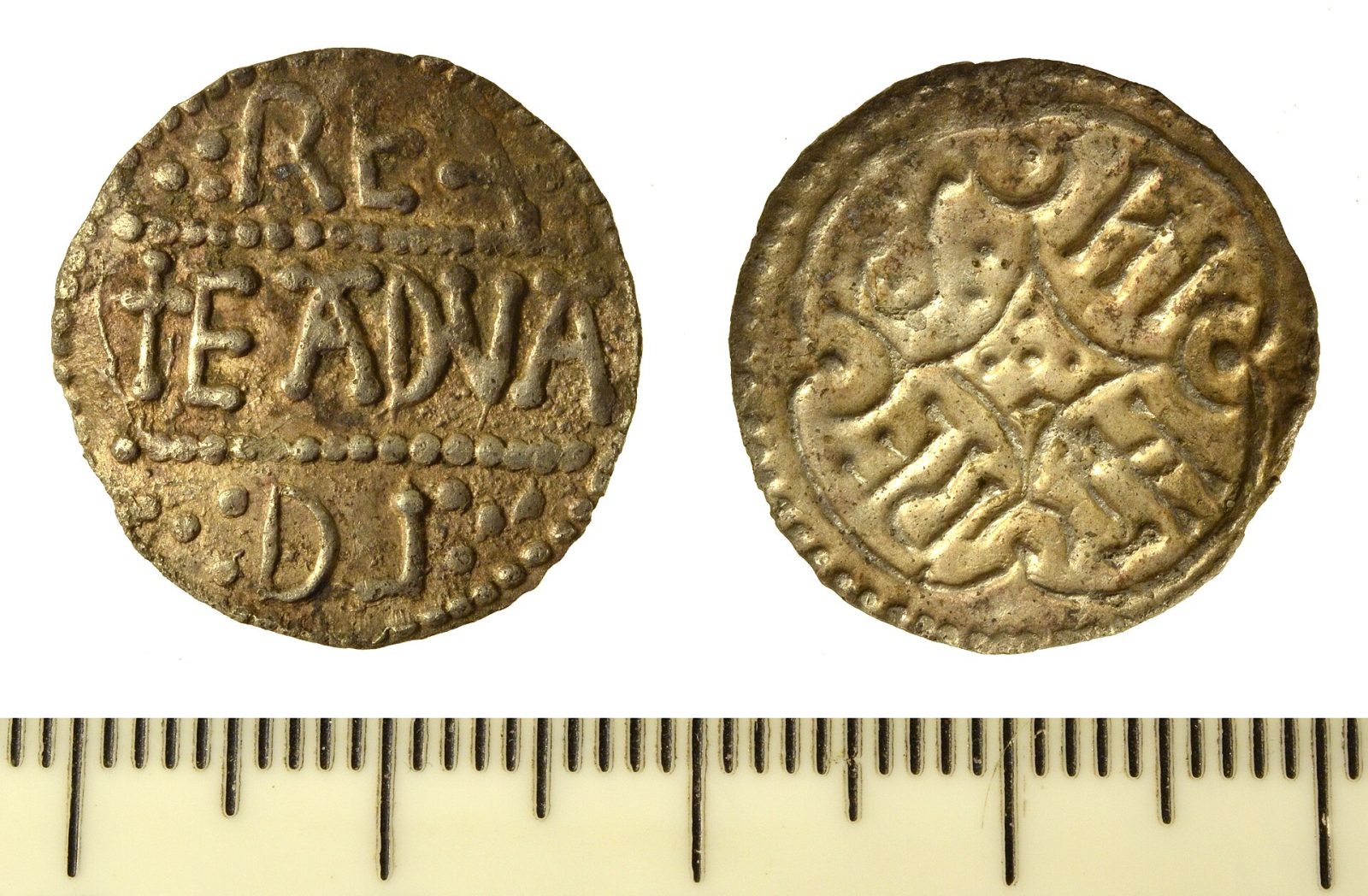
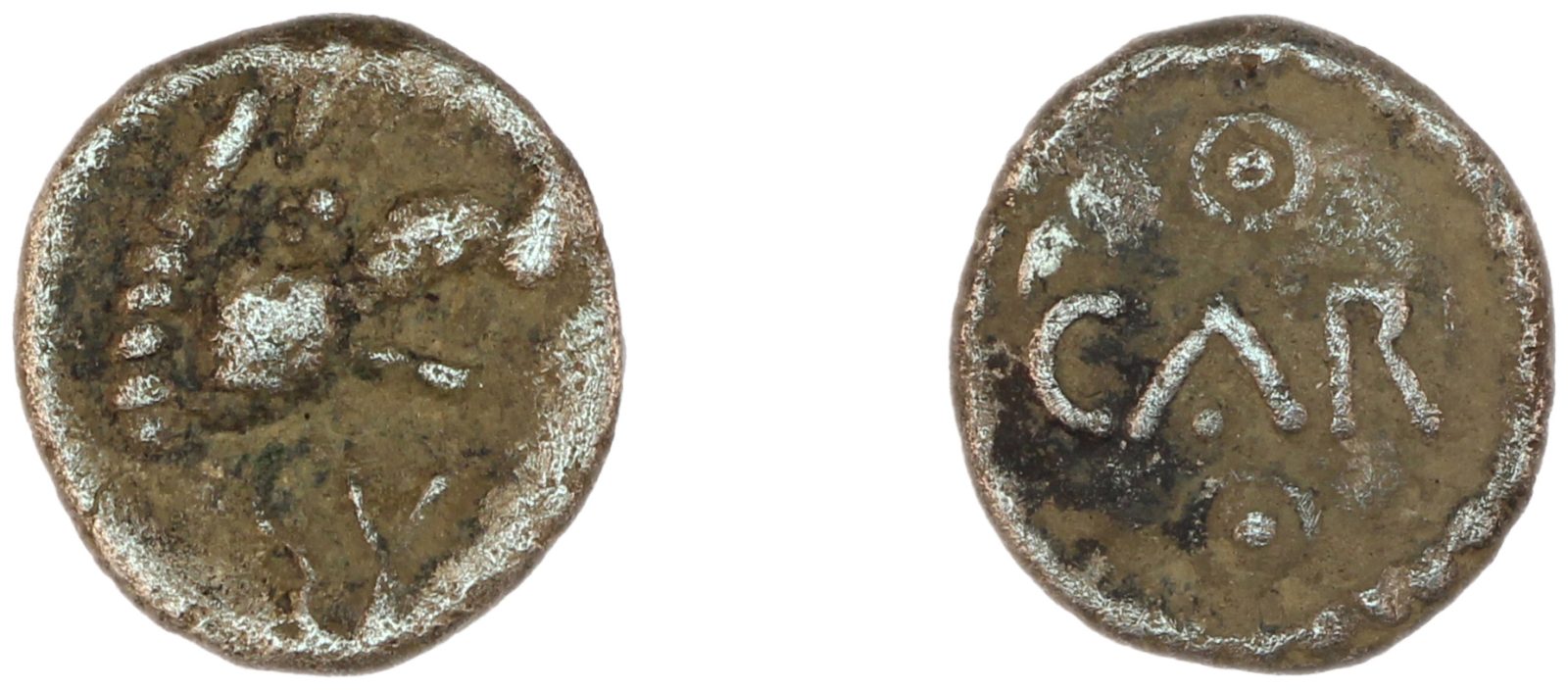
The Ludica Penny: a coin of a Mercian king killed in battle, found on the site of a Roman town
Famous find Struck about AD 825 to 827 · Found in 2009 See it on the timeline →
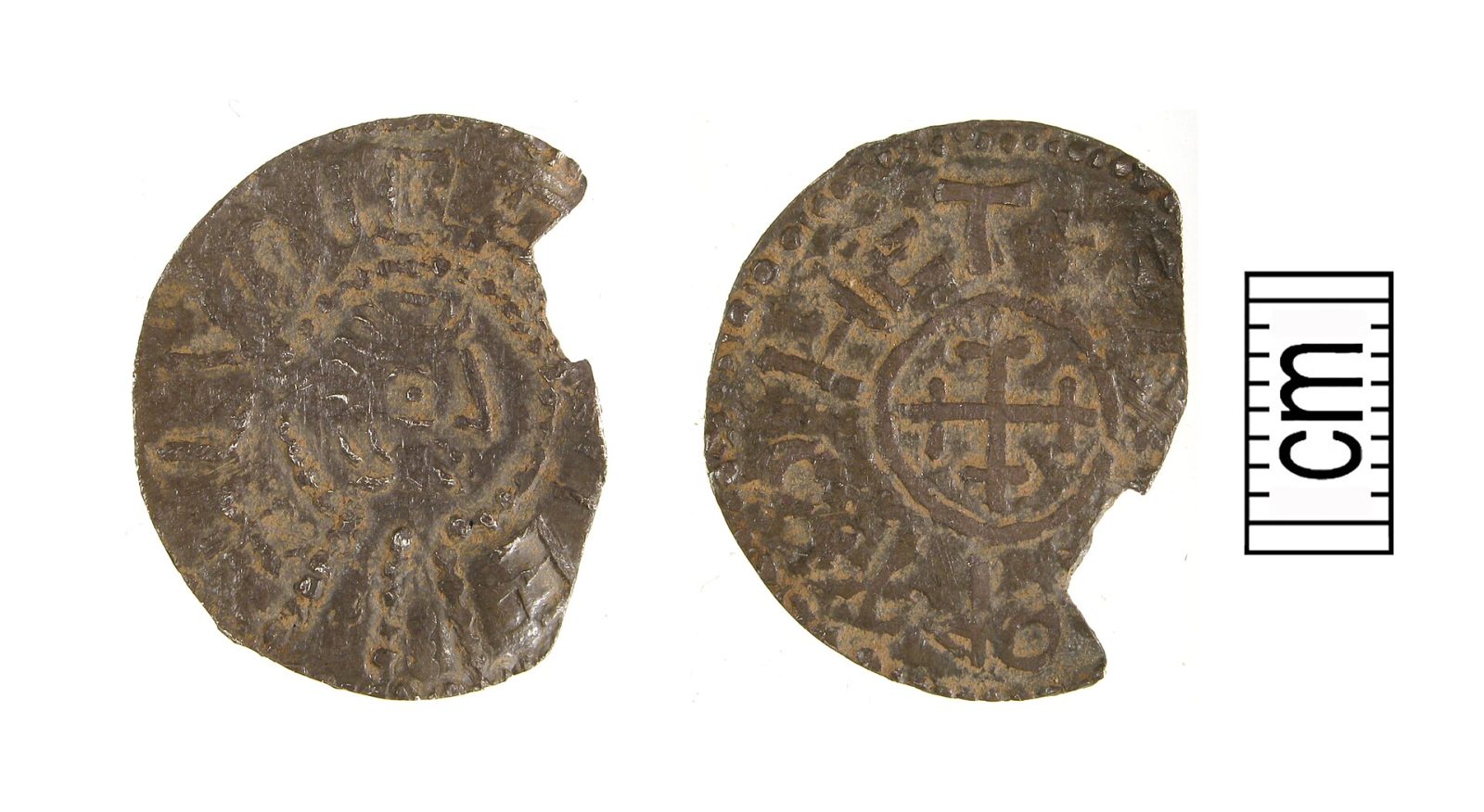
On 1 February 2009 a detectorist found a worn silver penny at Wall in Staffordshire, the site of the Roman town of Letocetum. It was struck for Ludica, king of Mercia for barely two years before he was killed in 827. Only about ten of his coins are known.
On Sunday 1 February 2009, a metal detectorist searching cultivated land in the parish of Wall, near Lichfield in Staffordshire, found a worn silver penny with about a quarter of it missing. Wall is the site of Letocetum, a Roman town on Watling Street, and Roman finds are common there. This coin was some four centuries later. It was recorded with the Portable Antiquities Scheme, whose specialists identified it as a penny of Ludica, king of Mercia.
It weighs 1.5 grams and is 20.9 millimetres across. The front shows the king's head in profile wearing a diadem, with the start of his name, LV..., still legible. The back has a cross crosslet and the name of the moneyer, Eadnoth, who worked at a mint in East Anglia, probably Ipswich. The coin is now illustrated in the standard reference work on the coinage of southern England from 796 to 865, by the numismatist Rory Naismith.
Ludica's reign was short and violent. He became king of Mercia in about 826, when Mercian power was collapsing after defeat by Wessex. According to the Anglo-Saxon Chronicle, he was killed in 827, together with five of his ealdormen, while invading East Anglia, the very region where this coin was struck. The dates are debated, because the Chronicle's years for this period are thought to be slightly out.
Coins of Ludica are extremely rare. Only about ten are known, nine of them from East Anglian mints like this one. The tenth, struck in London, was found by a detectorist at Coombe Bissett in Wiltshire in 2016. It was at first dismissed as a fake, then shown by metal analysis to be genuine, and sold at auction in 2020 for £32,000.
As a single silver coin, the Wall penny was not Treasure, and it was presumably returned to the finder after recording. It is not on public display.
Written for Global Finds from the Portable Antiquities Scheme (WMID-7A2DC2), R. Naismith, The Coinage of Southern England 796–865 (2011), and The E-Sylum (2020). Photo: the Ludica penny from Wall, Duncan, Birmingham Museums Trust, Portable Antiquities Scheme, Wikimedia Commons, CC BY-SA 4.0.