The Guthrum Penny: a coin of Alfred's baptised Viking enemy, nicked eight times by a suspicious Viking
Famous find Struck about AD 880 to 890 · Found in 2006 See it on the timeline →
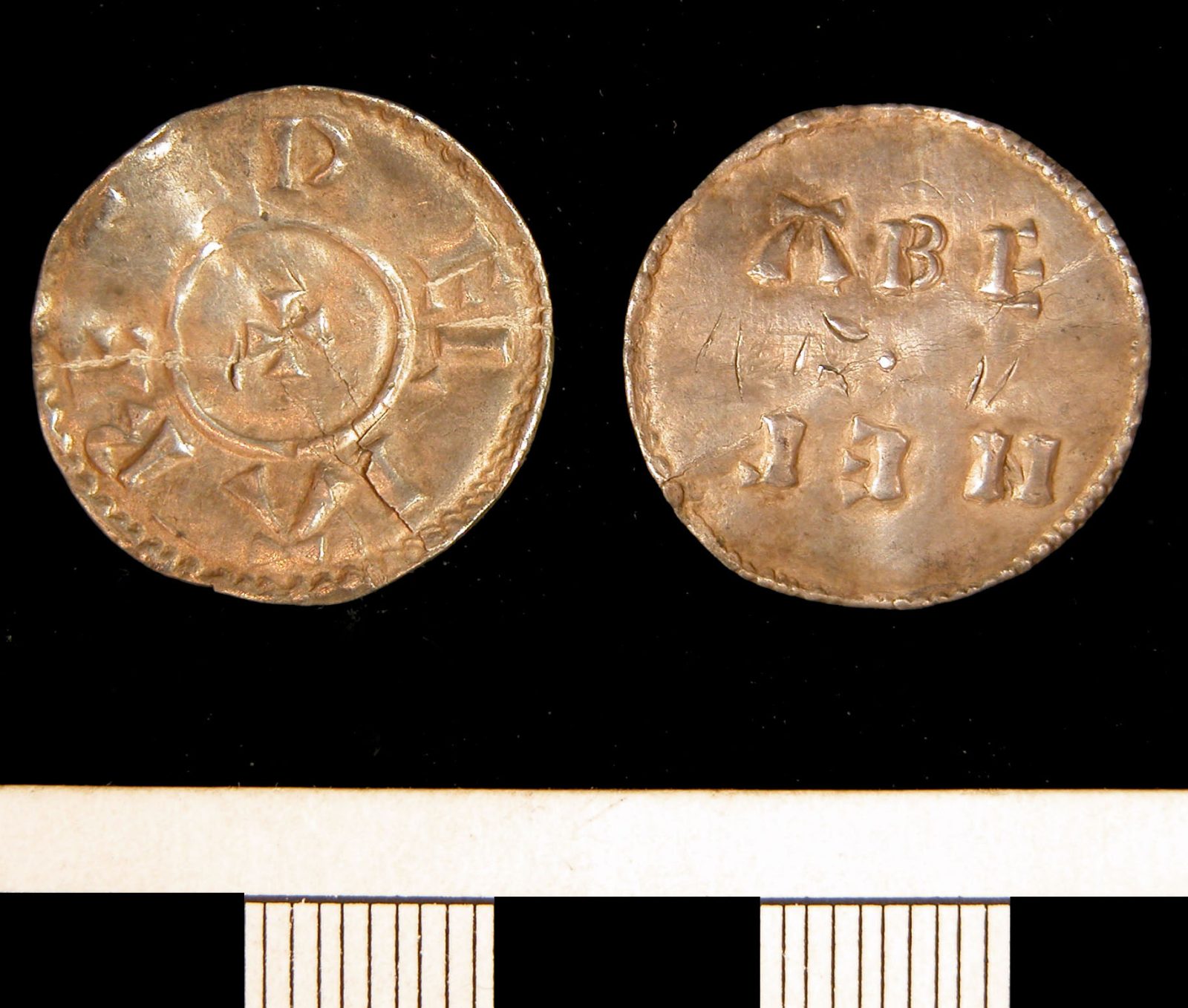
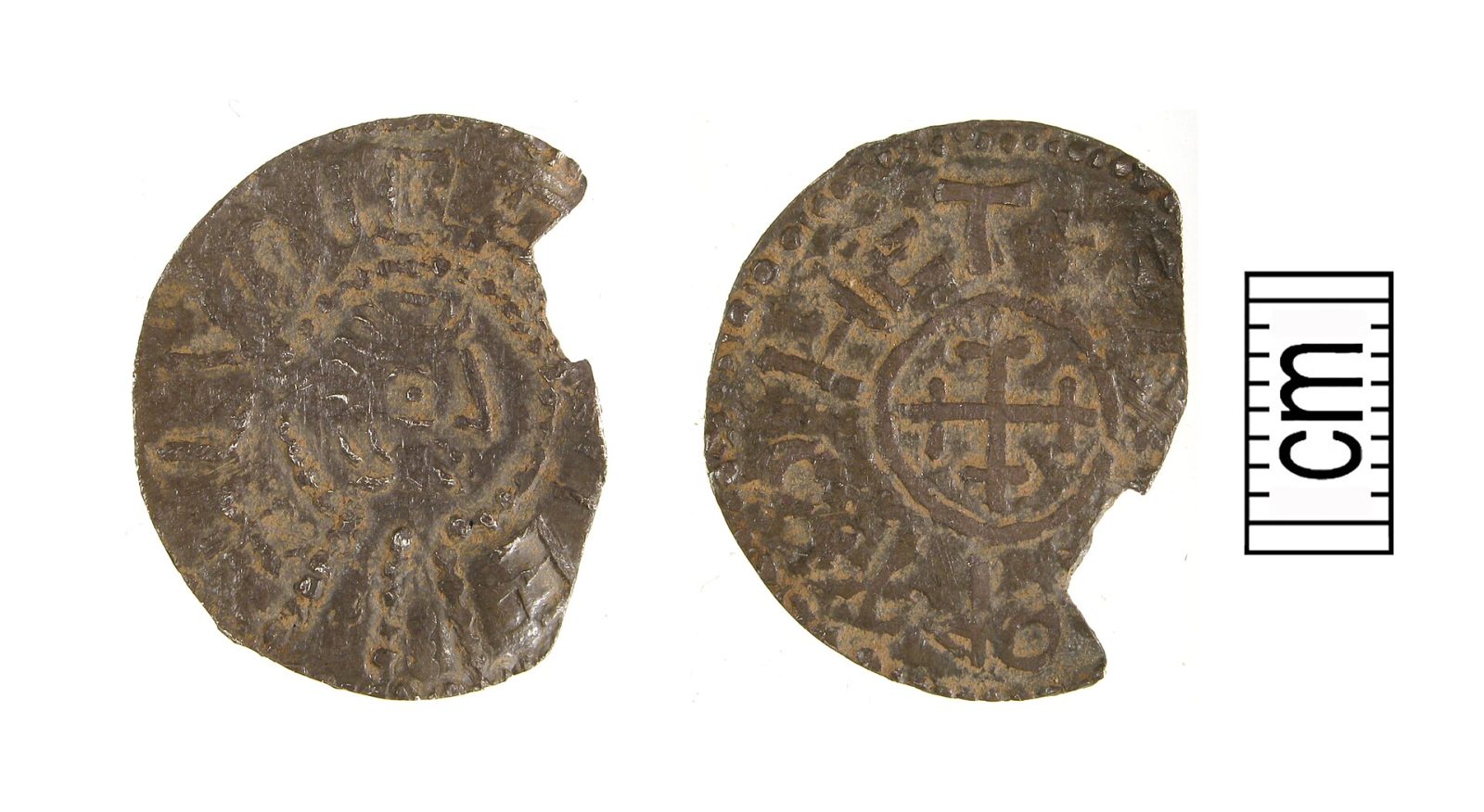
On 18 April 2006 a detectorist at Shepherdswell in Kent found a silver penny of Guthrum, the Viking leader defeated by Alfred the Great, struck in his baptismal name, Æthelstan. Its back carries eight small knife cuts made to test that the silver was genuine.
On Tuesday 18 April 2006, a metal detectorist searching cultivated land at Shepherdswell, near Dover in Kent, found a worn silver penny. The finder's name has not been published. The coin was recorded with the Portable Antiquities Scheme by the Finds Liaison Officer for Kent, who noted it as an interesting find and returned it to the finder.
It is a penny of Æthelstan II, better known by his Viking name, Guthrum. In 878 Guthrum's army surprised Alfred the Great at Chippenham and almost conquered Wessex, but Alfred rallied and defeated him at the Battle of Edington in Wiltshire. As part of the peace, Guthrum was baptised a Christian, with Alfred as his godfather, and took the English name Æthelstan. He then ruled East Anglia as a Christian king until his death in 890, and struck coins in his new name, closely copying Alfred's own.
The Shepherdswell penny weighs 1.41 grams and is 20.7 millimetres across. On the front is a small cross with a legend naming the king. On the back the moneyer's name, ABENEL, is set in two lines. It was struck in about 880 to 890.
The most striking thing about it is what someone did to it later. The back carries eight small cuts made with the point of a knife. This is called pecking: Vikings, used to weighing silver rather than trusting coins, nicked them to check that they were solid silver and not plated base metal. Pecking is common on Viking-Age coins from Scandinavia, and the Portable Antiquities Scheme suggests that in England it was probably done in Dublin, or in parts of England where coins were not yet in everyday use. A coin of a Viking king, tested by a Viking hand, ended up in a field in east Kent.
Only a few single finds of Guthrum's coins have been recorded, and claims about which was the first have not always agreed.
Written for Global Finds from the Portable Antiquities Scheme record KENT-338E94 and the Anglo-Saxon Chronicle. Photo: the Guthrum penny from Shepherdswell, Andrew Richardson, Portable Antiquities Scheme, Wikimedia Commons, CC BY-SA 2.0.