The Scarab of Wah: silver jewellery hidden inside a mummy on show for years, revealed by an X-ray
Famous find Made about 1981 to 1975 BC · Found in 1920 See it on the timeline →
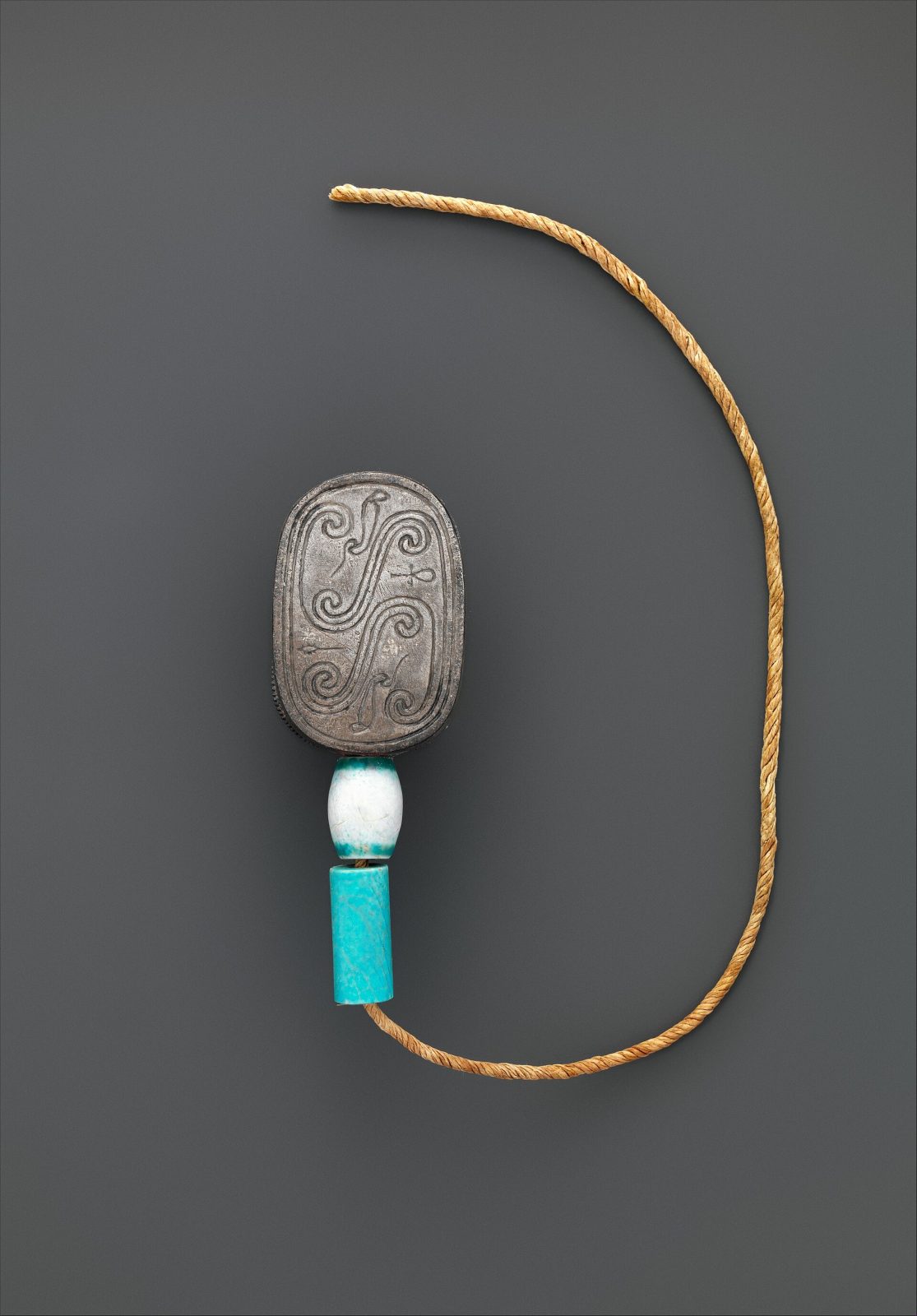
In 1920 Metropolitan Museum excavators at Thebes in Egypt found the intact burial of Wah, a storehouse overseer. His mummy went on display unopened. Years later an X-ray revealed jewellery inside, and in 1940 unwrapping uncovered a large silver scarab naming him.
In March 1920, workmen of the Metropolitan Museum of Art's Egyptian Expedition, led by Herbert Winlock, were clearing the ruined entrance of the tomb of the official Meketre at Thebes, in the cliffs opposite modern Luxor, when they struck the hidden steps of a small tomb beneath it. The door was still blocked with its brick wall. Inside lay the intact coffin of a man named Wah, under a pile of freshly laundered bed linen.
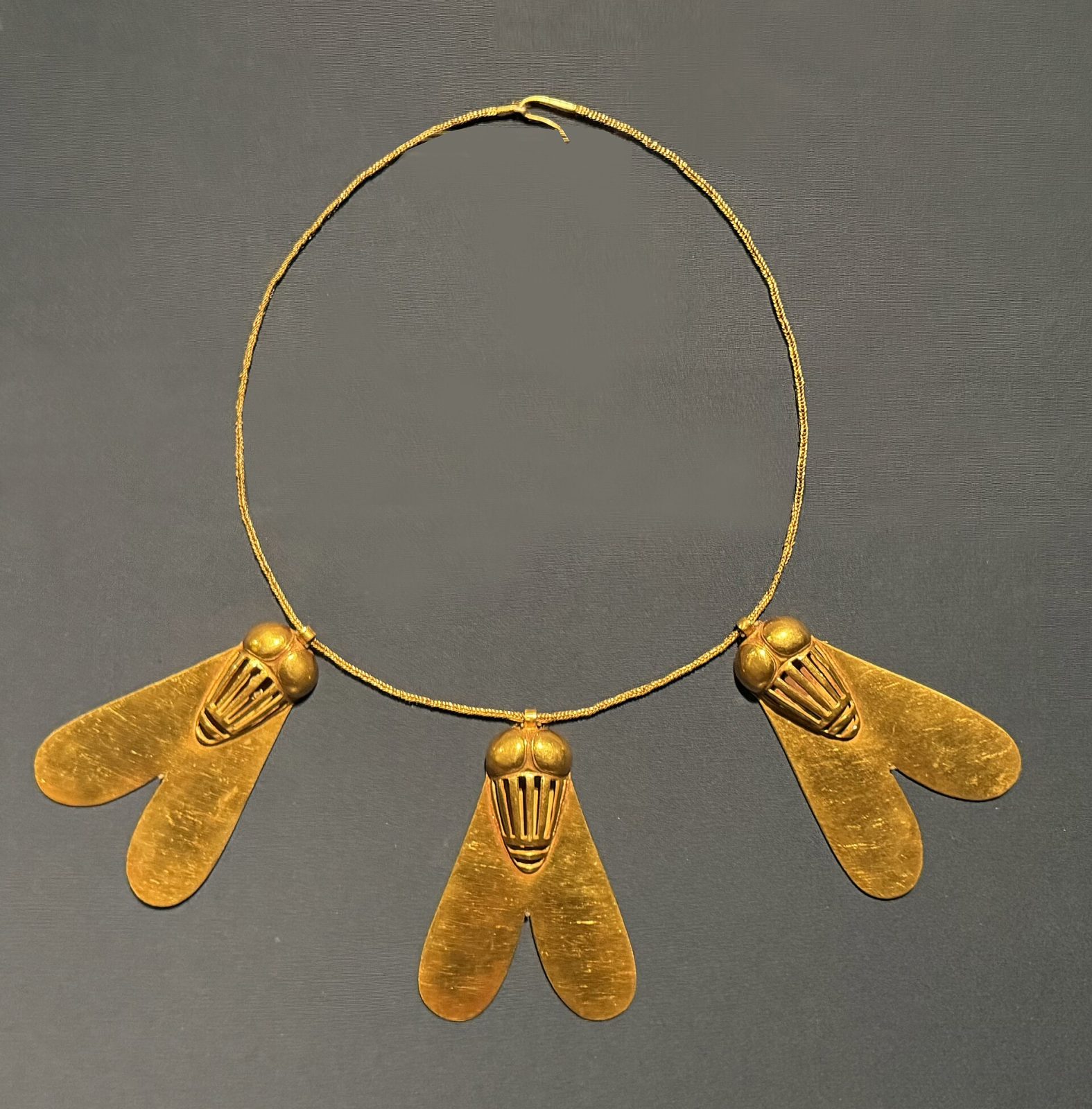
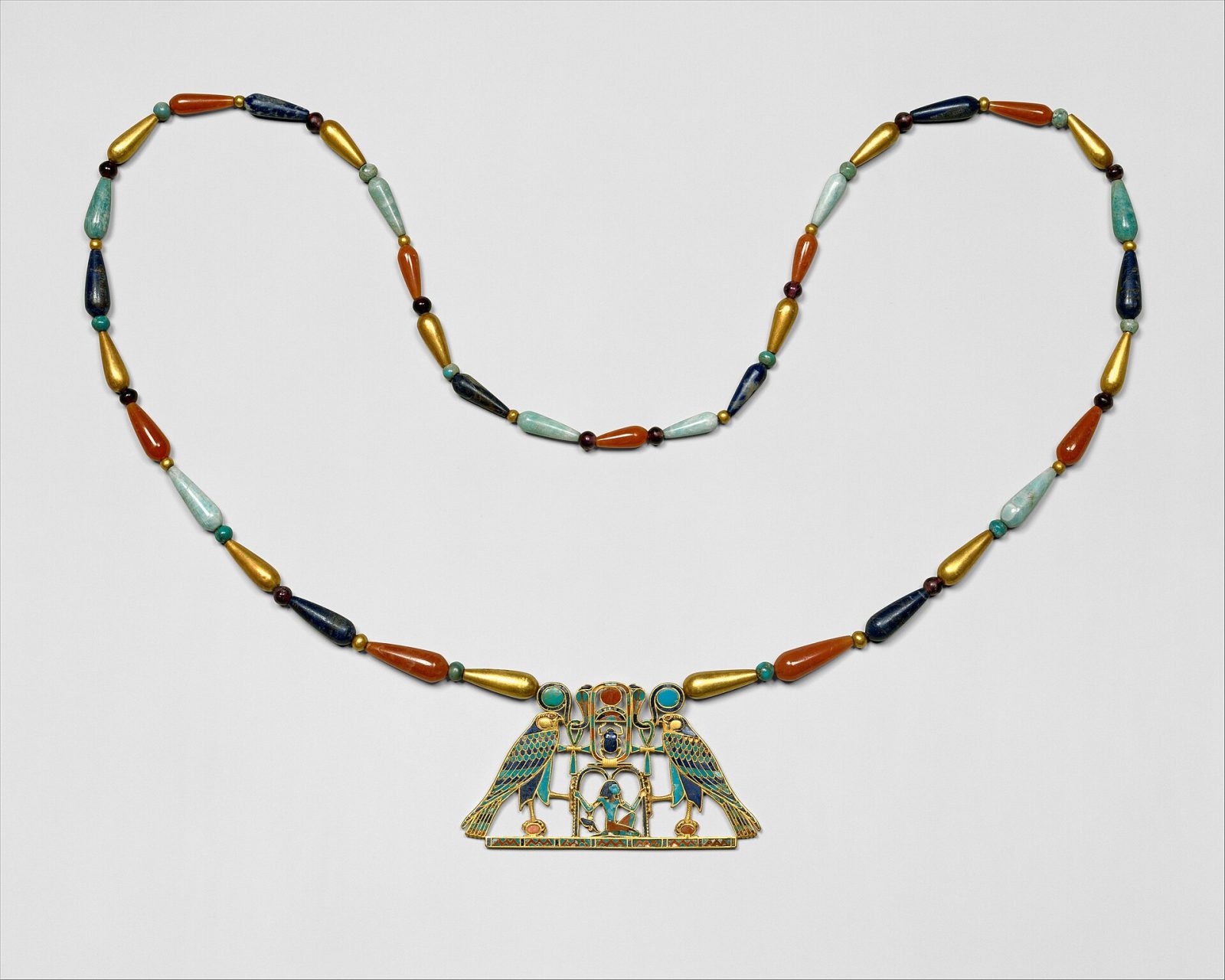
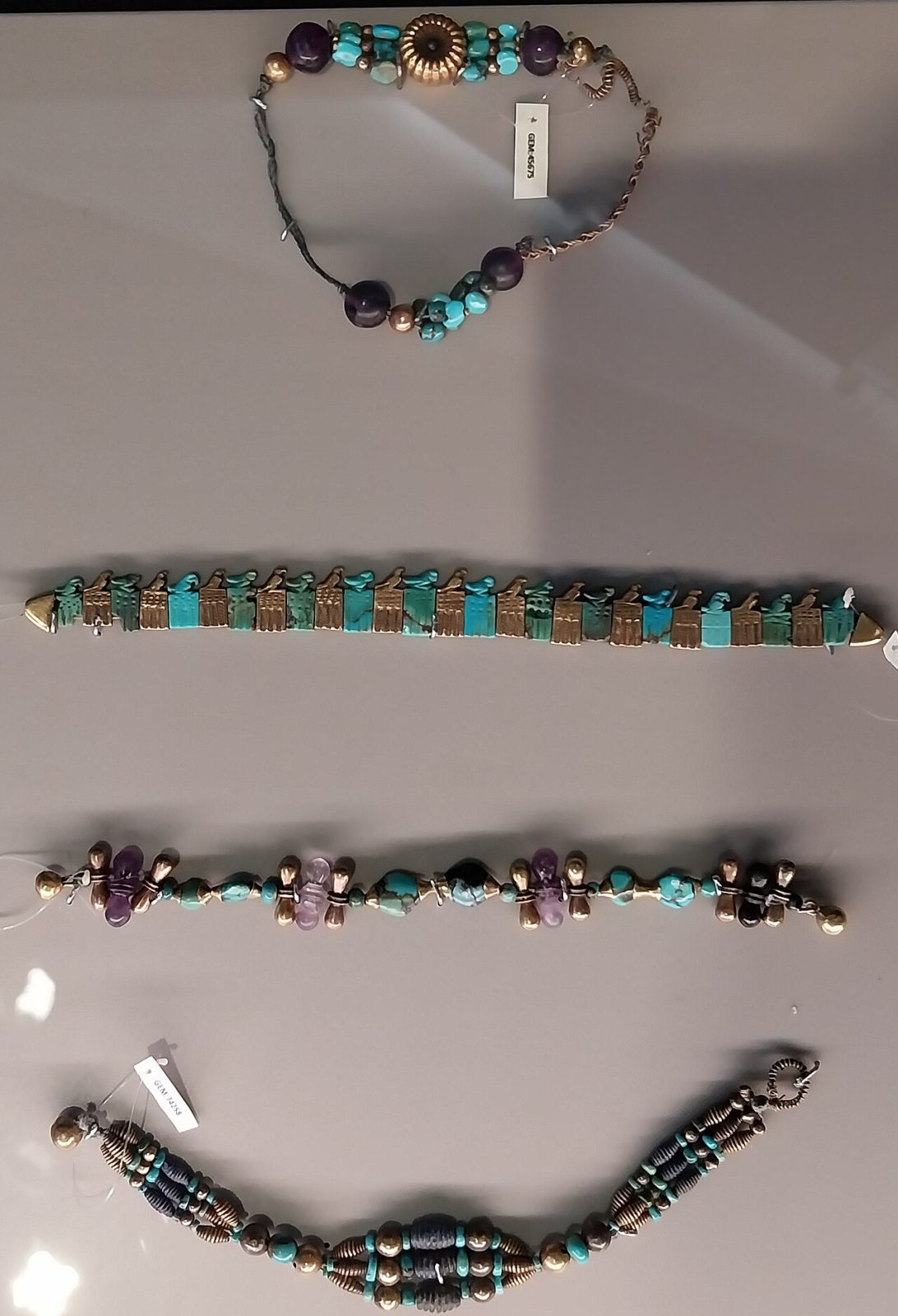
Wah's linen gave his title as Overseer of a Storehouse, and the burial looked modest, so his mummy was not unwrapped. In the division of finds it went to New York, where it was put on display just as it had been found. Years later, in the late 1930s, it was used in experiments with X-rays. The first image showed bead strings, a broad collar, bracelets, anklets and, as Winlock wrote, extraordinarily large scarabs near the wrists. In 1940 the museum unwrapped the mummy, recording every layer.
Over the crossed wrists lay four scarabs, the largest of silver. It is 3.9 centimetres long, cast in several sections, soldered together and finely chased, with a tube of electrum running through it for the cord. When Winlock cleaned the black tarnish from it, he found hieroglyphs inlaid in electrum on the wing cases, almost invisible on bright silver. One names Wah, overseer of the storehouse, and the other names his employer, the nobleman Meketre. Scratches, dents and worn string-holes show that Wah wore it in life. He was about 30 when he died.
There was one puzzle. Before burial, the faces of the silver scarabs and a lapis lazuli one had been deliberately hammered and pecked, as if to blind them. Winlock called the reason an unanswered riddle.
The scarab dates from early in the 12th Dynasty, about 1981 to 1975 BC. It is in the Metropolitan Museum of Art in New York, which recently listed it as not on view.
Written for Global Finds from H. E. Winlock, "The Mummy of Wah Unwrapped", Metropolitan Museum of Art Bulletin (1940), and the Metropolitan Museum of Art. Photo: the silver scarab of Wah, Metropolitan Museum of Art, Wikimedia Commons, CC0.
Source: H. E. Winlock, Metropolitan Museum of Art Bulletin (1940)