The Golden Flies of Queen Ahhotep: a royal treasure chased down the Nile by steamer
Famous find Made about 1560 to 1530 BC · Found in 1859 See it on the timeline →
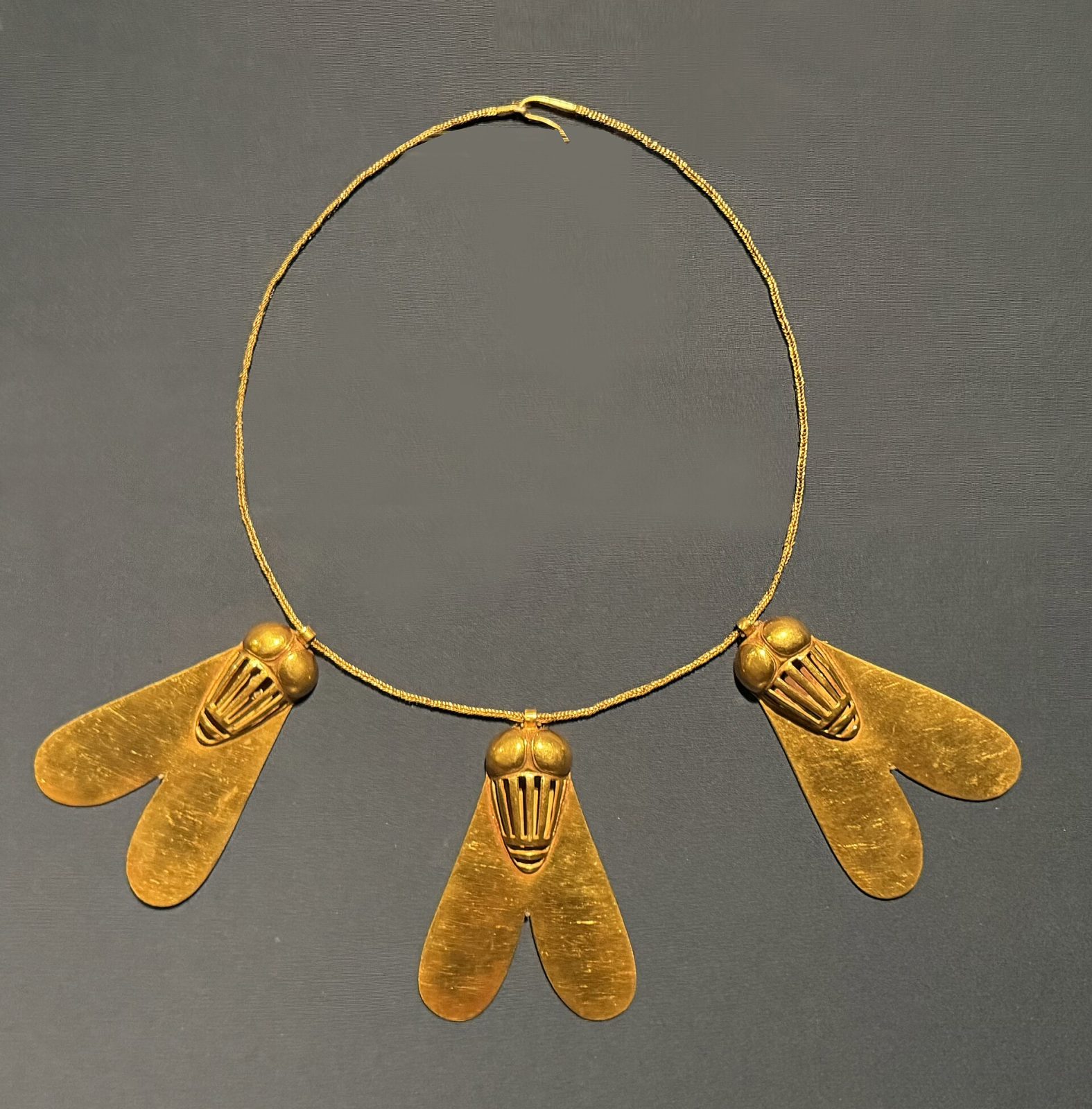
In 1859 workmen at Dra Abu el-Naga in Thebes found the coffin of Queen Ahhotep, packed with jewellery. When the local governor sent the treasure off by boat, the archaeologist Auguste Mariette chased it down the Nile. Its star is a gold chain hung with three great flies.
Early in 1859, Egyptian workmen digging at Dra Abu el-Naga, on the west bank of the Nile at Thebes, opposite modern Luxor, found a painted wooden coffin. They were working for Egypt's new antiquities service, but its French director, Auguste Mariette, was away in Cairo. Inside the coffin was the mummy of a queen named Ahhotep, buried with a treasure of gold jewellery and weapons. The French consular agent at Luxor reported that he sealed the coffin and moved it to Mariette's store at Karnak.
The governor of the province of Qena then had the coffin opened and the treasure listed, and shipped it downriver to Cairo for the ruler of Egypt, which was the legal procedure at the time. Mariette was not prepared to let it go. In March 1859 he set off up the Nile on a steamer with an order to stop any boat carrying antiquities, intercepted the governor's boat and took the treasure on board his own. Later versions of the story, with the mummy unwrapped in the governor's palace and jewels disappearing, are now thought to be exaggerated.
The most famous piece is a necklace: a gold chain about 59 centimetres long, hung with three large gold flies, each about 9 centimetres long, with bulging eyes and a ring for the chain. It weighs about 249 grams. Ahhotep lived at the end of the 17th Dynasty, around 1560 to 1530 BC, when the kings of Thebes were fighting to drive the Hyksos rulers out of northern Egypt, and she was honoured for her part in that war. Gold flies are often read as an award for valour; a soldier of the next generation, Ahmose-pen-Nekhbet, boasted of receiving six from his king. Some scholars think they were a more general sign of royal favour, since they also appear in the burials of women and children.
The treasure went on show at the Paris Exposition Universelle in 1867, where the Empress Eugénie asked to keep it and Mariette refused. The necklace belongs to the Luxor Museum and has been lent to the Treasures of the Pharaohs exhibition at the de Young Museum in San Francisco from August 2026 to January 2027.
Written for Global Finds from G. Miniaci and P. Lacovara (eds), The Treasure of the Egyptian Queen Ahhotep (2022), Archaeology magazine (2026) and Mission Local (2026). Photo: the Golden Flies of Queen Ahhotep, Rob Corder, Wikimedia Commons, CC BY 4.0.
Linked finds
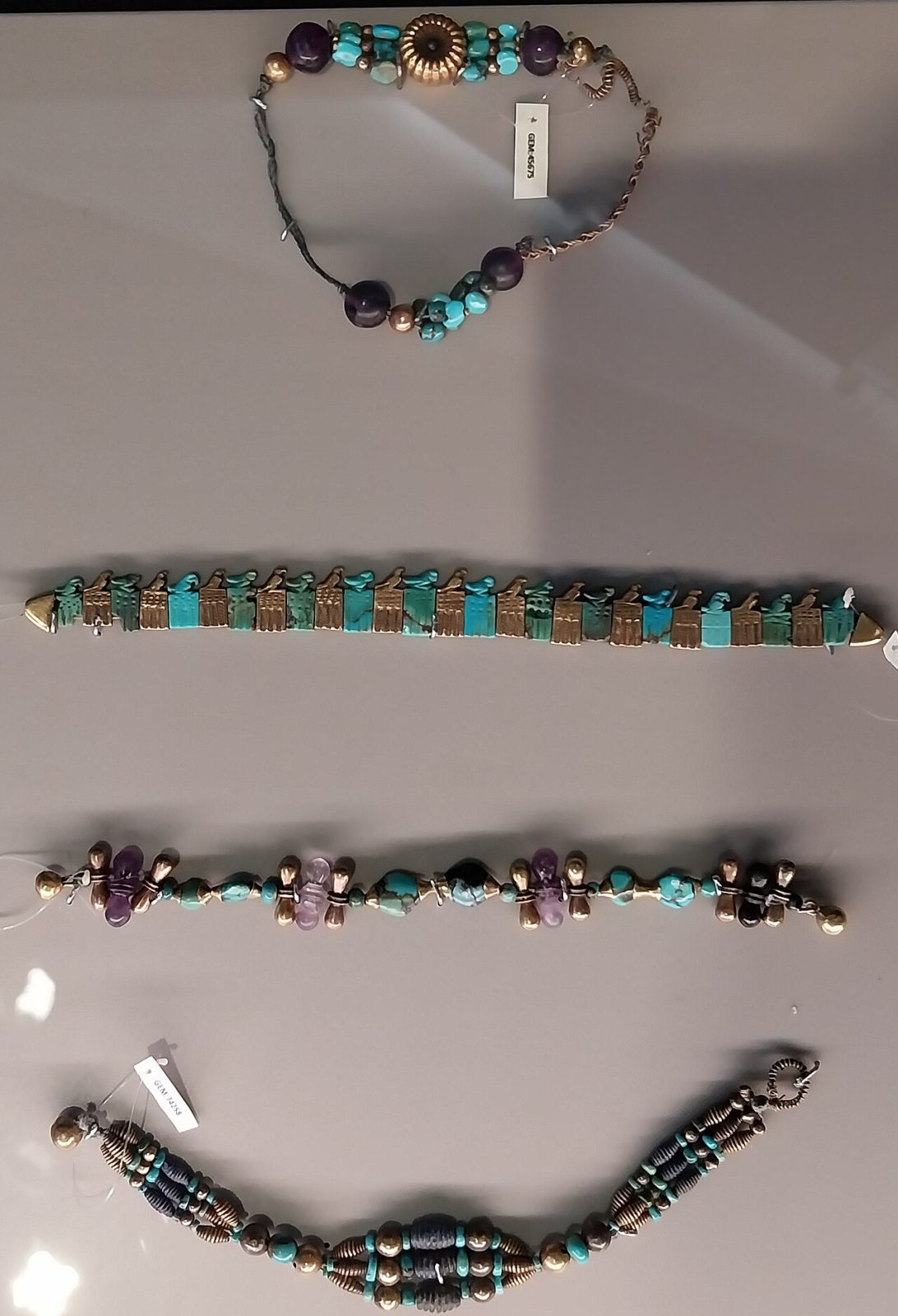
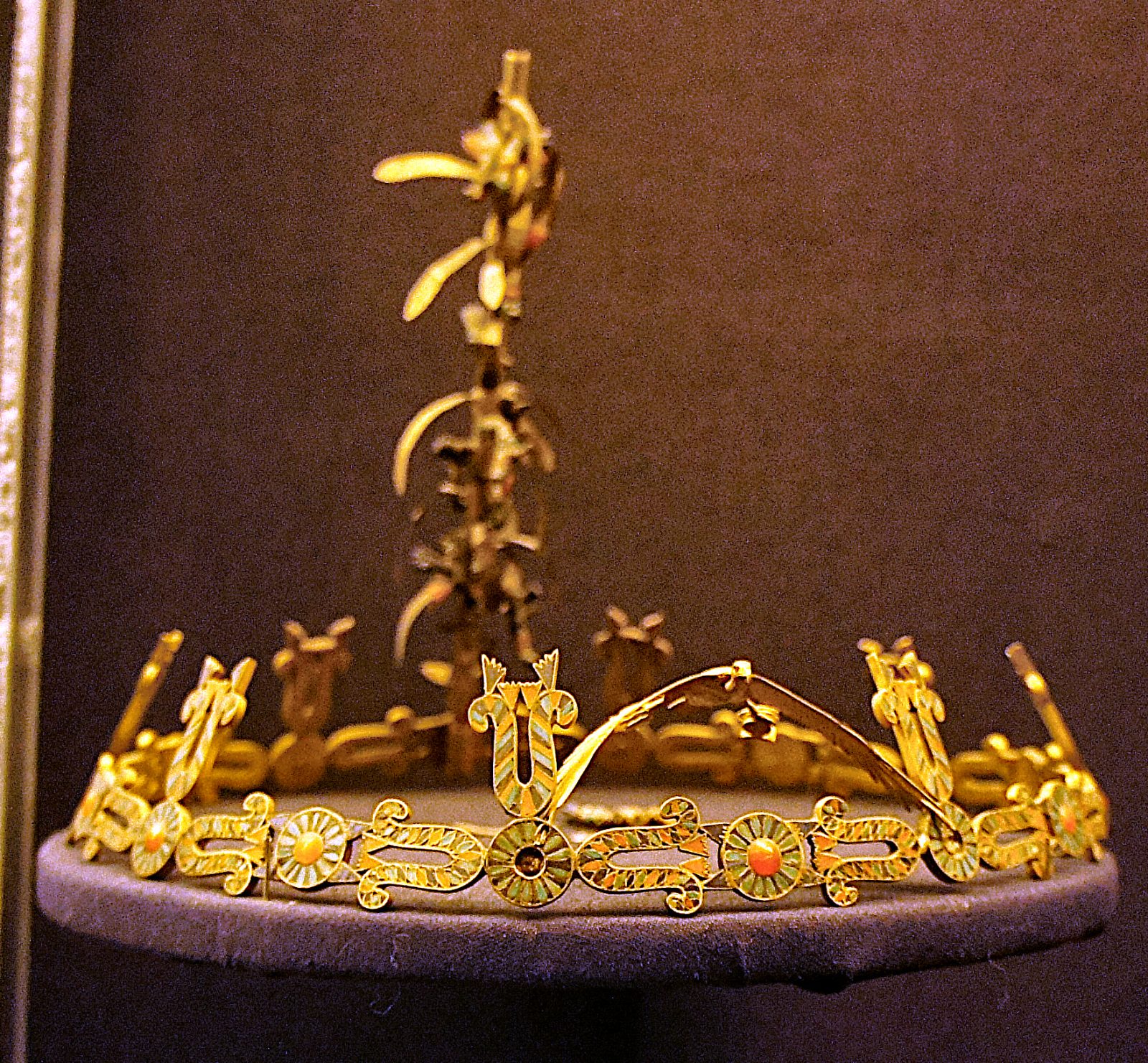
Source: G. Miniaci and P. Lacovara (eds), The Treasure of the Egyptian Queen Ahhotep (2022)