The Long Bay Blanca: a small Spanish coin dug up where Columbus may first have come ashore in the Americas
Famous find Struck between 1471 and 1474 See it on the timeline →
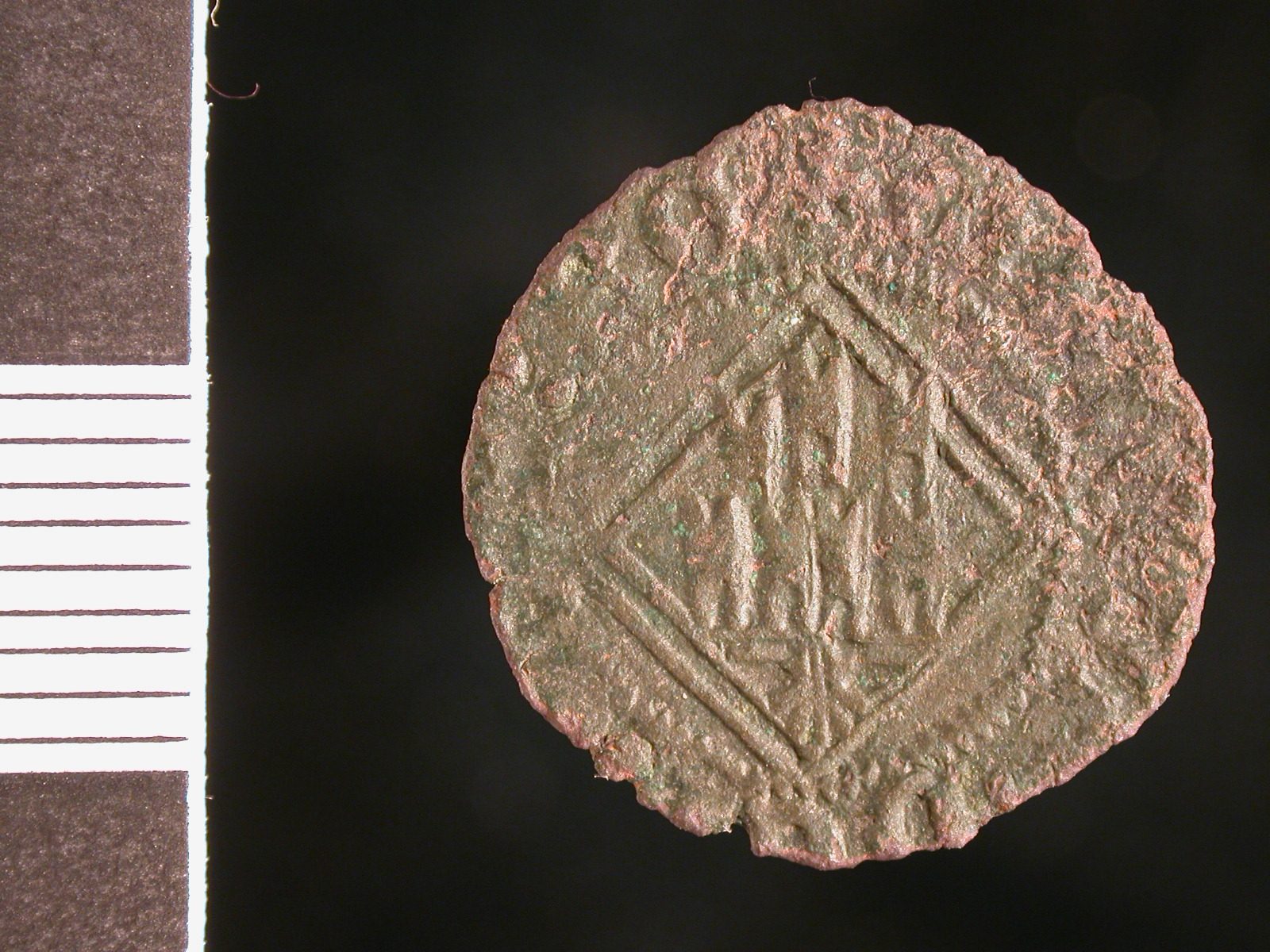
In the 1980s excavations at Long Bay on San Salvador in the Bahamas, a traditional candidate for Columbus's first landfall in 1492, uncovered Spanish beads, buckles and a single small coin: a blanca of Henry IV of Castile, struck between 1471 and 1474.
On 12 October 1492, Christopher Columbus's ships reached an island in the Bahamas that its Lucayan inhabitants called Guanahani. Which island it was has been argued over for centuries. One long-standing candidate is San Salvador, and on its west coast, at Long Bay, the archaeologist Charles Hoffman of Northern Arizona University excavated a Lucayan village site between 1983 and 1992, looking for traces of the first meeting between Europeans and the people of the Americas.
In 1983 the team reported green and yellow glass beads, two brass buckles, metal spikes and fragments of Spanish pottery, lying with Lucayan pottery about eight inches down. By 1987, when the finds were scientifically analysed, they had also found a small coin. Scientific analysis showed it was mostly copper with only about four per cent silver. It was a blanca of Henry IV, king of Castile, struck between 1471 and 1474, the smallest Castilian coin of its day, with a castle on one side and a lion on the other.
Columbus's own account says the islanders traded eagerly for small things such as glass beads and little bells, and in a letter of 1493 he mentions trades for just a few blancas. So a blanca, beads and buckles together, on a site that Columbus may have visited, is a striking group. Blancas of the same type were the commonest coin at La Isabela, the settlement Columbus founded on Hispaniola in 1494, where 59 were excavated.
The finds cannot prove that this was Columbus's landfall. Other islands, such as Samana Cay, have strong supporters, and the European objects at Long Bay could date from any time up to about 1550, so they may come from later Spanish visits. But the coin may be one of the earliest European coins found anywhere in the Americas.
The finds were published in 1987 in the volume Columbus and His World. Where the coin is now kept has not been published.
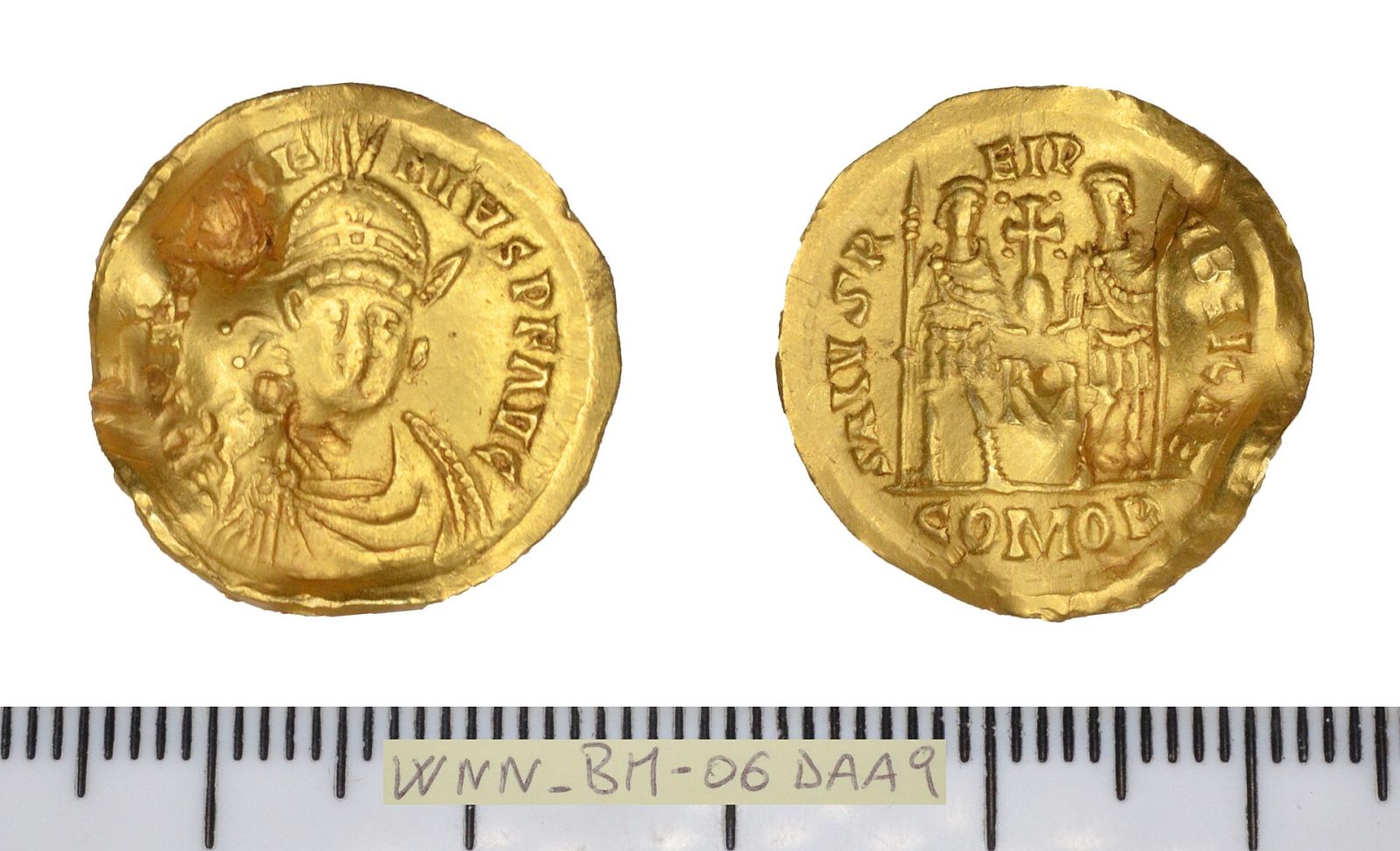
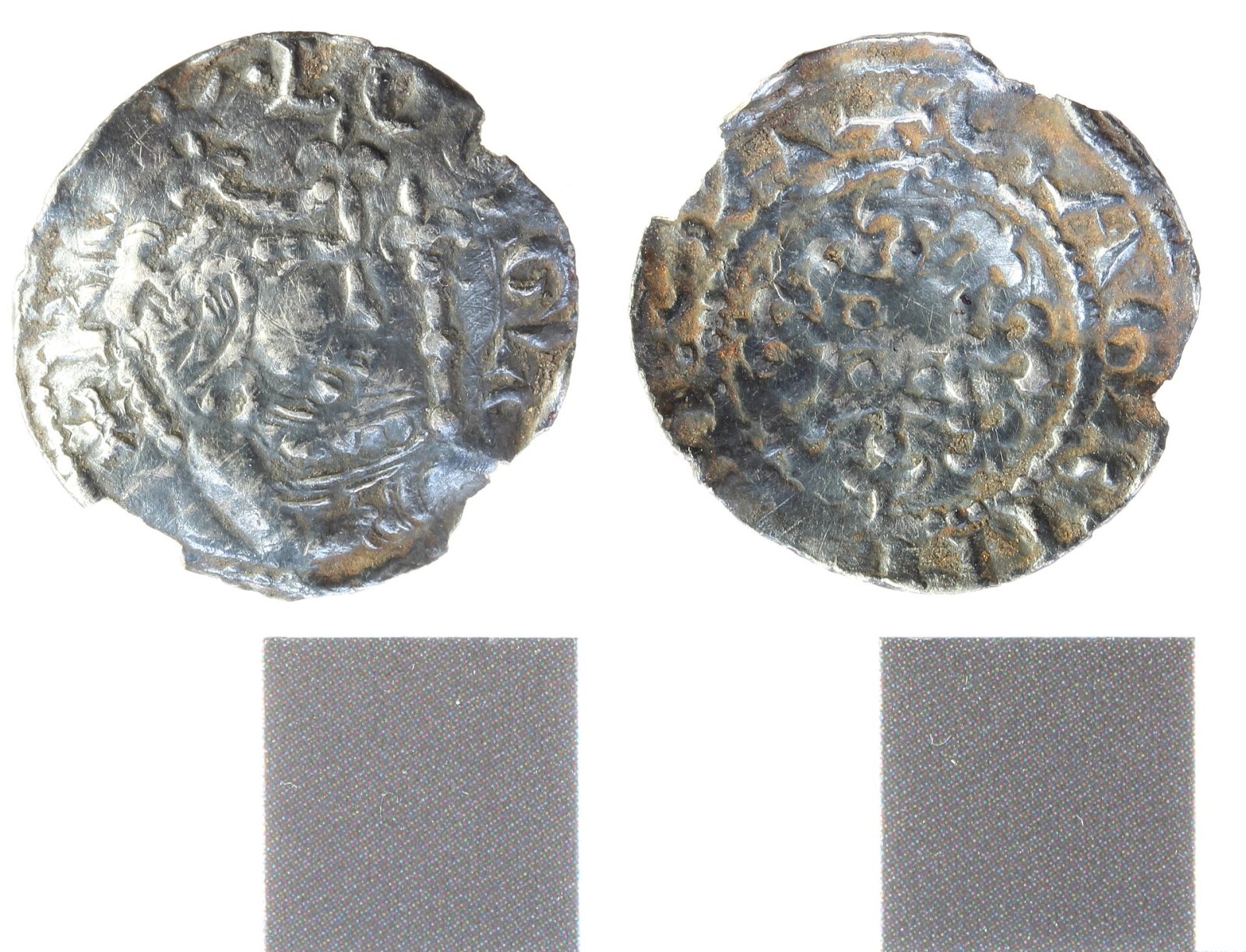
Written for Global Finds from M. Hutcheson in the Journal of Caribbean Archaeology (2015), R. Smith and colleagues on the Emanuel Point ship (Florida Division of Historical Resources) and the Gerace Research Centre. Photo: a blanca of Henry IV of Castile of the same type, found in Cornwall, not the Long Bay coin, Anna Tyacke, Royal Institution of Cornwall, Portable Antiquities Scheme, Wikimedia Commons, CC BY-SA 4.0.
Source: M. Hutcheson, Journal of Caribbean Archaeology (2015)