The Two Emperors Penny: a rare coin of Alfred the Great's secret alliance, found alone in a Cambridgeshire field
Famous find Struck about AD 875 to 879 · Found in 2019 See it on the timeline →
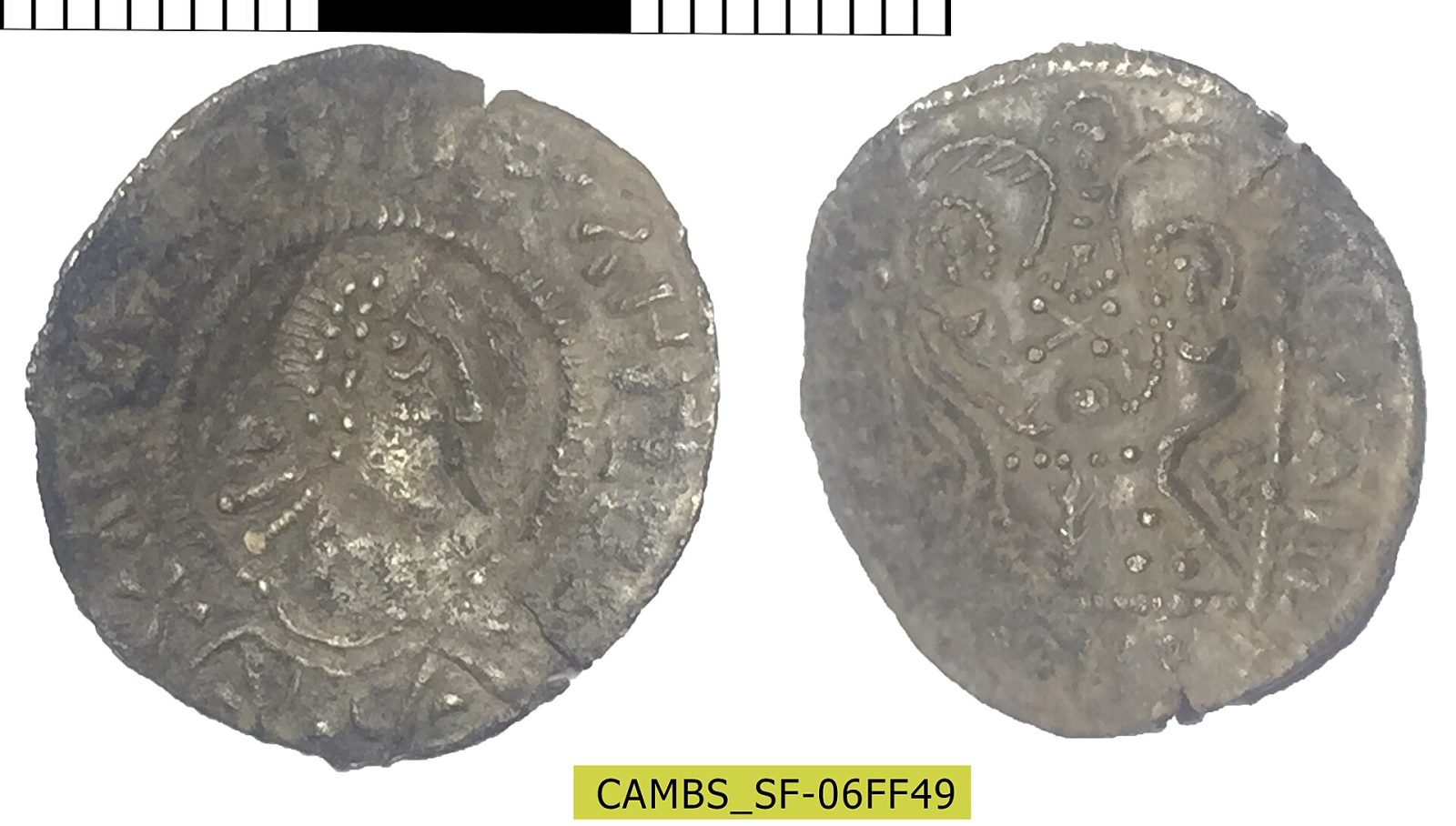
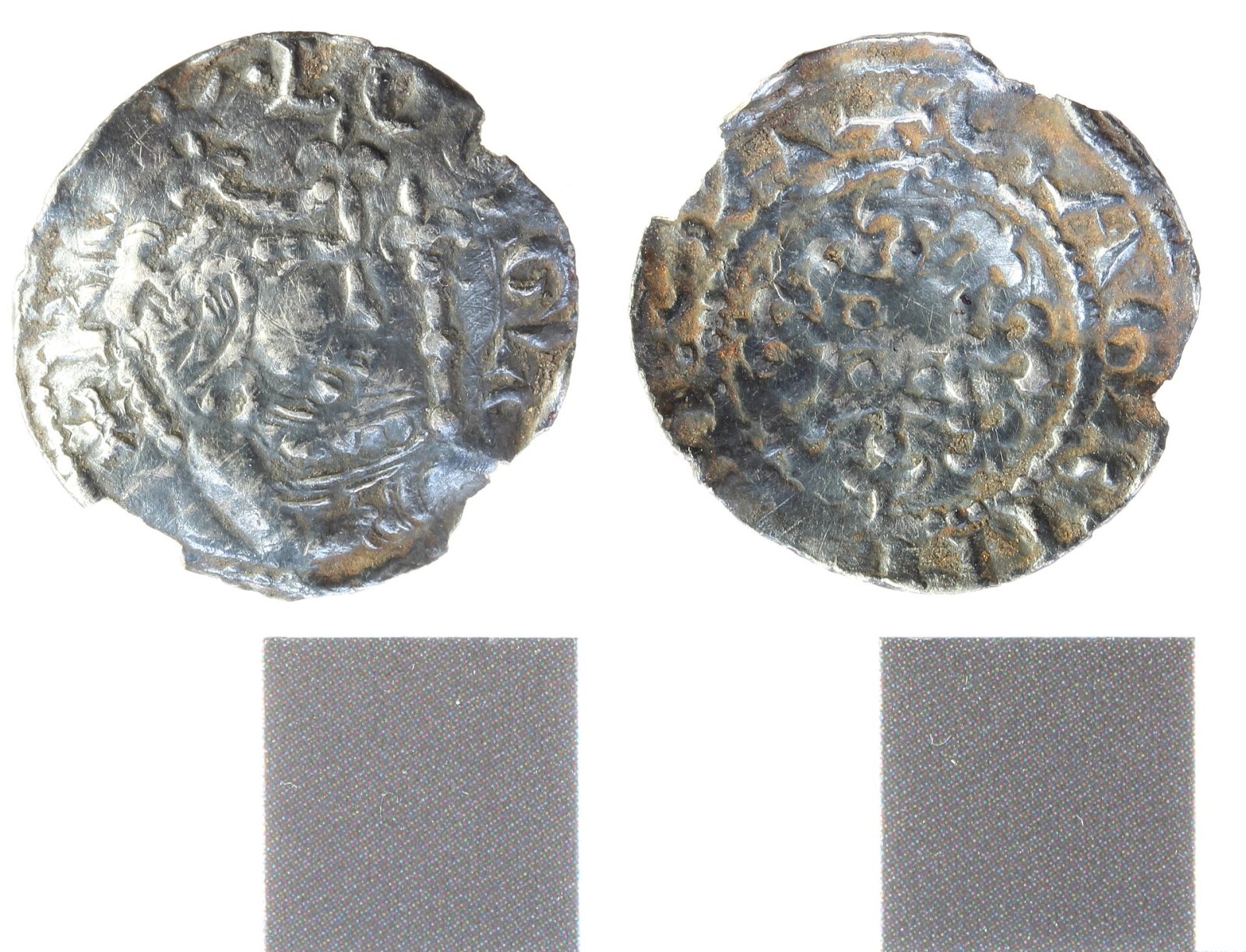
In October 2019 a detectorist at Castle Camps in Cambridgeshire found a silver penny of Alfred the Great of the Two Emperors type, showing two kings seated side by side. Only about thirty are known, most of them from hoards, so a single find was of national importance.
In the autumn of 2019, a metal detectorist searching cultivated land at Castle Camps, in south-east Cambridgeshire, found a buckled silver penny. The finder's name has not been published. The Portable Antiquities Scheme recorded it from photographs as a find of national importance, and it was also recorded with the Early Medieval Corpus of coin finds at the Fitzwilliam Museum. Its records give slightly different dates and parishes: Castle Camps on 9 October in one, the neighbouring parish of Shudy Camps on 29 September in another.
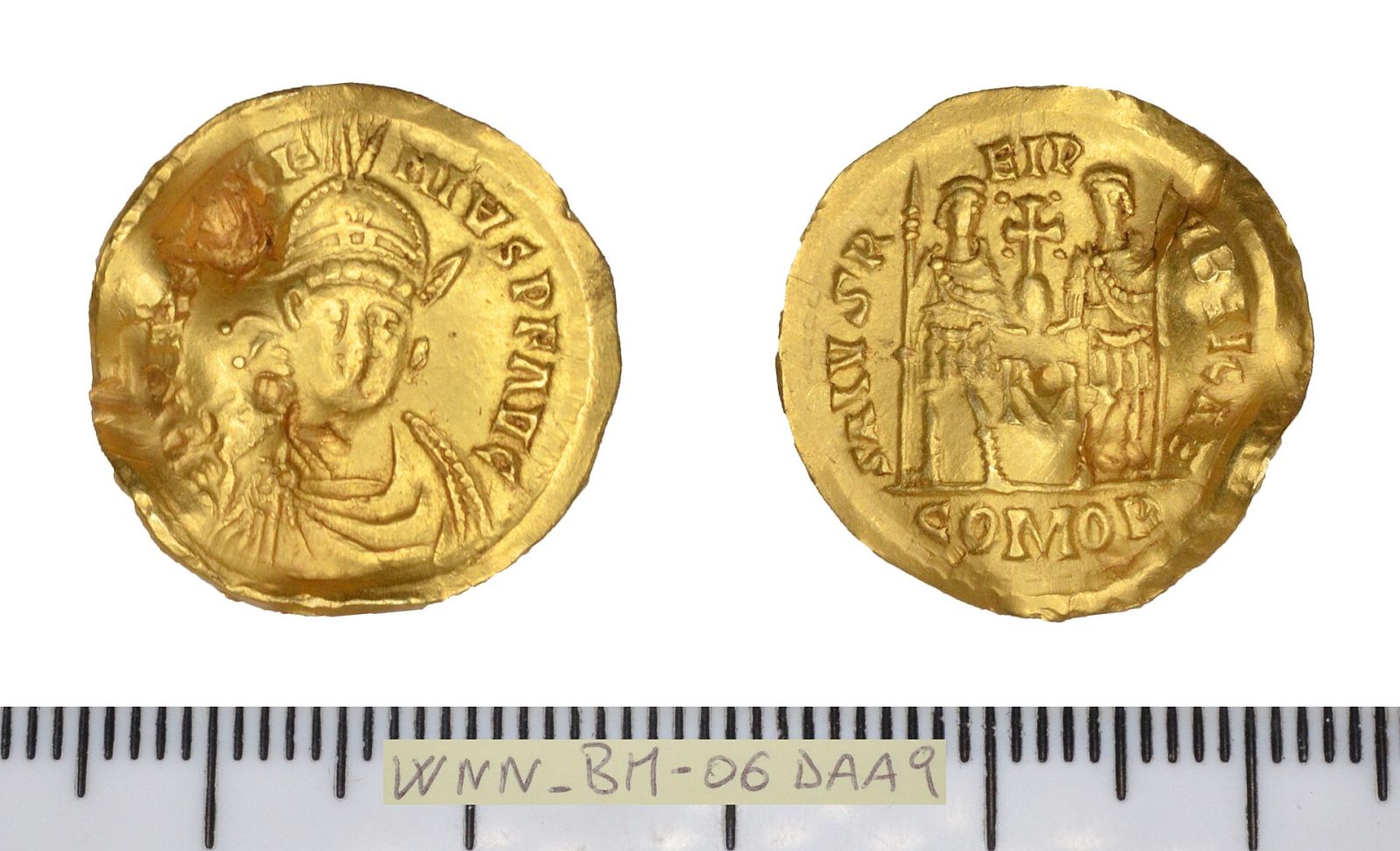
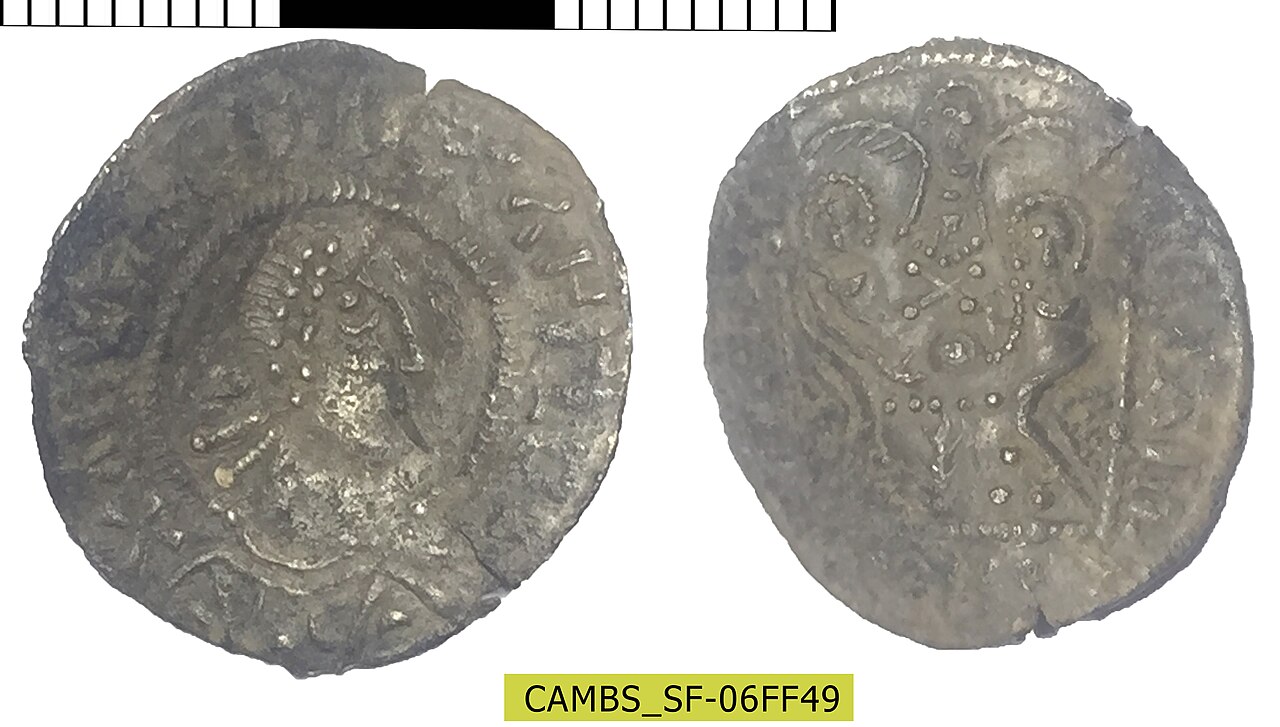
The coin is a penny of Alfred the Great, king of Wessex, struck by the moneyer Beagstan in the mid-870s. It is about 20 millimetres across and weighs about 1.15 grams. On the front is the king's bust. On the back, two crowned figures sit side by side, with a winged Victory hovering above them. The design is copied from Roman gold coins of the late 4th century, which showed two emperors ruling together.
Here the two rulers are thought to be Alfred himself and Ceolwulf II of Mercia, who ruled the neighbouring kingdom in the years when the Viking Great Army was overrunning England. The coin is evidence of an alliance between them that the chronicles, written later at Alfred's court, barely mention. Ceolwulf was dismissed by the Anglo-Saxon Chronicle as a puppet of the Vikings, but coins like this show the two kings minting money together as equals.
Two Emperors pennies are extremely rare. In 2025 the British Numismatic Journal counted only about thirty known, most of them from the Watlington and Herefordshire hoards, both of which are on Global Finds. John Naylor described the Castle Camps coin as an extremely rare stray find, a coin lost on its own rather than buried with others.
After recording, it was returned to the finder and offered at auction by Warwick & Warwick in February 2020, with a letter from the landowner confirming the find. Its price and present owner have not been published.
Written for Global Finds from Warwick & Warwick (2020), J. Naylor in Medieval Archaeology 64 (2020), and W. Scott and J. Naylor in the British Numismatic Journal 95 (2025). Photo: the Castle Camps penny of Alfred, Riccardo Caravello, Suffolk County Council, Portable Antiquities Scheme, Wikimedia Commons, CC BY 2.0.
Linked finds
Source: Warwick & Warwick (2020)