The Earl Robert Penny: a rebel earl's coin from the Anarchy, an unknown type found in a Wiltshire field
Famous find Struck during the Anarchy, probably about 1141 to 1147 · Found in 2019 See it on the timeline →
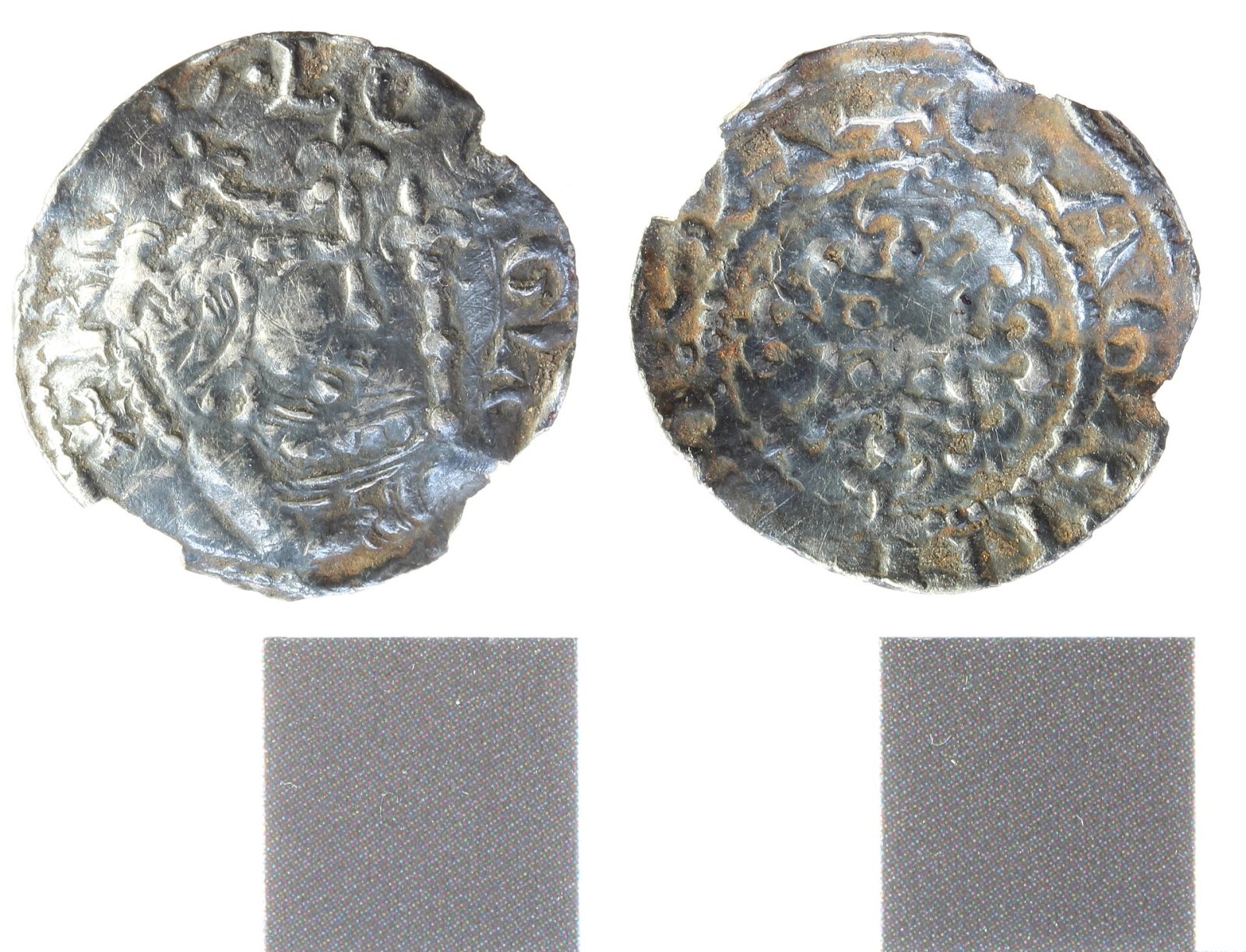
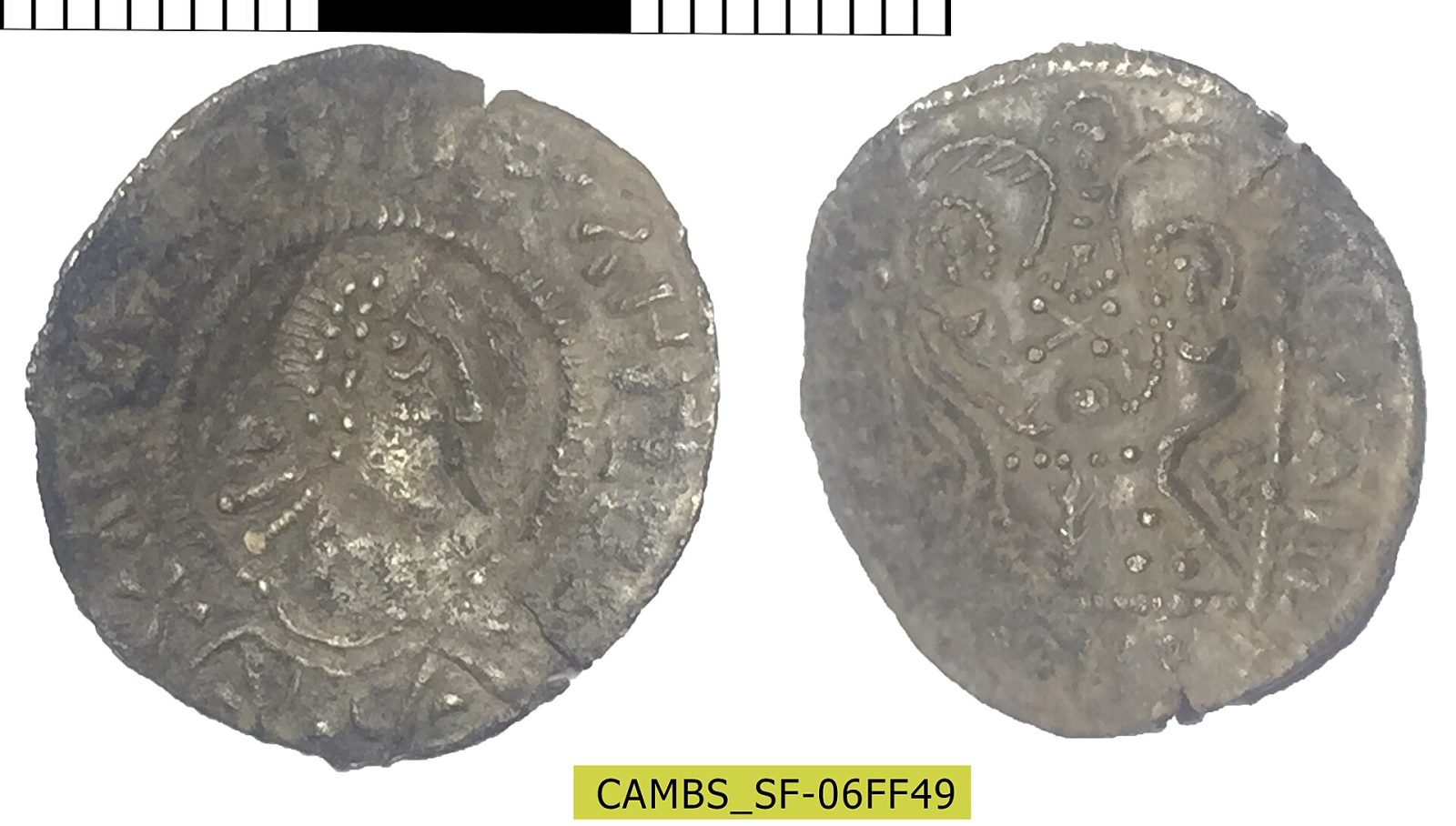
A silver penny found at Downton in Wiltshire and recorded in 2019 was struck in the name of Robert, Earl of Gloucester, half-brother of the Empress Matilda, during the civil war with King Stephen. It was a previously unrecorded type, described as unique.
In 2019, a silver penny found at Downton, south of Salisbury in Wiltshire, was brought to the Portable Antiquities Scheme and photographed at Salisbury Museum. The finder's name and the exact date of the find have not been published. The coin turned out to be unlike any recorded before.
Its legend reads ROB COM GLO: Robert, Earl of Gloucester. On the front is a crowned bust holding a sceptre, and on the back a cross over a four-sided frame, with the name of the moneyer, Sagrim, and the mint, Shaftesbury in Dorset. It weighs 0.89 grams, has chips around the rim and is slightly bent. It was struck during the Anarchy, the civil war between King Stephen and the Empress Matilda, probably in the early 1140s.
Robert of Gloucester was the most powerful man on Matilda's side. The illegitimate son of King Henry I and Matilda's half-brother, he led her armies, and in 1141 he captured King Stephen himself at the Battle of Lincoln. In the chaos of the war, several great lords struck coins in their own names. What makes this coin especially interesting is the moneyer: Sagrim had struck coins for Henry I, so a royal mint was now producing coins for the rebel earl.
In his annual report on the Portable Antiquities Scheme, the archaeologist John Naylor described it as a previously unrecorded type in the name of Robert, Earl of Gloucester. After recording, it was sold by Dix Noonan Webb in London in February 2020, and in 2022 it was offered again by a dealer who described it as unique, the only example known. It is in a private collection.
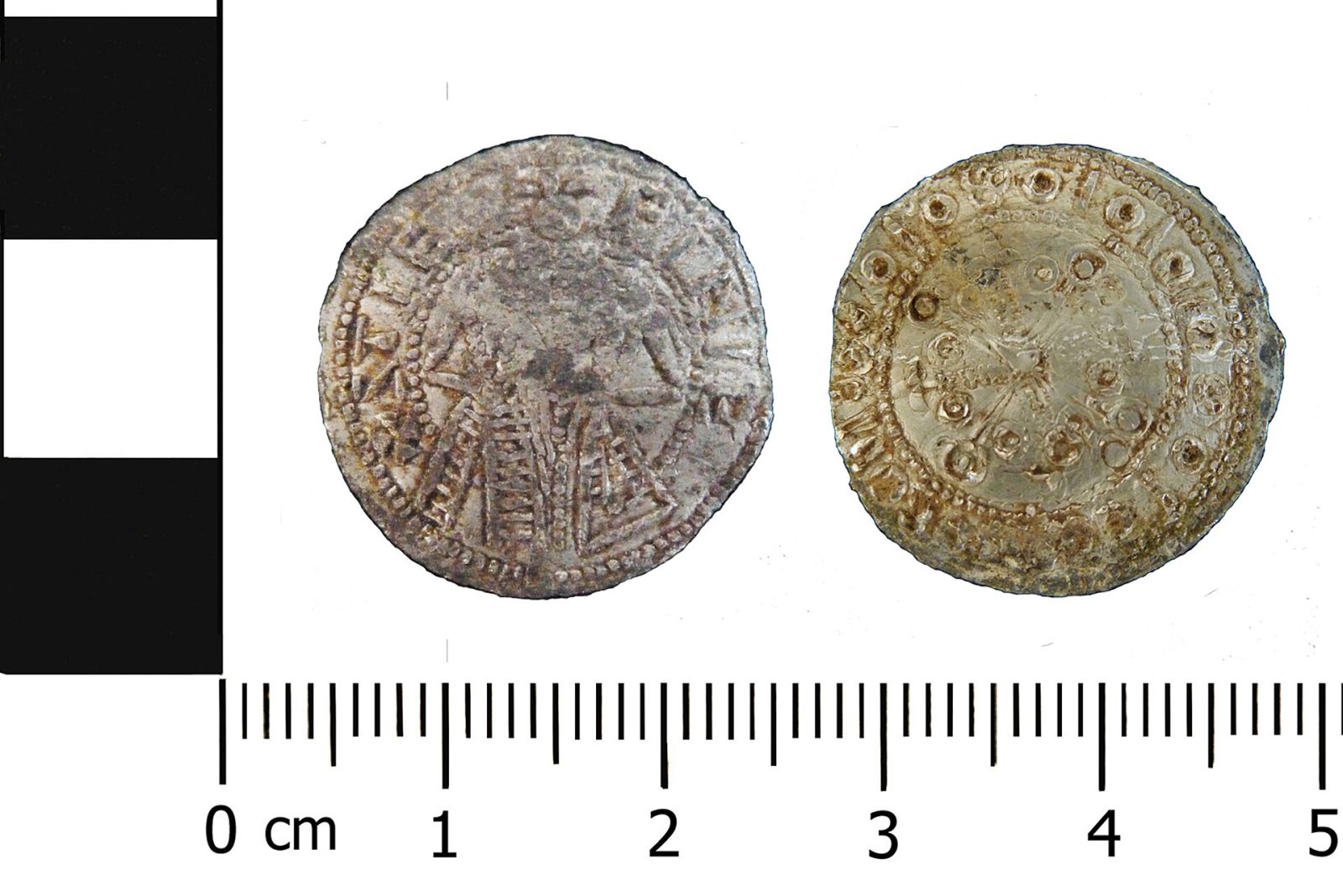
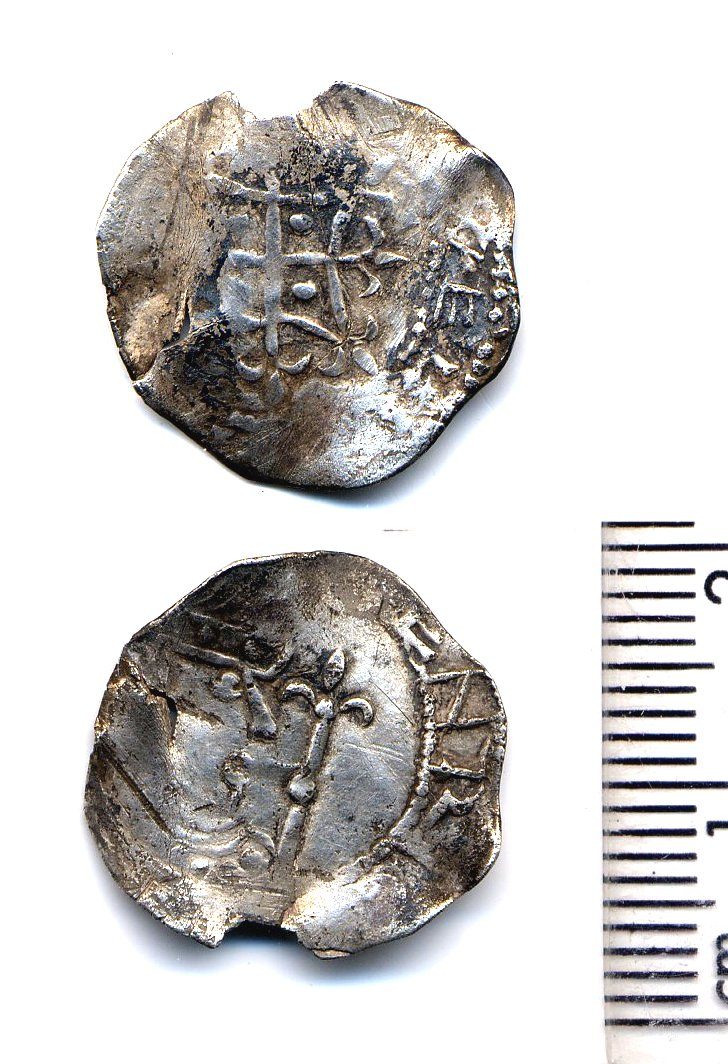
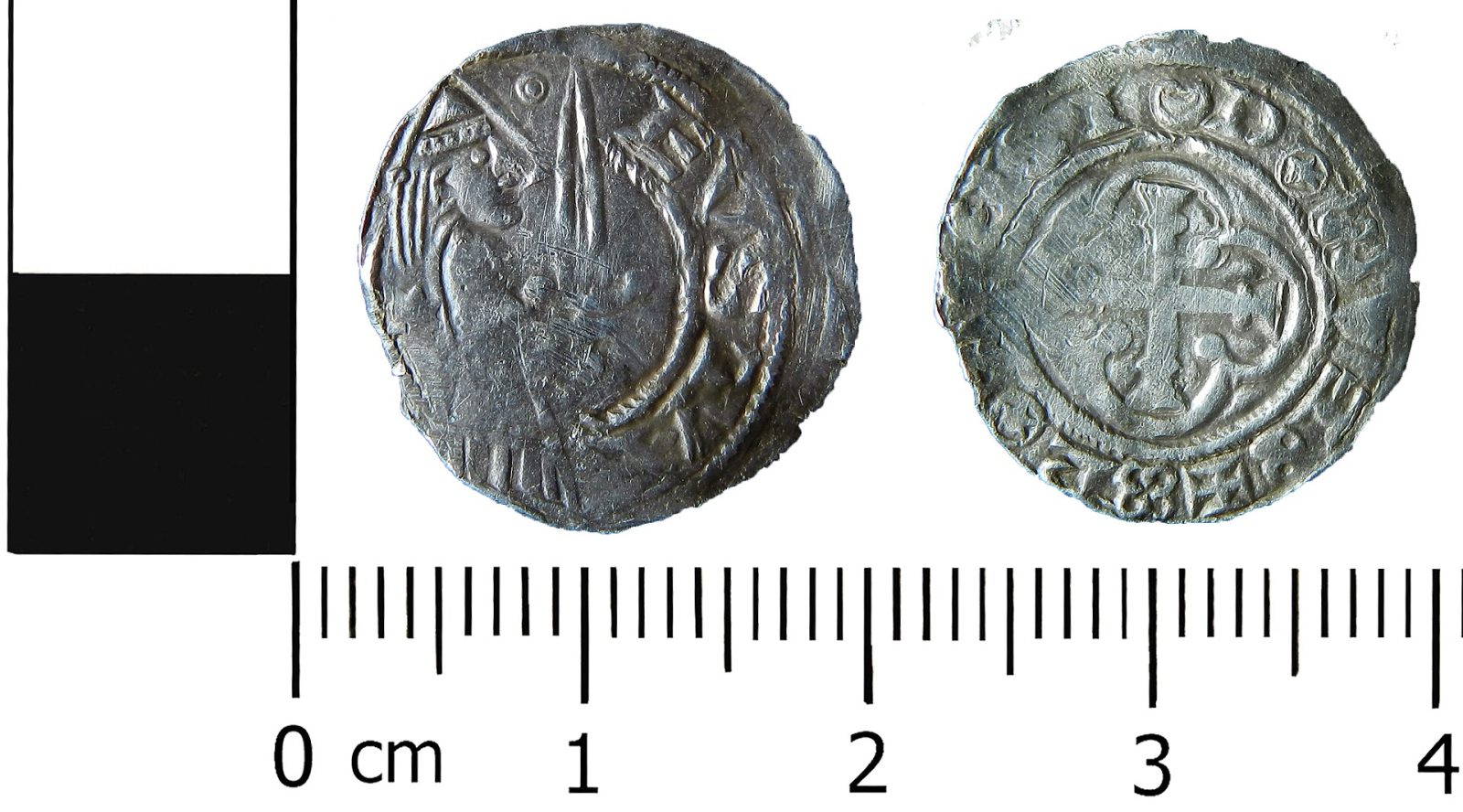
Robert's son, William FitzRobert, also struck his own coins, and one of them, found in Dorset in 2020, is also on Global Finds.
Written for Global Finds from J. Naylor, "Portable Antiquities Scheme report", Medieval Archaeology 64 (2020), the Portable Antiquities Scheme (WILT-239A33) and Sovereign Rarities (2022). Photo: the Downton penny of Robert, Earl of Gloucester, Wil Partridge, Salisbury and South Wiltshire Museum, Portable Antiquities Scheme, Wikimedia Commons, CC BY 2.0.
Linked finds
Source: J. Naylor, Medieval Archaeology 64 (2020), via ORA Oxford