The Tel Kedesh Gold Coin: a student sweeping a wall on the last day of the dig found the richest coin in Israeli archaeology
Famous find Struck in 191 or 190 BC · Found in 2010 See it on the timeline →
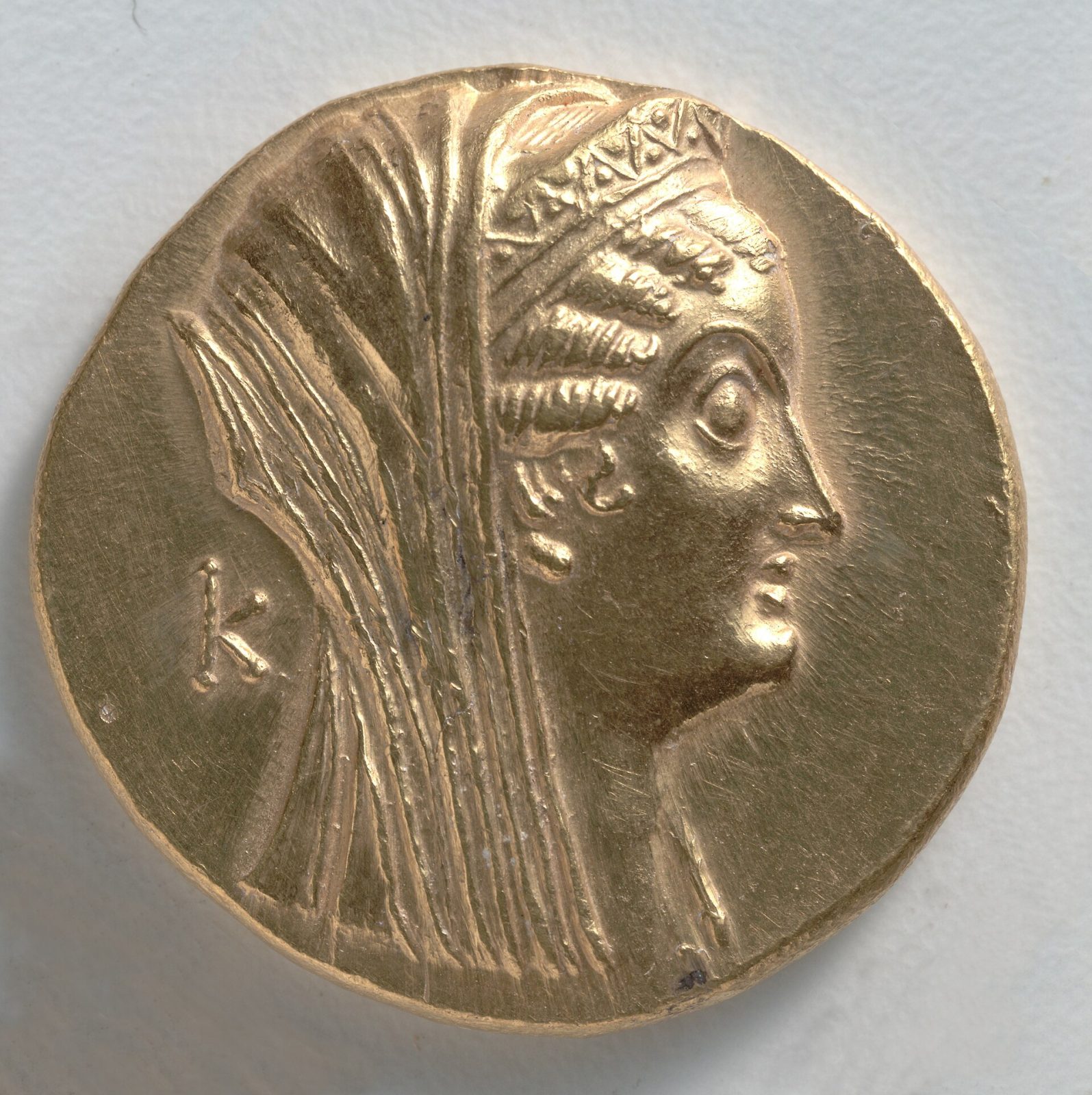
On the final day of excavations at Tel Kedesh in northern Israel in June 2010, student Andrew Boos, sweeping a wall for photographs, saw a bright yellow circle in the dirt. It was a gold coin of 191 BC, the most valuable ever found in an Israeli excavation.
In June 2010, the University of Michigan and University of Minnesota team was finishing its fifth and final season at Tel Kedesh, a mound in the Upper Galilee of northern Israel, near the Lebanese border. On the last day, before sunrise, the MA student Andrew Boos and his trench supervisor, Lisa Cakmak, were sweeping weeds and soil off the walls so they could be photographed from the air. Boos saw a bright yellow circle in the dirt and felt how heavy it was when he picked it up. He called over the co-director, Andrea Berlin.
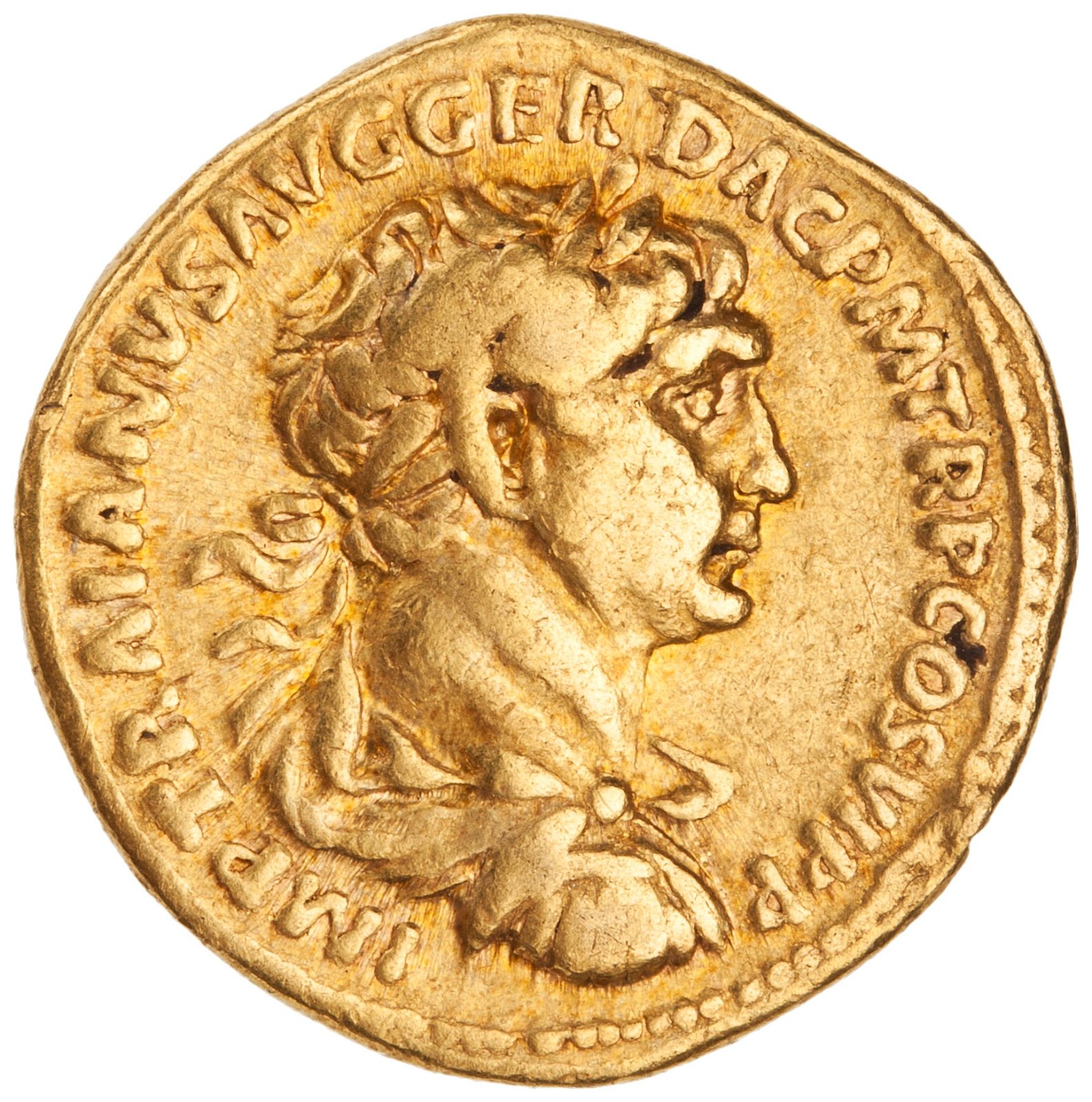
It was a gold coin of 27.71 grams, a mnaieion or octadrachm, the largest denomination in the Greek world, worth a hundred silver drachms. On the front is the veiled head of Arsinoe II, queen of Egypt, and on the back a double horn of plenty and her name. After cleaning, a date could be read, the fourteenth year of the reign of Ptolemy V, which places it in 191 or 190 BC. The excavators say it was struck in Cyprus, though the first official announcement said Alexandria. Donald Ariel of the Israel Antiquities Authority suggested it was a ceremonial coin rather than everyday money, perhaps struck for a festival in Arsinoe's honour.
The coin lay in a storeroom wall of a large administrative building of the Persian and Hellenistic periods, where an archive of more than 2,000 clay seal impressions had been found in 1999. The excavators think it may have been stolen and pushed into the wall when the Seleucid administration fled after a defeat by the Maccabees near Kedesh in 145 or 144 BC. Sharon Herbert, the dig's other director, said it was the only gold coin she had found in forty years of fieldwork. It is described as one of only two known coins of its issue and the most valuable coin ever found in an excavation in Israel.
The Israel Antiquities Authority announced the find in August 2010. Where the coin is now displayed has not been published.
Written for Global Finds from Archaeology magazine (2012), the Kelsey Museum newsletter (2010) and the Israel Antiquities Authority's announcement (2010). Photo: a gold octadrachm of Arsinoe II of the same kind, in the Cleveland Museum of Art, not the Tel Kedesh coin, Cleveland Museum of Art, Wikimedia Commons, CC0.
Source: Archaeology magazine (2012)