The Tournai Groat: a silver coin Henry VIII struck in a captured French city, found in Lincolnshire
Famous find Struck at Tournai between 1514 and 1518 · Found in 2021 See it on the timeline →
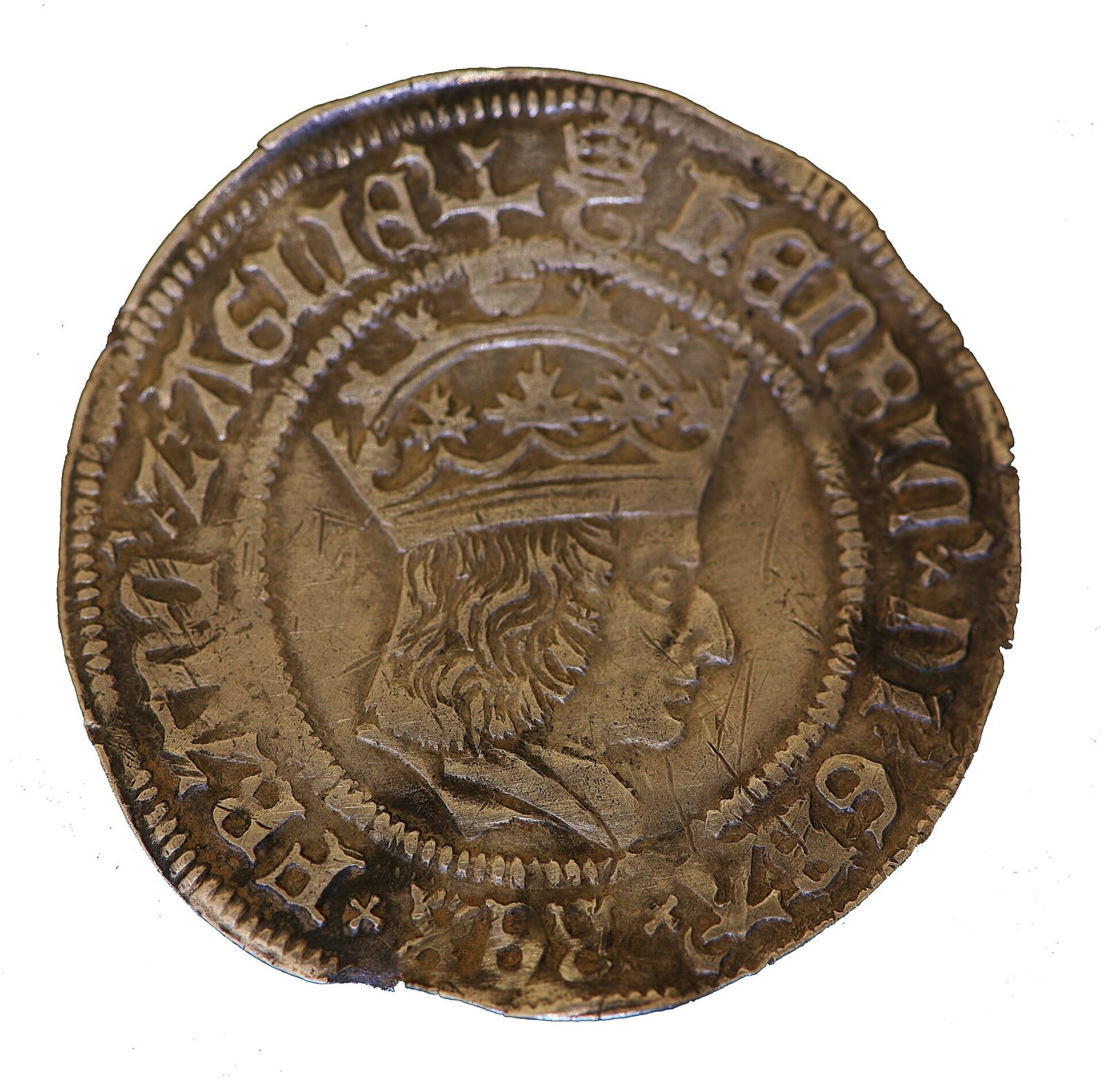
On 15 May 2021 a detectorist in East Lindsey, Lincolnshire, found a silver groat of Henry VIII struck not in London but at Tournai, a French-speaking city he captured in 1513. Only the second of its type on the national database, it was rated a find of national importance.
On 15 May 2021, a metal detectorist searching in the East Lindsey district of Lincolnshire found a large silver coin of Henry VIII. The finder's name and the exact findspot have not been published. It was recorded with the Portable Antiquities Scheme by Lisa Brundle, the Finds Liaison Officer for Lincolnshire, who rated it a find of national importance.
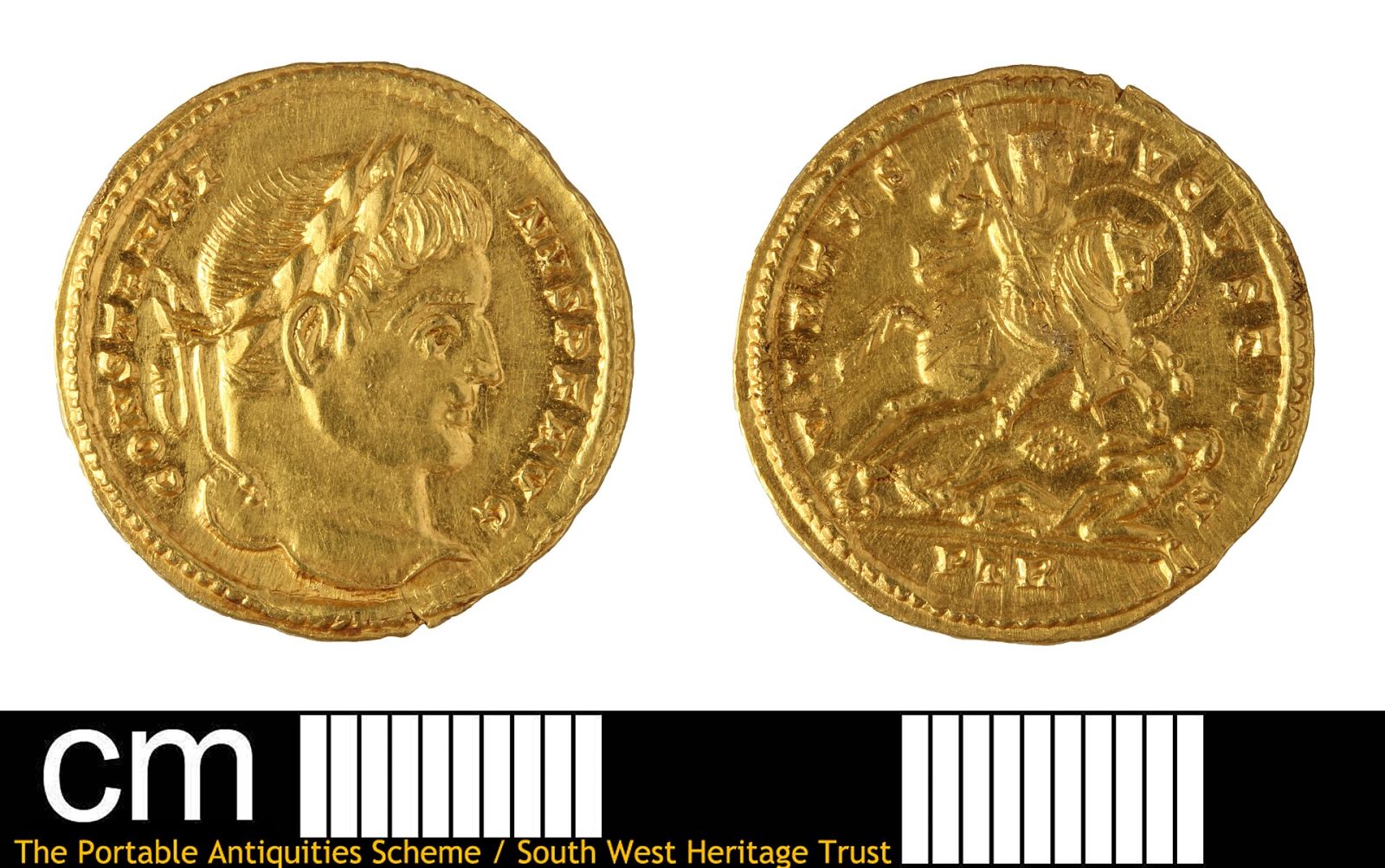
At first glance it looks like an ordinary groat, a fourpenny piece, 28 millimetres across and weighing 3 grams, with Henry's crowned portrait. Read the legends, though, and it is different. On the front, Henry is styled king of France before king of England, and on the back, instead of the name of London, are the words CIVITAS TORNACENSIS: "the city of Tournai". Its mint mark is a crowned T.
Tournai, now in Belgium, was then a French city. In 1513 the young Henry VIII invaded France, won the skirmish known as the Battle of the Spurs, and on 23 September captured Tournai. For five years it was an English possession. A mint was set up there in 1514, and for only a few weeks it produced groats and half-groats from dies made by the engraver Henry Basse. In 1518 Tournai was handed back to France by treaty, and the English occupation ended.
There is a small Lincolnshire twist. Thomas Wolsey, Henry's chief minister, was given the bishopric of Tournai after its capture, and he also became bishop of Lincoln.
According to the Portable Antiquities Scheme, it is only the second Tournai groat recorded on its database; the other was found on the Isle of Wight. As a single silver coin it was not Treasure, and its present whereabouts have not been published.
Written for Global Finds from the Portable Antiquities Scheme (LIN-6668DC) via Detecting Finds, and C. G. Cruickshank, The English Occupation of Tournai (1971). Photo: the front of the Tournai groat found in Lincolnshire, Lisa Brundle, Portable Antiquities Scheme, Wikimedia Commons, CC BY 2.0.
Linked finds
Source: Detecting Finds (quoting the Portable Antiquities Scheme)