The Wantisden Solidus: gold of a doomed Roman emperor, reaching Suffolk sixty years after Rome left Britain
Famous find Struck about AD 468 to 472 · Found in 2020 See it on the timeline →
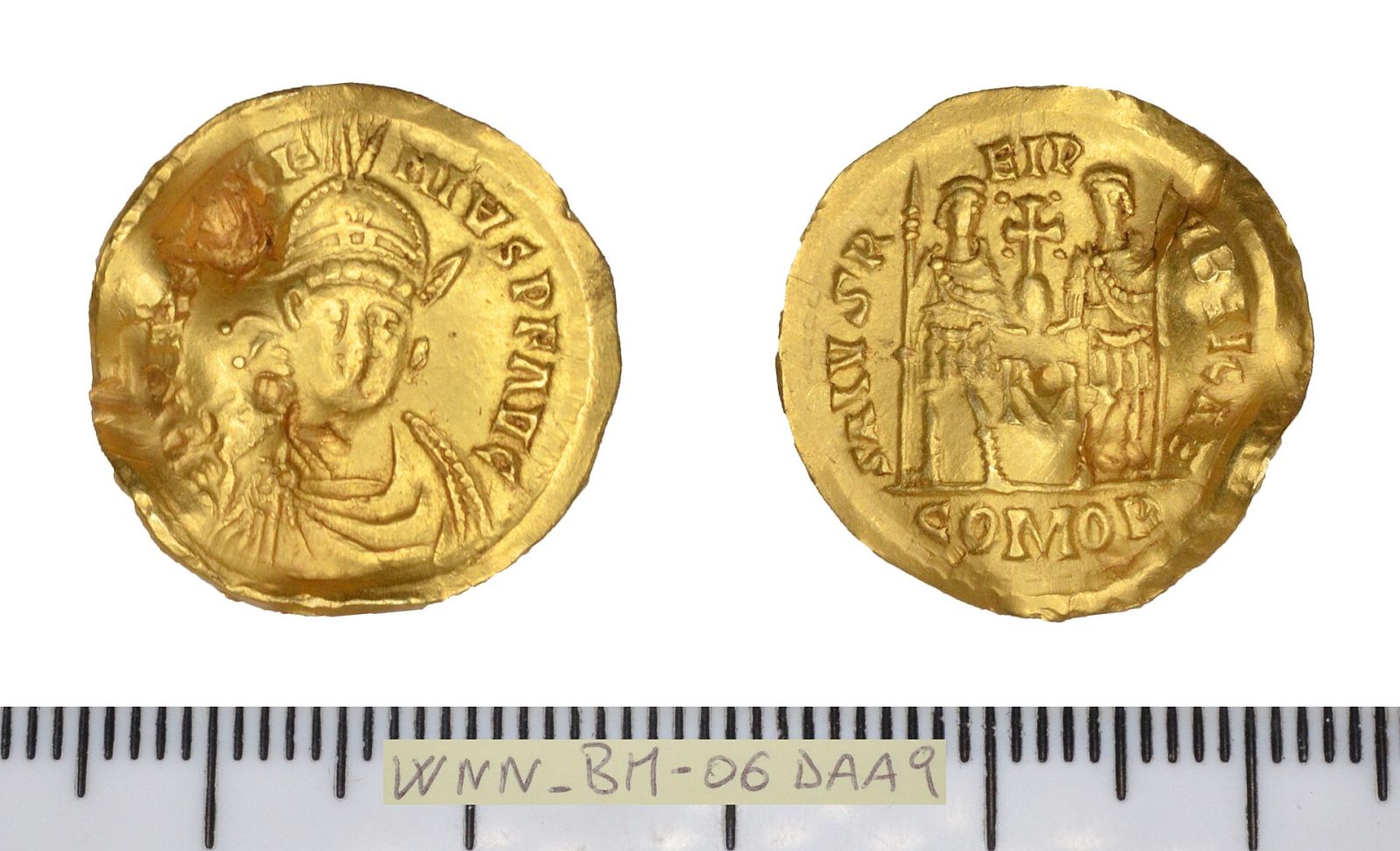
On 10 January 2020 a detectorist at Wantisden in Suffolk found a gold solidus of Anthemius, Western Roman emperor from 467 to 472, struck in Rome. It was the first coin of its type ever recorded by the Portable Antiquities Scheme.
On Friday 10 January 2020, a metal detectorist searching cultivated land at Wantisden, in the coastal district of Suffolk, found a small gold coin in perfect condition. The finder's name has not been published. The coin was recorded with the Portable Antiquities Scheme by its team at the British Museum and returned to the finder.
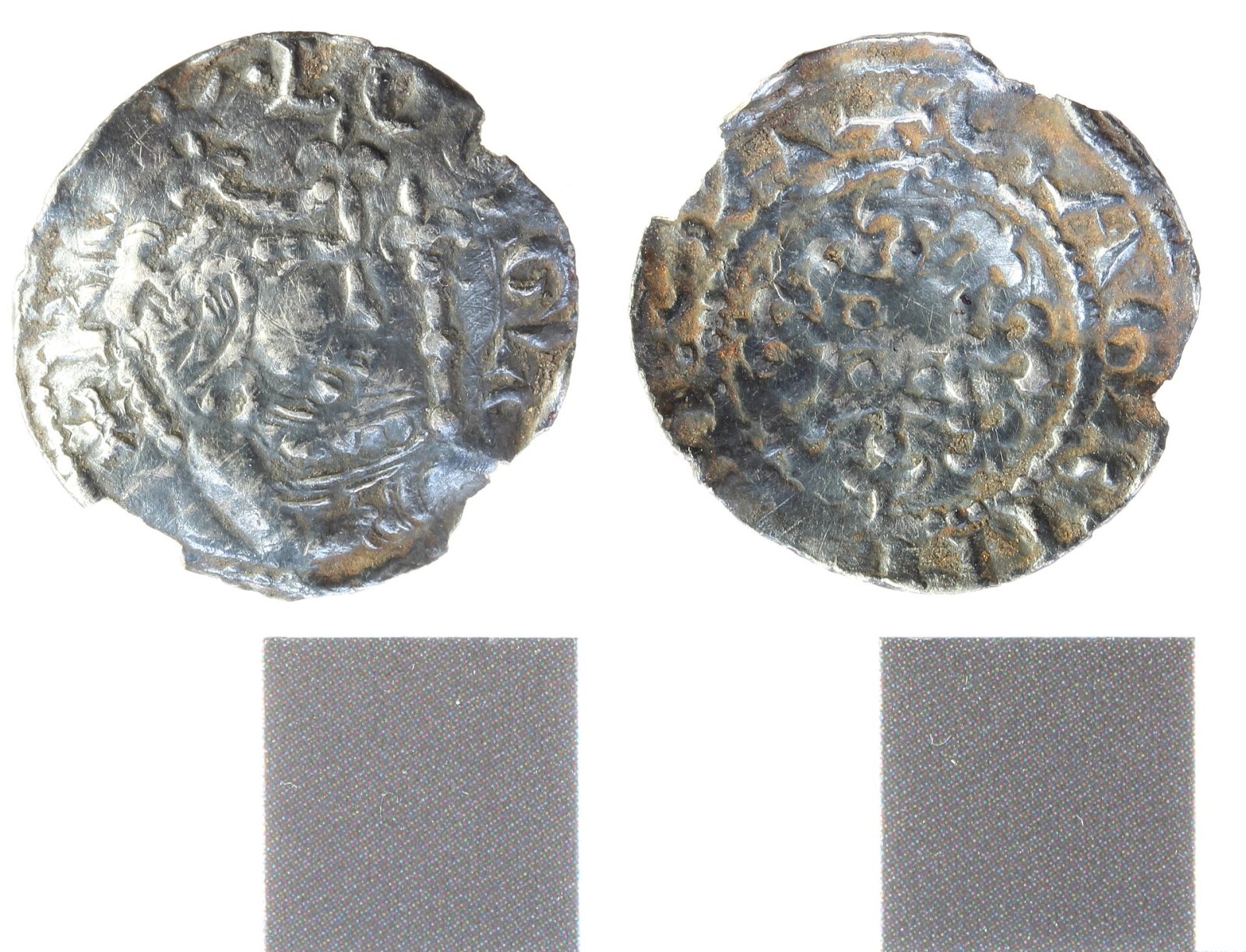
It is a solidus, the standard gold coin of the late Roman Empire, weighing 4.42 grams and 20 millimetres across. It was struck at the mint of Rome for the emperor Anthemius between about 468 and 472. On the front the emperor faces forward, wearing a helmet, with a spear over his shoulder and a shield. On the back two emperors stand side by side, holding a globe topped with a cross between them, around the words SALVS REIPVBLICAE, "the safety of the state". The two figures are Anthemius and his eastern colleague Leo I, who had sent him from Constantinople to rule the crumbling western empire.
Anthemius's reign ended badly. In 472, after a long siege of Rome by his own general Ricimer, he was captured and killed. Four years later the last western emperor was deposed.
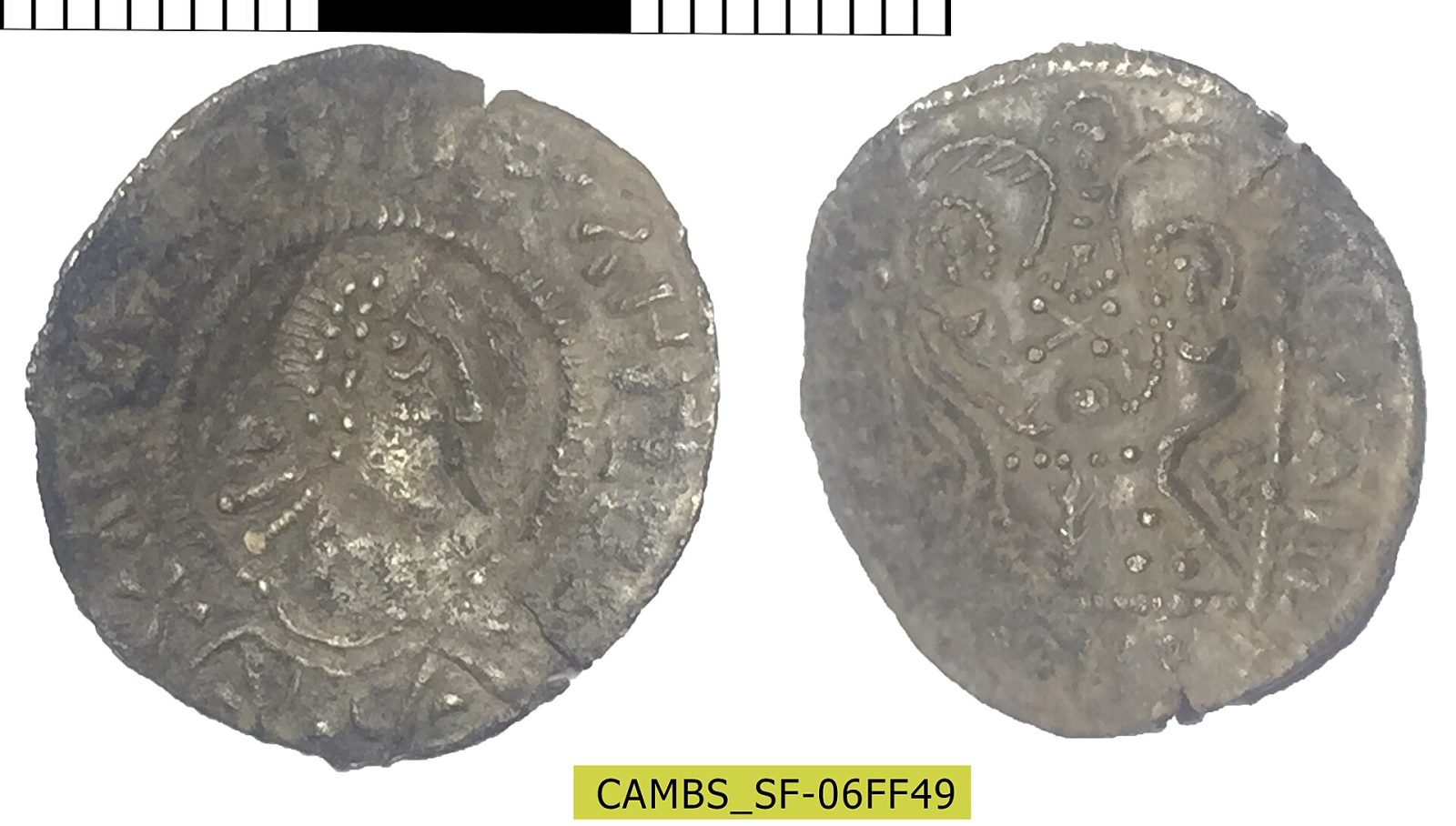
The Wantisden coin matters because of when it reached Britain. Roman rule here had ended around 410, more than half a century before this coin was struck. In his annual report on the Portable Antiquities Scheme's finds, the archaeologist John Naylor described it as the first coin of its type recorded by the Scheme, joining a very small corpus, and used it as evidence that gold coins were still reaching southern and eastern Britain long after the Romans had gone. Before it, the only coins of Anthemius recorded from Britain were a Germanic copy and a mounted silver coin. A solidus of the earlier emperor Valentinian III was found in the same parish the year before.
The coin is in private hands and not on public display.
Written for Global Finds from J. Naylor, "Portable Antiquities Scheme report", Medieval Archaeology 65 (2021), and the Portable Antiquities Scheme (BM-06DAA9). Photo: the Wantisden solidus of Anthemius, Andrew Brown, Suffolk County Council, Portable Antiquities Scheme, Wikimedia Commons, CC BY 2.0.
Source: J. Naylor, Medieval Archaeology 65 (2021), via ORA Oxford