The Galilee Aureus: a hiker spotted a shiny coin in the grass, a gold coin of Trajan bearing the face of Augustus
Famous find Struck in Rome in AD 107 · Found in 2016 See it on the timeline →
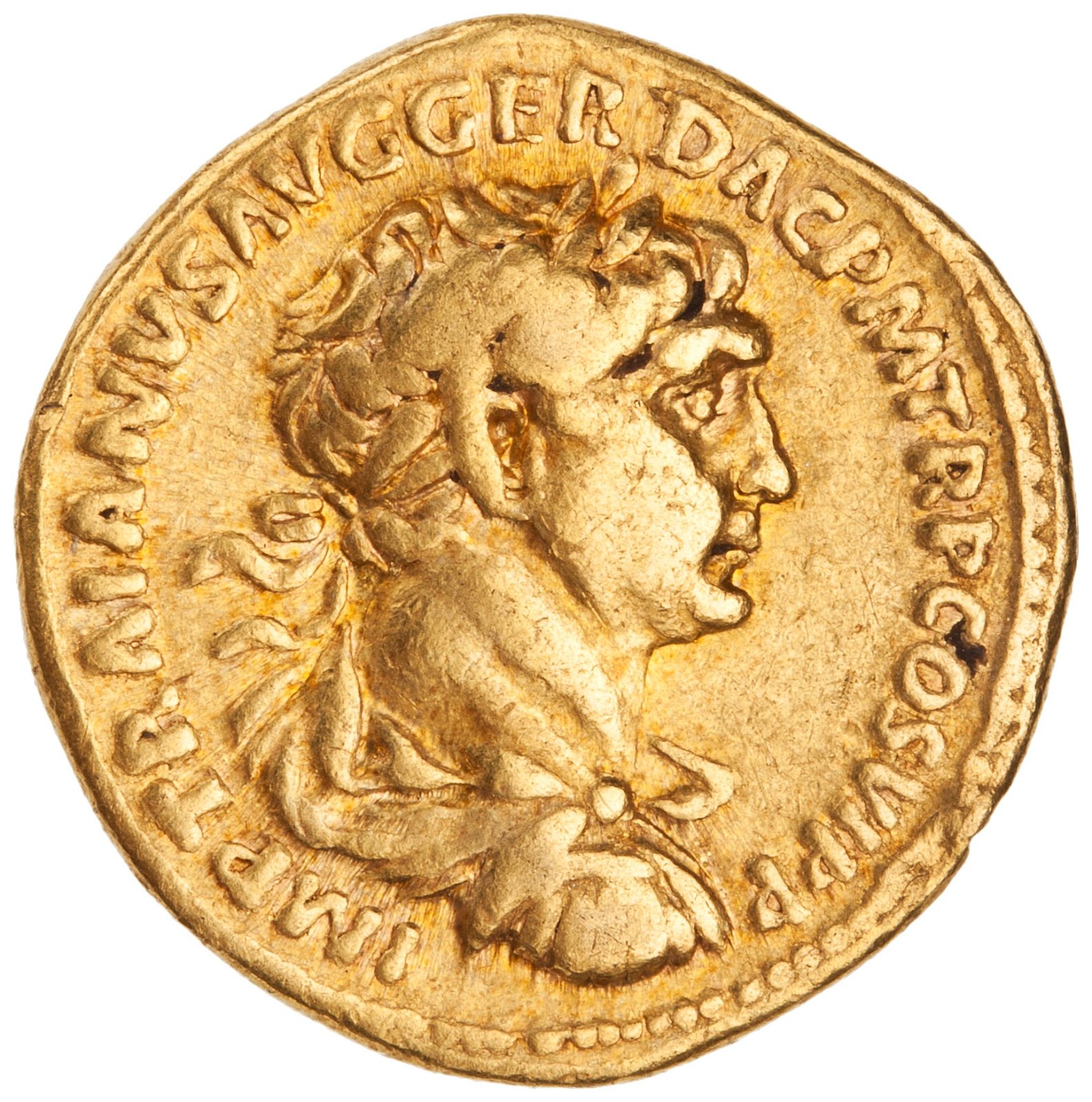
In March 2016 Laurie Rimon, hiking with friends in the eastern Galilee in Israel, spotted something shining in the grass. It was a gold aureus struck by the emperor Trajan in AD 107 in honour of Augustus, reportedly only the second known. She handed it to the authorities within hours.
In early March 2016, Laurie Rimon, a member of Kibbutz Kfar Blum in northern Israel, was hiking with friends at an archaeological site in the eastern Galilee when she noticed something shiny lying in the grass. It was a small gold coin. The group's guide, with the help of the archaeologist Motti Aviam, called the Israel Antiquities Authority, and an inspector arrived within about two hours. Rimon handed the coin over. "It was not easy parting with the coin," she said, adding that she hoped to see it displayed in a museum.
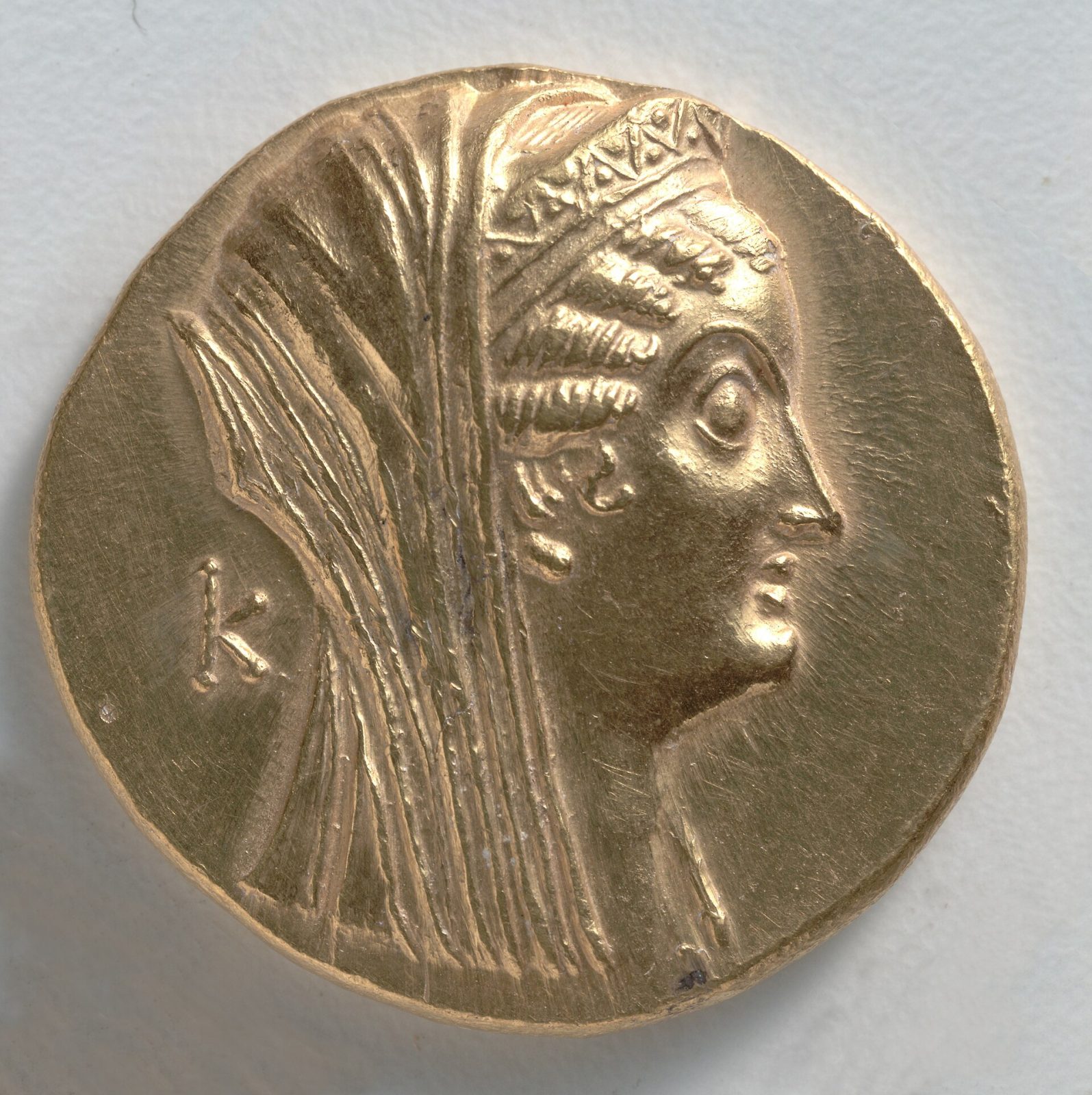
The coin is a gold aureus struck in Rome in AD 107 by the emperor Trajan. Its front, though, does not show Trajan. It shows Augustus, the first Roman emperor, with the words DIVVS AVGVSTVS, "the divine Augustus", who had died 93 years earlier. On the back are three Roman military standards, the centre one topped by an eagle, with Trajan's name and titles and the word REST, for "restored". Trajan issued a series of these restoration coins, reviving the designs of earlier emperors, as a way of linking his own reign to Rome's great past.
The Israel Antiquities Authority's coin specialist, Danny Syon, described the coin as rare on a global level, and the authority said it was only the second known example, the other being in the British Museum. Some numismatists have questioned that figure, so it is safest to say that it is extremely rare. The authority's curator Donald Ariel suggested that it might have been lost by a Roman soldier, since the army was active in the Galilee in the 2nd century, perhaps around the time of the Bar Kokhba revolt of AD 132 to 135, but he stressed that it is very hard to say on the basis of a single coin. Soldiers were sometimes paid in gold, a single aureus being worth 25 silver denarii.
Under Israeli law, antiquities found since 1978 belong to the state. Rimon received a certificate of good citizenship from the Israel Antiquities Authority for handing the coin in.
Written for Global Finds from NPR (2016), Numismatic News (2016) and The E-Sylum (2016), reporting the Israel Antiquities Authority. Photo: another gold aureus of Trajan, showing Trajan himself, not the Galilee coin, American Numismatic Society, Wikimedia Commons, CC0.
Linked finds
Source: NPR (2016)