The Dover Aureus: a rebel emperor of Britain's gold coin, found beside a Roman road and sold for £552,000
Famous find Struck in London, AD 293 to 296 · Found in 2019 See it on the timeline →
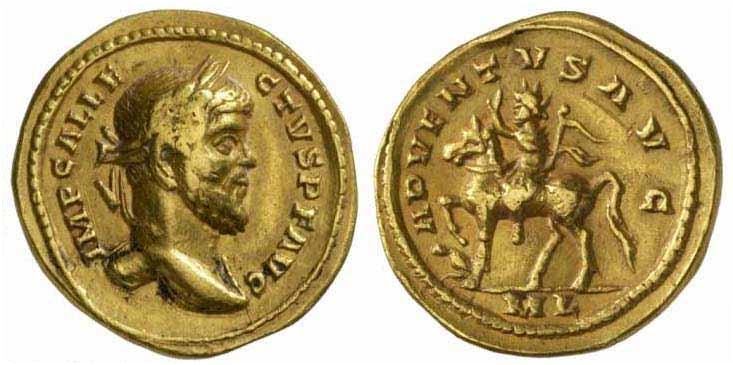
In March 2019 a metal detectorist and his brother searching a freshly ploughed field near Dover found a gold aureus of Allectus, who seized Britain by murdering its rebel emperor Carausius. Only about 24 are known, and it sold for a record £552,000.
In March 2019, a 30-year-old metal detectorist and his brother were searching a newly ploughed field near Dover in Kent, close to the line of a Roman road. After about 45 minutes, a small gold coin came up. The finder thought at first it was a half sovereign, but when he sprayed it with water it began to gleam. He asked not to be named. He took it to the British Museum, where it was identified.
It was a gold aureus of Allectus, weighing 4.31 grams, struck at London between 293 and 296. On the front is the emperor's head. On the back, according to the reports at the time, is the god Apollo with two captives. The coin was in superb condition, with its original colour and only a few tiny marks. It had been struck from the same pair of dies as one other coin, and that coin is in the British Museum.
Allectus was one of the most extraordinary rulers Britain has had. In 286 the Roman fleet commander Carausius declared himself emperor and ruled Britain and part of northern Gaul as a breakaway state. Allectus, his finance minister, murdered him in 293 and took his place. In 296 Constantius, the junior emperor in the west, sent an invasion fleet, and Allectus was defeated and killed in battle, probably in Hampshire, by its commander Asclepiodotus. His gold coins were only ever struck during those three years, and about 24 are known.
As a single gold coin, the aureus was not Treasure, so it belonged to the finder and the landowner. It was offered by Dix Noonan Webb in London on 6 June 2019 with an estimate of £70,000 to £100,000. After fierce bidding it sold to a private collector on the telephone for £460,000, or £552,000 with the buyer's premium, a record for any coin of Allectus and for any Roman coin struck in Britain. The finder said they were sharing the money with the farmer. The coin is in a private collection and not on display.
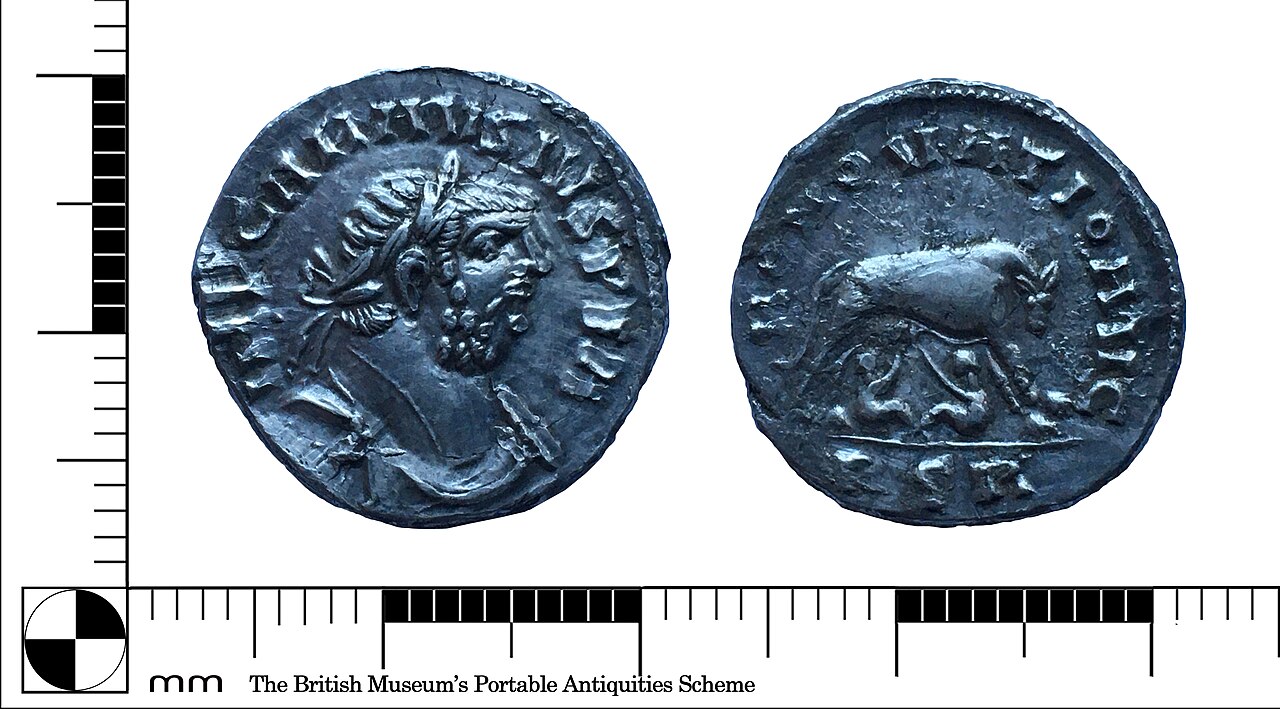
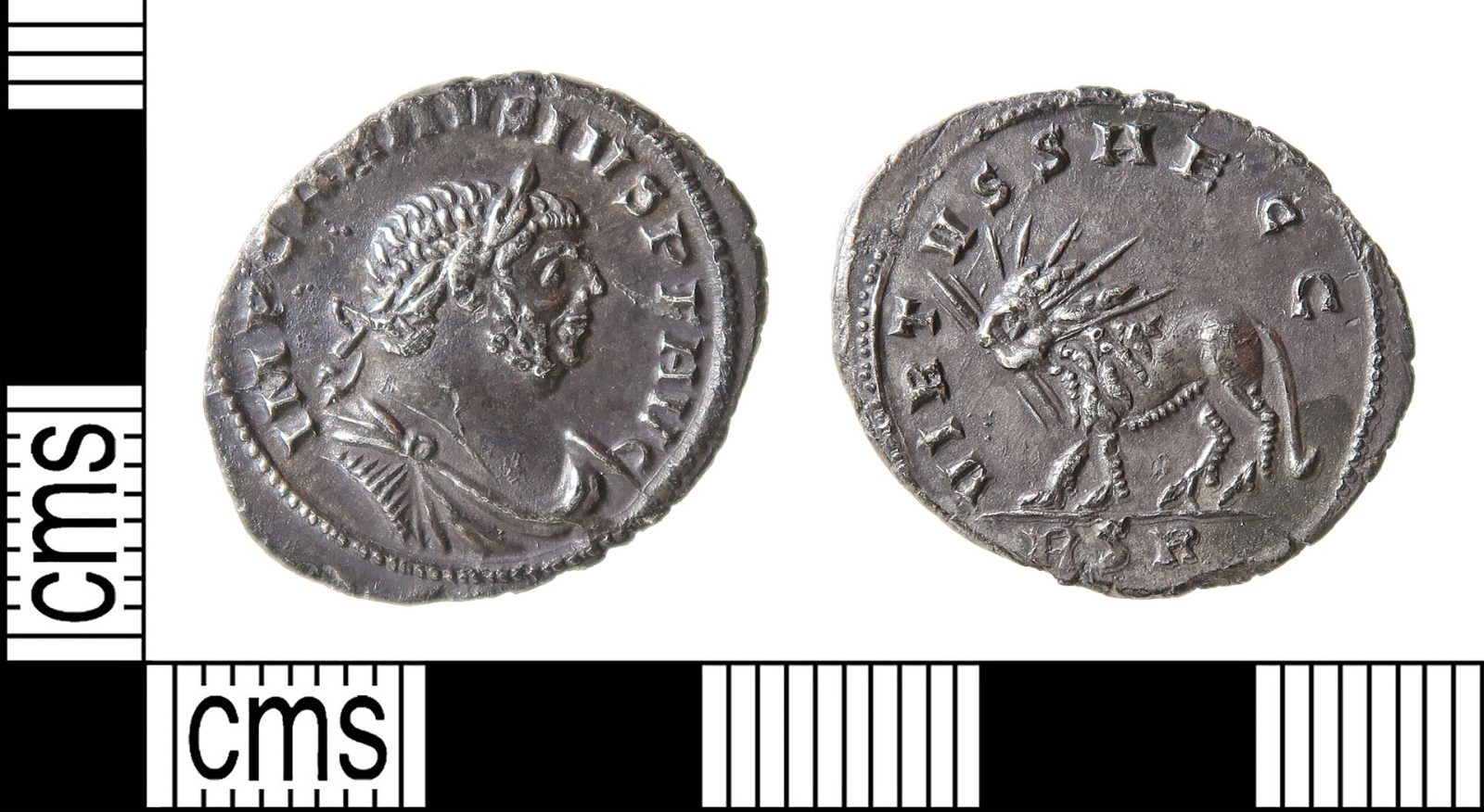
Two silver coins of Carausius, found in Gloucestershire, are also on Global Finds.
Written for Global Finds from KentOnline (2019) and Antique Collecting (2019). Photo: a gold aureus of Allectus of a different design, not the Dover coin, Numismatica Ars Classica, Wikimedia Commons, CC BY-SA 3.0 de.
Linked finds
Source: KentOnline (2019)