The Topcroft Penny: a 16-year-old detectorist found a coin of King Harold, struck in the year of Hastings
Famous find Struck in 1066 · Found in 2020 See it on the timeline →
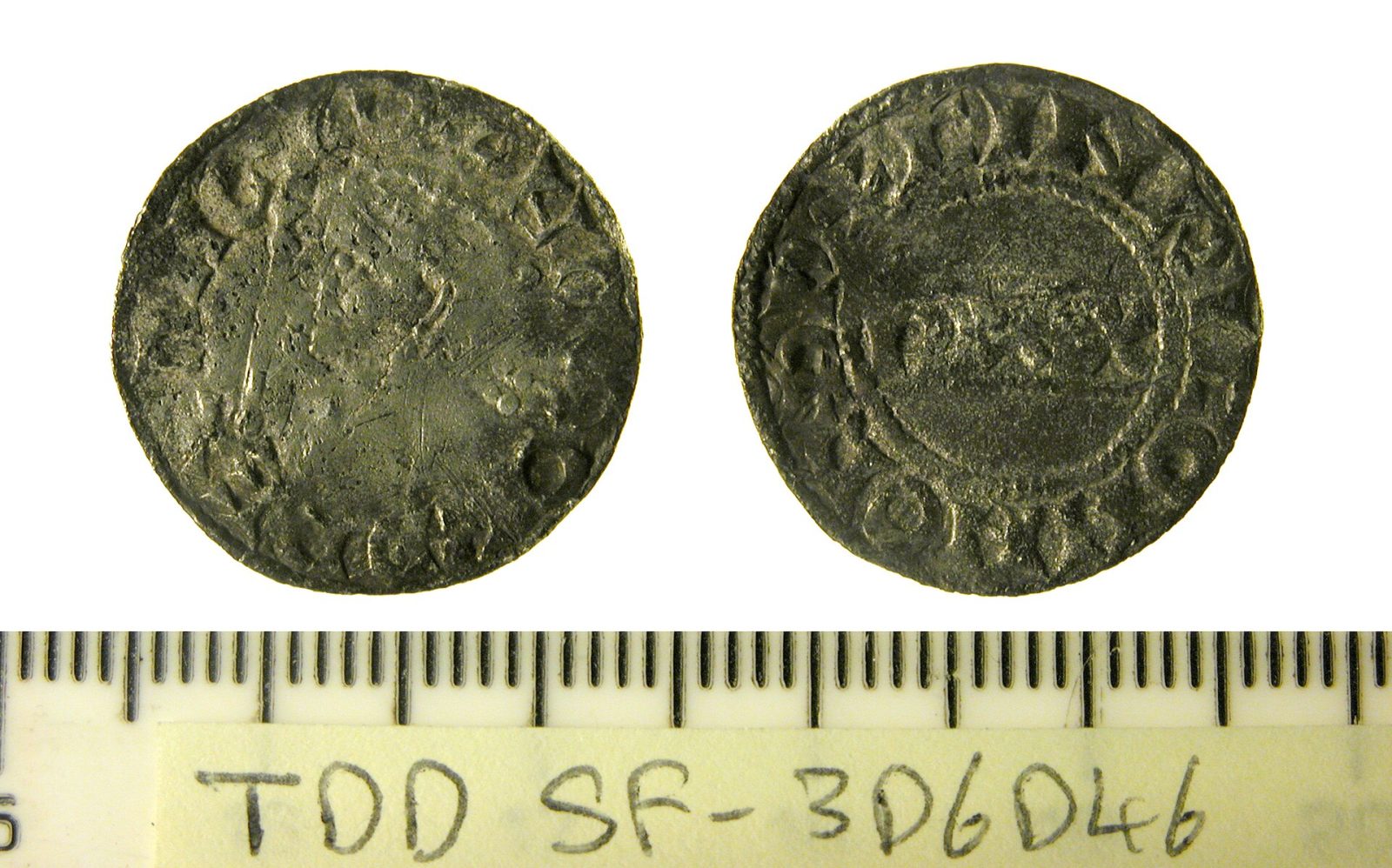
In August 2020, 16-year-old Reece Pickering was metal detecting with his father at Topcroft, near Bungay in Norfolk, when he found a silver penny of Harold II, the last Anglo-Saxon king, killed at Hastings in 1066. It was struck at Cambridge.
In August 2020, Reece Pickering, a 16-year-old catering apprentice from Great Yarmouth, was metal detecting in farmland at Topcroft, a village near Bungay in south Norfolk, with his father, Jonny Crowe. Reece had taken up the hobby a couple of years earlier and introduced his father to it. That day he found a small silver coin. "We knew it was special," his father said.
It was a penny of Harold II, the last Anglo-Saxon king of England. Harold Godwinson was crowned in January 1066, the day after the death of Edward the Confessor, and his reign lasted less than ten months. In September he marched north and defeated a Norwegian invasion at Stamford Bridge, then rushed south to meet William of Normandy, and on 14 October he was killed at the Battle of Hastings. All his coins were struck in that single year. They carry his crowned head on one side and the word PAX, peace, across the other.
This penny was struck at the mint of Cambridge. Harold's coins are not the rarest of Anglo-Saxon pennies, because his moneyers worked hard in a short time, but each mint and moneyer is a separate rarity, and Reece's father said that this one was the only known example of its type. The coin was recorded with the Fitzwilliam Museum in Cambridge, which keeps the national record of early medieval coin finds.
Because a single silver coin is not Treasure, it belonged to the finder and the landowner. It was sold by Hansons Auctioneers in Derbyshire on 26 October 2020, together with a penny of Henry I found by another teenage detectorist in Essex, and fetched £4,000 from a buyer in the United Kingdom. The money was shared equally with the landowner. "It's a day I will remember forever," Reece said. "You just never know what's beneath your feet."
Written for Global Finds from the Great Yarmouth Mercury (2020), the Press Association (2020) and Hansons Auctioneers (2020). Photo: a penny of Harold II found in Suffolk, not the Topcroft coin, Andrew Brown, Suffolk County Council, Portable Antiquities Scheme, Wikimedia Commons, CC BY-SA 2.0.
Linked finds
Source: Great Yarmouth Mercury (2020)