The Penicuik Penny: a detectorist in a Midlothian wood found the earliest known coin struck in Scotland
Famous find Struck at Edinburgh in the late 1130s · Found in 2023 See it on the timeline →
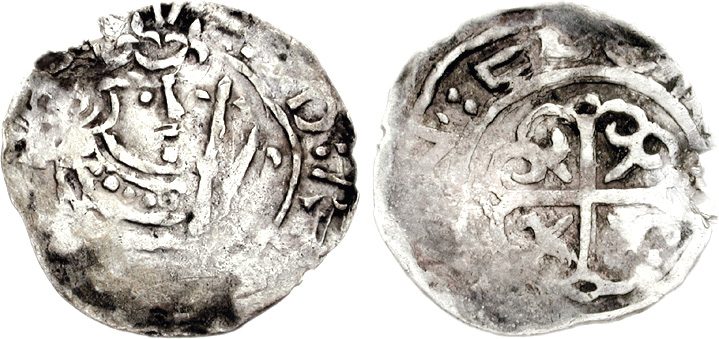
In 2023 a metal detectorist searching woodland near Penicuik in Midlothian found a silver penny of David I, struck at Edinburgh in the late 1130s. It is the earliest known coin minted in Scotland, and National Museums Scotland acquired it for £15,000.
In 2023, a metal detectorist searching a wooded area near Penicuik, south of Edinburgh in Midlothian, found a small silver coin. The finder's name has not been published. As Scots law requires for every archaeological find, it was reported to the Treasure Trove Unit, and it turned out to be one of the most important coins ever found in Scotland.
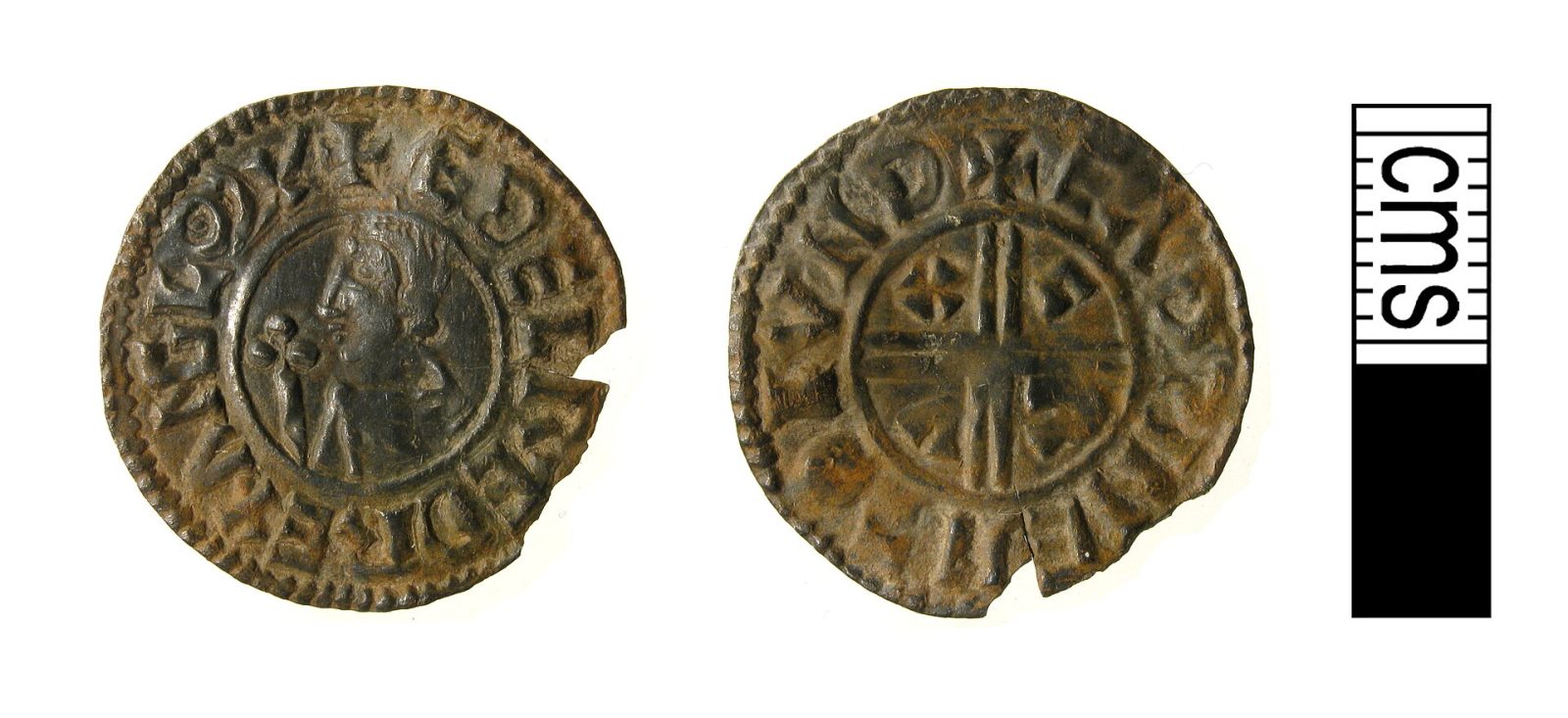
It is a silver penny of David I, King of Scots from 1124 to 1153. On one side is the crowned king holding a sceptre, and on the other a design based on a cross, with a legend naming the moneyer and the mint, Edinburgh. It was struck in the second half of the 1130s.
David I was the first Scottish king to issue his own coins. He was brought up at the English court, and he introduced many new institutions to Scotland, among them burghs, the first Scottish towns, and a national coinage modelled on English pennies. Until this find, historians believed that his earliest coins had all been struck at Carlisle, which David seized in the 1130s along with its rich silver mines in the north Pennines. The Penicuik penny is the first coin of that earliest type known to have been struck anywhere other than Carlisle. Alice Blackwell, senior curator at National Museums Scotland, said it was the first time Scottish coinage of that date could be shown to have been minted in a core part of the Scottish kingdom. The museum thinks it was probably simply dropped by someone passing through the woods.
In Scotland, all archaeological finds belong to the Crown. The Scottish Archaeological Finds Allocation Panel allocated the coin to National Museums Scotland in 2025. It was valued at £15,000, and the museum paid that sum, which went to the finder as a reward. The find was announced in December 2025. The museum is studying the coin and hopes to put it on display.
Written for Global Finds from National Museums Scotland via the Press Association, the BBC and The E-Sylum (2025). Photo: a penny of David I struck at Edinburgh, not the Penicuik coin, Classical Numismatic Group, Wikimedia Commons, CC BY-SA 3.0.
Linked finds
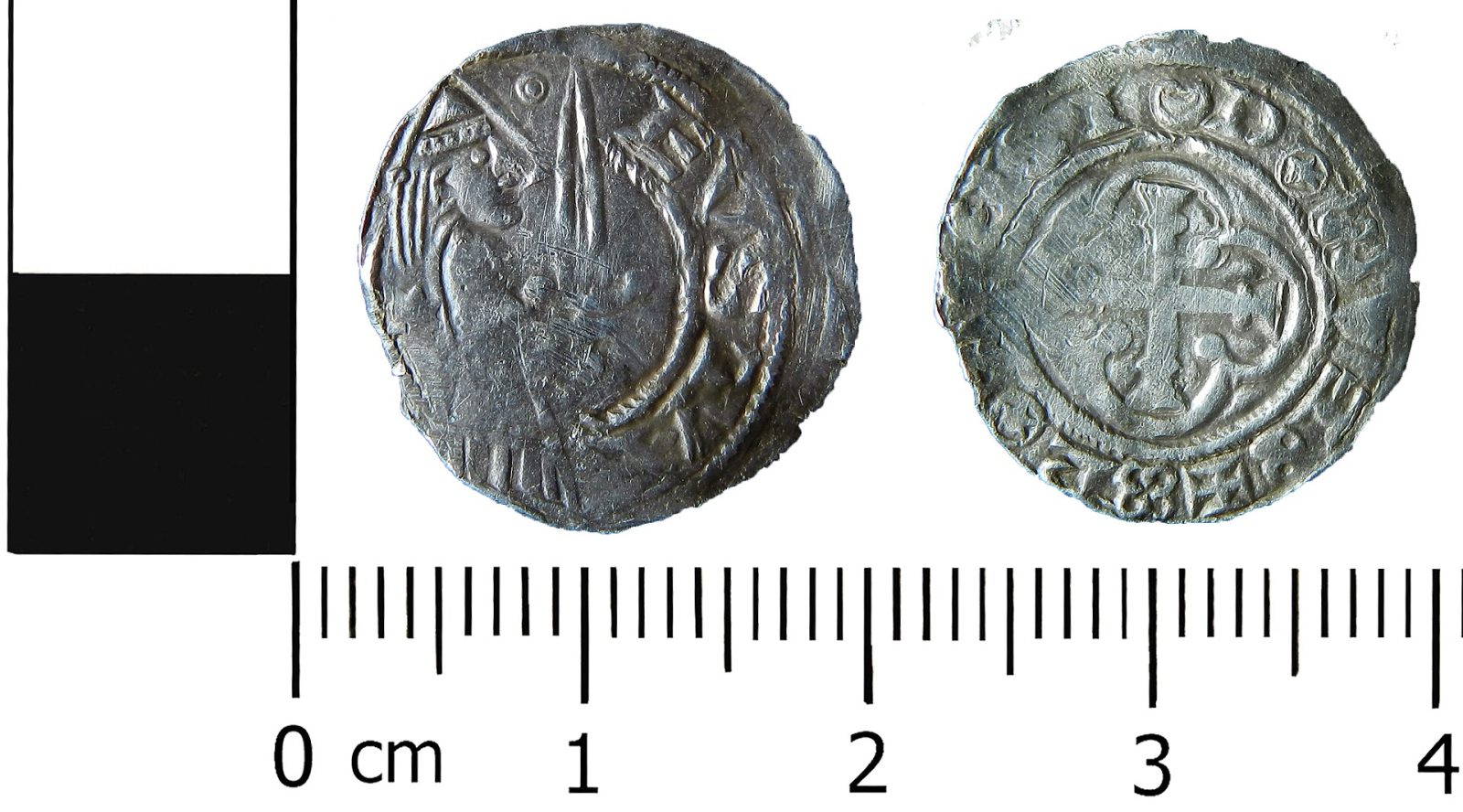
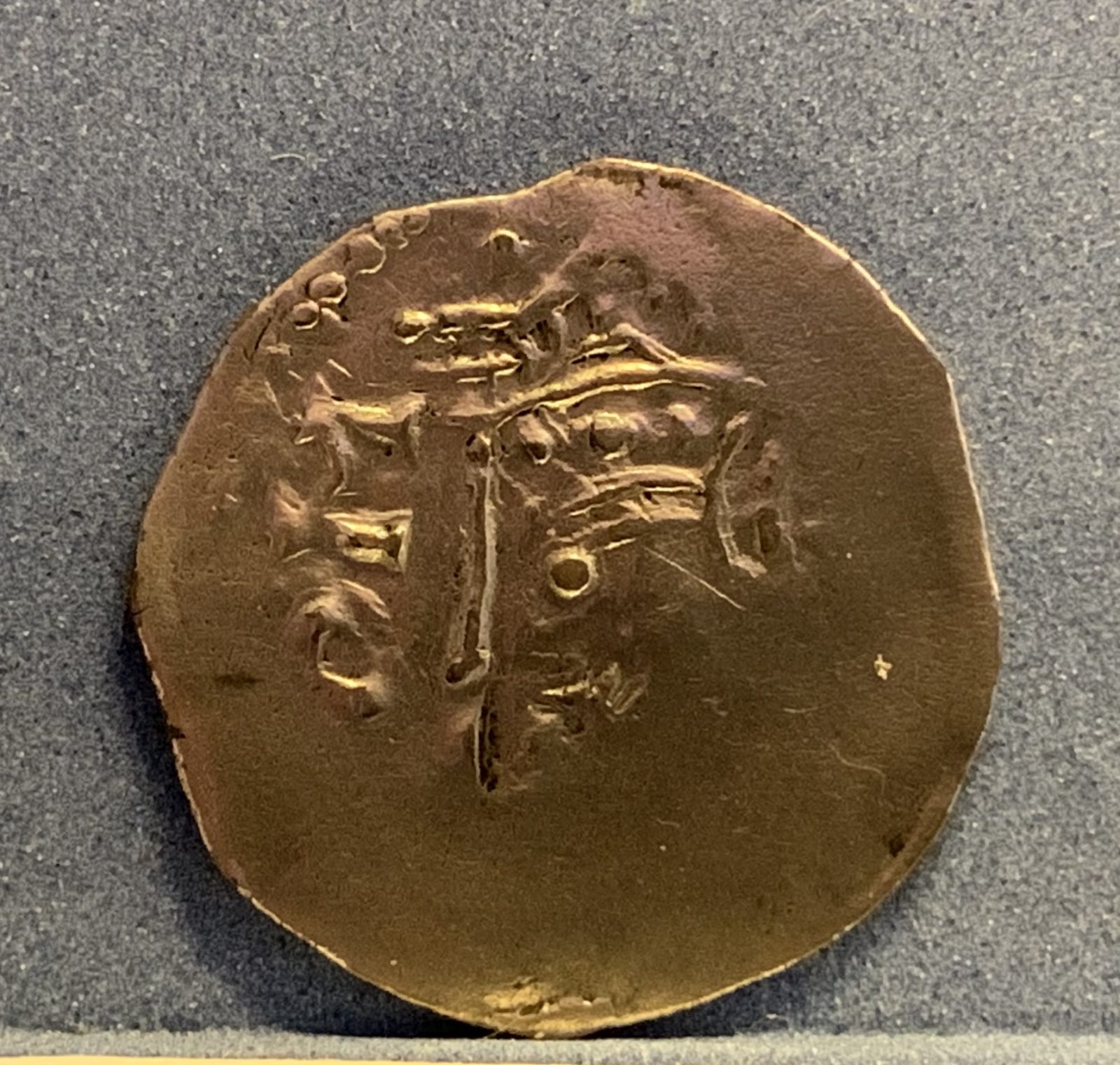
Source: The E-Sylum (2025)