The Coenwulf Mancus: a gold coin found beside a riverside footpath, saved for the nation for a record £357,832
Famous find Struck AD 796 to 821 · Found in 2001 See it on the timeline →
In 2001 a metal detectorist found a gold coin of Coenwulf, King of Mercia, beside a public footpath along the River Ivel in Bedfordshire. Unique and in near-perfect condition, it was sold to America, stopped from leaving the country, and bought by the British Museum in 2006.
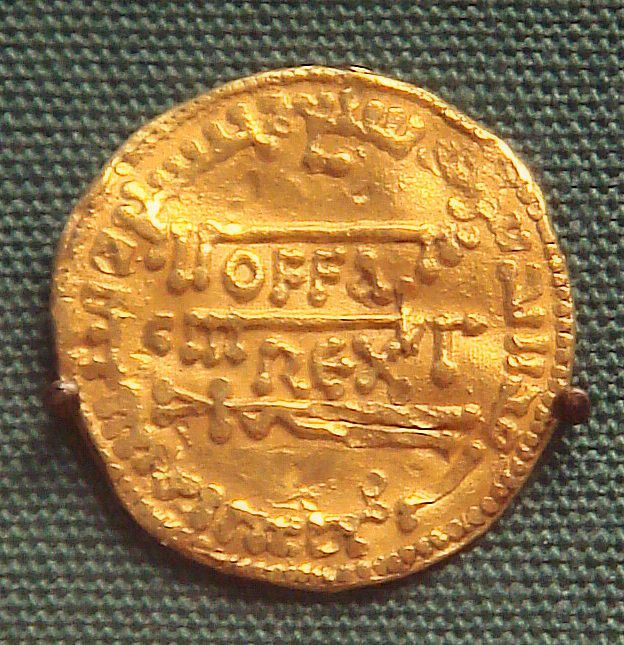
In 2001, a metal detectorist searching beside a public footpath along the River Ivel, near Biggleswade in Bedfordshire, found a small gold coin. The finder's name has not been published. It turned out to be a gold coin of Coenwulf, King of Mercia from 796 to 821, the most powerful king in England in his day.
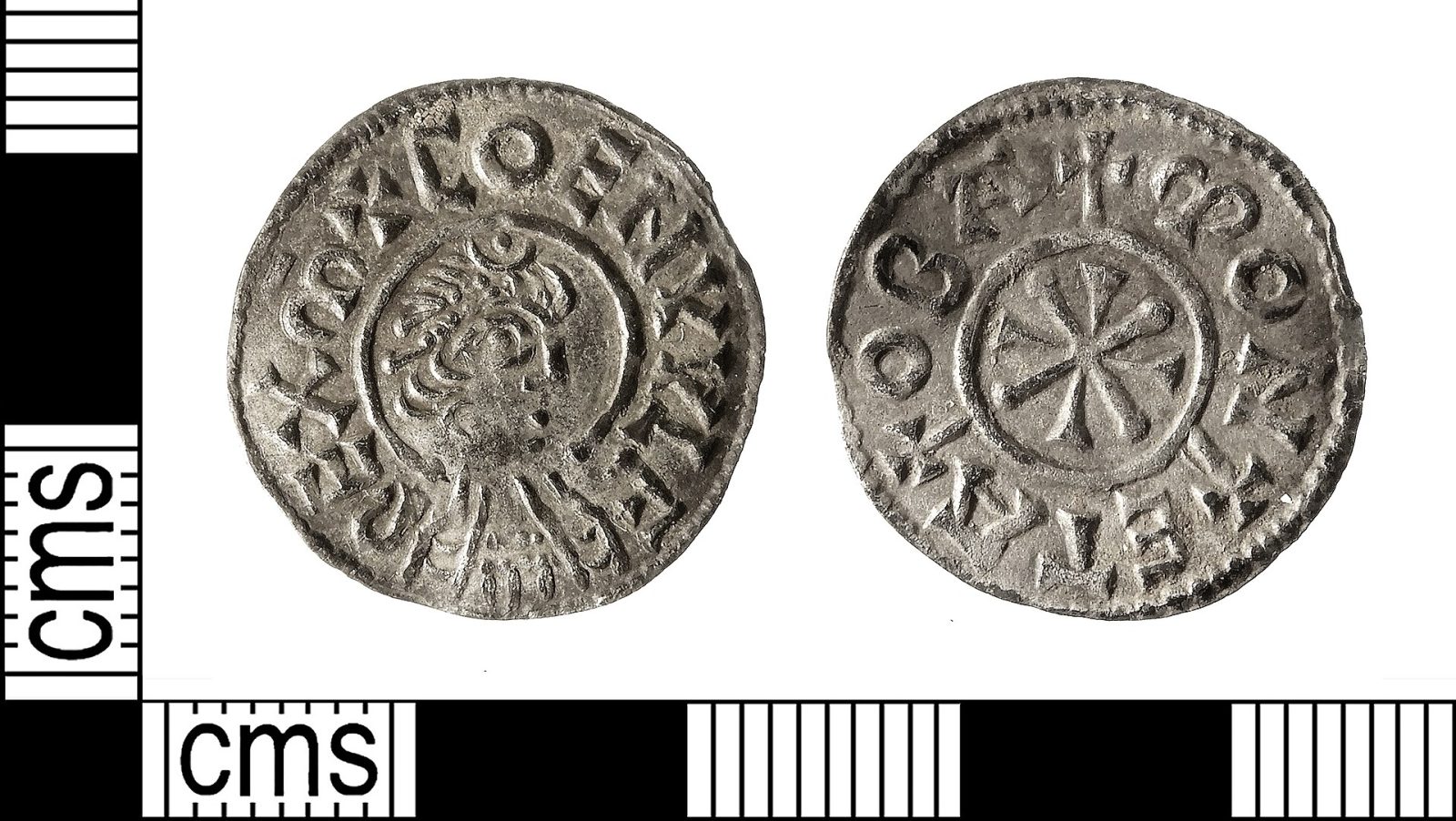
The coin weighs 4.33 grams and is about 20 millimetres across. On the front is the king's head with his name and title, COENVVLF REX M, Coenwulf King of the Mercians. On the back are the words DE VICO LVNDONIAE, "from the trading town of London", the name of the Anglo-Saxon trading settlement along the Strand. It is a mancus, a gold coin worth 30 silver pennies, a huge sum, and it was probably made for a royal gift or a special payment rather than for everyday trade. It is in almost perfect condition.
The British Museum described it as probably the earliest gold coin bearing the name of an English ruler that was meant for use as money. It was one of only eight gold coins known from the middle and later Anglo-Saxon period, and the only one of Coenwulf. As a single coin it was not Treasure, so it belonged to the finder and the landowner. In October 2004 it was sold at Spink in London with an estimate of £120,000 to £150,000, and it went to an American dealer, who later sold it on to another collector in the United States.
The government then stepped in. An export licence was deferred, giving a British museum the chance to match the price, and the British Museum raised the money with help from the National Heritage Memorial Fund, which gave £225,000, the Art Fund, the British Museum Friends, the Goldsmiths' Company and private donors. In February 2006 the museum announced that it had bought the coin for £357,832, a record for a British coin. The museum's curator, Gareth Williams, called it a tremendously significant new source of information on Anglo-Saxon kingship.
The Coenwulf mancus is in the British Museum.
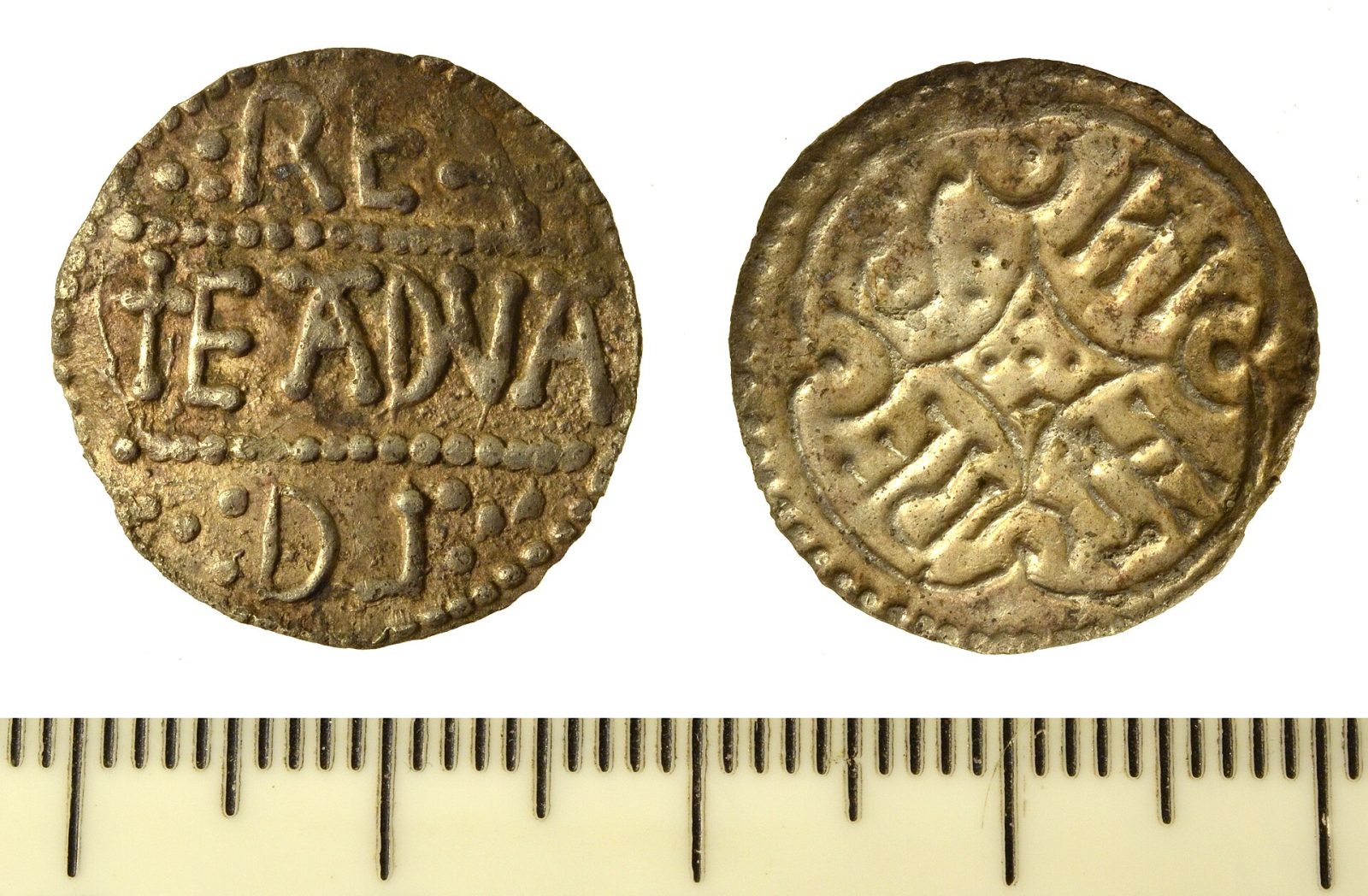
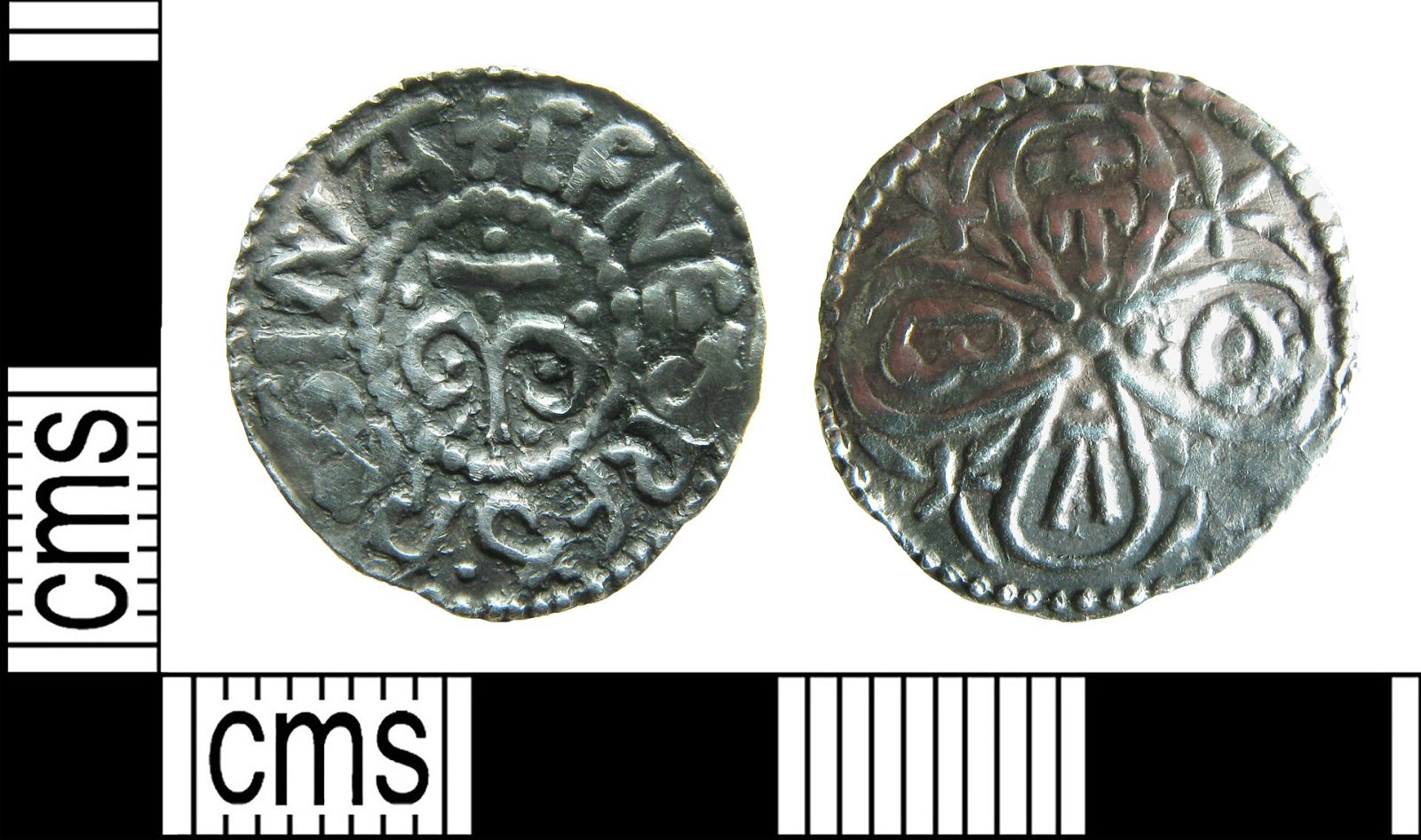
Written for Global Finds from the National Heritage Memorial Fund (2006), Spink (2004), the Fitzwilliam Museum's Early Medieval Corpus and The E-Sylum (2004–2006). Photo: a silver penny of Coenwulf, not the gold mancus, Frank Basford, Portable Antiquities Scheme, Wikimedia Commons, CC BY 2.0.