The Scarborough Siege Crown: a piece of cut-up family silver from a castle under siege lay unrecognised for fifteen years
Famous find Made during the siege of Scarborough Castle, 1645 · Found in 1995 See it on the timeline →
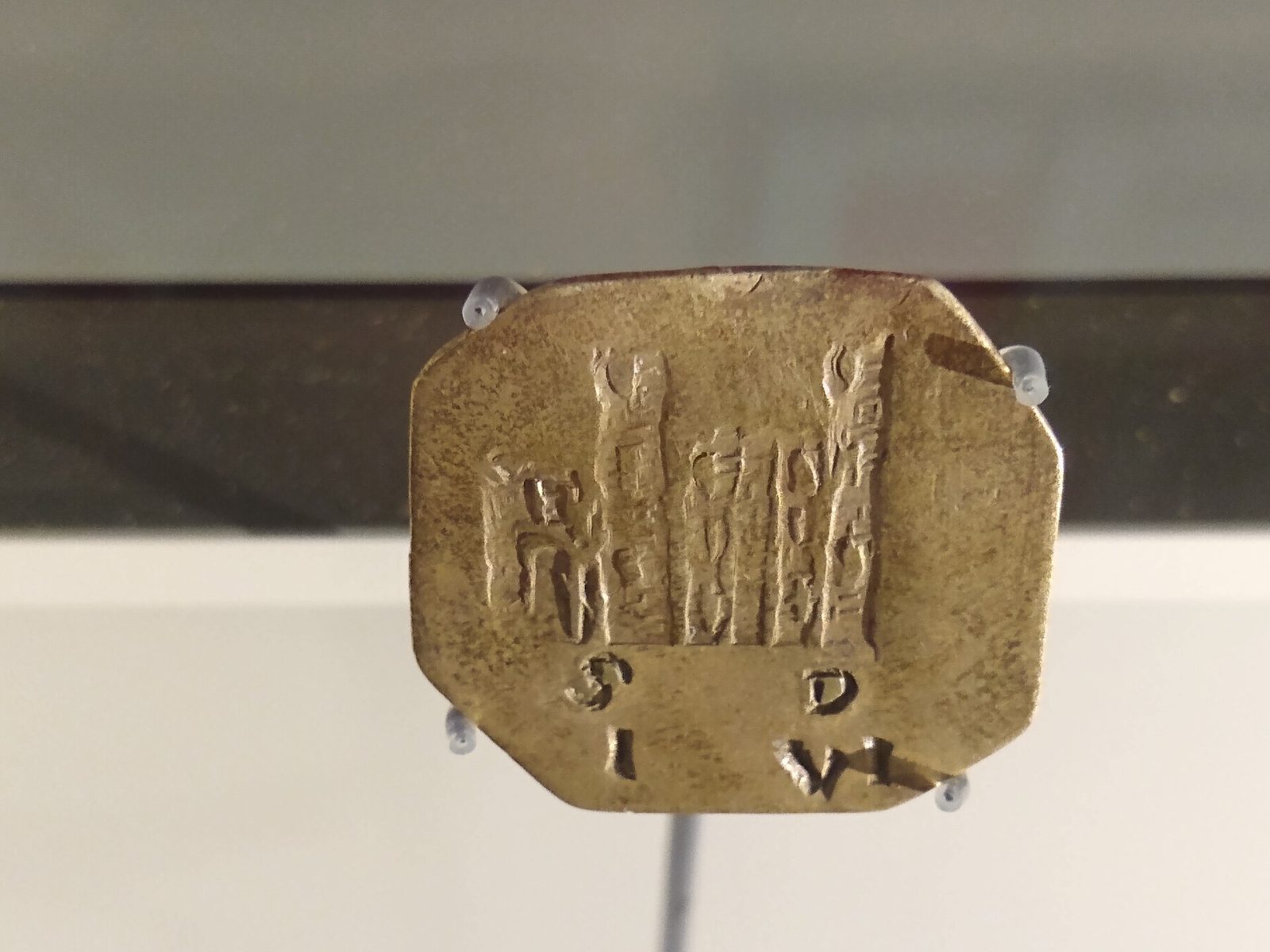
Around 1995 a metal detectorist in Lincolnshire found a rough, worn piece of silver stamped with a castle and the letters V S. Years later it was identified as a five-shilling piece of emergency money struck during the siege of Scarborough Castle in 1645.
Around 1995, a metal detectorist searching in Lincolnshire dug up an odd, flat piece of silver, roughly cut and very worn. The finder's name has not been published, and for years the piece sat unrecognised among their finds. In 2010 it was brought to the consignment desk of TimeLine Auctions, where specialists saw what it might be: a piece of siege money from the English Civil War, stamped with the gateway of Scarborough Castle.
During the war, Royalist garrisons cut off from the King's mints made their own emergency coins. At Scarborough, besieged by Parliament's forces in 1645, the defenders collected silver plate, spoons and other household silver, flattened it, cut it into rough pieces and stamped each with a picture of the castle and its value. Because the pieces were valued by weight, Scarborough produced some of the oddest denominations in English coinage. This one, uniface and stamped V S, was a crown, worth five shillings. Analysis showed it to be about 93 per cent silver, close to the sterling standard of the plate it was made from. The auction catalogue noted that most, though not all, of the experts consulted believed it to be a genuine piece of Scarborough siege money, and its heavy wear suggests that someone carried it for years, perhaps as a keepsake.
The town of Scarborough fell to Parliament in February 1645, but the castle, commanded by Sir Hugh Cholmley, held out on its headland for five months. Parliament's commander, Sir John Meldrum, was mortally wounded during the siege, and the castle's great keep was badly damaged by bombardment. Starving and sick, the garrison surrendered in July 1645. How a piece of its silver reached Lincolnshire is not known, though members of the garrison were allowed to leave on terms.
TimeLine Auctions offered the crown on 16 December 2010 with an estimate of £7,000 to £9,000, and Paul Fraser Collectibles named it the expected top lot of the sale. It sold for £7,590 including the buyer's premium, to a buyer who has not been named.
Written for Global Finds from Paul Fraser Collectibles (2010) and TimeLine Auctions (2010). Photo: a smaller Scarborough siege piece on display at the National Civil War Centre in Newark, not the Lincolnshire crown, PBS, Wikimedia Commons, CC BY-SA 4.0.
Linked finds
Source: Paul Fraser Collectibles (2010)