The Edgartown Shilling: a beach detectorist nearly spent the oldest coin ever found on Martha's Vineyard on sweets
Famous find Dated 1652, struck about 1667 to 1682 · Found in 2015 See it on the timeline →
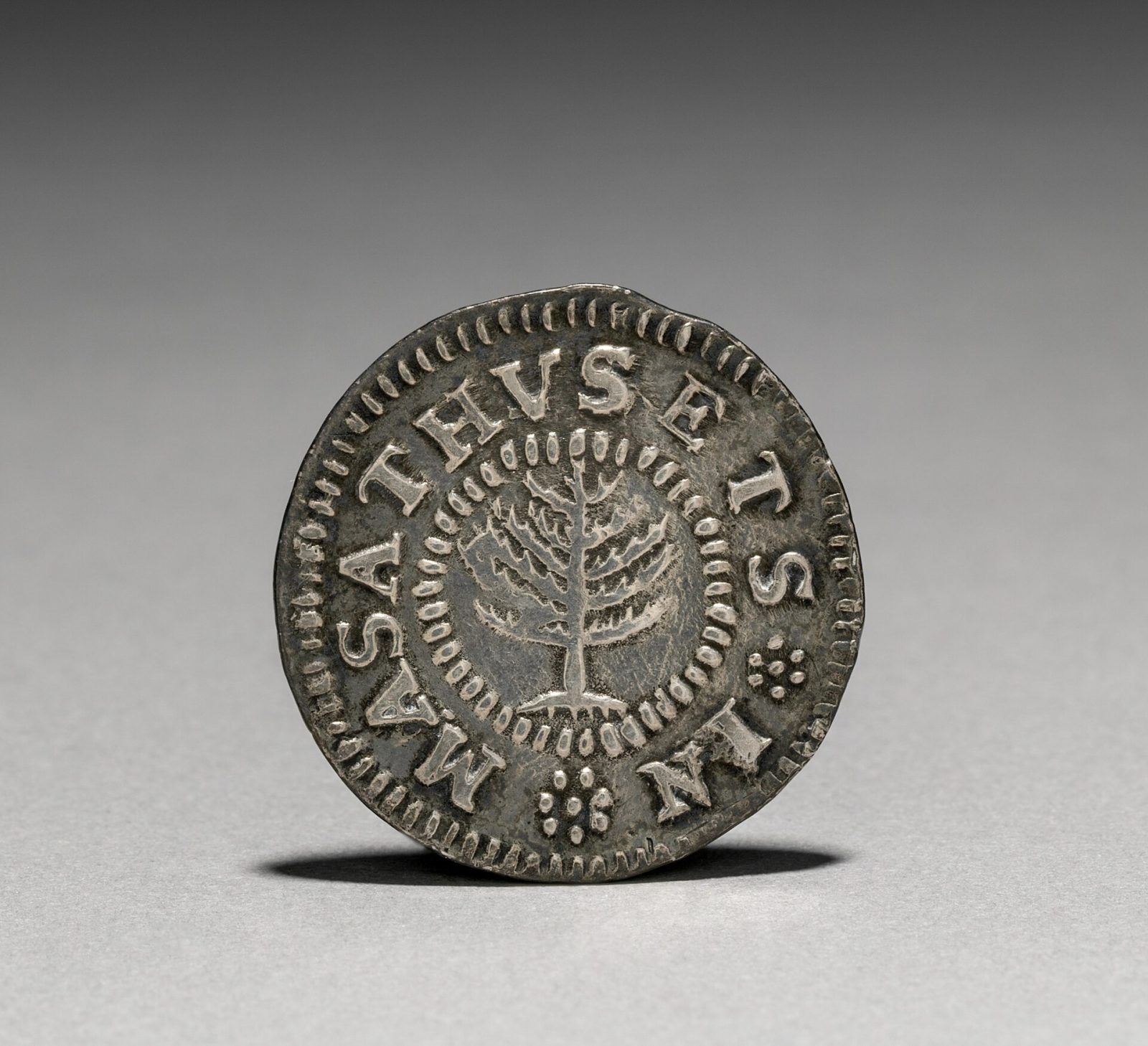
In December 2015 Tim Sauer, a carpenter from Edgartown on Martha's Vineyard, found a Massachusetts Pine Tree shilling on a town beach. He put it in his pocket with the modern change and only noticed the date the next day. It is the oldest coin known from the island.
In December 2015, Tim Sauer, a 29-year-old carpenter born on Martha's Vineyard, off the coast of Massachusetts, was metal detecting on one of the town beaches at Edgartown. He will not say which one. He had been detecting for a couple of years and was finding the usual thin, salt-worn modern change. One coin was black and showed nothing, so he put it in his pocket with the rest. The next day, rubbing the sand off his finds before dropping them in the change dish he used for buying sweets, he picked it up again. As it dried, he said, "the date started popping".
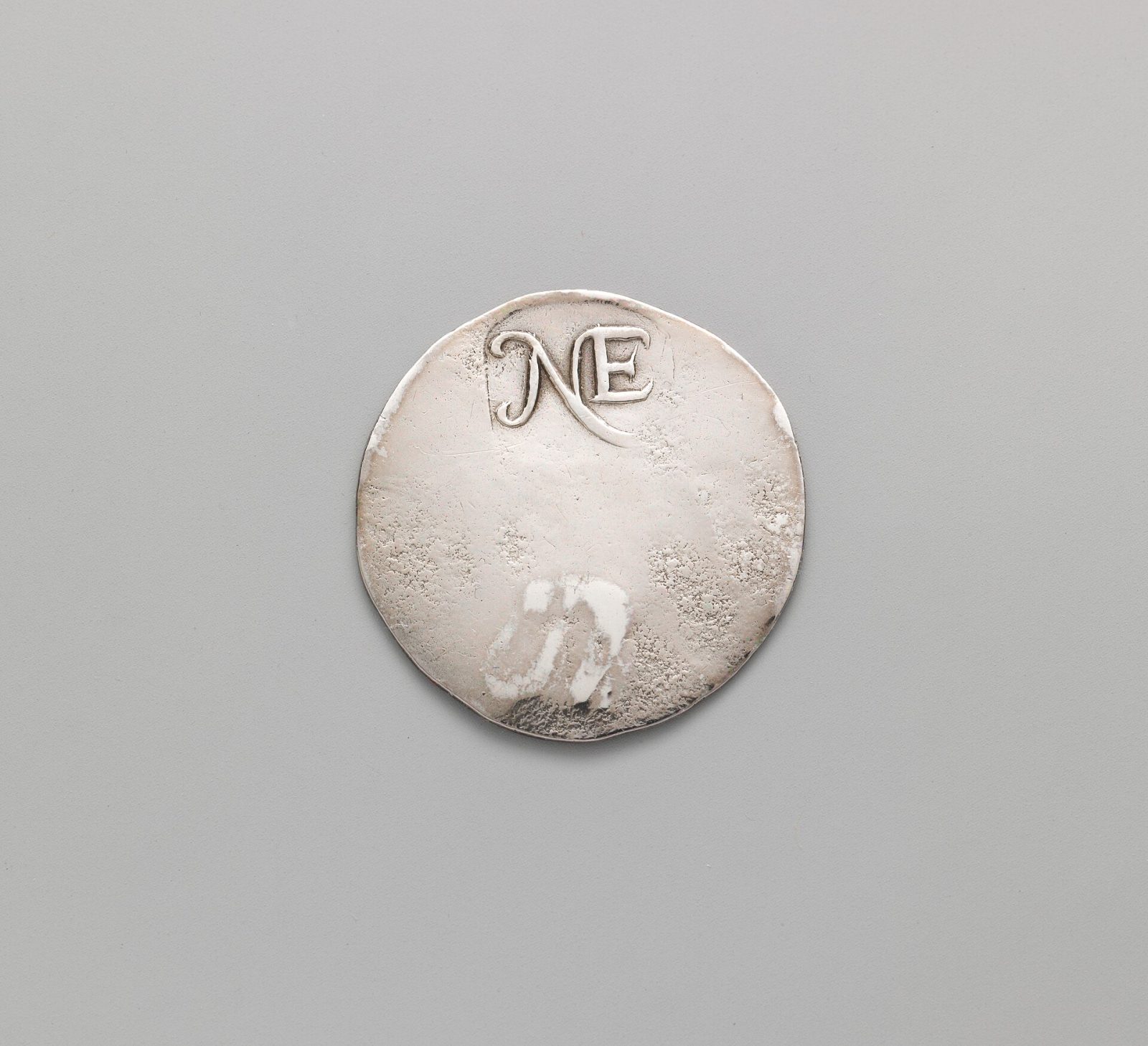
It was a silver Pine Tree shilling of the Massachusetts Bay Colony. On one side is a pine tree within a circle of beads and the words IN MASATHVSETS; on the other, the date 1652 above XII, for twelve pence, with NEW ENGLAND and AN DOM. It was struck slightly off-centre, and centuries in the sand had bent it into a wave, with a crease and a tiny hole at one edge. The Vineyard Gazette described it as being as big as a washer and as light as a cracker.
Pine Tree shillings were made in Boston by the silversmiths John Hull and Robert Sanderson. Despite the date, they were struck from about 1667 to the early 1680s. Every Massachusetts silver coin kept the date 1652, perhaps to hide from the Crown, which alone had the right to make coins, that the colony was still minting. Sauer's coin is the oldest known to have been found on Martha's Vineyard. The Gazette noted that Thomas Mayhew, who settled the island in 1642, might have handled it.
Two veteran island detectorists, Wolfie Blair and Luke Brewer, had never found a tree coin; it had been on their wish lists for years. A dealer in Falmouth suggested professional grading and said worn examples sold for about $400 to $600. Sauer had already been offered $2,000, but said he doubted he would ever part with it. "I don't know if I'll ever find one again!" he said.
Written for Global Finds from the Vineyard Gazette (2016) and the Cleveland Museum of Art. Photo: the pine tree side of another Massachusetts Pine Tree shilling, not the Edgartown coin, Cleveland Museum of Art, Wikimedia Commons, CC0.
Linked finds
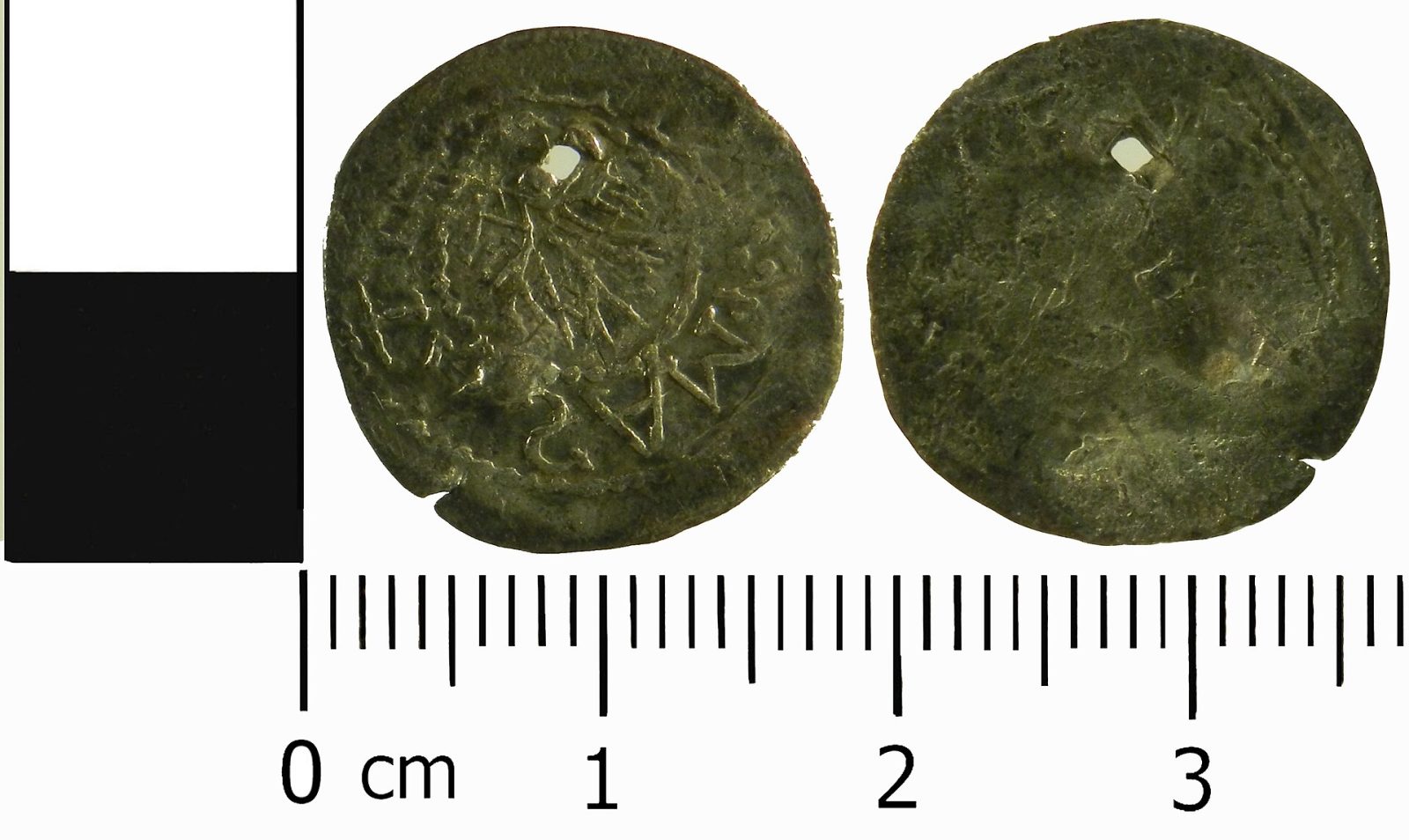
Source: Vineyard Gazette (2016)