The Litva Hoard: a silver belt and thousands of coins from a Belarus field were sold off, then won back in court
Famous find Buried around 1432 · Found in 1994 See it on the timeline →
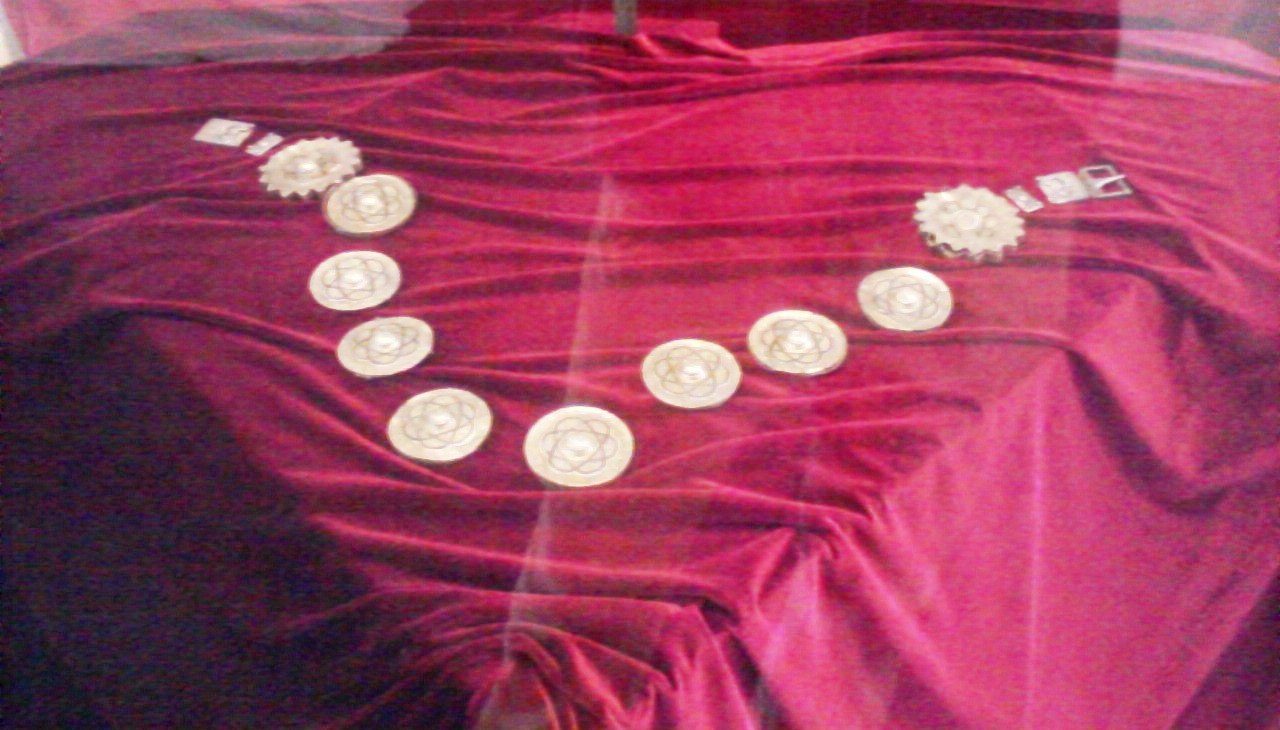
In the early 1990s workers in a field near Litva, west of Minsk in Belarus, found a hoard of thousands of Prague groschen and a gilded silver belt. Most of it was sold off before scholars heard of it; after a court case in 2006 the belt went to the National Historical Museum.
In the early 1990s, workers on farmland between the villages of Litva and Palačany, in the Maladzyechna district west of Minsk in Belarus, came upon a buried treasure. Exactly when and by whom was never properly recorded, because the find was not reported. Thousands of silver coins and pieces of jewellery quietly began to appear on the antiques market. In 1994 a collector showed the archaeologist Valiancin Rabcevich a gilded silver belt from the hoard. Experts confirmed that it was genuine, and it was entered on the national register of cultural heritage, but it stayed in private hands.
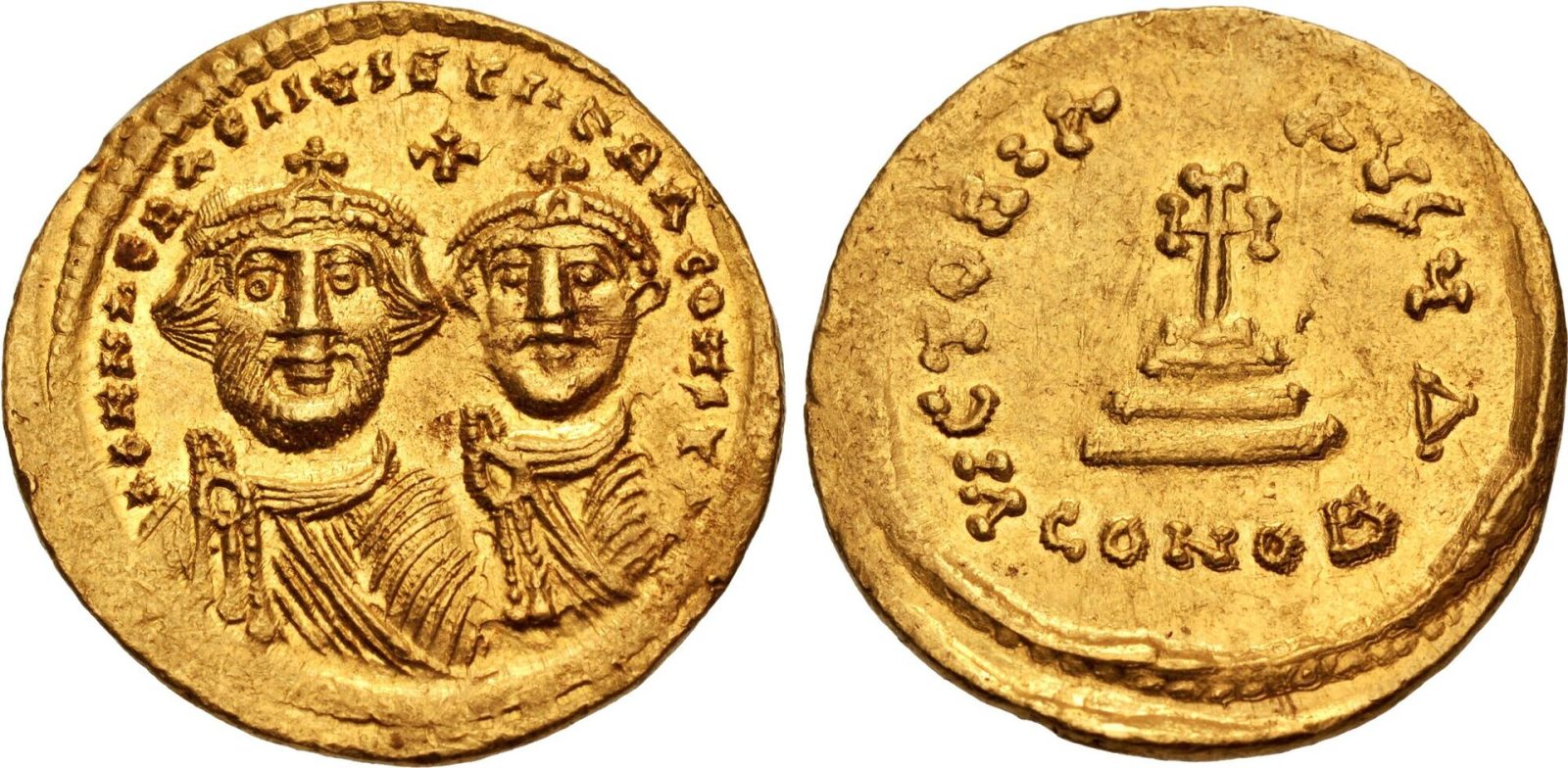
The hoard is the largest find of Prague groschen, the big silver coins of the kings of Bohemia, ever made in the lands of the medieval Grand Duchy of Lithuania. Most date from the reign of Wenceslas IV, who ruled from 1378 to 1419, and the Hussite years that followed. Rabcevich went to the site and traced much of what had been dispersed, and more than 6,000 groschen have been recorded from the field, though some researchers think part of them came from a second hoard found there separately. The belt is made of gilded silver plates decorated in an Eastern style with engraved and niello designs, including birds and fantastic beasts, with a buckle in a Gothic style. There had been two identical belts; the second was smuggled abroad.
Popular legend called it the Belt of Vytautas, after the famous Grand Duke of Lithuania, said to have received it from a khan of the Crimean Tatars, but that story rests on a mistranslation. The historian Sergei Polekhov has recently argued that the hoard was buried around 1432, during the Lithuanian civil war, by a nobleman called Vasily Bratoshich, who held the nearby castle of Kreva and whose name is inscribed on silver bowls from the same find.
In 2005 the belt was offered at auction, though as a registered treasure it could not legally leave the country. After a public campaign, the Supreme Court of Belarus ruled in December 2006 that it should pass to the State. It is now in the National Historical Museum of the Republic of Belarus in Minsk.
Written for Global Finds from S. V. Polekhov in Slověne (2025), Nasha Niva (2006) and the National Historical Museum of Belarus. Photo: the belt from the Litva Hoard in the National Historical Museum, Minsk, Vilensija, Wikimedia Commons, CC BY-SA 3.0.
Source: Slověne (2025)