The York Area Hoard: 179 pennies of King Harold, hidden near the Fulford battlefield in the year of three battles
Famous find Buried in 1066, in the reign of Harold II · Found in 2023 See it on the timeline →
In 2023 a metal detectorist found a hoard of 179 silver pennies near York, every one struck for King Harold II, who reigned for just nine months in 1066. It was probably hidden as Norwegian and then Norman invaders closed in, and the British Museum is appealing for £200,000 to keep it together.
In 2023, a metal detectorist searching land in the York area found a hoard of silver pennies. The finder's name and the exact findspot have not been published, but the British Museum has said that the hoard was found close to Fulford, just south of York, where an English army was defeated by Norwegian invaders in September 1066. It was reported under the Treasure Act and became the headline find of the Portable Antiquities Scheme and Treasure report for 2024, published in January 2026.
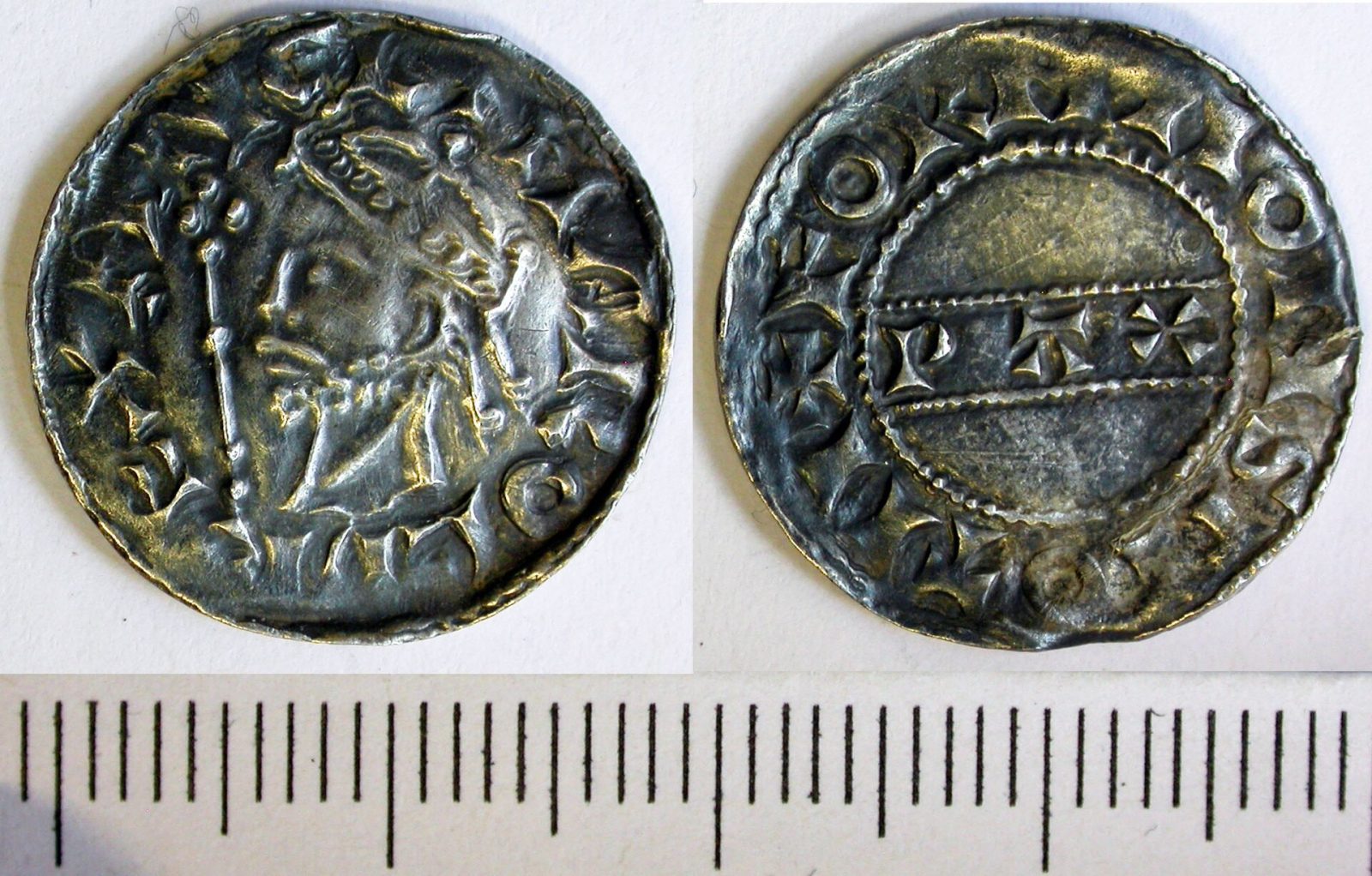
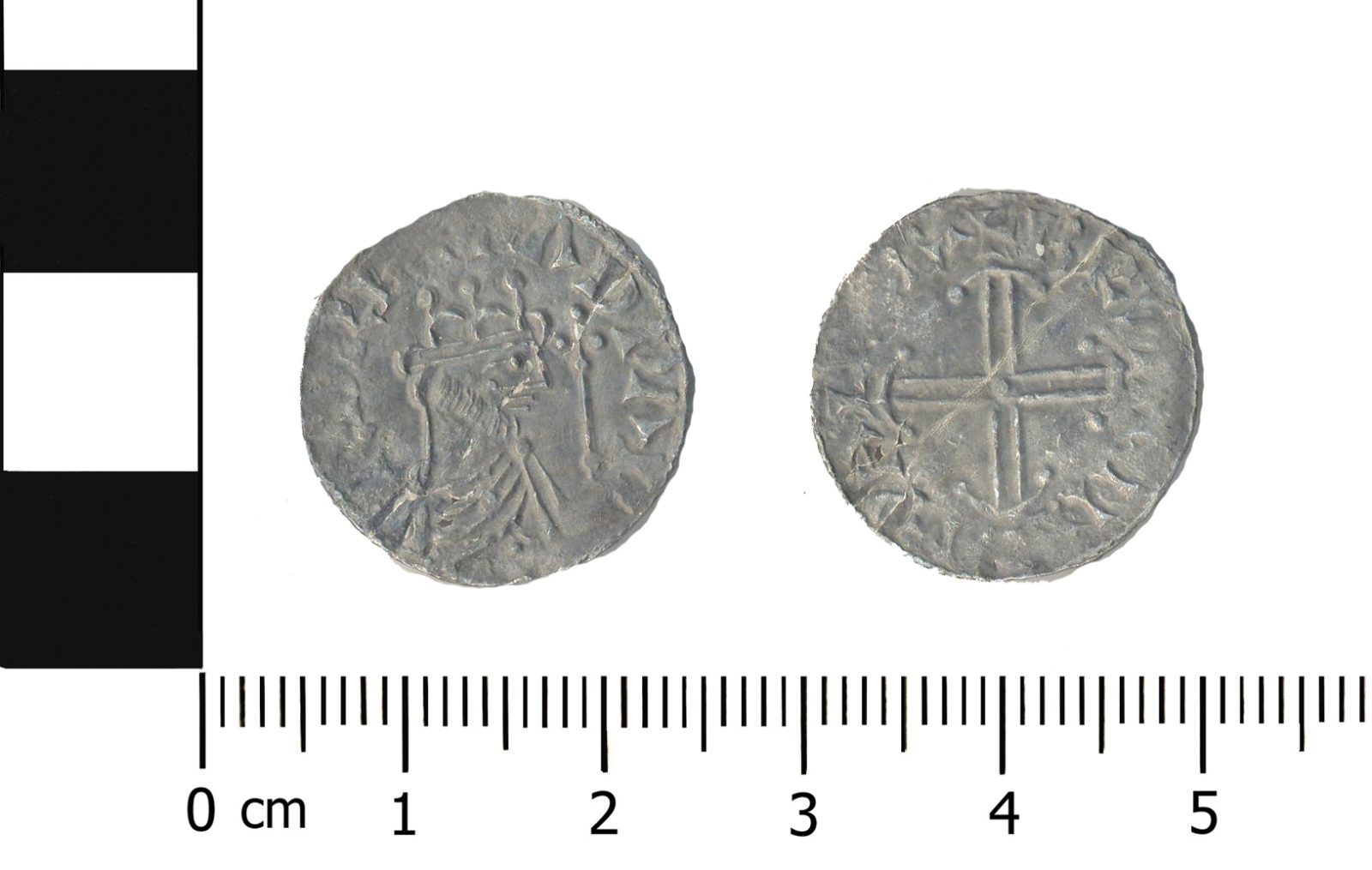
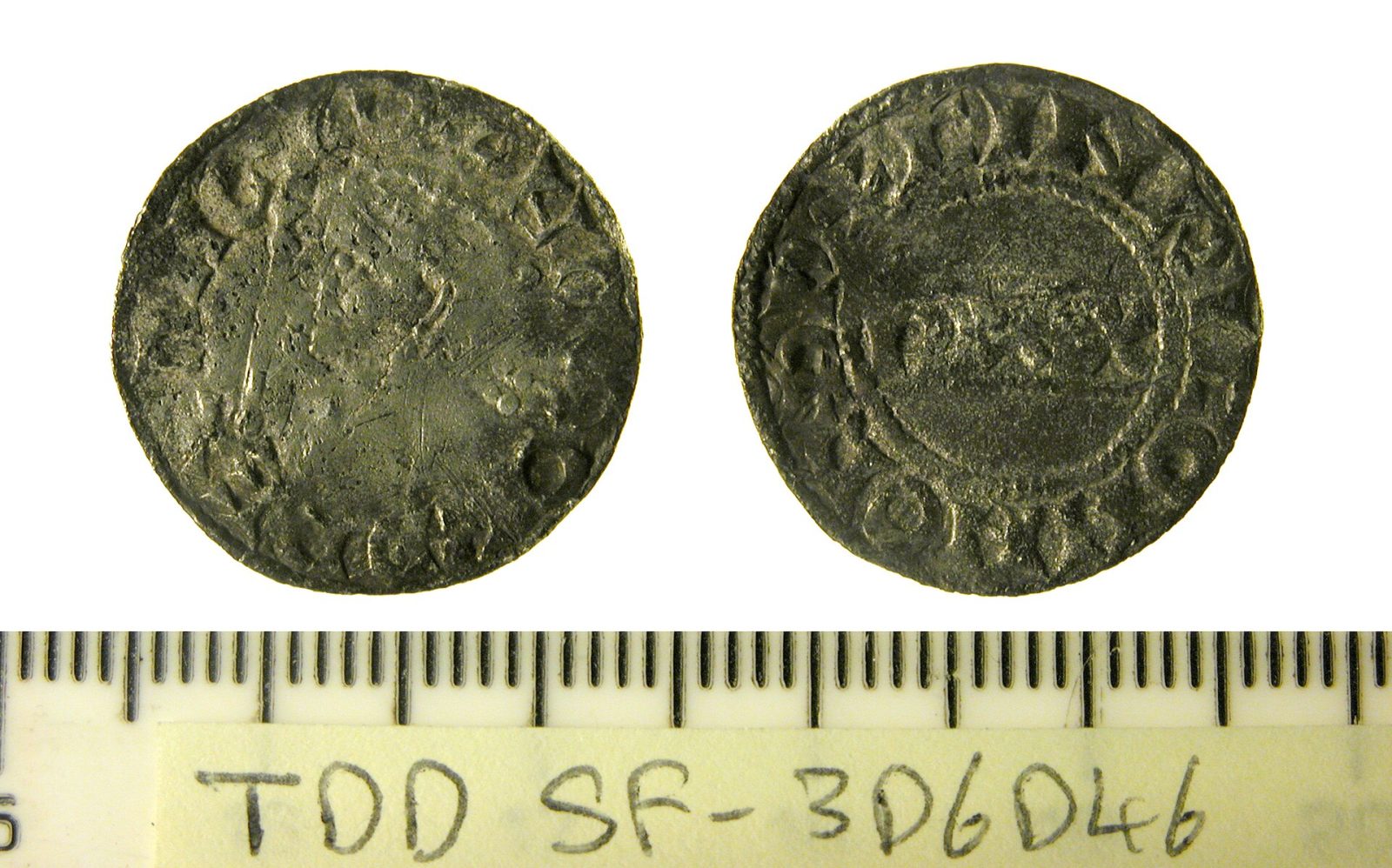
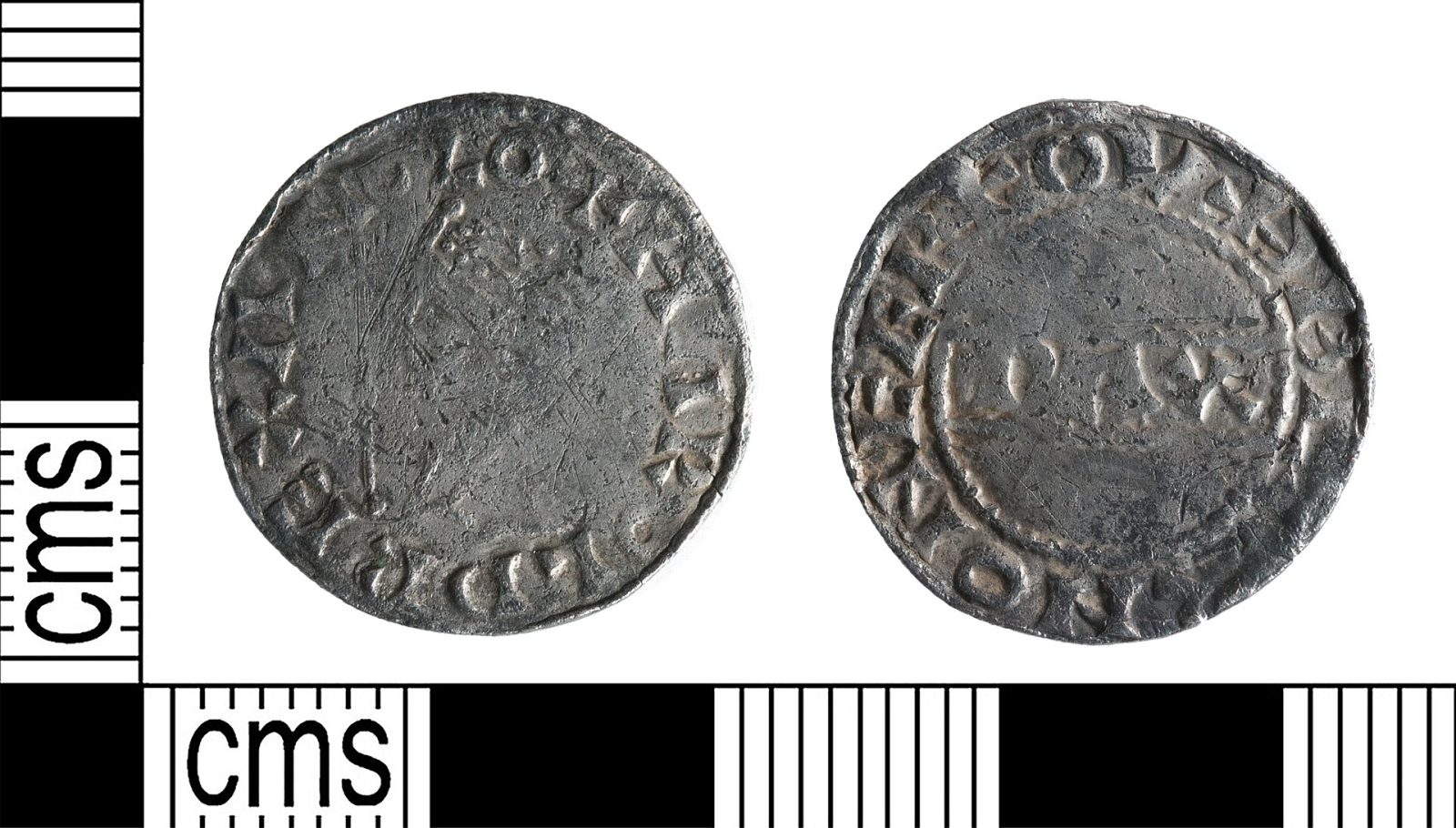
The hoard contains 179 silver pennies dating to 1066. What makes it unique is that the coins are almost all of a single king, Harold II, who was crowned the day after Edward the Confessor died on 5 January 1066 and killed at Hastings on 14 October. No other hoard made up only of Harold's coins is known. The archaeologist Mike Pitts, writing in The Spectator, noted that one coin also carries the name of Edward. Harold's pennies show his crowned head on one side and, on the other, the word PAX, "peace", across the centre, an ironic slogan for the year England was invaded twice.
The British Museum suggests the hoard was buried for safekeeping either during the Norwegian invasion led by Harald Hardrada, who won at Fulford on 20 September and took York before Harold destroyed his army at Stamford Bridge five days later, or in the tense weeks that followed, as Harold raced south to meet William of Normandy. Whoever buried it never came back for it.
The hoard joins a group of finds that are changing what we know about 1066, including the Chew Valley Hoard of coins of Harold and William, now shown beside the Bayeux Tapestry at the British Museum. If the York hoard is not acquired by a museum, it will be returned to the finder and may be split up and sold. The British Museum is appealing for £200,000 to buy it and keep it together, and in October 2026 the appeal was still open.
Written for Global Finds from the British Museum's 2024 Treasure report, via IanVisits (2026), and Mike Pitts in The Spectator (2026). Photo: a Harold II PAX penny struck at York, not from the hoard, Rebecca Griffiths, York Museums Trust, Portable Antiquities Scheme, Wikimedia Commons, CC BY 2.0.