The Kutná Hora Hoard: a woman out for a walk spotted silver in a ploughed field, and found over 2,000 Bohemian pennies
Famous find Buried in the first quarter of the 12th century · Found in 2024 See it on the timeline →
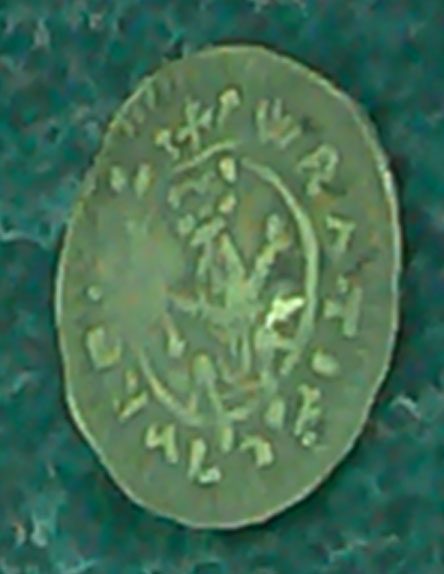
In spring 2024 a woman walking through a field near Kutná Hora, east of Prague, noticed silver coins lying in the ploughed soil. Archaeologists recovered more than 2,150 silver pennies of three Přemyslid princes, buried around 900 years ago in a pottery jar.
In the spring of 2024, a woman taking an afternoon walk through the countryside near Kutná Hora, in the Central Bohemian Region of the Czech Republic, about 60 kilometres east of Prague, noticed small silver coins lying in a ploughed field. She had no metal detector; she simply saw them. Her name has not been published. She reported the find, and archaeologists from the Institute of Archaeology of the Czech Academy of Sciences in Prague came to search the field, using metal detectors to recover coins that the plough had scattered.
They found more than 2,150 silver pennies, called denarii, the medieval descendants of the Roman coin of that name. They had been buried in a pottery jar, but ploughing had destroyed all of it except the base. The coins were struck, probably at Prague, for three princes of the Přemyslid dynasty that ruled Bohemia: Vratislav II, who reigned from 1061 and was crowned the first King of Bohemia in 1085, his son Břetislav II, who ruled from 1092 to 1100, and Břetislav's half-brother Bořivoj II. The silver itself had been imported into Bohemia, and the archaeologists planned analysis to find out where it came from.
The archaeologist Filip Velímský thinks the hoard was buried in the first quarter of the 12th century. "At that time, there were disputes in the country between members of the Přemyslid dynasty over the princely throne in Prague," he said, and armies passed through the region. The coins may have been someone's wealth hidden from danger, wages for soldiers, or the spoils of war. Nobody knows what such a sum would have bought, but Velímský said it was a huge amount for an ordinary person, comparable to winning the jackpot. Kutná Hora itself later became one of the great silver-mining towns of medieval Europe, though its mines opened long after this hoard was hidden.
The coins were taken to the Czech Museum of Silver in Kutná Hora, which planned to clean, conserve and study them and to put them on public display. Under Czech law, archaeological finds belong to the region and must be reported.
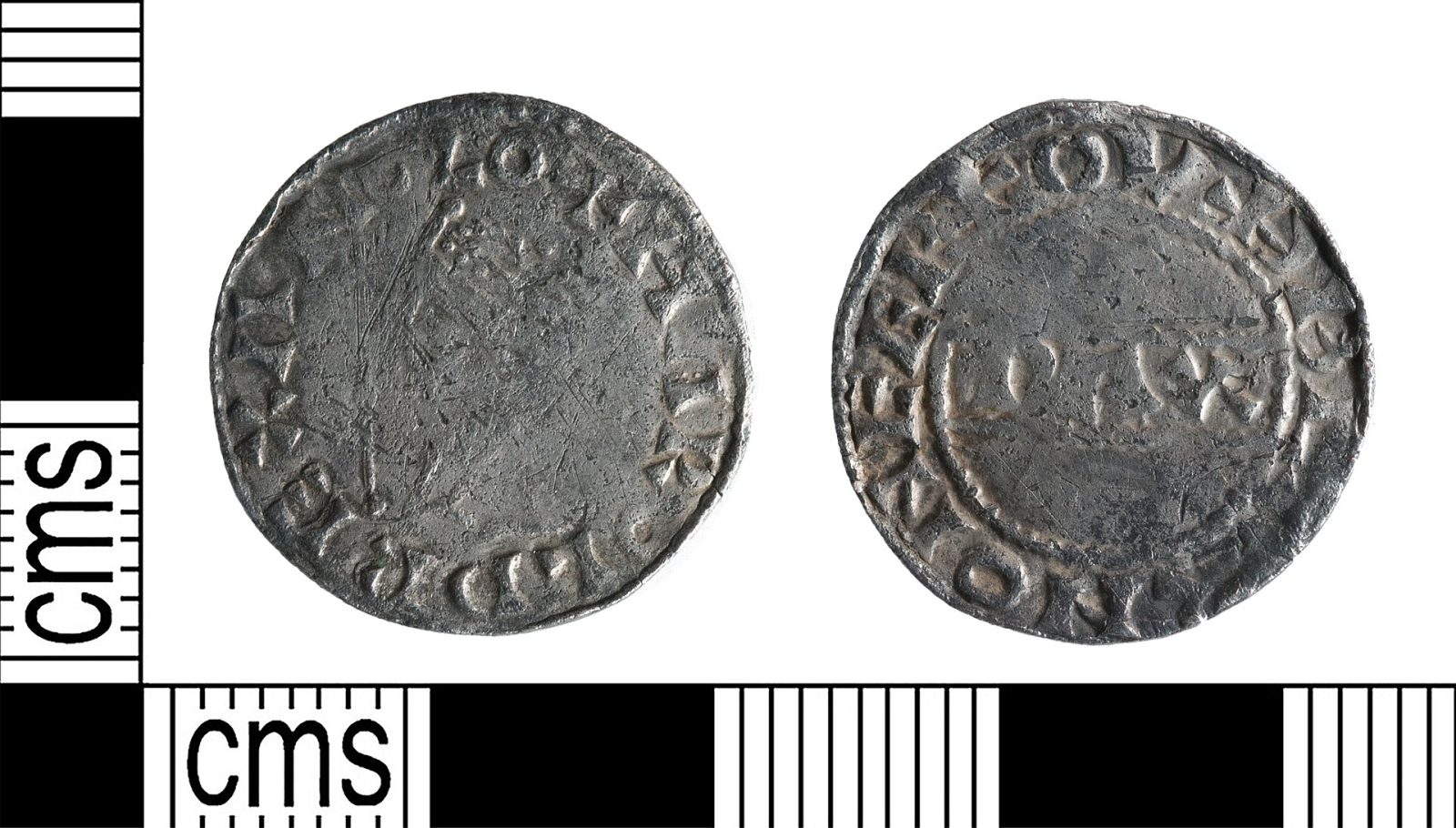
Written for Global Finds from Archaeology magazine (2024), Numismatic News (2024) and The Daily Galaxy (2026), reporting the Institute of Archaeology of the Czech Academy of Sciences. Photo: a coronation denarius of Vratislav II, one of the three rulers whose coins are in the hoard, not from the Kutná Hora find, Acoma, Wikimedia Commons, public domain.
Linked finds
Source: Archaeology magazine (2024)