The St Helena Gold: children in Malta found 1,300 Byzantine gold coins in 1525, and the adults fought over them
Famous find Byzantine gold, probably hidden before 870 · Found in 1525 See it on the timeline →
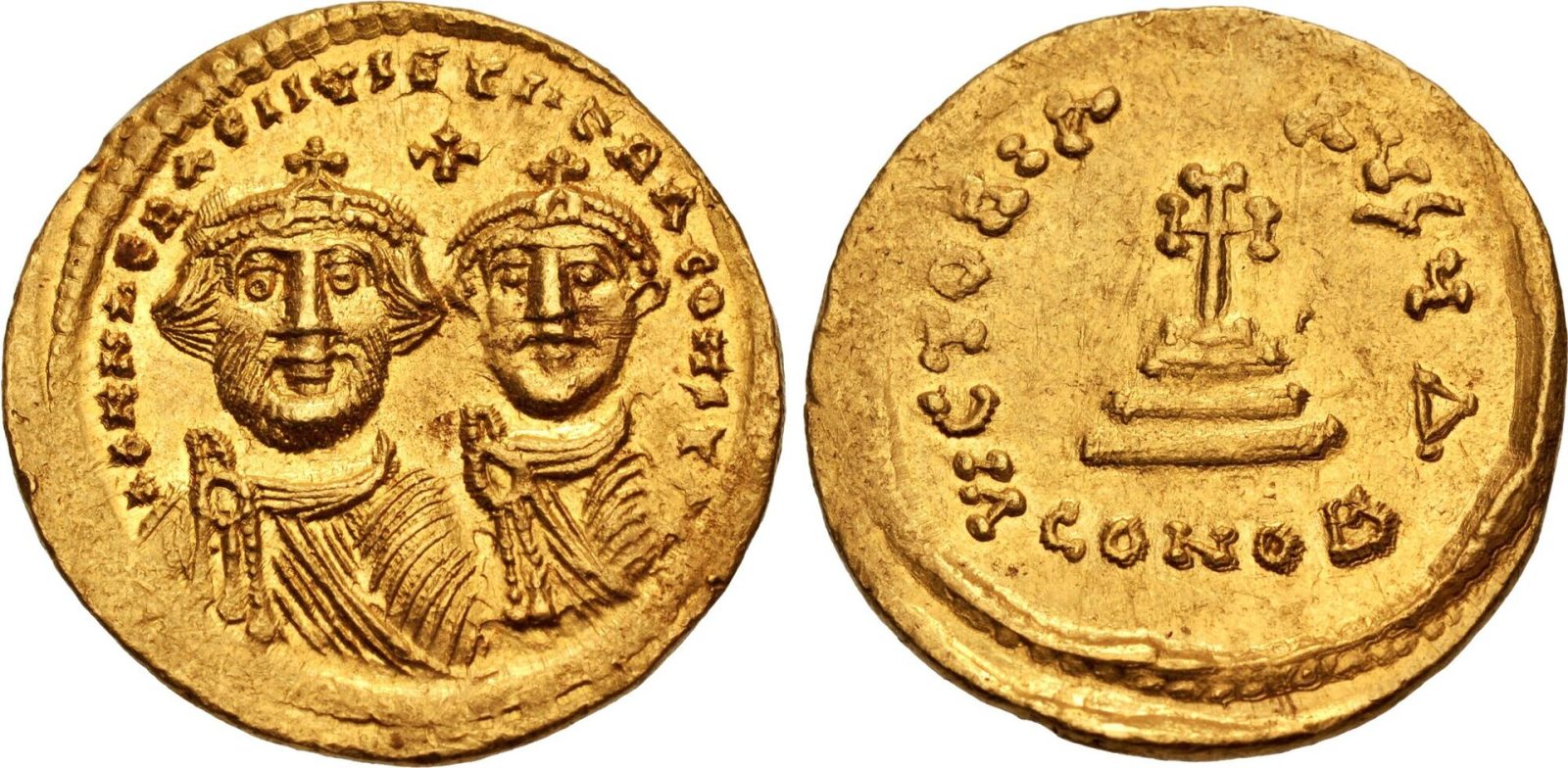
In 1525 the young sons of two Maltese farmers found about 1,300 Byzantine gold coins, which islanders called the money of St Helena. A goldsmith, a judge, friars and a merchant scrambled for a share, until the King claimed it all. Nothing is known to survive.
In or shortly before April 1525, two boys, the sons of Jaimo Gauci and of Dimitri Portelli, came across a hoard of gold coins in the countryside of Malta. Portelli is known to have lived at Naxxar, in the north of the island, and owned fields at places such as Magħtab and Buħaġar, so the find was probably made somewhere in that area. Notarial deeds of 13 and 15 April 1525 already mention it. The historian Godfrey Wettinger pieced the story together in 1976 from those deeds and from a lawsuit in the bishop's court at Mdina.
There were about 1,300 Byzantine gold coins, which the Maltese of the time always called the money of St Helena, after the mother of the emperor Constantine, perhaps because coins of this kind show crowned figures and a cross. The gold from about 100 of them weighed 16 Maltese ounces, so the whole hoard probably held about 13 English pounds of gold. It may have been hidden by Christians before the Arab conquest of Malta in 870.
News of the find spread at once, and so did the coins. A judge, Gregorio Xerri, obtained 350 of them; a Franciscan friar and a Dominican received shares; the goldsmith Johannes Scarpa melted coins into ingots and struck ducats from them; and a merchant, Julius Casha, paid 100 ducats for 100 coins. Then the royal officials stepped in. The King of Sicily claimed the whole treasure, because the find had not been reported, and everyone believed to hold a share was summoned to Palermo. Scarpa went into hiding. Casha fled to Gozo, and the captain-at-arms waited at Mellieħa for him to come back, seizing about 400 ducats found on him. On 9 September 1525 a Dominican friar handed in Casha's share, and the quarrel between Casha and Scarpa ended up in court.
Malta had seen this before: around 1460, five little children of Naxxar families had found 248 Byzantine gold coins. Almost all of the 1525 coins seem to have been melted down, and none is known to survive.
Written for Global Finds from G. Wettinger, "The Gold Hoard of 1525", Melita Historica 7 (1976), University of Malta. Photo: a 7th-century Byzantine gold solidus of Heraclius and his son, the kind of coin probably called St Helena money, not from the Malta hoard, Classical Numismatic Group, Wikimedia Commons, CC BY-SA 2.5.
Source: Melita Historica (1976)