The Sandur Hoard: a grave-digger in a Faroese churchyard found Viking-age silver from six countries
Famous find Buried about AD 1070-1090 · Found in 1863 See it on the timeline →
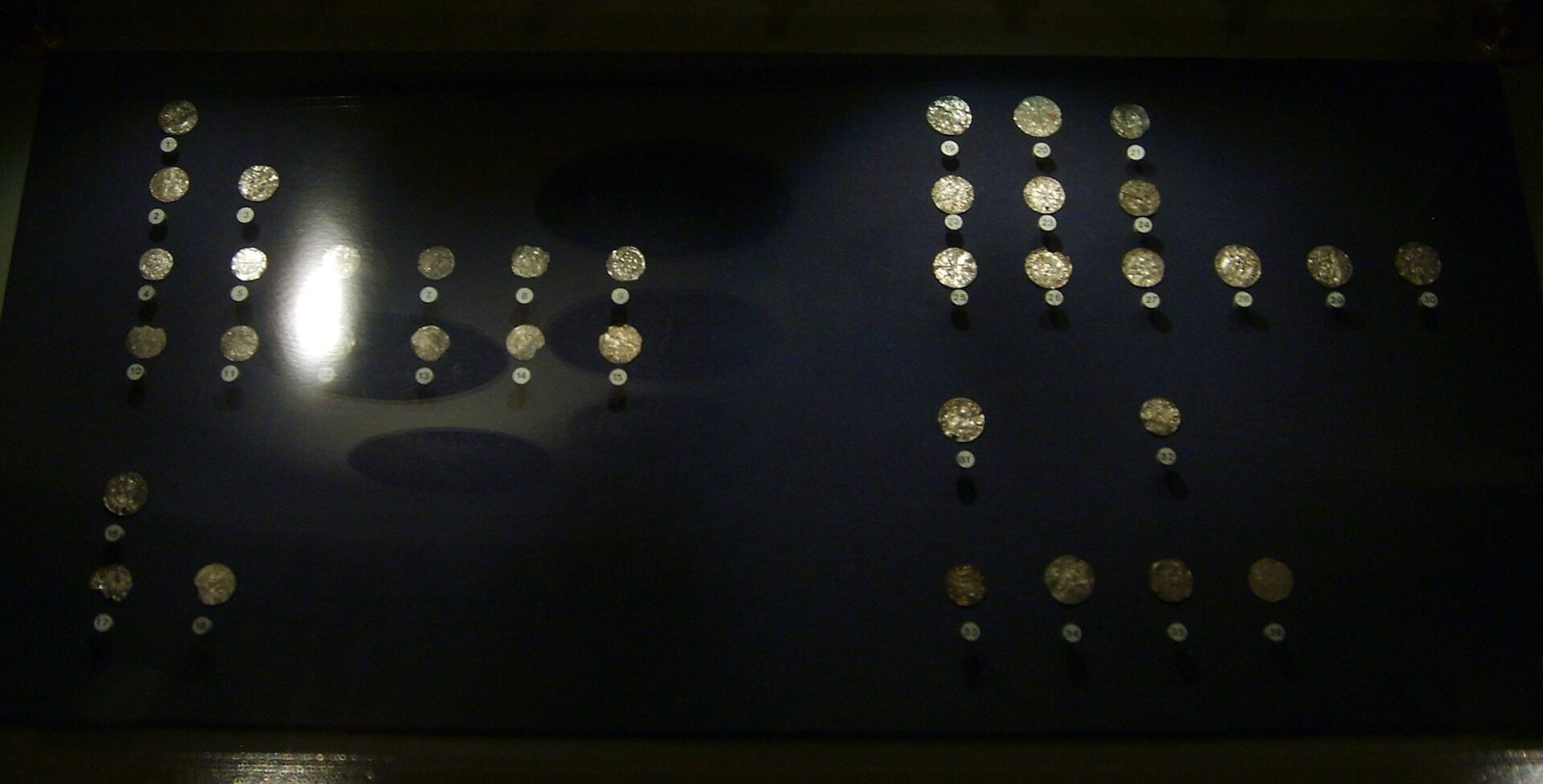
In 1863 a grave-digger in the churchyard at Sandur, on the Faroese island of Sandoy, uncovered 98 silver coins buried around 1070 to 1090. Struck in England, Ireland, Germany, Hungary, Norway and Denmark, they are the only coin hoard ever found in the Faroe Islands.
In 1863 a grave was being dug in the churchyard at Sandur, a village on Sandoy, one of the southern Faroe Islands. The grave-digger's spade turned up silver: a scatter of small, thin coins that had lain in the ground for nearly eight hundred years. There were 98 of them, and they remain the only hoard of coins ever found in the Faroes.
The coins came from across northern Europe. About half are usually said to have been struck in Germany, and there are English pennies of the late Anglo-Saxon kings, Norwegian and Danish coins, one from Ireland and one from Hungary. The earliest date from around AD 1000 and the latest from about 1080, so the hoard was probably buried somewhere between 1070 and 1090. Sources differ on the exact date. On an island of farmers and fishermen, with no mint of its own, a purse like this shows the Faroes were part of the North Atlantic trading world of the late Viking age.
Exactly where the hoard lay has become more interesting over time. One account places it near the altar of Sandur's first church. Archaeologists Símun Arge and Niels Hartmann, drawing on earlier records, placed it in the south-eastern corner of the old churchyard. When that area was excavated in 1972, a paved stone floor came to light, which the excavator interpreted as part of a Viking-age longhouse. He suggested that the hoard had been hidden under the floor of a house, long before the churchyard spread over it.
The coins have been studied by generations of numismatists, from Herbst in 1863 to Kolbjørn Skaare in the 1970s and 1980s, and Arge and Hartmann describe the hoard as decisive for Norwegian coin studies of the period. It is displayed at the National Museum of the Faroe Islands in Tórshavn. Excavations at Sandur are still going on, and in 2026 the museum reported a rune stone from new work in the village.
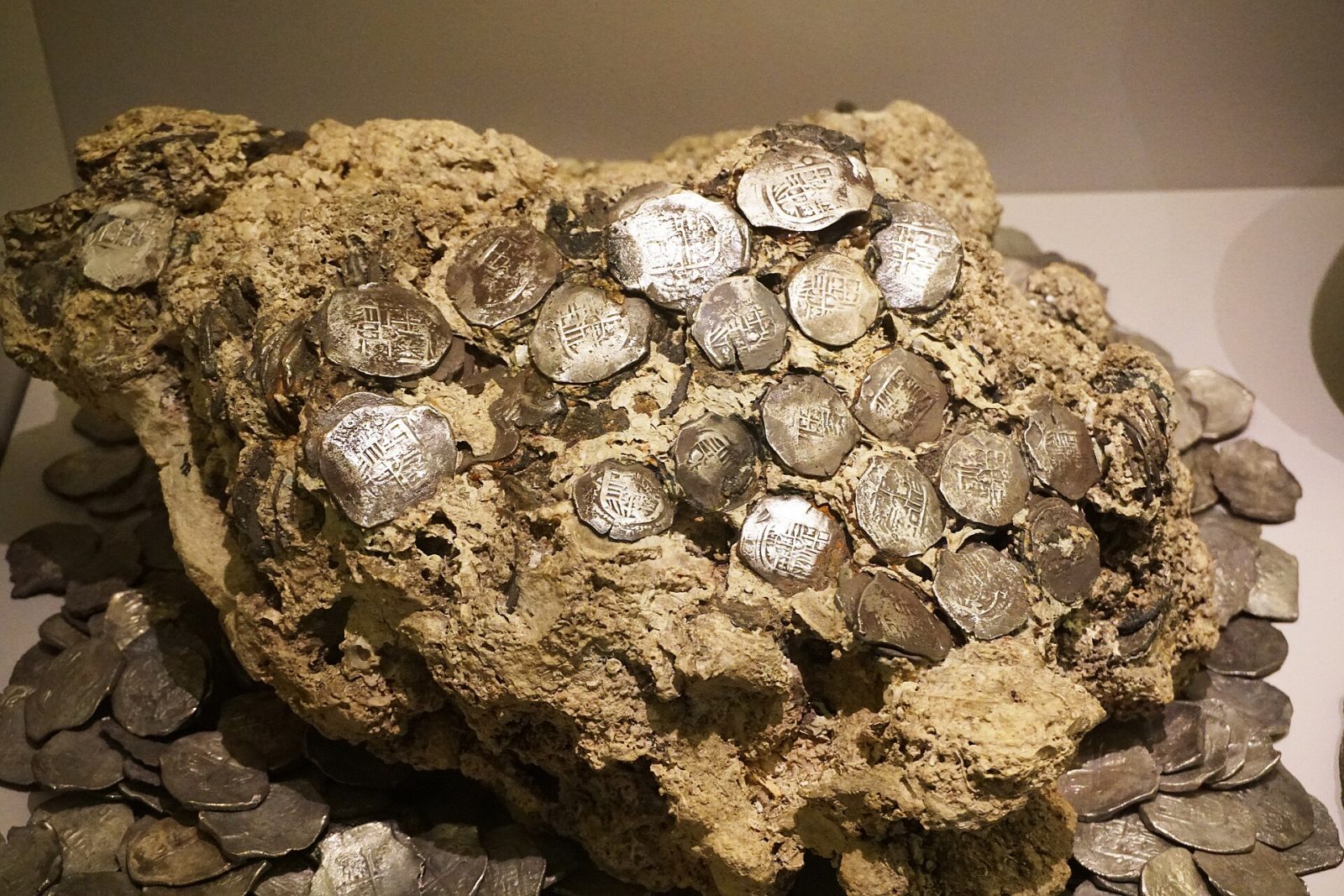
Written for Global Finds from Arge and Hartmann in Fróðskaparrit, Visit Faroe Islands and the National Museum of the Faroe Islands. Photo: coins from the Sandur hoard on display in the National Museum, FunkMonk, Wikimedia Commons, CC BY-SA 3.0.
Source: Arge and Hartmann, Fróðskaparrit