The Vilnius Cathedral Regalia: royal crowns hidden from the war in 1939, found by a camera in a crypt wall in 2024
Famous find Made for royal burials between 1506 and 1551 · Found in 2024 See it on the timeline →
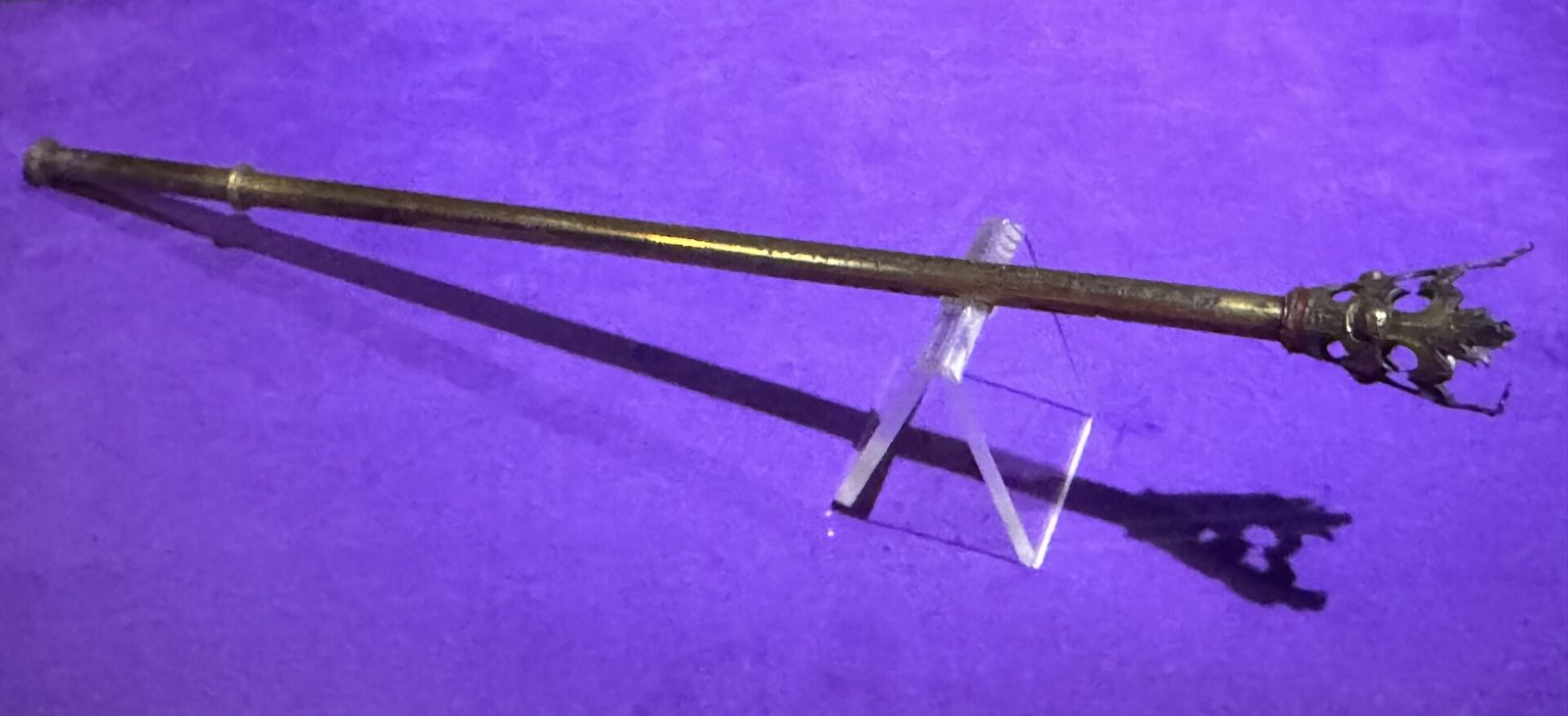
In December 2024, museum specialists searching the crypt of Vilnius Cathedral with old plans and an endoscopic camera found an iron box under a staircase. Inside, wrapped in 1939 newspapers, were the gold funeral crowns, sceptre and jewellery of three Polish-Lithuanian rulers.
On 16 December 2024, specialists from the Palace of the Grand Dukes of Lithuania opened a hidden cavity under a staircase in the crypt of Vilnius Cathedral. They had been looking for weeks, using old and modern plans of the crypt, the recorded memories of an eyewitness and an endoscopic camera pushed into cracks in the walls. Inside was an iron box, and in it, wrapped in newspapers from 1939, was the lost regalia of the Grand Duchy's royal tombs.
The objects had been made for the coffins of three rulers: Alexander Jagiellon, Grand Duke of Lithuania and King of Poland, who died in 1506; Elisabeth of Austria, first wife of Sigismund Augustus, who died in 1545; and Barbara Radziwiłł, his second wife, who died in 1551. There are crowns for all three, made to be buried rather than worn, and for Barbara also a sceptre, an orb, rings and a chain. They are gold, set with diamonds, rubies and emeralds, though some of the "rubies" are hollow garnets and coloured crystal. Elisabeth's medallion is made from a gold ten-ducat coin of 1533 showing Sigismund the Old and his son, described as the only known example.
The tombs were first opened in 1931, after a spring flood of the river Neris damaged the cathedral, and the regalia were photographed. When the Second World War began in 1939 they were hidden, and nobody recorded where. Part of the cathedral's treasury was found sealed in a wall in 1985, but the royal regalia were not with it. With them in 2024 were silver plaques from St Casimir's Chapel, votive rings and earrings and other church treasures.
The finds were announced by Archbishop Gintaras Grušas in January 2025. Most royal regalia of Poland and Lithuania was lost by the end of the 18th century, which makes these rare survivors. They are shown in the exhibition "Hidden Within" at the Church Heritage Museum in Vilnius, which opened in July 2026.
Written for Global Finds from the Church Heritage Museum, Vilnius, LRT (2025 and 2026), Go Vilnius and Smithsonian Magazine (2025). Photo: Barbara Radziwiłł's funeral sceptre after its recovery, Aliaksei Lastouski, Wikimedia Commons, CC0.
Source: Church Heritage Museum, Vilnius