The Dedigama elephant lamp: sealed in a Sri Lankan king's stupa 800 years ago, it still held the soot of its last flame
Famous find 12th century, reign of Parakramabahu I (1153-1186) · Found in 1951 See it on the timeline →
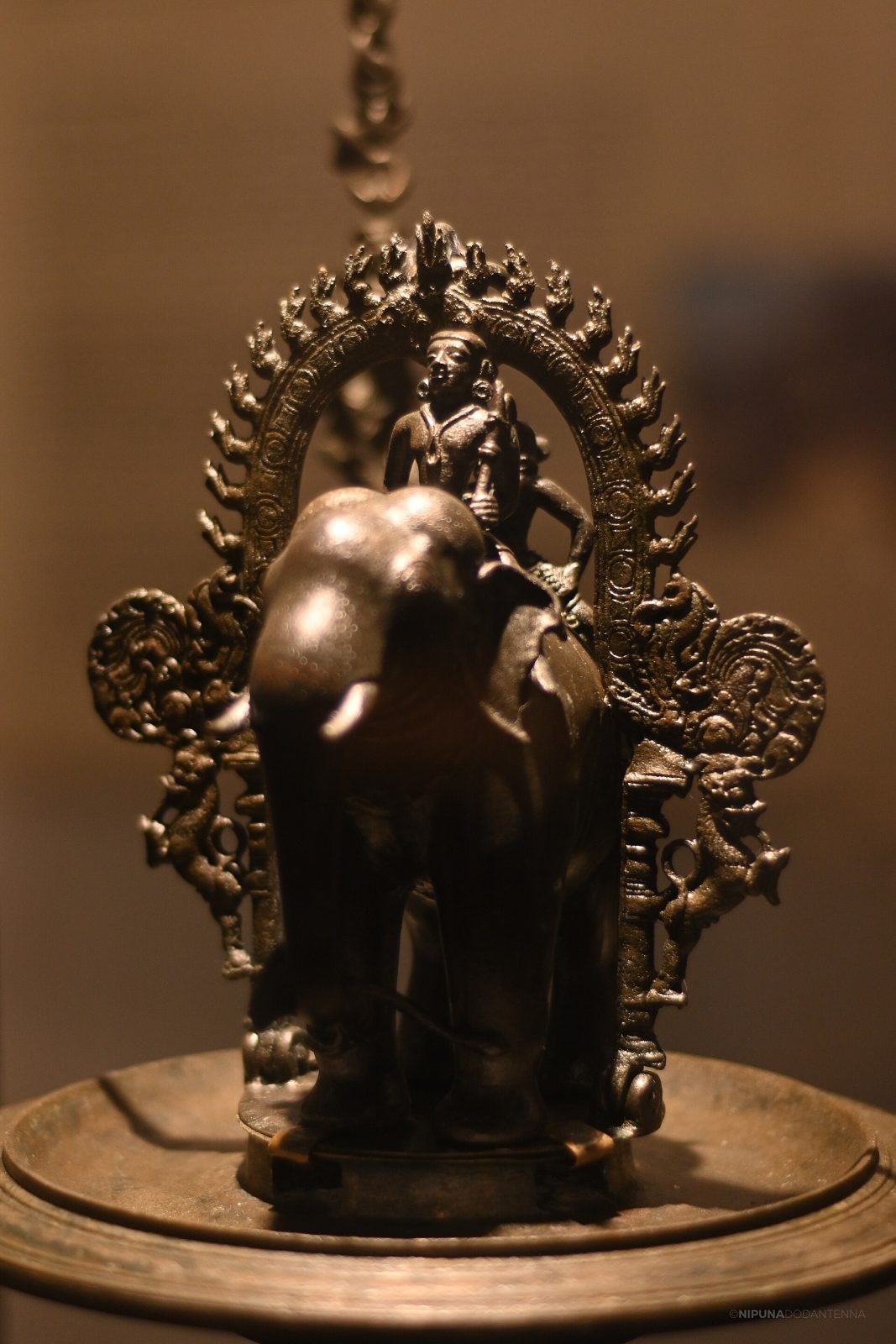
In 1951 archaeologists opening the relic chamber of the Kota Vehera stupa at Dedigama, Sri Lanka, found two bronze elephant lamps standing in its corners, their oil dishes still sooty. Made in the 12th century, the lamps refill themselves from oil stored inside the elephant.
At Dedigama, in the Kegalle district of Sri Lanka, a little off the road from Colombo to Kandy, stands a huge brick stupa called the Kota Vehera. Tradition says that King Parakramabahu I, who ruled from 1153 to 1186, built it at the place where he was born. In 1951 excavators from the island's Department of Archaeology opened its upper relic chamber, which had been sealed for some eight centuries.
Inside was a small sacred room. In the middle stood a brick model of a stupa holding a gold reliquary set with gems. Gilded Buddha figures sat in niches in the walls. At the corners stood four bronze lamps: two shaped like lotus buds, and two in the form of an elephant. When the excavators looked into the oil dishes they found soot and the remains of burnt wicks. The lamps seem to have been left burning when the chamber was closed.
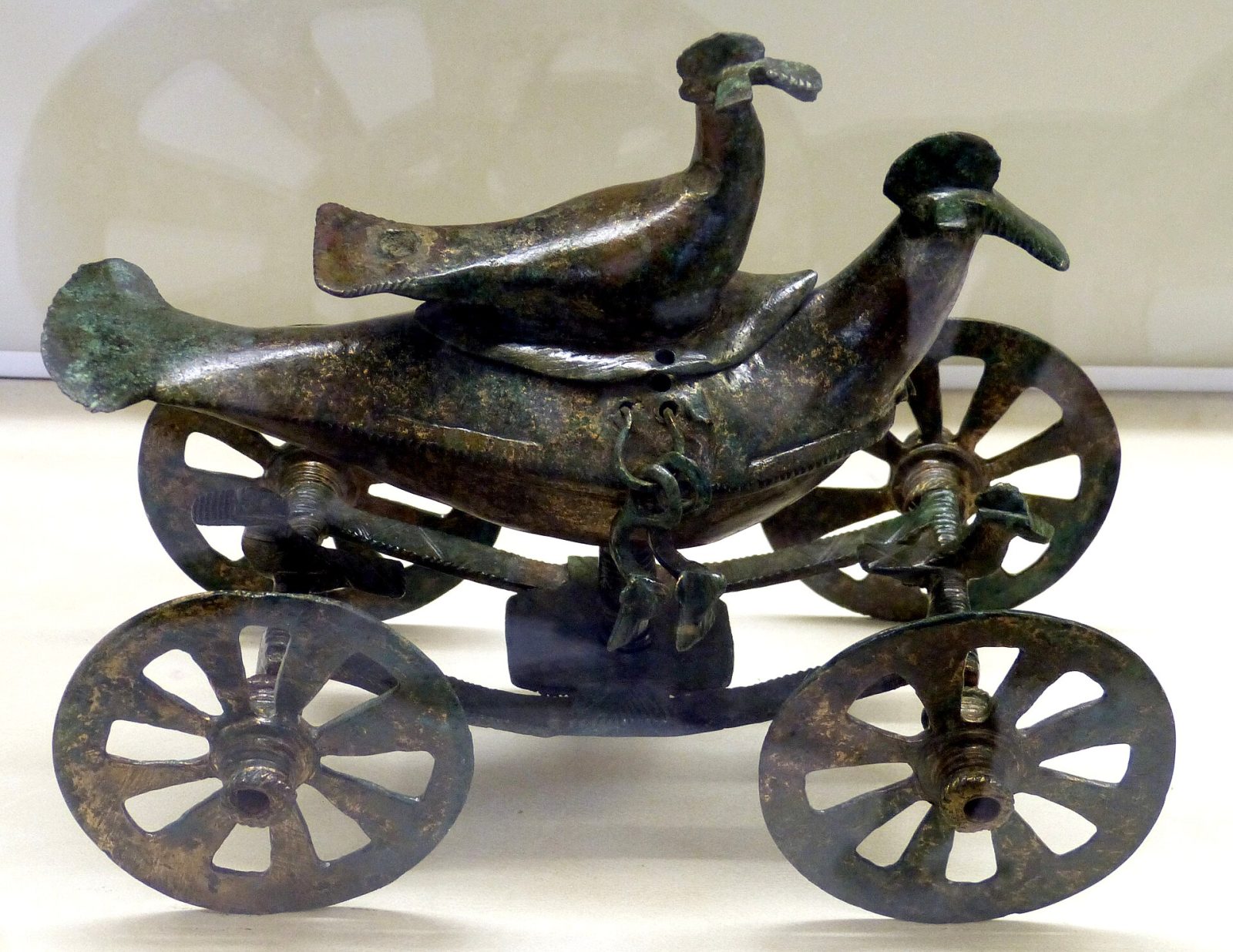
The elephant lamps are hollow-cast bronze. Each elephant, about 12.6 cm tall, carries two riders and stands in a round oil dish 23 cm across, under an arch. The whole lamp hangs from a chain decorated with dancers and drummers. The elephant's body is a reservoir. Oil poured in fills its belly, and a small pipe in one foreleg lets it out into the dish. As the lamp burns and the oil in the dish drops below the pipe, air gets in and more oil flows out until the level is restored. Engineers have written papers on the design, and the lamp is a favourite example of Sri Lanka's medieval skill.
C. E. Godakumbura of the Archaeological Survey published the finds from the relic chambers in 1969. One of the elephant lamps is displayed at the Colombo National Museum. Sources disagree on where the second is kept, and the Dedigama Archaeological Museum, beside the stupa, shows other finds from the chambers and a model of how they were laid out.
Written for Global Finds from the Daily FT (D. C. Ranatunga, 2013), Lanka Pradeepa, Amazing Lanka and eLanka, drawing on Godakumbura's The Kotavehera at Dedigama (1969). Photo: the Dedigama elephant lamp at the Colombo National Museum, Nipuna Dodantenna, Wikimedia Commons, CC BY-SA 4.0.
Source: Daily FT (Sri Lanka)