The Watlington Hoard: Viking silver and the forgotten alliance of two kings
Famous find Buried in the late 870s · Found in 2015 See it on the timeline →
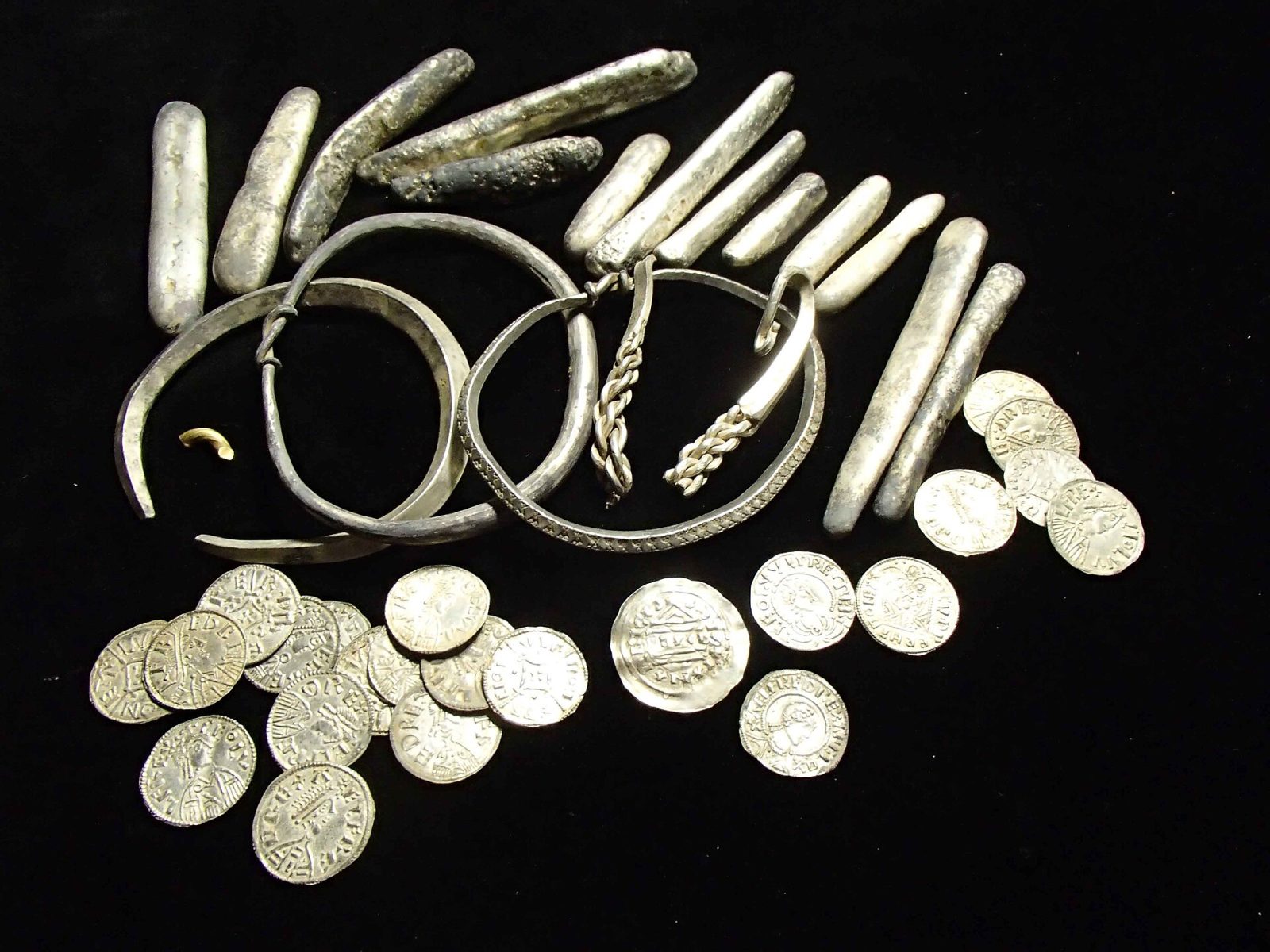
In 2015 a detectorist near Watlington in Oxfordshire found a Viking hoard of about 200 silver coins, ingots and jewellery. Its rare Two Emperors pennies show Alfred the Great sharing power with a Mercian king history almost forgot.
On 7 October 2015, at the end of a fruitless day, James Mather was metal detecting on private land near Watlington in Oxfordshire when he found a small silver ingot and recognised it as Viking. He stopped and called the Portable Antiquities Scheme, whose Finds Liaison Officer helped lift the hoard in a single block. It was X-rayed and then excavated in the laboratory at the British Museum.
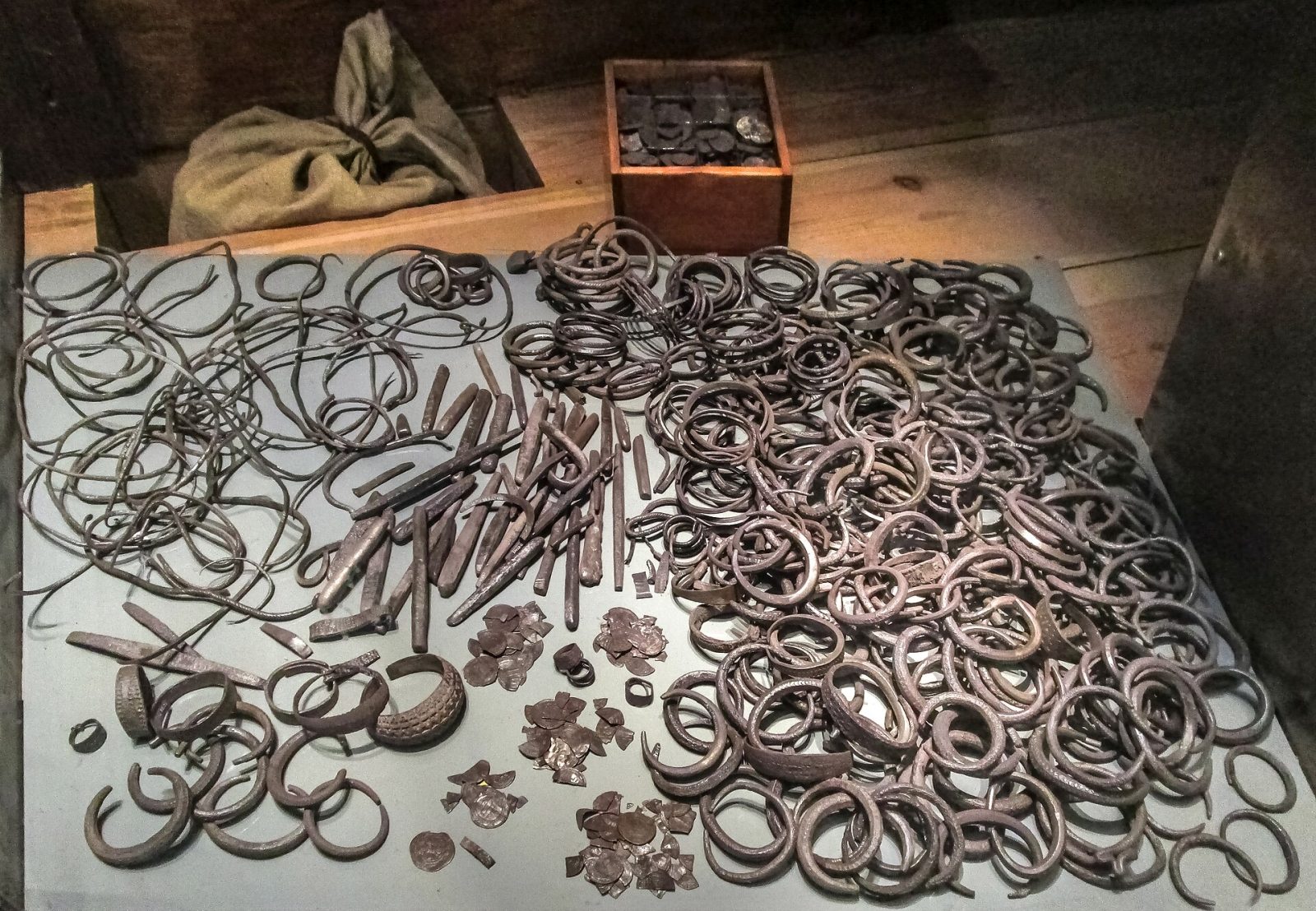
Inside were about 200 silver coins, some in fragments, along with 15 silver ingots and seven pieces of jewellery. Most of the coins were struck for two kings: Alfred the Great of Wessex and Ceolwulf II of Mercia. Among them are 13 rare pennies of a type known as the Two Emperors, showing the two kings seated side by side. Before Watlington, only two were known.
The coins date the burial to the late 870s, probably soon after Alfred's victory over the Viking Great Army at Edington in 878, when Viking forces were on the move across southern England. The ingots and arm-rings, money weighed for its silver, sit beside Anglo-Saxon coins counted by number: two economies meeting in a single bag.
The Two Emperors coins matter because the chronicle written in Alfred's Wessex later dismissed Ceolwulf as a puppet of the Vikings. These coins show the two kings presenting themselves as partners, at least for a time.
The hoard was declared Treasure and valued at £1.35 million. The Ashmolean Museum in Oxford raised the money to buy it, with help from the Heritage Lottery Fund, the Art Fund and many individual donors, and it is on display there.
Written for Global Finds from the Ashmolean Museum, the Portable Antiquities Scheme and other published accounts. Photo: the Watlington Hoard, The Portable Antiquities Scheme / The Trustees of the British Museum, Wikimedia Commons, CC BY-SA 2.0.
Approximate location51.65, -1.01View on map
Source: Ashmolean Museum