The Thames Aureus: after nearly thirty years of 'Struck gold yet?', a mudlark found a Roman emperor's gold
Famous find Struck in the reign of Diocletian, AD 284 to 305 · Found in 2001 See it on the timeline →
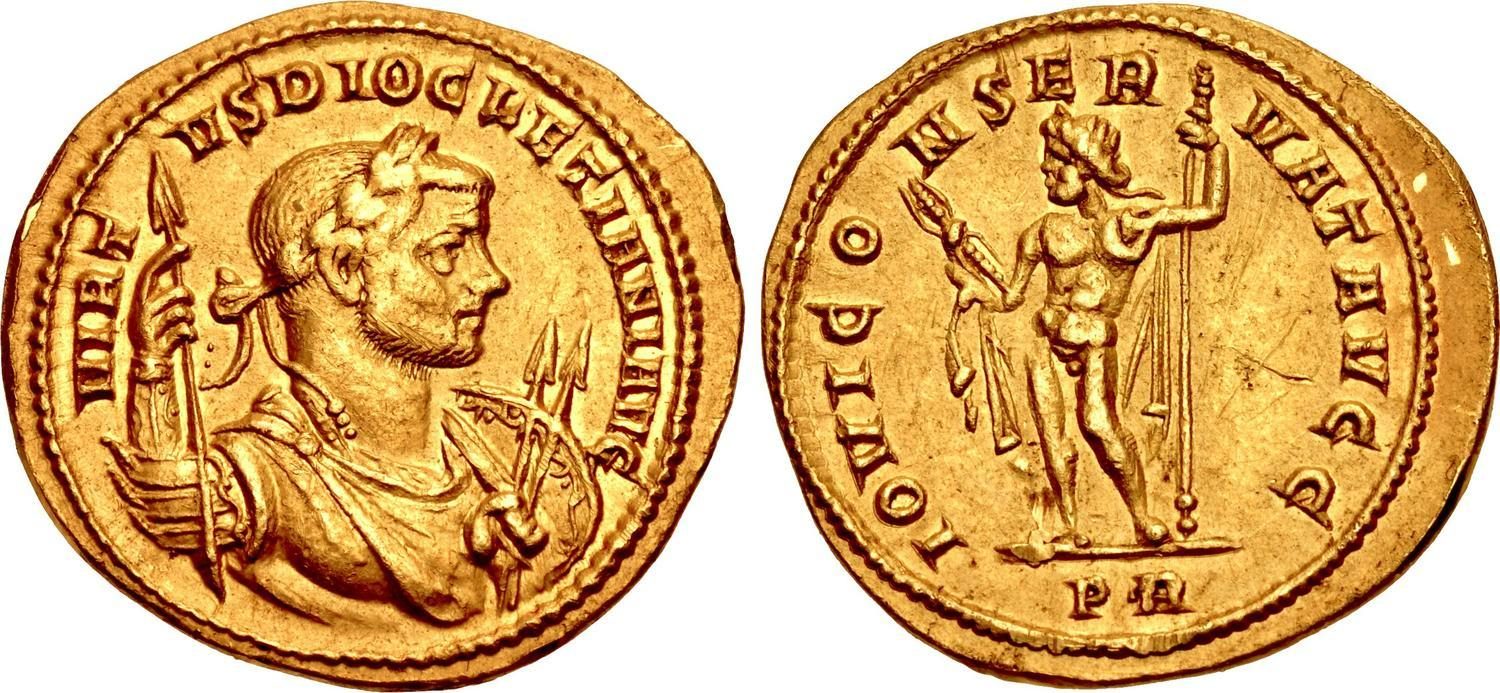
Around 2001 mudlark Tim Miller, who had searched the Thames foreshore since childhood, often with his mother, found a gold aureus of the Roman emperor Diocletian. He first thought it was a chocolate coin. Passers-by had asked him for years whether he had struck gold yet.
Tim Miller began searching the Thames foreshore in London in the 1970s, as a primary-school boy, often with his mother, Pamela. Mudlarking, as it is called, means searching the river's muddy shore at low tide for anything the water has uncovered: pottery, clay pipes, pins, tokens and coins lost or thrown into the river over two thousand years. For decades, people walking along the riverside paths above would call down to him with the same joke: "Struck gold yet?"
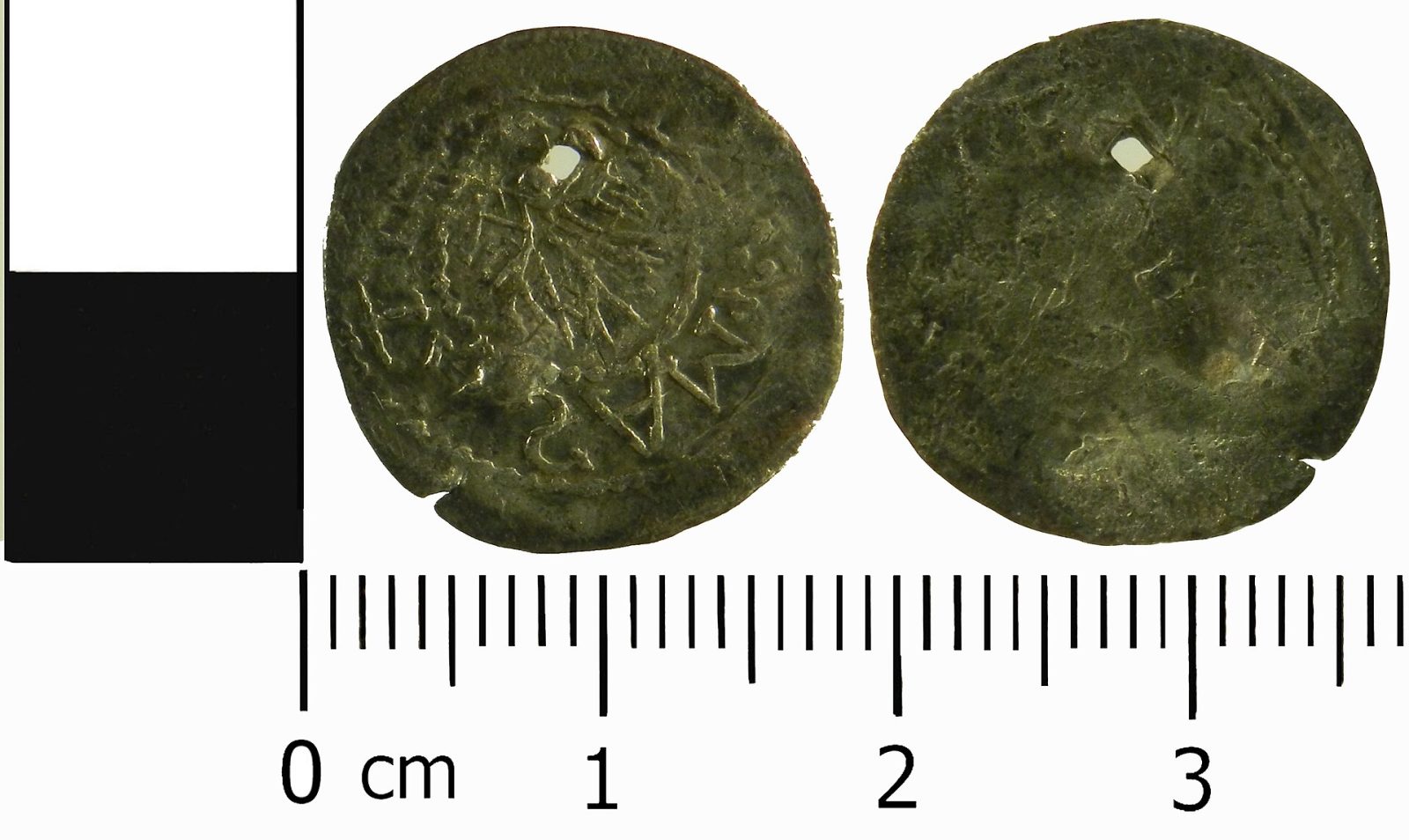
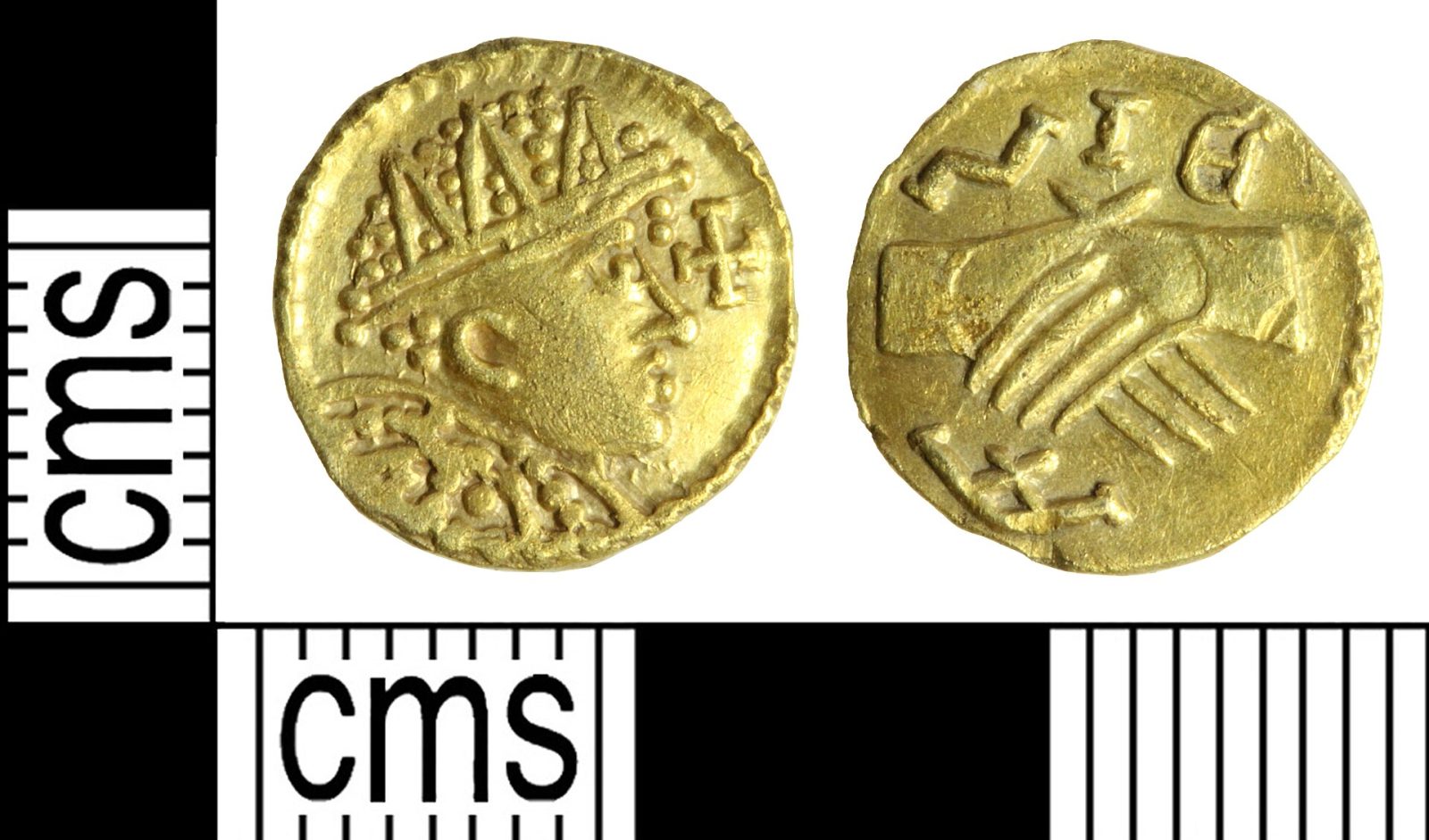
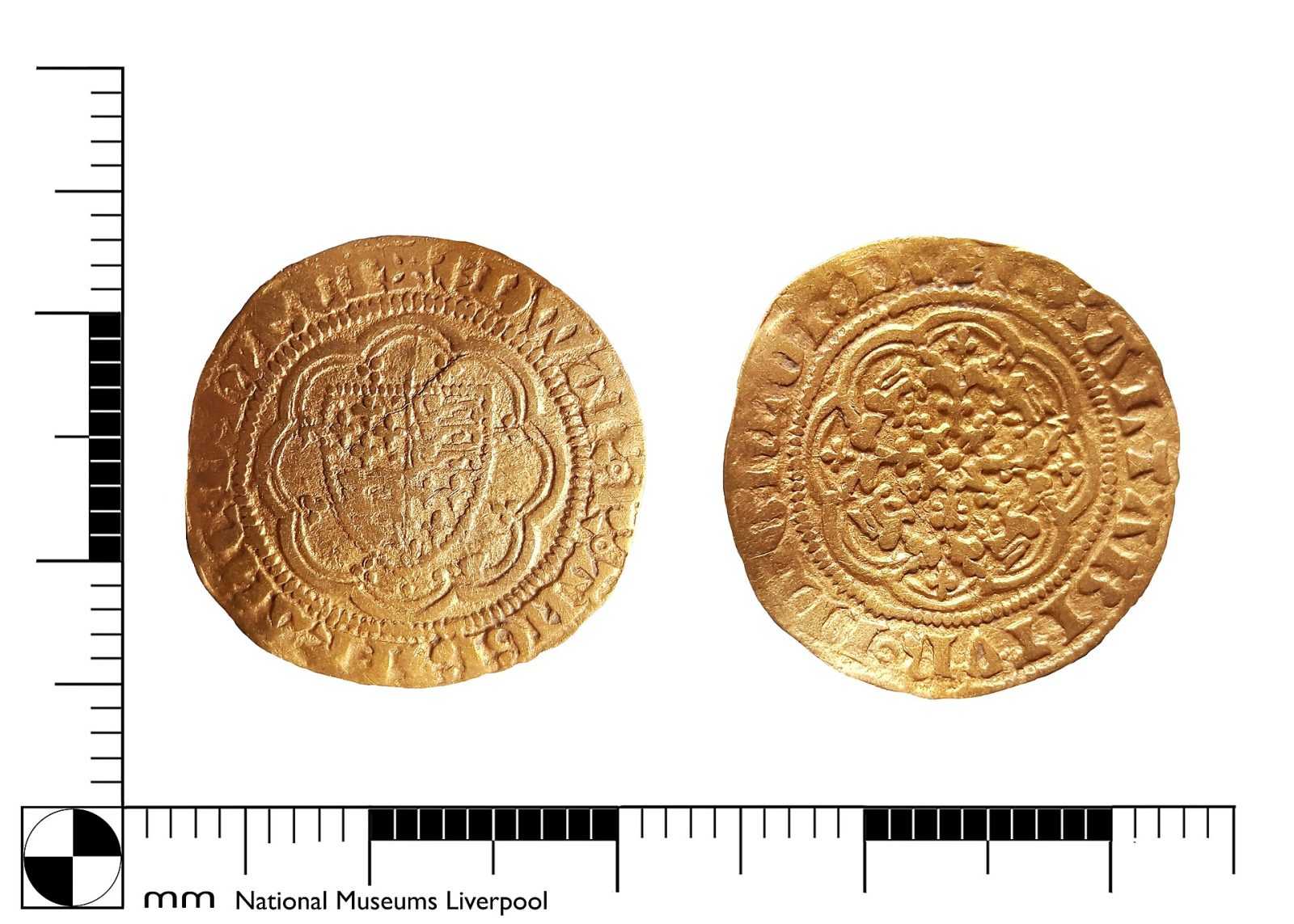
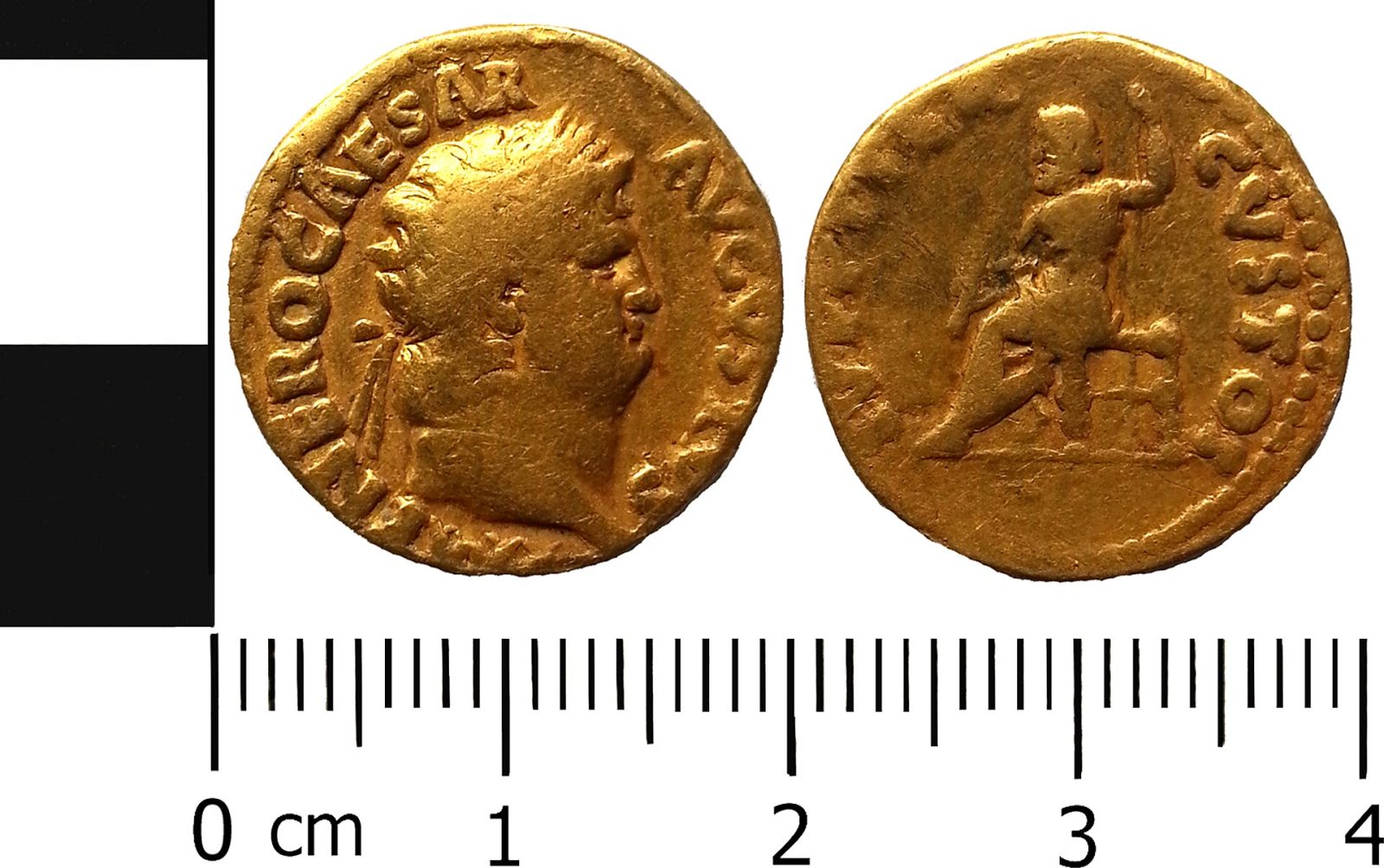
In the early 2000s, around 2001 according to one account, he finally did. Lying on the foreshore was a gold coin in superb condition. At first he thought it was a chocolate coin, or a replica from a museum shop, until he picked it up and felt its weight. It was an aureus, a gold coin of the Roman emperor Diocletian, who ruled from 284 to 305. According to one description, it shows the god Jupiter holding a thunderbolt and sceptre, a favourite design of Diocletian, who styled himself Jovius, Jupiter's man.
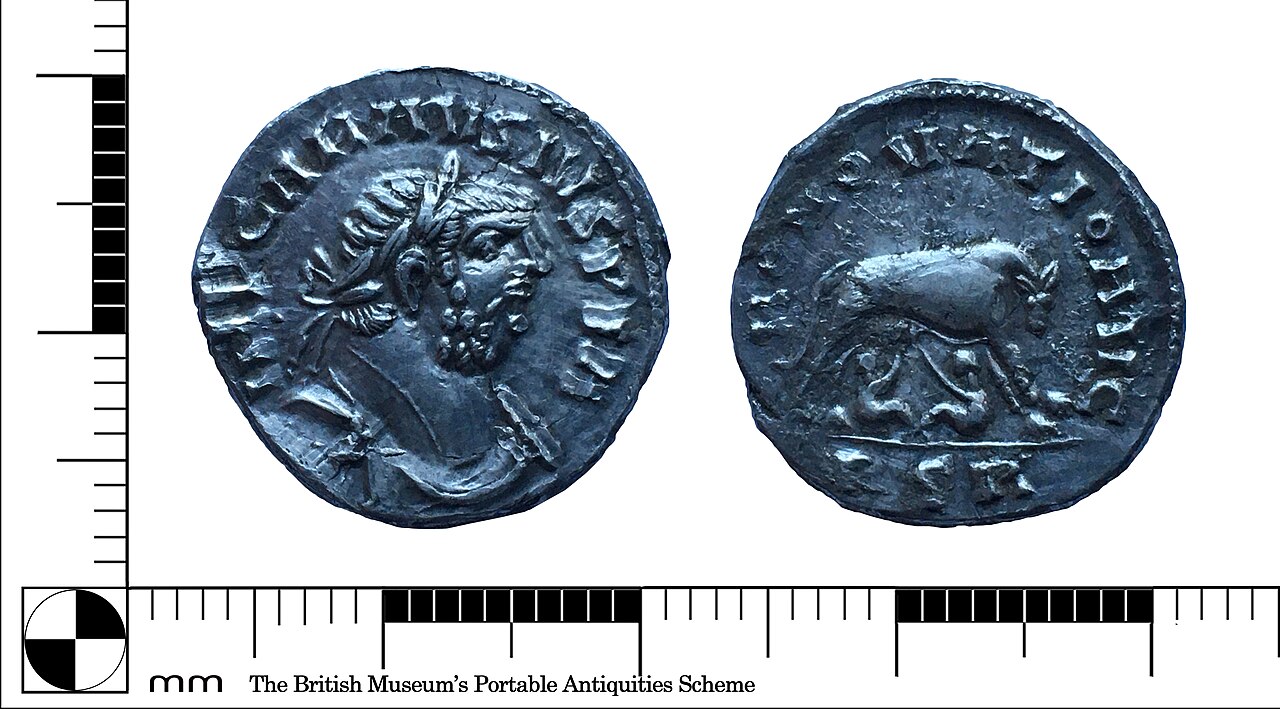
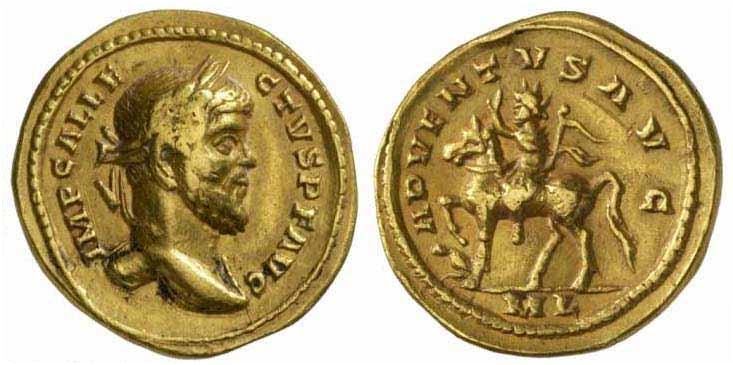
Diocletian rescued the Roman Empire from half a century of civil war, invasion and inflation. He divided its government between four emperors, known as the Tetrarchy, reformed its coinage, including its gold, and fought to recover Britain, which had broken away under the rebel emperors Carausius and Allectus. When this coin was struck, Londinium was one of the most important cities in the western empire, and in 296 it was recaptured for Rome by Diocletian's colleague Constantius.
Tim Miller went on to become chair of the Society of Thames Mudlarks, and has written about mudlarking with his mother for London Museum. Finds made on the Thames foreshore must be recorded with the Portable Antiquities Scheme through London Museum, and searching there needs a permit from the Port of London Authority.
Written for Global Finds from Tim Miller's account for London Museum and Beachcombing Magazine (2023). Photo: a gold aureus of Diocletian with Jupiter holding a thunderbolt and sceptre, not the Thames coin, Classical Numismatic Group, Wikimedia Commons, CC BY-SA 2.5.
Linked finds
Source: London Museum