The Newfoundland Quarter Noble: a gold coin of Henry VI, struck 70 years before Cabot, found on a Canadian beach
Famous find Struck in London about 1422 to 1427 · Found in 2022 See it on the timeline →
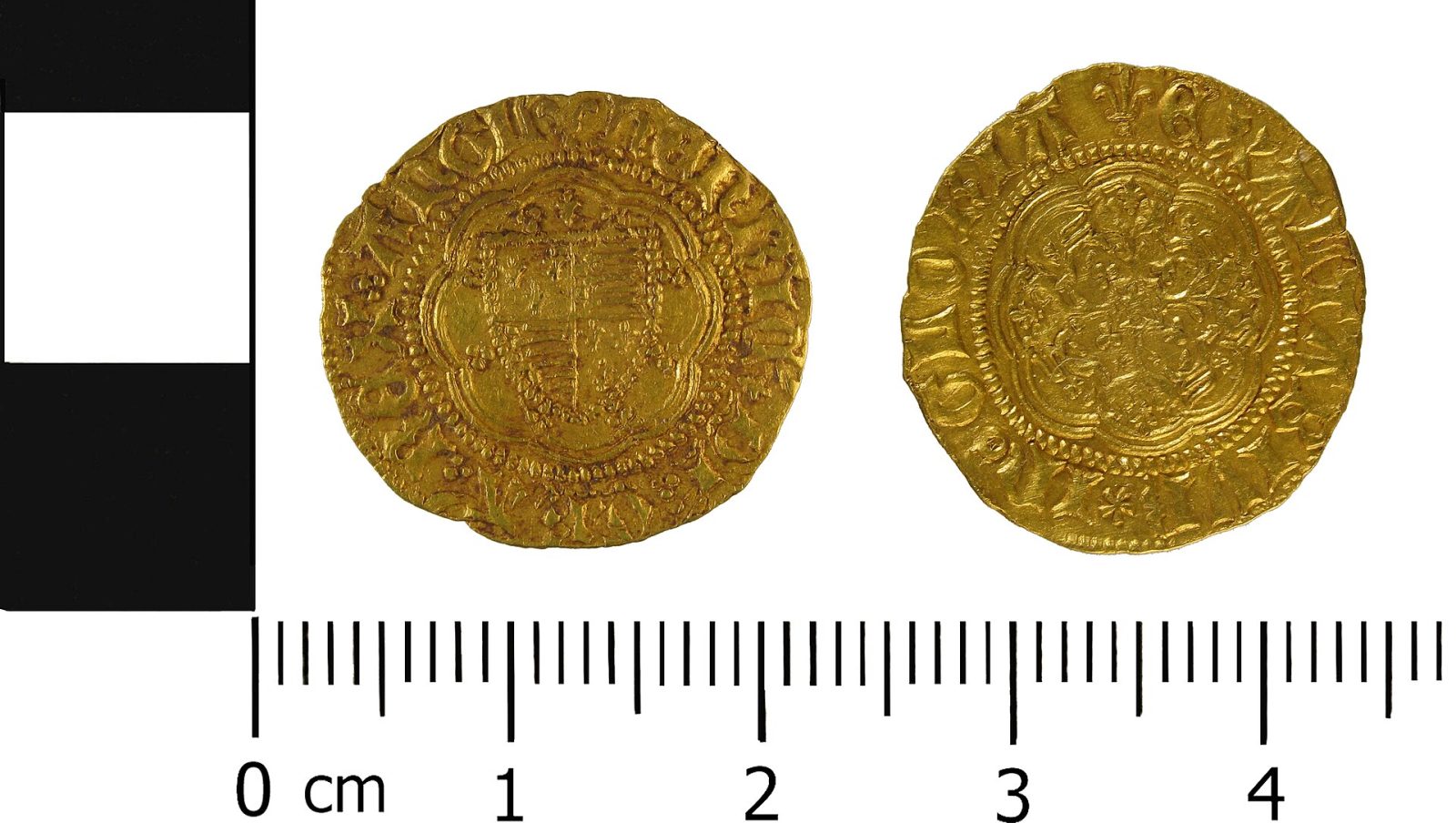
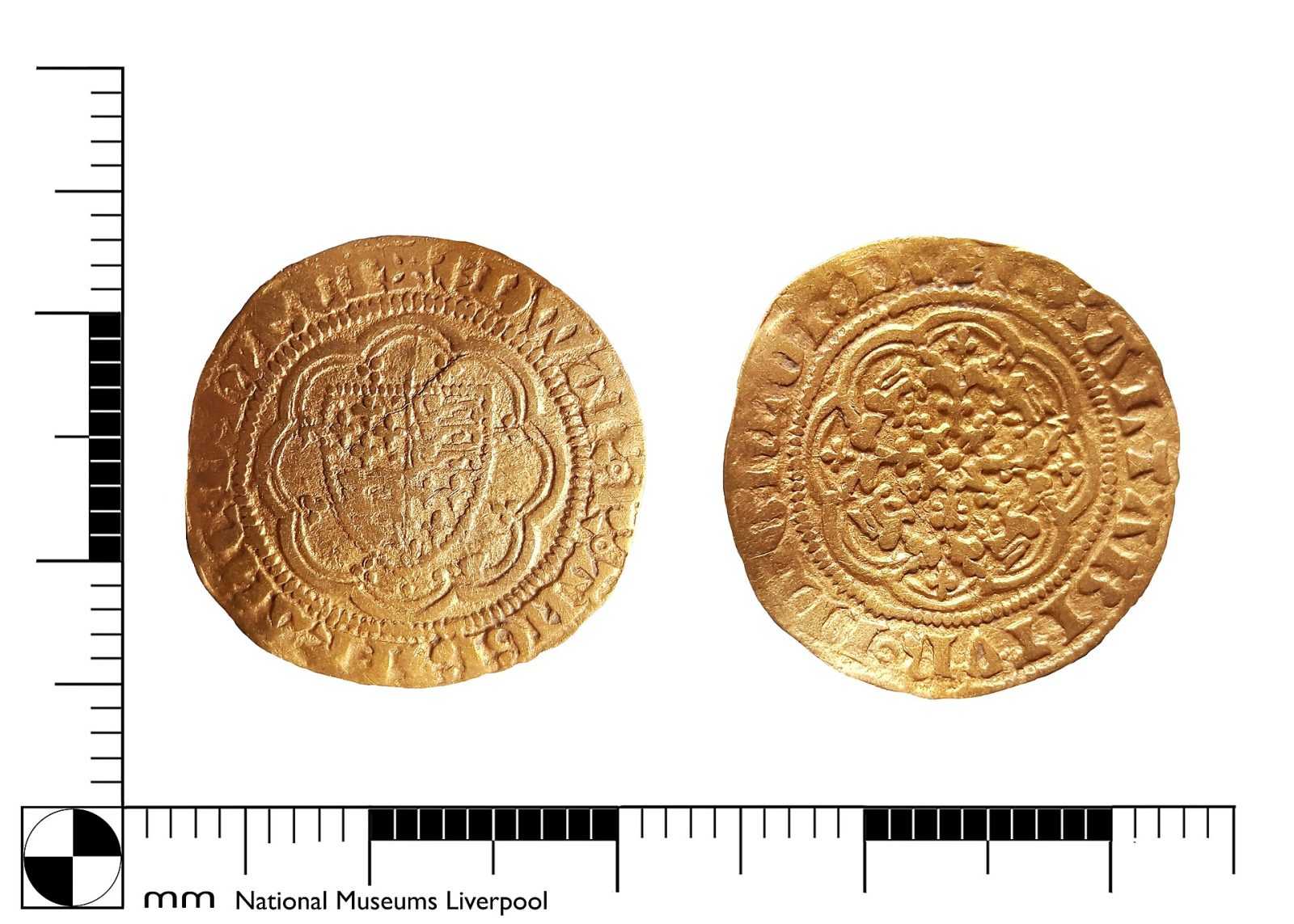
In summer 2022 detectorist and amateur historian Edward Hynes found a thin, bright gold coin on a beach on Newfoundland's south coast. It was a quarter noble of Henry VI, struck in London around 1422 to 1427, possibly the oldest English coin ever found in Canada.
In the summer of 2022, Edward Hynes, an amateur historian and metal detectorist, was searching a beach on the south coast of the island of Newfoundland, Canada. About five inches down, he found something so bright yellow and so thin that he thought it might be a tag from something, or a button. It was a gold coin. Its exact findspot has been kept secret to protect the site from treasure hunters.
Hynes reported the find to Newfoundland and Labrador's Provincial Archaeology Office, as the law requires, and showed officials where he had found it. The coin was identified by Paul Berry, a former curator of the Bank of Canada's Currency Museum, as a gold quarter noble of King Henry VI of England, struck in London between about 1422 and 1427. A quarter noble was worth one shilling and eightpence, a few days' wages at the time. On one side is a shield with the arms of England and France, the two kingdoms Henry claimed, and on the other a decorated cross.
The coin was struck about seventy years before John Cabot sailed from Bristol and reached Newfoundland in 1497, and the government announced it in November 2022 as possibly the oldest English coin ever found in Canada. That does not mean Englishmen reached Newfoundland before Cabot. Berry thought the coin was probably no longer in circulation by the time it was lost, and may have been kept as an heirloom or keepsake. The provincial archaeologist Jamie Brake suggested it could have arrived much later, perhaps dropped from a collection or by people living in the area in the 1700s. The findspot is close to an archaeological site, and further work there was planned.
Brake called Hynes amazing for reporting the find and helping archaeologists understand where it came from. In Newfoundland and Labrador, archaeological objects belong to the Crown, and the coin went to The Rooms, the provincial museum in St John's.
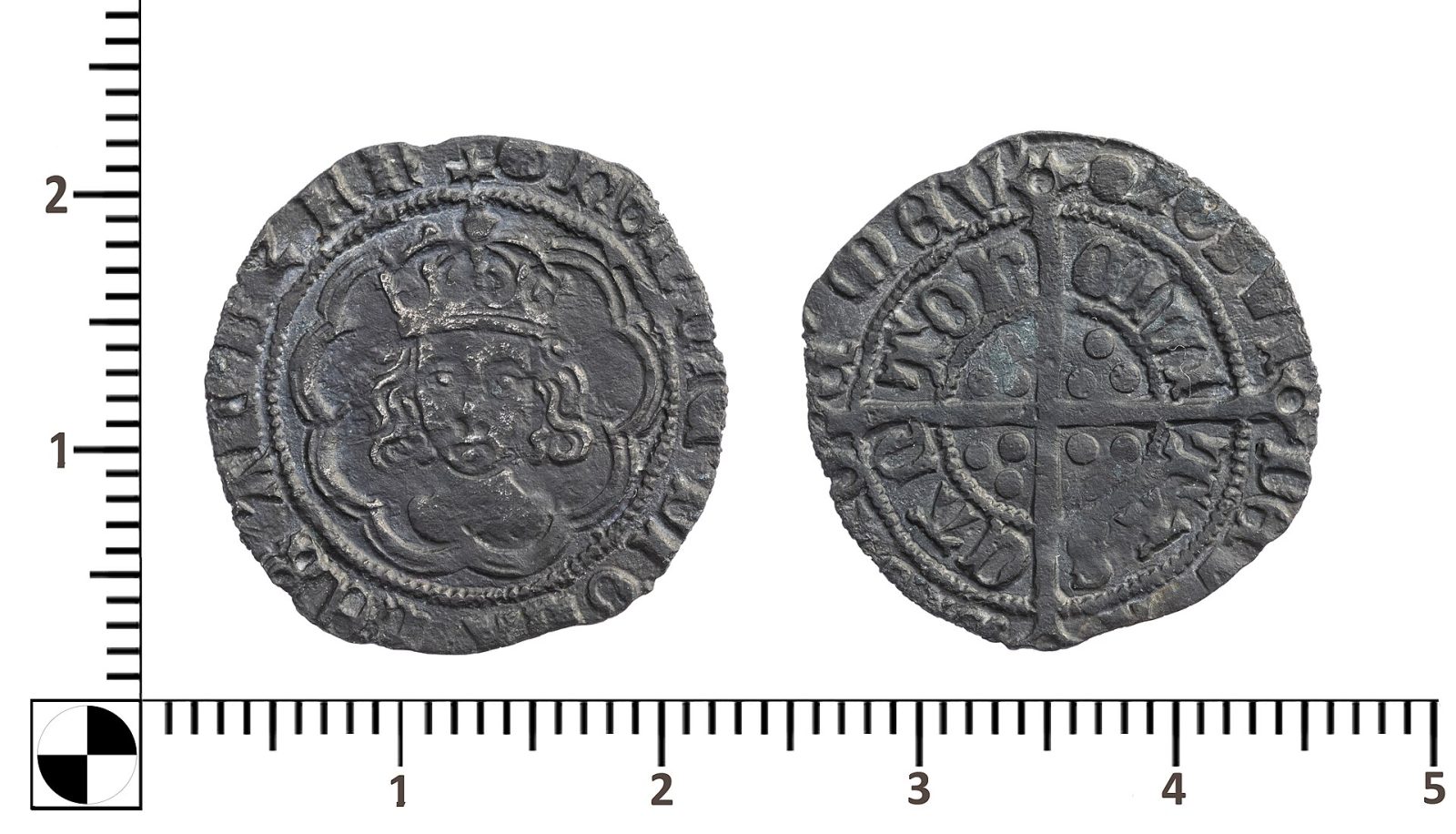
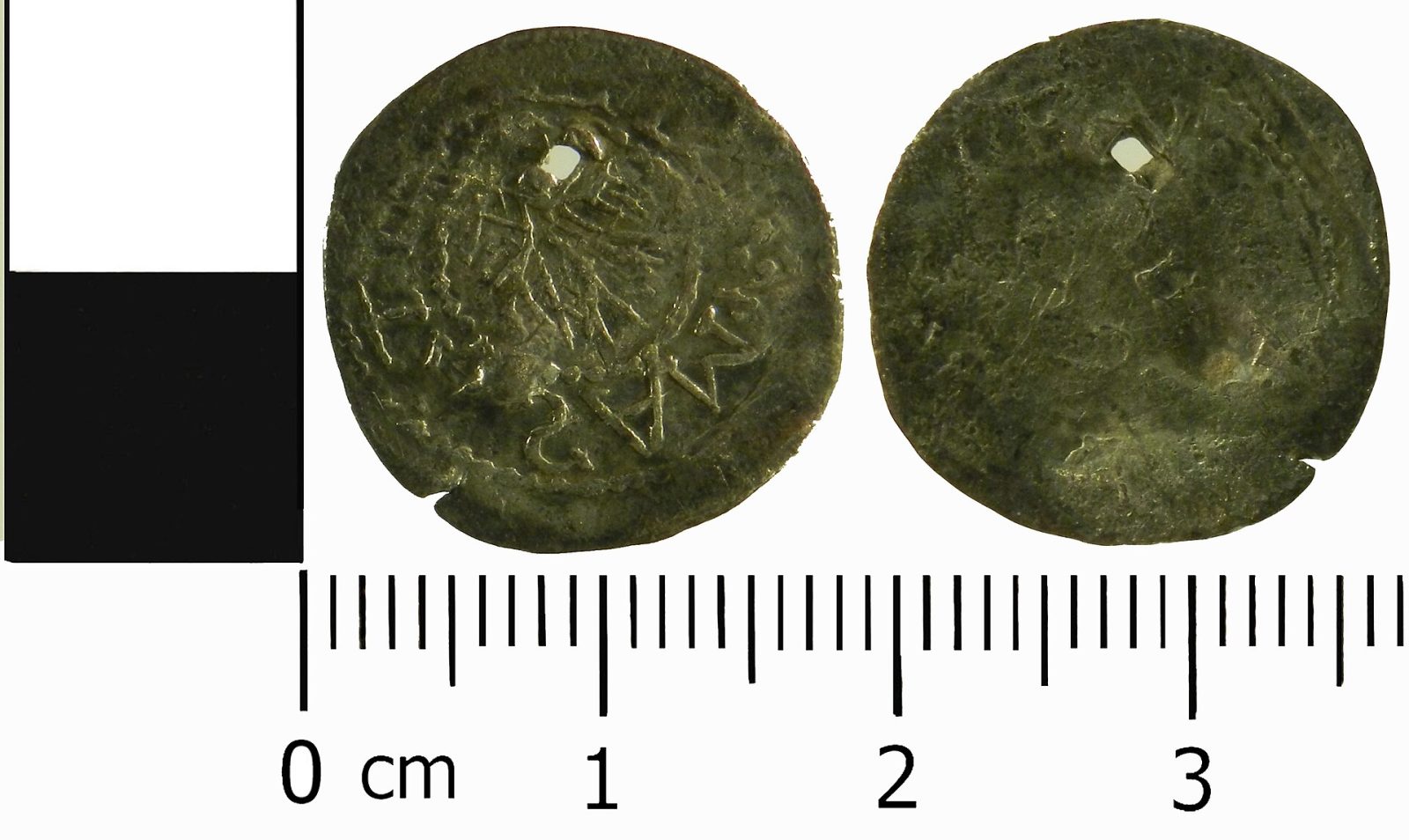
A silver half groat of Henry VII found at Cupids Cove, Newfoundland, in 2021, is also on Global Finds.
Written for Global Finds from the Government of Newfoundland and Labrador (2022), Canada's History (2023), Coin World (2022) and Medievalists.net (2022). Photo: another quarter noble of Henry VI of the same issue, found in England, not the Newfoundland coin, Teresa Gilmore, Birmingham Museums Trust, Portable Antiquities Scheme, Wikimedia Commons, CC BY-SA 4.0.