The Island Angel: a detectorist nearly walked away from a signal he took for a can, and found Henry VIII's gold
Famous find Struck in the reign of Henry VIII, 1509 to 1547 · Found in 2025 See it on the timeline →
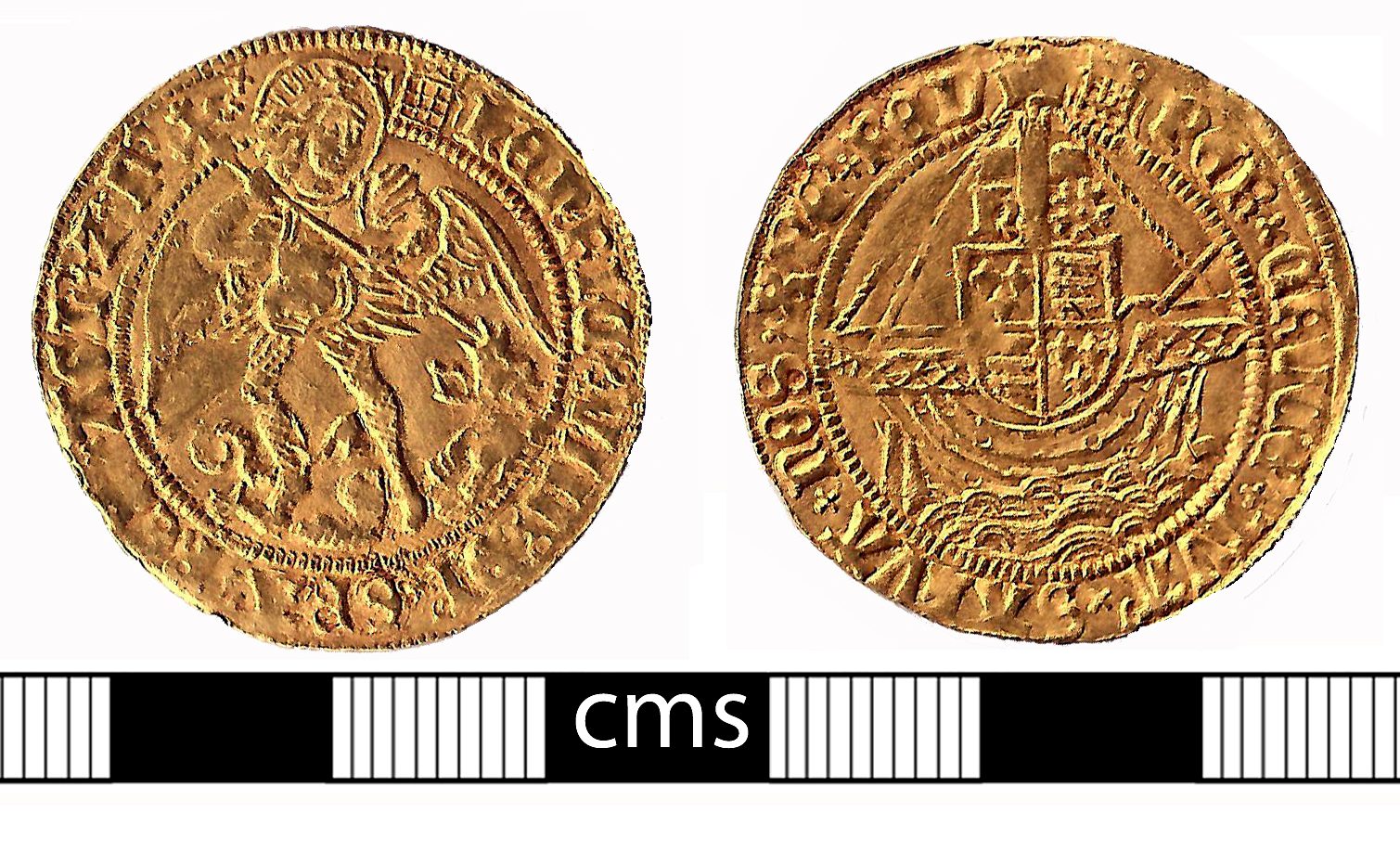
In 2025 Mark Smedmor, out with his wife Bridget and the Vectis Searchers club on the Isle of Wight, nearly ignored a signal he thought was an alloy can. It was a barely worn gold angel of Henry VIII, which he took to the island's Finds Liaison Officer.
On a Sunday morning in 2025, Mark Smedmor, a member of the Vectis Searchers metal detecting club, was out in a field on the Isle of Wight with his wife, Bridget. He got a signal he took for an alloy can, the kind of rubbish every detectorist digs every day, and nearly walked away from it. Then he saw a glint of gold. It was a gold coin of Henry VIII, barely worn, and the Isle of Wight Observer reported that he celebrated with a "gold dance". He later called it his first find of a lifetime.
The coin is an angel, the gold coin introduced by Edward IV in 1465 and struck by English kings for nearly two centuries. On the front, St Michael the Archangel stands over a dragon and drives a spear into its mouth. On the back, a ship carries a shield with the royal arms, with a cross for its mast. When it was introduced, an angel was worth six shillings and eightpence, a large sum when a labourer might earn a few pence a day. Angels were also the coins given to sufferers from scrofula, the "King's Evil", whom the king touched in the belief that it would cure them, and some were kept and worn as charms.
Henry's reign saw great changes in English money. In the early years his coins kept the high standards of his father, Henry VII, but from the 1540s, to pay for his wars, he debased the coinage, mixing more and more base metal into the silver. Gold angels like this one, struck in good fine gold, belong to the more respectable side of his money. The details of the coin's type have not been published, so it is not known exactly when in his reign it was struck.
Mark Smedmor handed the coin to the island's Finds Liaison Officer at the Guildhall Museum in Newport to be recorded and valued, with any proceeds to be shared with the landowner. As a single gold coin, it would not normally be Treasure.
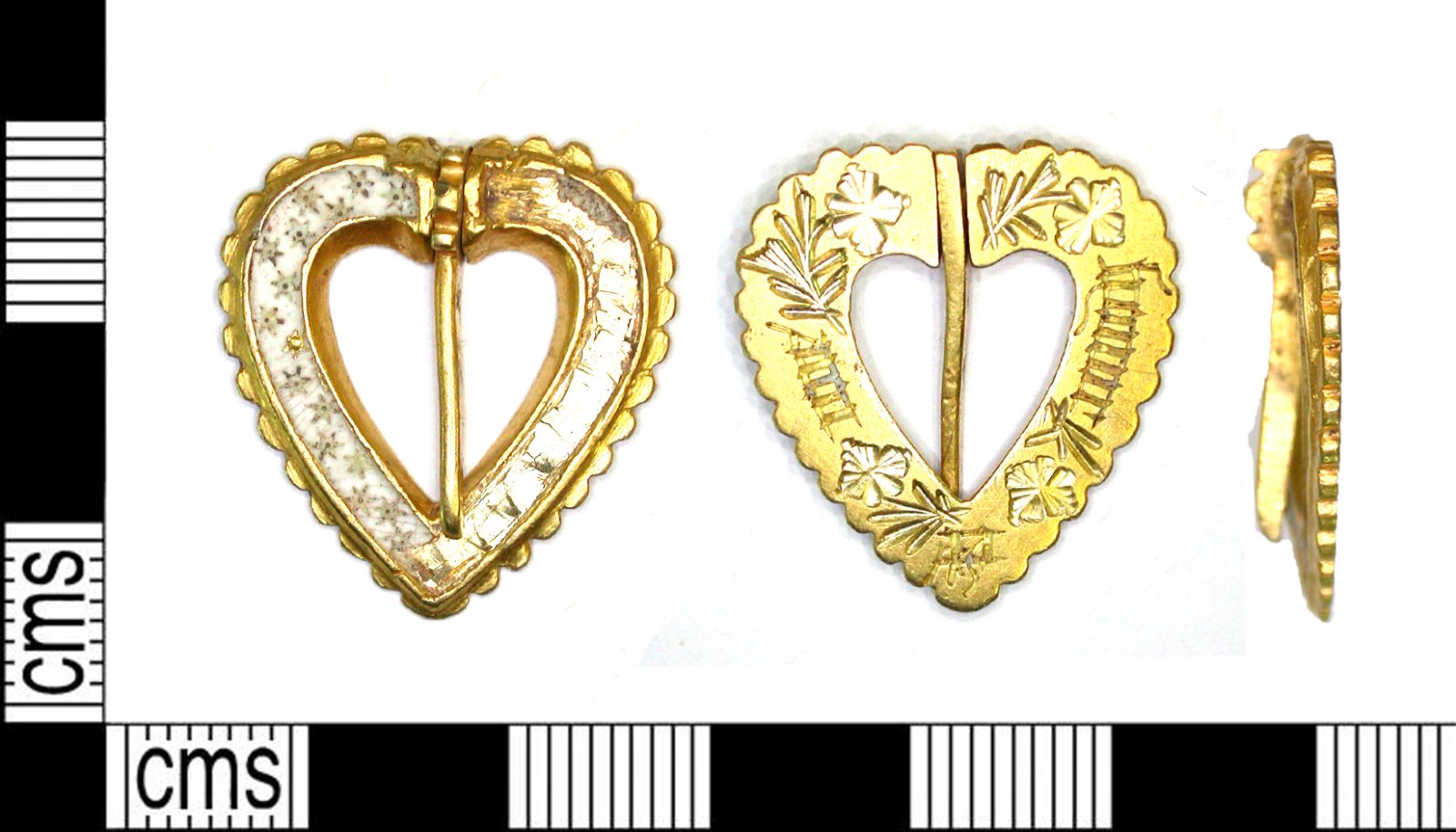
Written for Global Finds from the Isle of Wight Observer (2025 and 2026). Photo: a gold angel of Henry VIII found in Berkshire, not the Isle of Wight coin, Anni Byard, Oxfordshire County Council, Portable Antiquities Scheme, Wikimedia Commons, CC BY-SA 4.0.
Linked finds
Source: Isle of Wight Observer (2025)