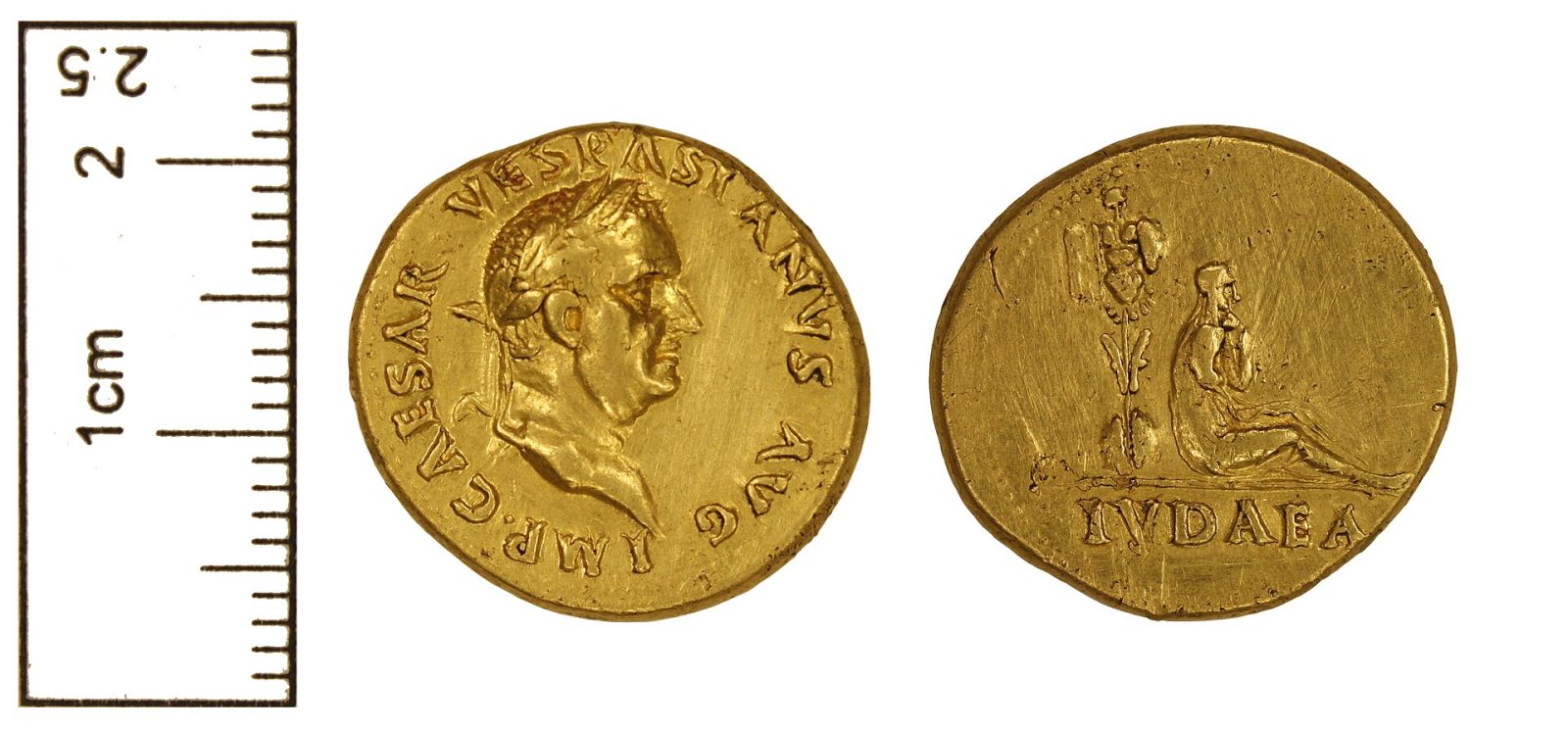
The Comet Penny: a 15-year-old detectorist found a coin of Henry I pointing at the stars, struck after he took Normandy
Famous find Struck about 1106 · Found in 2020 See it on the timeline →
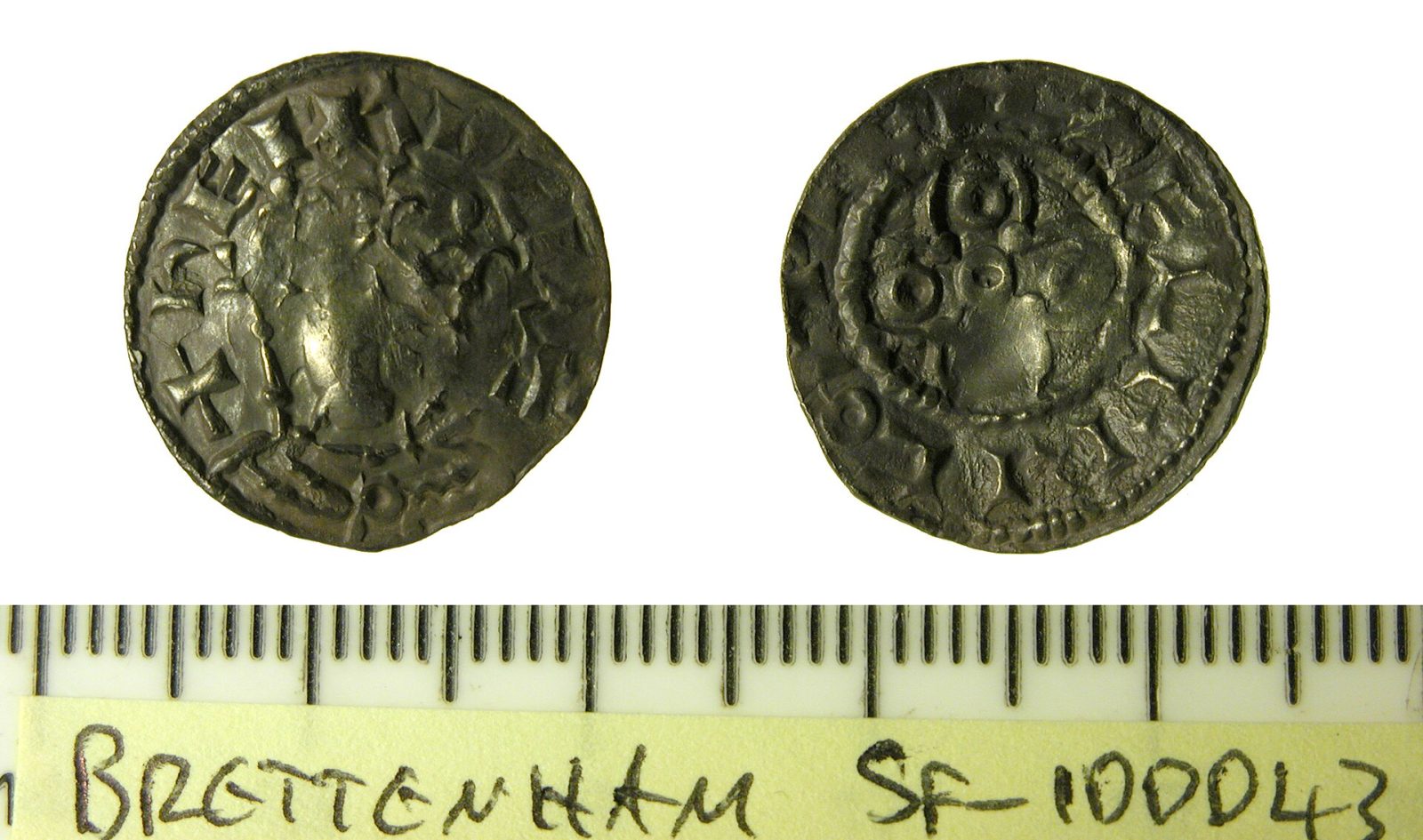
In September 2020, 15-year-old Walter Taylor was metal detecting with his father and uncle in a field in south Essex when he found a silver penny of Henry I, showing the king pointing towards stars, a design linked with the great comet and his victory at Tinchebrai in 1106.
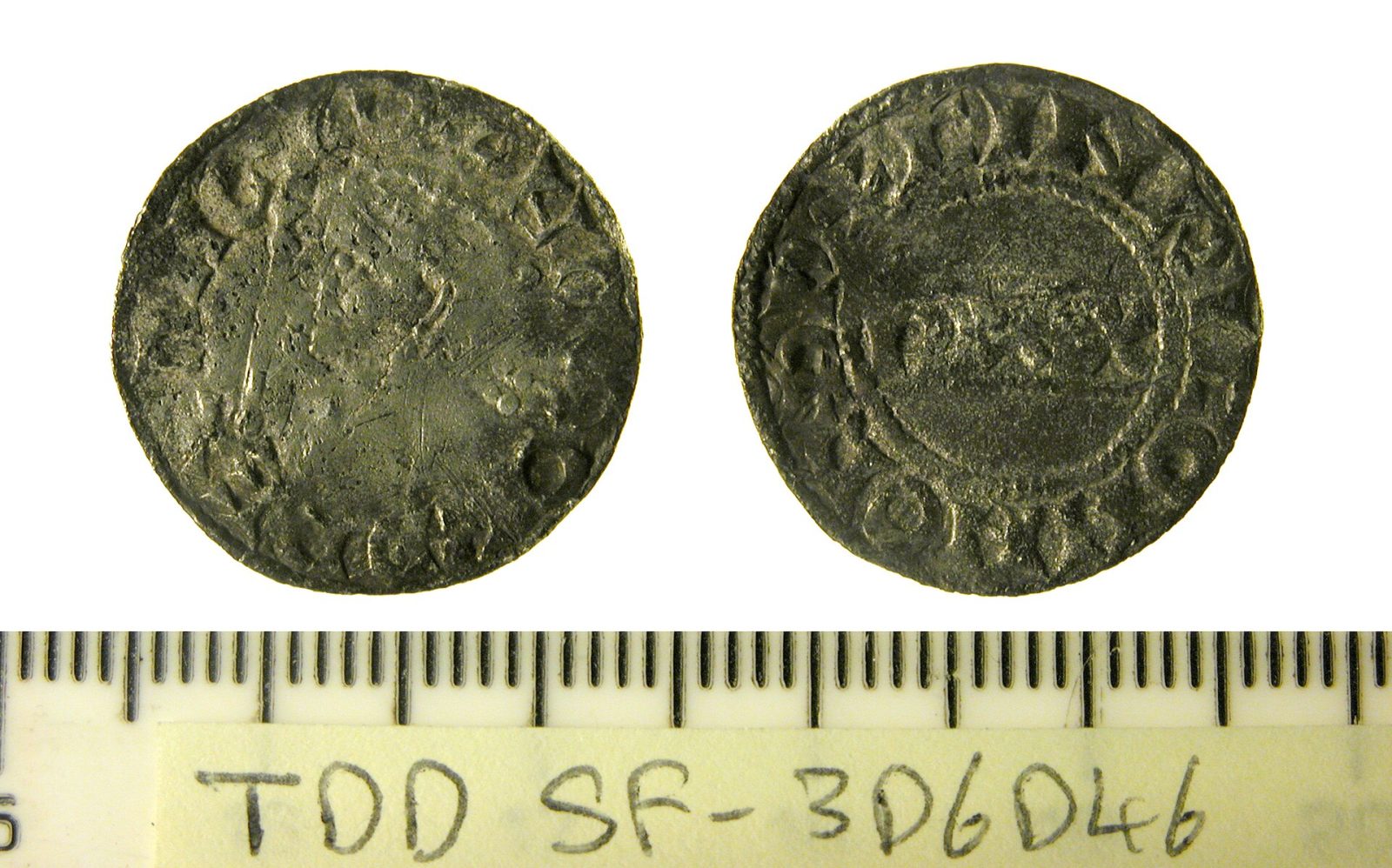
In September 2020, Walter Taylor, a 15-year-old schoolboy from near Ongar in Essex, spent about four hours metal detecting in a farmer's field in south Essex with his father and his uncle. Among the finds that day was a small silver coin. When it was cleaned, it showed a crowned king raising his hand towards the sky.
It was a penny of Henry I, the youngest son of William the Conqueror, who ruled England from 1100 to 1135. Henry's coins changed design many times during his reign, and this type, known to collectors as "pointing bust and stars", shows the king with his hand raised towards stars. It is usually dated to about 1106 and linked with the great comet that blazed across the skies of Europe early that year, which chroniclers recorded with wonder and alarm.
1106 was the year Henry won his greatest victory. On 28 September, at Tinchebrai in Normandy, his army defeated his elder brother, Robert Curthose, Duke of Normandy, who had tried to take the English crown. Robert was captured and spent the rest of his long life, almost thirty years, as Henry's prisoner, and Henry ruled both England and Normandy. Medieval writers often saw comets as signs that great events were coming, and the coin is traditionally connected with that famous year.
Pennies of Henry I are not often found in good condition. His reign was notorious for poor coins, and in 1124 he had the moneyers of England summoned to Winchester and punished for producing bad money. The penny was reported through the proper channels, and as a single silver coin it was not Treasure. It was sold by Hansons Auctioneers in Derbyshire in October 2020, in the same sale as a penny of Harold II found by another teenager in Norfolk, and made £3,100, within its guide price. The money was shared equally with the landowner.
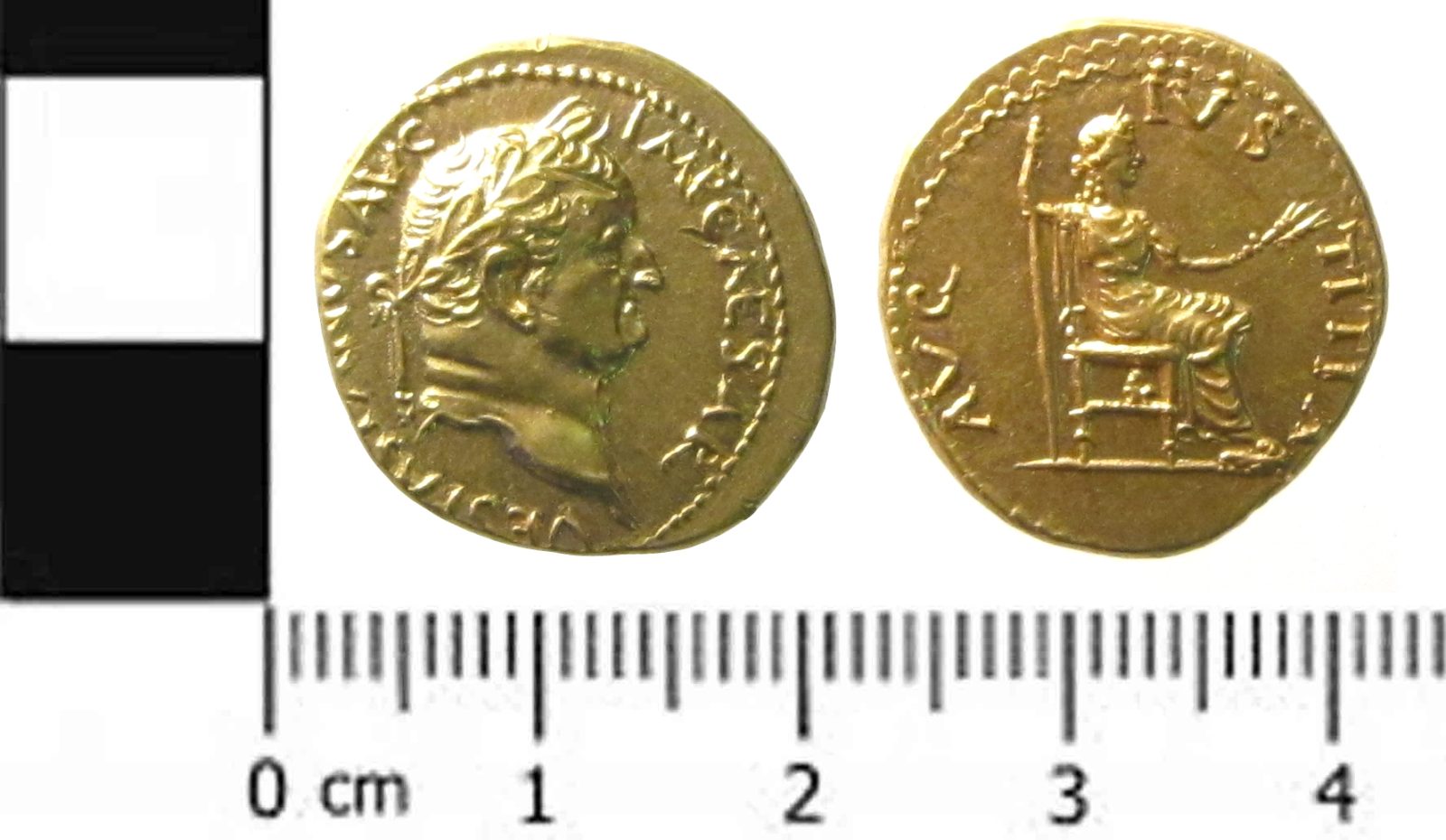
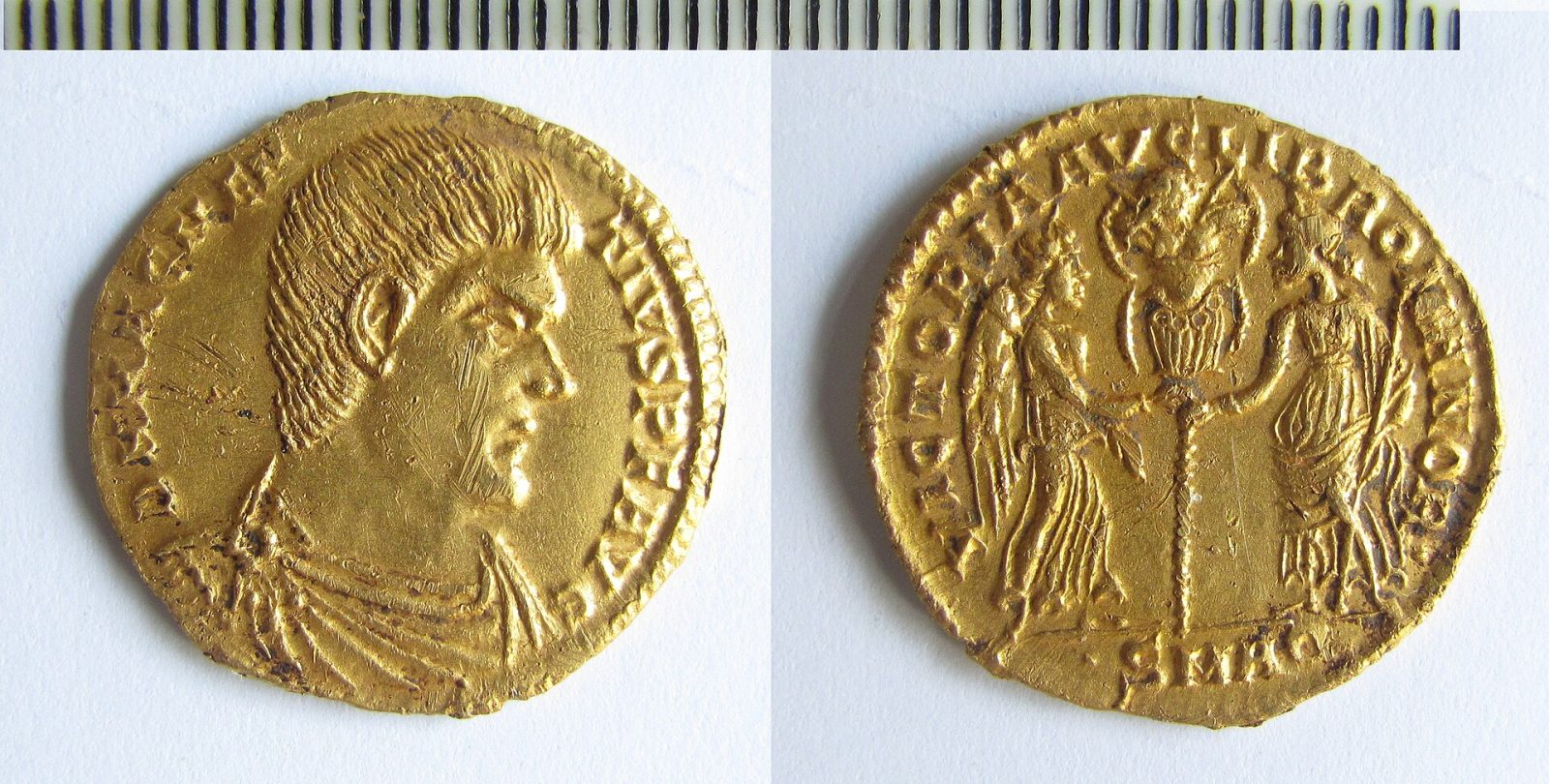
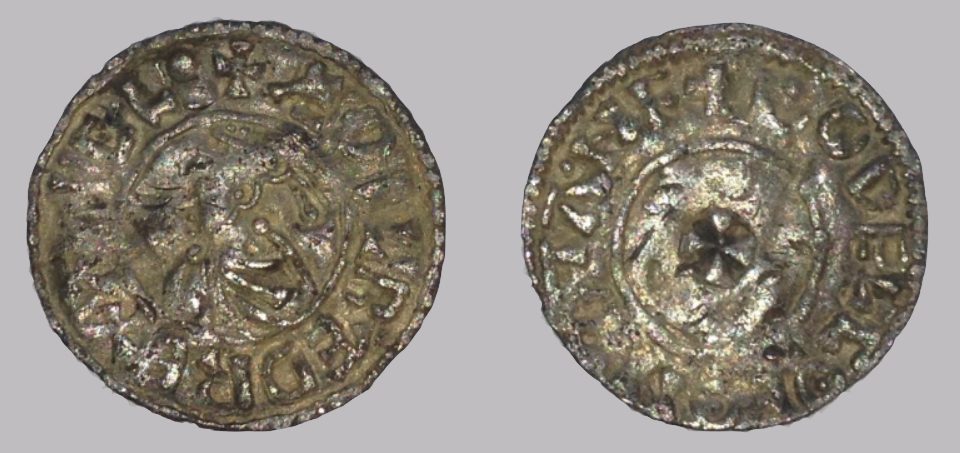
Written for Global Finds from the Press Association (2020), Hansons Auctioneers (2020) and published accounts of Henry I's coinage. Photo: a penny of Henry I of a different type, not the Essex coin, Andrew Brown, Suffolk County Council, Portable Antiquities Scheme, Wikimedia Commons, CC BY-SA 4.0.